REVIEW · ARUSHA
Best 5 Days Tanzania Private Luxury Safari with luxury Lodges
Book on Viator →Operated by Tanzania Serengeti Safaris · Bookable on Viator
A sunrise hike up Ol’doinyo Lengai is the kind of start you remember for years. This luxury 5-day safari also brings you to Lake Natron’s flamingo country, then follows the classic wildlife circuit through Tarangire, Serengeti, and the Ngorongoro Crater. I love the mix of big-cat planning and real hiking time, and I love that the trip is built around comfort—luxury lodge stays plus meals and water included—so the long drive days don’t feel like a punishment. One thing to consider: the active portion is cold and steep in spots, and it’s not the best fit for anyone who wants a fully “easy pace.”
You’ll also like the logistics. This is a private tour (just your group), with transportation to and from Arusha or Moshi, and a driver-guide doing the heavy lifting. Meals are covered on safari days (with breakfasts, lunches, and dinners built in), and park entry is shown as free for most days, with the crater day specifically marked as included.
In This Review
- Quick hits from this 5-day luxury safari (the stuff that matters)
- The big-picture game plan: classic parks plus a wild side quest
- Luxury lodges and all-in meals: how comfort shows up day to day
- Day 1 in Tarangire: elephants, baobabs, and an easy landing in Karatu
- Day 2 and 3 in Central Serengeti: plains time, migration timing, and optional sky views
- Day 4 to Ngorongoro rim: staying higher so the crater feels special
- Day 5 in the Ngorongoro Crater: early descent for the best mix of animals and light
- The Ol’doinyo Lengai and Lake Natron add-on: flamingos, steep edges, and early cold air
- Price and value: is $3,174 per person a smart deal?
- Who should book this luxury safari, and who should skip it?
- Should you book? My straight answer
- FAQ
- FAQ
- Where does the safari start and end?
- What time does the tour start?
- Is this a private tour?
- What transportation is included?
- Are meals included?
- Are park admission fees included?
- What is not included in the price?
Quick hits from this 5-day luxury safari (the stuff that matters)
- Private luxury planning means fewer waiting gaps and more time on game drives.
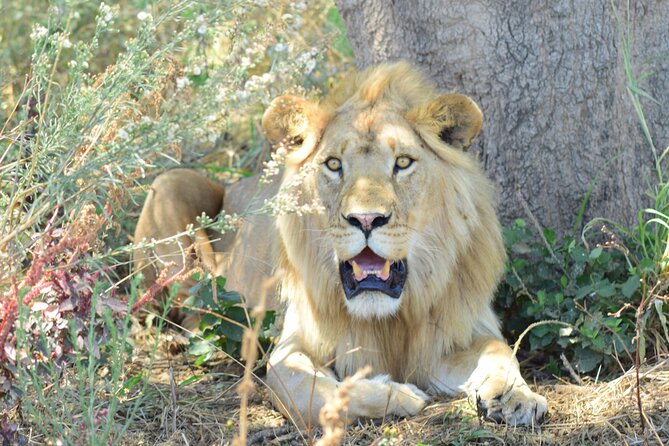
- Tarangire first day sets the tone with elephants and baobab trees, plus a picnic lunch inside the park.
- Central Serengeti gives you serious chances at both resident wildlife and seasonal Great Migration moments.
- Ngorongoro rim to crater: the day you descend early is when the safari feels most different from the plains.
- Ol’doinyo Lengai sunrise hike is short-breath, early-light, and a great warm-up for bigger climbs (as some hikers note).
- Lake Natron is famous for lesser flamingos and the surreal soda-lake color—plus the walking and water-time can be memorable.
The big-picture game plan: classic parks plus a wild side quest
This is the kind of Tanzania trip that doesn’t force you to choose between two travel styles. You get the “big three” safari landscapes—Tarangire National Park, Serengeti, and Ngorongoro Crater—in a tight 5-day window. Then, on top of that, you add an active, more offbeat experience: a sunrise hike on Ol’doinyo Lengai and time around Lake Natron, an alkaline soda lake that’s home to a huge share of the world’s lesser flamingos.
In plain terms: you’re not just sitting in a vehicle all day. You’ll also be up early, outside, and moving your legs while the world is still quiet. That combo is what makes this itinerary feel more personal than the standard “park, park, park” loop.
You can also read our reviews of more tours and experiences in Arusha.
Luxury lodges and all-in meals: how comfort shows up day to day

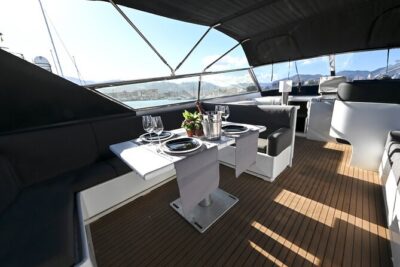
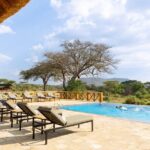
The “luxury lodge” part isn’t just marketing fluff here—it affects your energy. Three-night lodge stays are built into the safari portion, and breakfasts, lunches, and dinners are included across the trip days listed. Bottled water is also included, which is one less thing to manage when you’re packing for heat, dust, and early starts.
What you should expect is simple: longer driving days, shorter downtime. Lodges matter because they give you real recovery time—hot showers, a proper meal, and a place to reset before the next early game drive. Also, because this is private, your driver-guide can time the day with your group’s rhythm instead of merging schedules with strangers.
Day 1 in Tarangire: elephants, baobabs, and an easy landing in Karatu
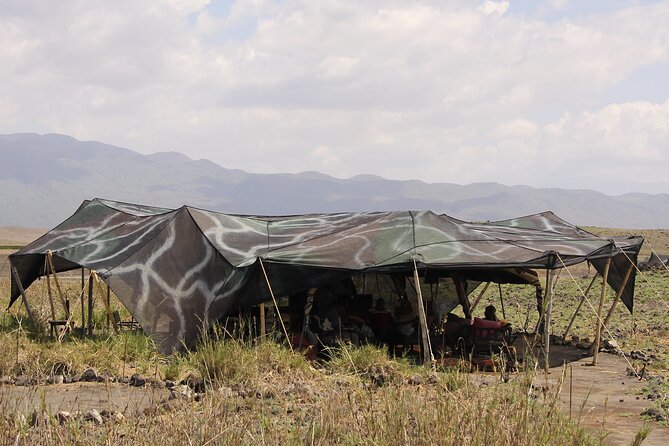
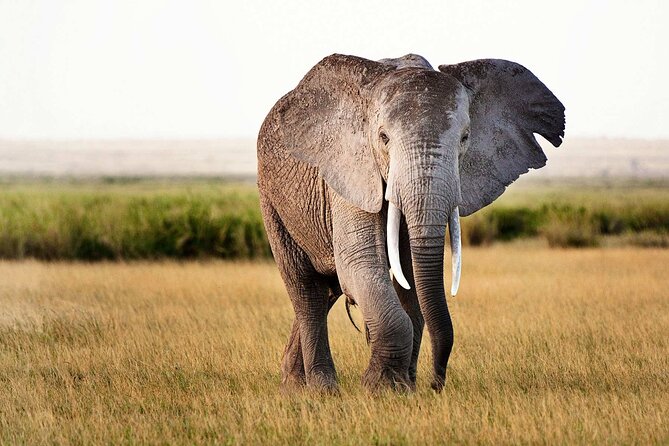
Your day starts with a morning departure from Arusha heading to Tarangire National Park. Tarangire is a great “first park” because it’s visually distinctive: elephants often show up in strong numbers, and the baobab trees make a backdrop that looks like it belongs in a storybook.
You’ll do a full day game drive with a picnic lunch inside the park. That picnic detail matters. It keeps you from losing half the day driving back to town for a sandwich and then returning to the action when animals have already moved.
When the light starts to soften, you transfer to the lodge area around Karatu or the Manyara region for the night. This is a smart choice. You’re not cramming the travel right up to the next morning’s jump into Serengeti. You get at least one night where you can sleep normally before the big plains.
Possible consideration: Tarangire day trips can be long on the road, so you’ll want to pack for sun and dust. Bring layers too—savanna mornings can be cool, and afternoons can be hot.
Day 2 and 3 in Central Serengeti: plains time, migration timing, and optional sky views
After breakfast, you head toward Serengeti National Park, checking in at a luxury lodge in Central Seronera. En route, you stop at the Ngorongoro Conservation Area viewpoint, which is one of those “get your bearings fast” moments. Even if you’re focused on animals, it helps to see the geography that makes this whole region feel different.
Days 2 and 3 are built around full-on Serengeti exploration. You’ll spend serious time on the plains looking for resident wildlife, and there’s a note that the Great Migration is seasonal. That’s important for expectation-setting. If you travel outside peak migration months, you can still see plenty of iconic animals—but the drama comes from timing, not guarantees.
Day 3 adds an extra choice that some people love: an optional hot air balloon safari. The idea is simple—when conditions are right, it’s one of the best ways to “read” the plains from above and spot where animals are moving. If you do this, plan for the day to start early.
What can feel tiring: Serengeti game drives involve lots of scanning and waiting for the right moment. Luxury lodges help because the evenings are genuinely restful. Also, if you’re the type who likes to track animals by behavior (not just by sightings), this pace can be satisfying.
Day 4 to Ngorongoro rim: staying higher so the crater feels special
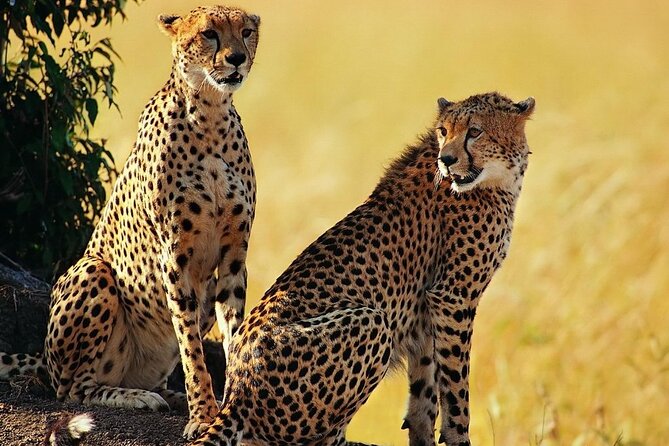
On day 4, you start with a morning game drive in Serengeti—then you head toward the Ngorongoro Conservation Area and reach the crater rim. You’ll check in at a luxury lodge near the edge and have the afternoon to take in views or join optional activities.
This “rim day” is more than a transfer. It sets up the crater day in a way that makes a full-day descent feel earned. From the rim, the crater’s shape and scale hit differently. It also gives you that slow, panoramic feeling you don’t always get on safari circuits.
Possible drawback: you might feel torn between relaxing and wanting to go-go-go. If you’re an early-bird, save your energy for day 5; the crater descent is the big physical and sight-heavy day.
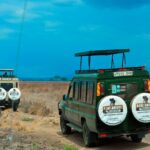
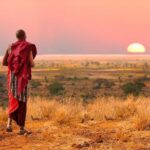
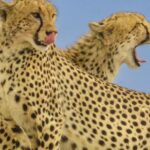
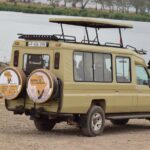
Day 5 in the Ngorongoro Crater: early descent for the best mix of animals and light
Your final day starts with an early descent into the Ngorongoro Crater for a full-day game drive. The crater is its own ecosystem, and the feel changes fast—from open plains to a more enclosed wildlife world. That’s why early matters: you’re more likely to catch the animals when the light is favorable and before the day’s heat changes their behavior.
You’ll have a picnic lunch inside the crater area. Then you drive back to Arusha or Moshi, arriving in the evening.
Practical reality: this is a “long, concentrated” day. If you get cranky on winding roads, bring a water bottle you’re comfortable using (you’ll have bottled water during the trip, but people still like personal preferences). Sunscreen is also a must—crater light can be intense.
The Ol’doinyo Lengai and Lake Natron add-on: flamingos, steep edges, and early cold air
The heart of what makes this tour feel different is that it isn’t only about vehicles and lodges. You also get a sunrise hike to Ol’doinyo Lengai, described as the Mountain of God, plus a traverse around Lake Natron, an alkaline lake with a large share of the world’s lesser flamingo population.
Here’s what you should know before you picture it as a casual walk:
- The air can feel cold, even when you’re in the tropics. People describe it as cool fresh air that shows up across the area.
- The routes can involve short walks with steep or narrow sections. One description notes a narrow, steep path down to the lake viewing area.
- Safety talk is part of the experience. Some guides focus on the risks of steep edges near the water and help you plan your footing.
On Lake Natron, the attraction is obvious once you see photos: the soda-lake colors, birds, and the feeling of being in an unusual landscape. But the best part, according to people who’ve done this side of the trip, is that it’s not just viewing. There can be time for hands-on activities like swimming and kayaking, plus walking and bird-watching around the area.
One more practical note: some hikers describe Ol’doinyo Lengai as a kind of warm-up climb for bigger routes later (like Meru or Kilimanjaro). Even if you’re not training for anything, that’s a good way to think about it: you’re going early, working your legs, and earning the views.
Price and value: is $3,174 per person a smart deal?
At $3,174 per person, you’re paying for three things at once: private guiding, luxury lodge comfort, and a packed route. The value equation gets better when you look at what’s included.
Included highlights:
- Driver guide
- Meals on safari days: 4 breakfasts, 5 lunches, 4 dinners
- Bottled water
- Transportation to and from Arusha or Moshi
- Park admissions are shown as free for days 1–4, and the crater day lists admission included
Not included (so budget for these):
- Flights
- Visas
- Tipping the guide
- Any hotel stay before or after the safari (you can book directly or through the operator)
When this price feels fair:
- If you’d otherwise pay separately for multiple drivers, multiple lodges, and entry tickets.
- If you care about avoiding the “where do we eat?” problem. Having lunches and dinners handled makes the itinerary much smoother.
When it might feel high:
- If your trip window demands extra nights before or after (since lodging outside the safari dates isn’t included).
- If you’re very price-sensitive and could handle a basic tour package with shared vehicle logistics.
Also, there’s a mention of group discounts and mobile ticketing, which can help depending on how your travel group is sized.
Who should book this luxury safari, and who should skip it?
This is a good fit if you want:
- A private safari experience that feels planned, not chaotic
- Luxury lodge comfort during the “big parks” portion
- A more active day with Ol’doinyo Lengai and the Lake Natron flamingo landscape
You may want to think twice if:
- You dislike early starts or uneven footing.
- You want a trip that’s purely vehicle-based with no hiking element.
It’s also well suited for couples and small groups who like the idea of having the same guide and vehicle throughout, so your driver can build a relationship with how your group hunts for animals (and when you’re happiest to move on).
Should you book? My straight answer
If your dream Tanzania trip includes both luxury comfort and one genuinely physical day, this is a strong choice. The big parks are the big parks for a reason, and combining them with Ol’doinyo Lengai and Lake Natron adds variety you won’t find on a basic circuit.
The main reason to hesitate is not the luxury or price tag—it’s the hiking and terrain. If you’re comfortable with early morning, cool air, and short steep paths, you’ll likely love the shape of the itinerary. If that sounds like stress, then consider a version without the active side.
FAQ
FAQ
Where does the safari start and end?
It starts in Arusha, Tanzania, and the experience ends back at the meeting point.
What time does the tour start?
The start time listed is 8:00 am.
Is this a private tour?
Yes. It’s a private tour/activity, and only your group participates.
What transportation is included?
Transportation to and from Arusha or Moshi is included.
Are meals included?
Yes. Breakfast is included for 4 mornings, lunch for 5 days, and dinner for 4 evenings, plus bottled water.
Are park admission fees included?
Park admissions are listed as free for the first four days, and the crater day lists admission as included.
What is not included in the price?
Flights, tipping the guide, visas, and hotel accommodation before and after the safari (during safari lodging is covered) are not included. Cancellation changes are not refundable.