REVIEW · ARUSHA
3Days luxury safari to Tarangire Ngorongoro crater and Manyara
Book on Viator →Operated by Dancing Simba Safaris · Bookable on Viator
This is the kind of safari that packs the good stuff in 3 days. You get open-roof 4WD game drives for easy spotting and photos, plus a route that hits Tarangire elephants, Ngorongoro’s crater wildlife, and Lake Manyara’s bird life. The big selling point is that you’re not just driving through parks—you’re in the thick of them, including sleeping inside the Tarangire area so you don’t waste time. One thing to keep in mind: with only 3 days, sightings are exciting but never guaranteed—sometimes you just miss a specific big predator like the lion.
What really helps is the private setup. You’ll travel with a professional safari guide, and you’ll move between parks in a 4WD Land Cruiser designed for wildlife viewing (with a photographic roof hatch). You’ll also have all meals on board for the full trip, which makes the days feel smooth instead of chopped up by shopping runs.
In This Review
- Key points I’d plan my expectations around
- 3-Day luxury safari from Arusha: what the itinerary feels like
- Open-roof Land Cruiser game drives: comfort that supports real wildlife viewing
- Day 1 at Tarangire National Park: the elephant herd and the park’s big sky
- Tarangire drawbacks to factor in
- Day 2 in Ngorongoro Crater: view points, the descent, and a full caldera safari
- How to get the most out of Ngorongoro on a tight schedule
- Ngorongoro drawback to consider
- Day 3 at Lake Manyara National Park: birds, flamingos, and different wildlife moods
- Manyara drawback to consider
- Lodging, meals, and included gear: how luxury shows up here
- What you should handle yourself
- Price and value check: $1,500 per person for three big parks
- Who this 3-day Tarangire, Ngorongoro, Manyara safari fits best
- Should you book Dancing Simba Safaris for Tarangire, Ngorongoro, Manyara?
- FAQ
- What parks are included in this 3-day safari?
- How long is the safari, and where does it start and end?
- What kind of transportation do I use on safari?
- What wildlife and bird highlights should I expect?
- Is this safari private?
- What meals are included in the package?
- Can I cancel for a full refund?
Key points I’d plan my expectations around
- Open-roof 4WD with photographic roof hatch: made for spotting and picture angles.
- Tarangire elephant country: built around the park’s famous elephant herds.
- Ngorongoro descent inside the caldera: one long, high-impact wildlife afternoon.
- Manyara’s bird + tree-climbing-lion reputation: you’re aiming for variety, not just big cats.
- Meals and park fees included: you’ll spend less time budgeting mid-trip.
- Sleeping inside the park area: fewer rushed moments, more actual safari time.
3-Day luxury safari from Arusha: what the itinerary feels like
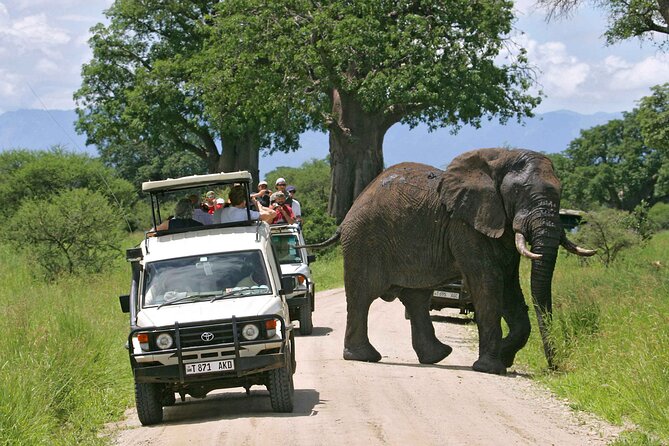
This 3-day route is designed like a highlights reel, but it doesn’t feel rushed in the ugly way. Day 1 focuses on Tarangire National Park with game drives in a setting known for elephants, giraffes, and lots of antelope movement. Day 2 is the centerpiece: a crater day where you drive in, stop for views, and then go down into the caldera for a wildlife search that can feel almost cinematic.
Day 3 switches tone again at Lake Manyara National Park. Instead of chasing the same look everywhere, you’re moving into a park known for birds and a few classic “only in this place” moments, like the reputation for tree-climbing lions. If you want a northern Tanzania intro that checks many boxes quickly—this is built for you.
You can also read our reviews of more tours and experiences in Arusha.
Open-roof Land Cruiser game drives: comfort that supports real wildlife viewing

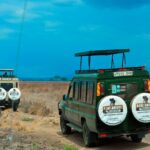
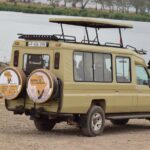
One of the practical wins here is the vehicle setup. You’ll ride in a 4WD Land Cruiser with an open roof style for viewing, plus a photographic roof hatch. That matters because wildlife viewing is mostly about timing: when an animal pops up near the road, you want a quick way to get eyes on it and line up a photo without awkward repositioning.
Also, you’re not stuck with a rigid schedule that ignores sightings. The day flow includes planned stops (like lunch and viewpoints), but the guiding approach is built around watching for animals and then taking the time when something good is actually happening. In feedback about this operator, guides like Ombeni and Lucas come up with praise for being alert and for giving people time when animals appear.
Day 1 at Tarangire National Park: the elephant herd and the park’s big sky
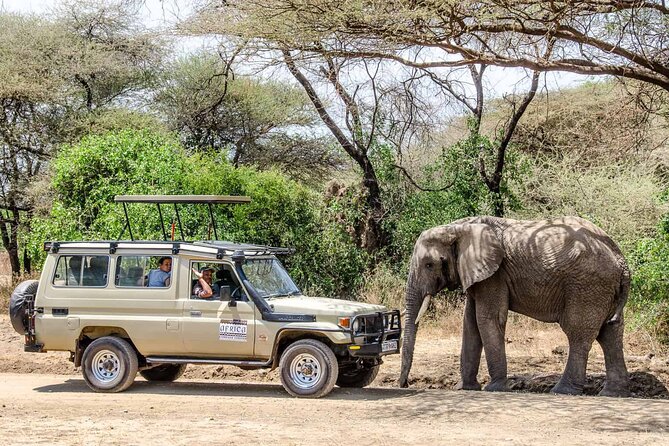
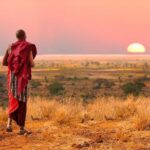
Your day starts with pickup in Arusha, and then you head to Tarangire. The park is known for tree savanna and seasonal marshes, and the headline attraction is the large elephant presence. The numbers shared for Tarangire are the kind that make you sit up: it’s cited as having the largest elephant herd in North Tanzania, with over 4,000 elephants counted at one point.
When you arrive, you’ll go out in an open-roof jeep for wildlife viewing and photography. Tarangire isn’t only elephants. You’re also in a habitat where you can spot giraffes, buffalo, lions, zebras, gnus, and different types of antelope and gazelles. The mix is helpful. Even if the elephants aren’t right next to the road at every moment, there are usually enough other species around to keep the drive interesting.
Lunch is set up at a picnic site inside the park area, then you’ll do more afternoon exploring. The best practical detail is that you’ll sleep inside or within the park area so you can enjoy the full day without feeling like you have to rush to make it worth it. That one choice improves the whole experience because your wildlife time doesn’t get chopped into “drive-barely-see-sleep-drive-again.”
Tarangire drawbacks to factor in
Tarangire is famous for elephants, but if you specifically want one rare predator moment, this day alone can’t guarantee it. Think of Day 1 as your warm-up plus your elephant fix, not a single-shot “checkmate” for the big cats.
Day 2 in Ngorongoro Crater: view points, the descent, and a full caldera safari
Ngorongoro Conservation Area is where the trip gets serious. You’ll drive from your accommodation to the gate and get a briefing before going inside, and you’ll also have time for photos and information at the start. Then you move to a view point stop and later descend into the crater.
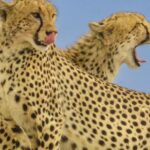
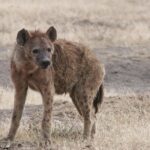
Inside the caldera, the wildlife density is the whole story. You’re aiming for everything from black rhino to lions and leopards, with elephants in the mix as well. You’ll also have a chance at Grant’s and Thomson’s gazelles, mountain reedbucks in the forests on the slopes, and other animals such as buffaloes and spotted hyenas. The crater’s bird life is also a big factor—more than 500 bird species are noted for the area, so even if the mammals are a little slow, you’re still in an actively watchable environment.
The experience structure is smart: it’s not only about driving until you hope for something. You get an information-and-viewpoint step, then the crater game drive, then a picnic lunch, and then you leave in the afternoon to travel back to your accommodation.
How to get the most out of Ngorongoro on a tight schedule
This is the kind of day where you’ll want to trust your guide’s roadside timing. When you’re descending into a large caldera, spotting is often about being in the right place at the right moment. The operator’s guides get credit in feedback for helping people find good angles when animals show up—so lean into that during stops and don’t assume the best viewing will always happen on your “first pass.”
Ngorongoro drawback to consider
The crater day is powerful, but it’s also weather- and timing-dependent in the real world. If you’re only doing 3 days, you’re basically buying one long chance to see what the caldera has that day. That’s part of the deal—exciting, but not a guarantee that every iconic sight happens.
Day 3 at Lake Manyara National Park: birds, flamingos, and different wildlife moods
After breakfast, you’ll head back toward Arusha and then over to Lake Manyara National Park. The park is described as an unspoilt paradise, with a western border shaped by the dramatic western escarpment of the Rift Valley. To the east sits the shallow, alkaline Lake Manyara, which changes with the seasons.
This matters because Manyara is not only about big mammals. It’s famous for birds. You’re told to plan around the fact that during rainy seasons, thousands of flamingos may appear. Even without flamingos, the setting supports constant bird activity, and the mix of habitats—savannah to evergreen forest—means you can see different animal styles on the same day.
Another Manyara hook is the tree-climbing lion reputation. That’s not something you can command like an appointment, but it gives you a specific type of wildlife search to watch for while you’re driving through the park.
The day’s theme is variety. You started in Tarangire’s elephant and tree-savanna world, moved into a crater full of open-caldera wildlife and slope forests, and now you’re in a park where birds and habitat variety steer the experience.
Manyara drawback to consider
If your top priority is a specific animal (for example, a particular big cat sighting), Manyara can be more unpredictable than Ngorongoro crater days. It’s a place for variety and frequent sightings—but not always the single “best” predator moment people come hunting for.
Lodging, meals, and included gear: how luxury shows up here
The word luxury can mean different things in East Africa. Here, the practical version is: you get good support and you don’t have to run logistics all day.
Meals are included throughout the 3 days: breakfast (3), lunch (3), and dinner. Lunch is set up as a picnic during the crater day, and the rest of the meals are handled as part of the package. That keeps you from losing safari hours to finding food.
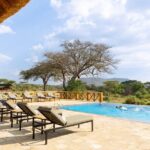
Transport and wildlife access are also included. You’ll have the 4WD Land Cruiser with a photographic roof hatch, plus wildlife reserve fees. There’s also camping equipment included in the package. The trip is described as including lodge accommodation and includes sleeping inside the park on Day 1, which is one of the reasons the schedule feels more wildlife-focused than many quick safaris.
One more thing I like: named crew members show up in feedback in ways that matter. People mention cooks like Dennis and guides like Lunge, Ombeni, and Lucas. That kind of consistency usually means the trip’s “behind the scenes” work is taken seriously, not improvised.
What you should handle yourself
Personal expenses are not included, and laundry isn’t included either. Also, tips for your driver aren’t included. If you’re someone who likes to keep things simple, plan a small “on-trip” budget for personal items and tipping.
Price and value check: $1,500 per person for three big parks
At $1,500 per person, you’re paying for more than just driving. You’re paying for a package that bundles the big cost drivers: transport in a dedicated 4WD vehicle, reserve fees, and the full set of meals. You’re also paying for having a professional safari guide coordinating game drive timing across three major areas.
Does that price feel high? It can, until you break down what it would cost you to recreate it on your own—park fees, reliable 4WD transport, and guide time over multiple days. In a 3-day format, you’re buying efficiency. You also get the advantage of staying inside the park area on Day 1, which adds actual safari time value.
There’s also a private-tour element, meaning this is not a “shared bus with strangers” vibe. For couples, friends, or families, that can turn the price into better value because you’re not dividing attention among multiple groups.
Who this 3-day Tarangire, Ngorongoro, Manyara safari fits best
This is a great match if you want:
- A tight northern circuit that covers Tarangire, Ngorongoro, and Lake Manyara without long add-on detours.
- A safari built around photo-friendly vehicle design and a guide who pays attention when animals show up.
- The big “wow” day in Ngorongoro crater, plus two complementary days that bring elephants, birds, and habitat variety.
It may not be the best match if you hate early starts and packed days, or if you want a slower pace with more nights in one place. This route is for people who like momentum, not for people who want to linger.
Should you book Dancing Simba Safaris for Tarangire, Ngorongoro, Manyara?
I’d book this itinerary if you’re choosing a 3-day safari and you want the highest chance of seeing a wide range of wildlife across three of the most famous northern parks. The combination of open-roof 4WD viewing, guided crater time, included meals, and the Day 1 “sleep inside” setup makes it feel efficient in a good way, not in a rushed way.
I’d hesitate only if your goal is a very specific single-animal moment and you’re hoping for certainty. In a short safari, you can get lucky in amazing ways, but the real magic of safaris is also the fact that wildlife doesn’t run on schedules.
FAQ
What parks are included in this 3-day safari?
This safari includes Tarangire National Park, Ngorongoro Conservation Area (the crater), and Lake Manyara National Park.
How long is the safari, and where does it start and end?
The safari lasts about 3 days. It starts in Arusha, Tanzania and ends back at the meeting point.
What kind of transportation do I use on safari?
You travel in a 4WD Land Cruiser with a photographic roof hatch for wildlife viewing and photography.
What wildlife and bird highlights should I expect?
You’ll have the chance to see animals associated with these parks, including elephants and giraffes in Tarangire, and in Ngorongoro you may see black rhinos, lions, leopards, and elephants. Lake Manyara is known for birds and can have thousands of flamingos during rainy seasons, plus the reputation for tree-climbing lions.
Is this safari private?
Yes. It’s listed as a private tour/activity, meaning only your group participates.
What meals are included in the package?
The package includes breakfast (3), lunch (3), and dinner.
Can I cancel for a full refund?
Yes. You can cancel up to 24 hours in advance for a full refund. If you cancel less than 24 hours before the start time, the amount paid isn’t refunded.