REVIEW · ARUSHA
7-Day Premium Luxury Tanzania Safari All-Inclusive
Book on Viator →Operated by Lion King Adventures · Bookable on Viator
Luxury safari, handled start to finish. This private 7-day Tanzania safari connects the big-hitters of the north—Tarangire, Lake Manyara, Serengeti, and Ngorongoro—with the kind of planning that keeps your brain free for spotting animals. I like the flexibility you get from a private guide, and I also like that you’re traveling in an off-road safari vehicle designed to reach places regular vehicles may not. One consideration: at this price point, you’ll want to be a bit choosy about expectations for lodge quality, because while most stays land high, one property (Kitela) got mixed feedback.
You start in Arusha with airport-to-hotel support, including pickup by a Lion King representative, and you end with a drive to the airport—no awkward meeting points or last-minute scramble. The base for Day 1 is Gran Melia Arusha, and the tone is clearly set for comfort: included meals, included park access, private transportation, and a smooth flow between ecosystems.
The real value here isn’t just the word luxury. It’s the way the itinerary is built to reduce friction: you’re met, driven, fed, and guided, with a day spent in the Serengeti doing game drives when conditions and timing matter most.
In This Review
- Key highlights worth paying attention to
- Entering Tanzania’s wild north in a private luxury flow
- Arusha Day 1: arrive, reset, and sleep well at Gran Melia
- Tarangire National Park: elephants, acacias, and off-road spotting
- Lake Manyara: birds, baobabs, and tree-life surprises
- Serengeti National Park: game drives built around the migration calendar
- Ngorongoro Crater day: the drive down and the wall-to-wall wildlife feel
- All-inclusive luxury: what’s included, and why it matters
- Vehicle and pacing: private doesn’t mean careless
- Price check: is $4,840 per person good value?
- Who should book this safari circuit
- Should you book this 7-day premium luxury Tanzania safari?
- FAQ
- What is the price of this tour?
- How long is the safari?
- Where does the trip start and end?
- Is hotel pickup included?
- Which parks are included?
- Are meals included?
- Are park fees included?
- Are international flights included?
- What is the cancellation policy?
- Is this tour private or shared?
Key highlights worth paying attention to
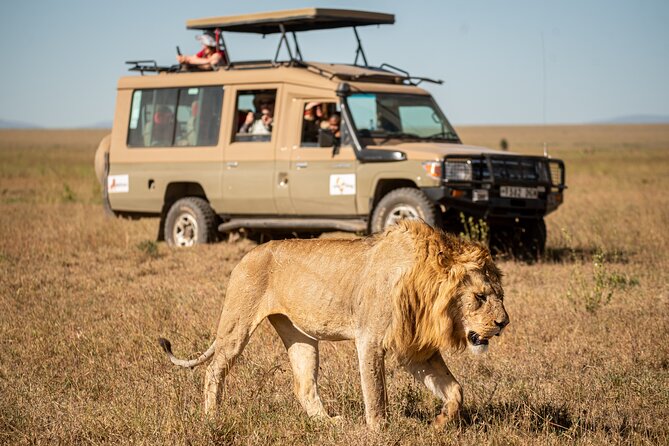
- Private guiding and flexibility: you can tailor the pace of your days rather than follow a fixed cattle-truck route
- Off-road access: you’re in a vehicle described as able to reach areas traditional tour vehicles can’t
- Big-four parks in 7 days: Tarangire elephants, Lake Manyara birds and tree life, Serengeti migration, and Ngorongoro crater
- Hotel pickup and drop-off: the trip removes meeting-point stress at both ends
- Guide quality: Sebastian is specifically praised as excellent
- All-inclusive built for convenience: park fees, meals, and taxes are handled for you
Entering Tanzania’s wild north in a private luxury flow
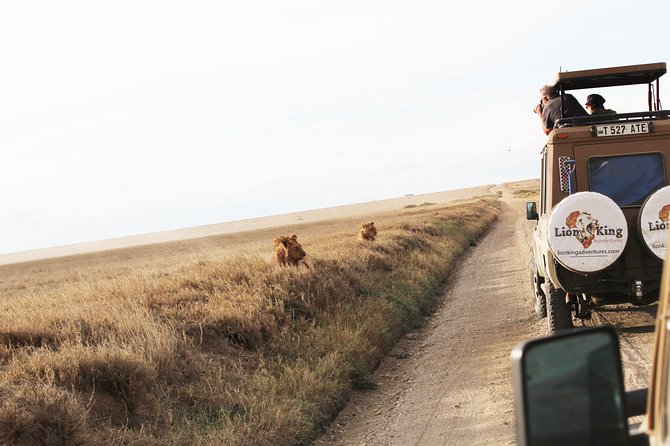
If you’ve ever tried to coordinate safaris on your own, you know the pain. It’s not the animals that are hard—it’s the logistics. This is designed to solve that problem. You’re booked into one connected experience that handles transportation between key regions, park access, and your day-by-day routine.
That matters because Tanzania safaris are very timing-sensitive. Wildlife isn’t a theme park with set showtimes. Your chances improve when you can focus on the road and the sky instead of coordinating paperwork, ticket lines, and group schedules. With a private set-up, you’re also less likely to feel rushed if you want one more scan of the grasslands or one more stop to confirm what’s moving in the distance.
And yes, it’s premium-priced. But premium doesn’t have to mean waste. In this case, the “extra” is mostly about control and comfort: private guiding, a vehicle meant for rougher terrain, and accommodations included throughout the circuit.
You can also read our reviews of more tours and experiences in Arusha.
Arusha Day 1: arrive, reset, and sleep well at Gran Melia
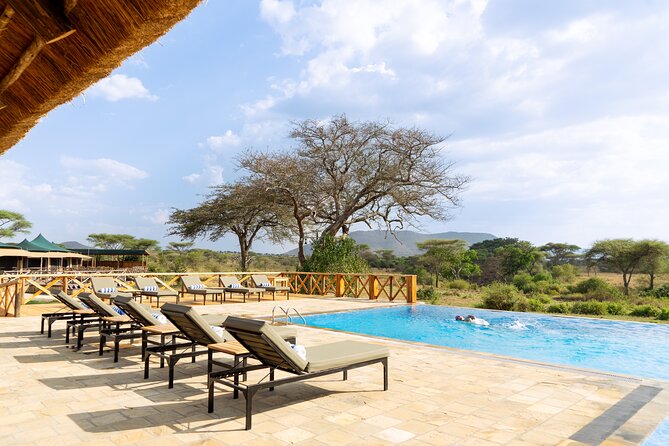
Your safari starts in Arusha, and the first win is simple: you get airport pickup by a Lion King representative and transfer to your hotel. That means you’re not trying to figure out local driving arrangements right after a flight.
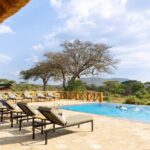
Gran Melia Arusha is the named overnight base on Day 1, and the tone is an oasis-like reset after travel. You get time to relax, get ready for early starts, and stay in a place that makes your first day feel like part of the trip rather than the lead-in to it.
This kind of start matters more than people think. If you arrive and immediately jump into a long drive with no buffer, you lose half the fun to exhaustion. Here, you build in that decompression step, so the rest of the safari lands with full energy.
Tarangire National Park: elephants, acacias, and off-road spotting
Tarangire is famous for elephants, and that reputation isn’t random. The landscape is shaped by the Tarangire River system and seasonal changes—so even when the weather shifts, the wildlife has reasons to stay engaged with the habitat.
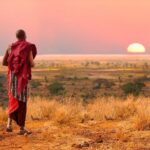
On your way in, you’re traveling across gently rolling Masai plains with scattered acacia trees. You’ll also pass Masai communities in colorful dress along the roadside—walking, riding bicycles, herding cattle, and driving donkey carts. It’s not a staged cultural stop; it’s a reminder that this is lived-in land, not a fenced-off fantasy.
Once in Tarangire, your safari vehicle style becomes part of the story. Because the tour uses an off-road capable approach, you have a better chance of getting to vantage points and terrain features that are harder to reach with conventional set-ups. That can translate into more meaningful sightings, especially when animals are spread out.
What you’re likely to look for:
- large elephant herds (the headline)
- zebra, wildebeest, buffalo, and other savanna species moving through the river-driven ecosystem
Tarangire is also one of those parks where patience pays. The best moments often come when you’re not chasing the loudest commotion, but instead scanning for patterns: tracks, waterlines, and the direction groups are moving.
Lake Manyara: birds, baobabs, and tree-life surprises
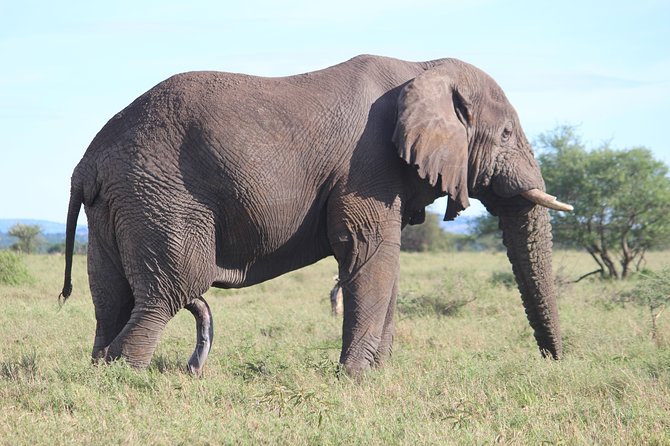
Lake Manyara National Park is smaller than the Serengeti, but it packs diversity. The park name itself comes from the shallow salt lake that covers a large portion of the area. Flooding and drying change the look of the environment with the seasons, and those shifts are what bring the wildlife drama.
A standout here is the birdlife. The soda lake can host thousands of flamingos, along with over 500 other bird species. Even if you’re not a bird person, you’ll feel how “alive” the place is once you start noticing movement—wings, calls, and the way flocks react when vehicles pause.
Beyond birds, Lake Manyara is a wildlife mix:
- monkeys
- giraffes
- zebra and wildebeest
- buffalo
- elephants
- and, with luck, lions lounging in trees
That last bit is the sort of detail that makes people remember a park. You’re not just scanning open grassland; you’re also watching the edges of woodland and the shapes of branches where predators might rest.
The landscapes also shift from open grassy plains to primate-filled woodlands, plus baobab-dotted cliffs. Translation: your eyes won’t get bored. Even if the big cats don’t appear on cue, the environment keeps rewarding attention.
Serengeti National Park: game drives built around the migration calendar
Serengeti is the main stage, and this tour doesn’t cheat by only giving it a half-day. You get two days focused on Serengeti experiences, which gives you more time to match what you’re seeing to what the season is doing.
First, you travel up toward the Ngorongoro Conservation Area, with a view of Ngorongoro Crater before heading into Serengeti. The point of this kind of approach is psychological as much as scenic: you see the scale of the region before you’re inside it, so the park doesn’t feel like a random patch on a map.
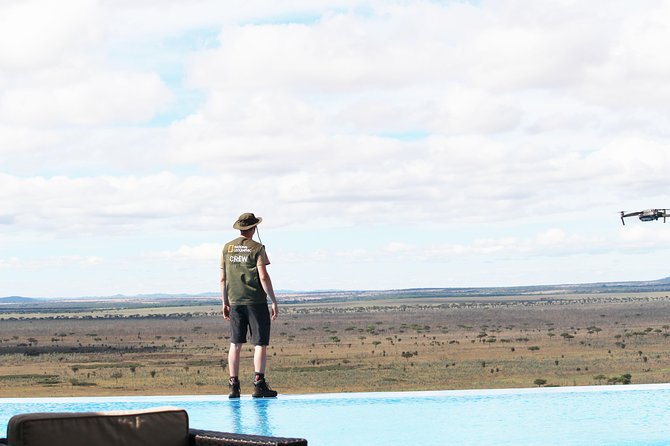
Once you’re in Serengeti, the wildlife logic becomes the star. Serengeti spans about 15,000 square kilometers and includes multiple habitats—grassy plains, swamps, lakes, savanna, and mountain areas. That variety is why you can go from “quiet grassland” to “sudden action” without changing your destination.
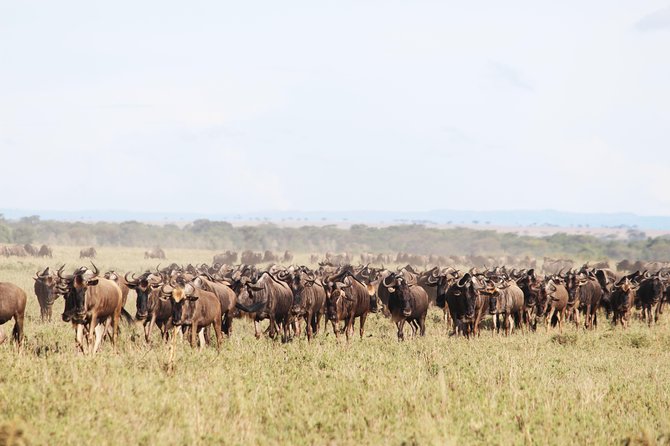
On the second Serengeti day, the focus is game drives with migration movement as the guiding theme. The great migration is driven by rainfall, which means the timing changes year to year. But the tour gives you a seasonal framework that’s useful for setting expectations:
- In November and December, animals move from the northern areas toward the southern grassy plains.
- During the longer rainy season from April to June, they move back toward the north.
So you’re not just hoping for the classic migration spectacle. You’re traveling with an itinerary designed to align with how movement typically shifts across seasons.
Even when migration crowds the headlines, Serengeti is also about resident predators. You might spot leopard, cheetah, and lion, depending on where conditions lead them. And you’ll also see plenty of other animals like impala, buffalo, crocodile, and hippo—especially when you pay attention to water areas and the edges of habitat types.
One practical point: two Serengeti days are a big deal for photography and for animal “pattern recognition.” The more time you have, the more you understand how animals are using the terrain that day.
Ngorongoro Crater day: the drive down and the wall-to-wall wildlife feel
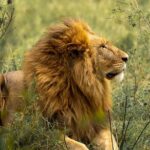
Ngorongoro Crater is the kind of place that can change how you describe Africa after. The crater floor is described as a “forgotten world” behind steep volcanic walls, with sweeping savannah, pockets of acacia woodland, and glistening lakes and swamps.
The crater itself formed when a large volcano exploded and collapsed in on itself millions of years ago. That history matters because it explains the micro-world feel: a contained ecosystem with different habitat pockets close together.
The drive down into the crater is part of the experience, not just the method of getting there. Once you reach the crater floor, you quickly find yourself among large numbers of wildebeest, zebra, gazelle, and more than 500 bird species. It’s concentrated wildlife viewing, which can make the day feel intense—in a good way.
If you’re the kind of person who wants a strong “one-day highlight,” Ngorongoro is that. It’s not only about the number of animals, but the way the crater compresses the action into one setting, so you’re not constantly relocating.
All-inclusive luxury: what’s included, and why it matters
Here’s where this tour earns its premium label. You get:
- private transportation
- all fees and taxes
- breakfast on 7 days
- lunch on 6 days
- dinner on 5 days
- hotel pickup and drop-off
That means your budget is clearer. Park access is included, so you’re not guessing what’s paid on arrival. Meals are built in, so you’re not hunting for food while you’re trying to spot wildlife.
The luxury piece is also practical. Comfortable accommodations, included meals, and a private guide reduce the “dead time” you normally deal with on safari. Instead of breaking the day into logistics chunks, you can treat it like one long session of exploration, with rest where it counts.
One small caution to keep your expectations grounded: the feedback mentions accommodation quality was excellent overall, but one stay called Kitela was not at the same level. If you’re booking with strict standards, ask how the lodge selection works for your exact travel dates.
Vehicle and pacing: private doesn’t mean careless
The tour is private, so you won’t be stuck in a group rhythm. That matters because safari driving is about adaptation. If an animal moves, you adjust. If the wind changes, you adjust. If you see something worth a longer look, you’re not waiting for ten other vehicles to align.
The vehicle is also described as an off-road option that can reach areas traditional vehicles may not. You should expect a more rugged safari feel, even when everything else is polished. Roads in safari country aren’t the same as city streets, so comfort is important, but so is a flexible mindset.
Pacing is another strength. The route moves through distinct ecosystems in a tight loop. That gives you variety without turning the trip into one long day of transit after another. You still travel between regions, but the day-by-day structure keeps the “why” clear.
Price check: is $4,840 per person good value?
At $4,840 per person for about 7 days, this is not a budget safari. The question is whether you’re paying for the experience you actually want.
In this case, you are paying for:
- private transport and private guiding
- included park access (fees and taxes)
- included meals
- hotel pickup and drop-off
- luxury accommodations throughout
When you add those up, the price starts to look less like a random premium and more like a packaged level of convenience. The biggest value is the reduced hassle: fewer moving parts for you to coordinate, less time lost to meetings, and more consistent guiding.
So the value verdict depends on your travel style. If you want to learn by doing, hate logistical friction, and prefer a private guide who can shape the day, this is a strong match.
If you’re trying to stretch your dollars, you’d probably find cheaper safaris. But then you usually trade away the all-in-one comfort and the private attention.
Who should book this safari circuit
This luxury, private Tanzania safari is a great fit if you:
- want serious time in Serengeti, not a quick pass
- prefer a private guide who can adapt the plan
- want the core parks handled in one trip: Tarangire, Lake Manyara, Serengeti, and Ngorongoro
- care about smooth transfers between airport and hotel
It’s also ideal for couples, small parties, or anyone who wants wildlife time without the stress of coordinating multiple suppliers.
If you’re very sensitive to lodge-by-lodge differences, it’s worth checking which property names are booked for your dates since one stop (Kitela) had a lower rating signal compared with others.
Should you book this 7-day premium luxury Tanzania safari?
I’d book it if your priorities are clear: private guiding, off-road safari access, major parks in a tight loop, and a trip that takes care of meals, park fees, and transfers so you can focus on spotting animals.
I’d pause if your main goal is value over comfort, or if you have strict lodge expectations and want to minimize any chance of disappointment at a specific property.
One extra nudge: the guide name Sebastian is specifically praised as excellent. If guide assignment matters to you, ask the provider how guiding works for your dates. In a private safari, that single factor can shape how the whole week feels.
FAQ
What is the price of this tour?
The price is $4,840.00 per person.
How long is the safari?
It’s listed as 7 days (approximately).
Where does the trip start and end?
It starts in Arusha and includes airport pickup on Day 1. It ends with a drive to the airport in the final day (Day 7).
Is hotel pickup included?
Yes. Hotel pickup and drop-off are included, so you don’t have to find a meeting point.
Which parks are included?
The tour covers Tarangire National Park, Lake Manyara National Park, Serengeti National Park, and the Ngorongoro Conservation Area (Ngorongoro Crater).
Are meals included?
Yes. Breakfast is included for 7 days, and lunch and dinner are included on most days (lunch 6, dinner 5).
Are park fees included?
Yes. All fees and taxes are included.
Are international flights included?
No. International flights are not included.
What is the cancellation policy?
Free cancellation is available up to 24 hours in advance for a full refund.
Is this tour private or shared?
This is a private tour/activity, so only your group participates.