REVIEW · ARUSHA
Camping to Serengeti & Ngorongoro Premium Parks
Book on Viator →Operated by Moorland Safari and Trekking · Bookable on Viator
Morning light meets wild animals.
This 3-day safari connects Serengeti National Park with the Ngorongoro Crater in a tight rhythm: early drives, big views, then overnight camping inside or near the action. Two things I really like are the comfort-focused camping setup (tents, mattresses, sleeping bags) and that meals, water, and park fees/taxes are bundled in. The only real caution is simple: day 3 includes a crater drive and then you’ll be heading back toward Arusha for your flight timing, so your day can feel “full,” not relaxed.
In the field, the guide names keep coming up—Nasir, Simba, Steve, and Chedy—along with one theme: they work hard to locate animals and explain what you’re seeing.
One possible drawback: if you’re expecting a lodge-style, do-nothing vacation, this tour is more about getting into the parks early and spending your time on the safari circuits than hanging around camp.
In This Review
- Key reasons this safari works
- Serengeti and Ngorongoro in 3 days: how the safari pace feels
- Starting in Arusha at 6:30: why the morning drive matters
- Serengeti Day: UNESCO plains, the hunt for three big cats
- Serengeti to the Ngorongoro rim: the view that resets expectations
- Ngorongoro crater daybreak: down into the caldera
- Camping comfort inside the parks: what’s included, and what it means for you
- Big Five odds: what to expect, and how to improve your chances
- Price and value: what $815 buys you, and what to budget for
- Languages, group setup, and how to choose your style
- Should you book Moorland Safari and Trekking for Serengeti and Ngorongoro?
- FAQ
- How long is the safari from Arusha?
- What time does the tour start in Arusha?
- Where is the meeting point?
- Do you get pickup in Arusha?
- Which parks are included?
- Are meals included?
- Are park fees included?
- Is this a private safari?
- What languages are available for the tour?
- Is Big Five spotting realistic here?
- What about cancellation?
Key reasons this safari works
- Early 6:30am start from Arusha Clock Tower so you’re in the parks while animals are most active.
- 4WD, opened roof game drives for better sightlines when the action pops up.
- Camping comfort is planned, not improvised: tents, mattresses, and sleeping bags are included.
- Big Five potential is real here, especially on the Ngorongoro crater day when sightings cluster.
- Meals, mineral water, and fees/taxes are included, so you’re not doing surprise budgeting mid-trip.
- Multi-language guiding (English, German, Italian, French, Spanish) makes it easier to follow the wildlife stories.
Serengeti and Ngorongoro in 3 days: how the safari pace feels
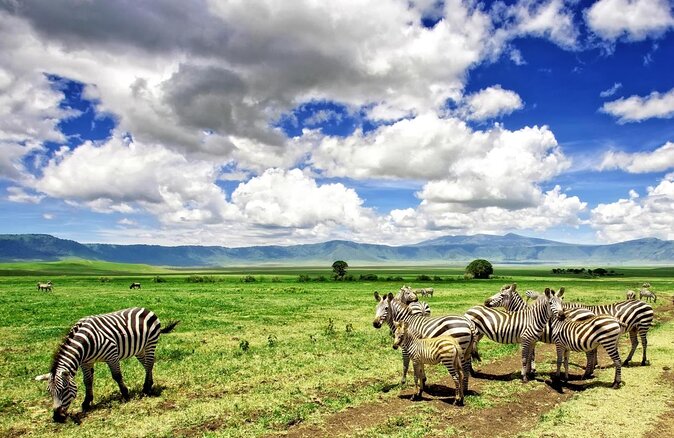
You’re covering two of Tanzania’s most famous wildlife stages in a short window: Serengeti for broad, open-plains wildlife and Ngorongoro Crater for concentrated sightings. The tour runs on a practical rhythm—early departures for game drives, then camp time to reset, eat, and sleep before the next park day.
What makes this combo special is the contrast. Serengeti is all about endless visibility and constant movement across the savannah. Ngorongoro is the opposite: you drop into a giant natural bowl and the wildlife tends to be easier to spot because many species share the crater’s grass steppe and acacia tree areas.
You’ll also get the “story” angle. Serengeti is listed as a UNESCO World Heritage site, and the region’s long connection to grazing land (including the Maasai name for the open plains) is part of the context you’re given on the road.
You can also read our reviews of more tours and experiences in Arusha.
Starting in Arusha at 6:30: why the morning drive matters
The safari meets at Arusha Clock Tower, Clocktower Roundabout, with a 6:30am start. That early timing is a big deal in wildlife country. You’re not racing daylight; you’re using it. The earlier you go, the more likely you are to catch animals feeding and moving before the day heats up and visibility fades.
Transport is in a 4WD with an opened roof, which helps you see and photograph without that “bus window” limitation. For a safari, sightlines are everything—especially when you’re trying to spot cats resting high in trees or animals clustered near water.
If you’re arriving by air, the trip includes airport transfers pick up and return, which reduces the hassle factor. And if you’re staying in Arusha, pickup from town is available, which makes the morning start less stressful.
Serengeti Day: UNESCO plains, the hunt for three big cats
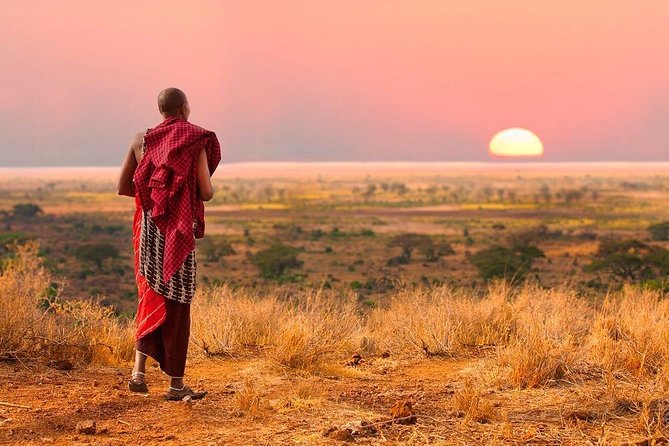
Your first major game time is in Serengeti National Park, reached after leaving Arusha around 06:30. The day is framed around the park’s biodiversity and “open plains” feel—this is where you look out and realize how much wildlife has room to roam.
The best part of Serengeti is that it can surprise you fast. Even when the drive feels quiet for a while (it happens), conditions can flip in minutes: a predator moving across the road, a herd tightening together, or a river edge holding something you didn’t expect.
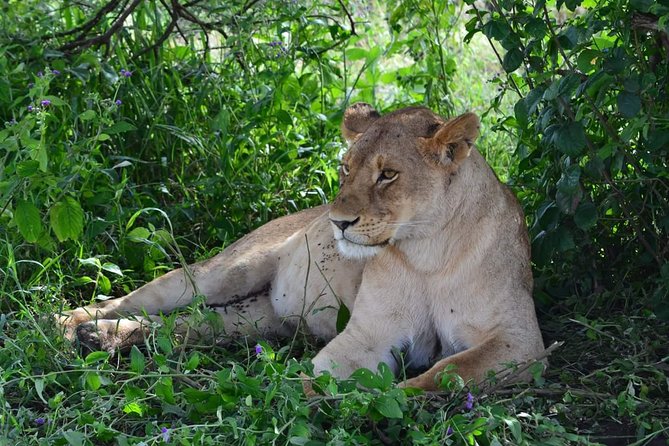
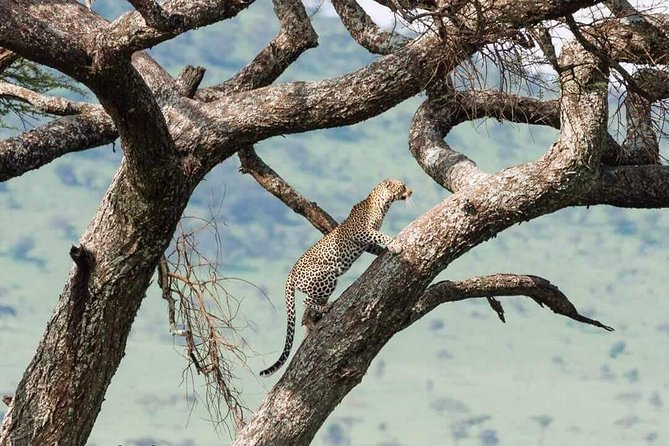
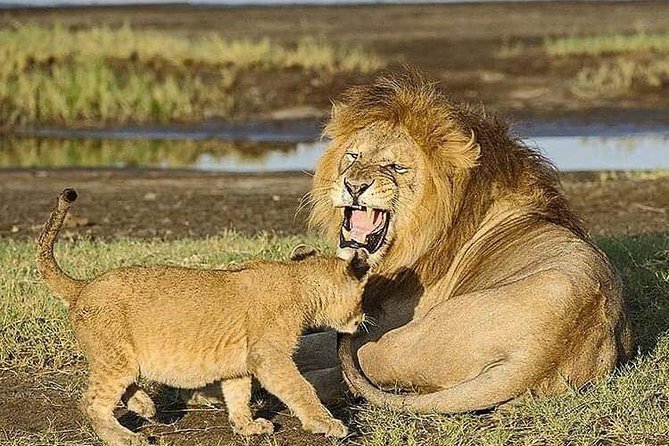
On the second morning, the safari schedule gets more specific. You get another Serengeti game drive and the focus shifts to the big-cat trio. The tour notes that lions are commonly seen, and cheetahs and leopards are possible as well—lions often around kills, cheetahs in the southeastern plains, and leopards sometimes lazing in trees along the Seronera River area.
Practical reality check: spotting every cat you’re hoping for is never guaranteed. But the way this trip is planned increases your chances by giving you more than one Serengeti game-drive window.
Serengeti to the Ngorongoro rim: the view that resets expectations
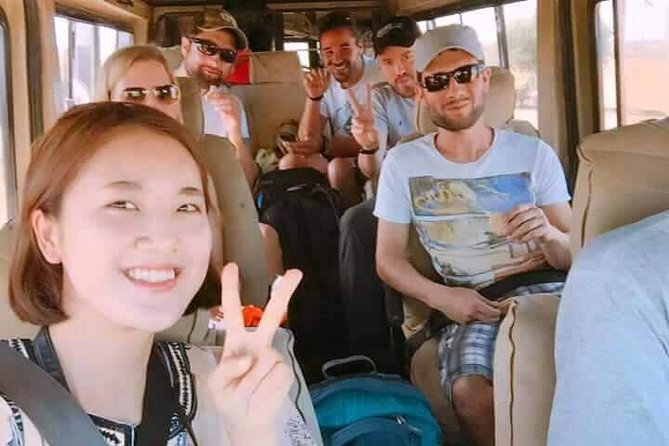
Later on the second day, you head from Serengeti toward Ngorongoro Crater. The key moment is reaching the edge of the crater—that first look down into the natural wonder is part of what makes this route feel memorable.
Why the rim view matters: you’re mentally switching from “wide-open plains” to “concentrated wildlife.” From above, Ngorongoro looks like a stage built for viewing. Once you understand that you’ll soon be descending into grass steppe and acacia wood areas, it becomes easier to spot why different species cluster where they do.
The schedule then takes you to dinner and overnight at a recommended campsite, giving you downtime after a long driving day.
Ngorongoro crater daybreak: down into the caldera
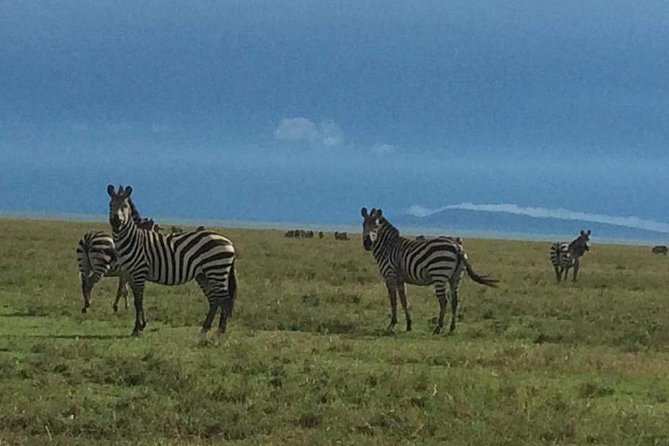
Day 3 starts early with breakfast at daybreak, then you drive down into the crater. Ngorongoro is described as the largest unbroken caldera, and the reason that phrase matters is simple: it’s a contained ecosystem, shaped by geology, with wildlife that often stays closer together than it would across more open country.
Inside the crater, you’re looking at two main habitat types mentioned on the tour: grass steppe and acacia tree woods. That mix influences what you’ll see. Predators often use the open grass for hunting and stalking movement, while other animals may spend time where trees and shade provide cover.
The tour also gives you a very useful guide to the expected animal list: you can find almost all East African savannah species there except topis, Maasai giraffes, and impalas (as stated in the tour details). That kind of “what should be here” framing helps you not get frustrated when you don’t see a particular animal on a particular drive.
The tour’s Big Five upside is strong. It notes that in many cases you can observe lion, elephant, buffalo, rhino, and leopard within a couple of hours. Again, you can’t control sightings, but crater geometry is one of the reasons Ngorongoro is famous for focused viewing.
After the crater drive, you’ll head back toward Arusha for overnight at a hotel, and your return flight is timed either the same night or the next day.
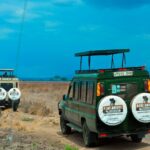
Camping comfort inside the parks: what’s included, and what it means for you
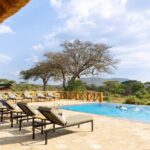
This is a camping safari, but it’s not “rough it” by default. You’re provided tents, mattresses, and sleeping bags, and the tour includes mineral water plus full meals—lunch (3), dinner (2), breakfast (3).
That matters because safari days drain you. If you have decent sleep setup, you wake up ready to scan the horizon for motion and small details. When your time in the parks is tight, rest becomes part of the wildlife experience.
One more thing: camp meals are scheduled around drive blocks. That keeps you from losing daylight to “find food” missions. The tour also points to a cook as a standout (in feedback you’ll see praise for tasty food), so you can expect the meal plan to be taken seriously.
Some people on similar trips have stayed at places like Serengeti Serena Lodge or a Serengeti wild camp, including one account mentioning waking up to sunrise with migrating wildebeests and another describing a close evening encounter with lions. Your actual accommodation choice depends on what’s available in the recommended campsite/lodge mix, but the key point is: you’re meant to be comfortable enough to do another early start.
Big Five odds: what to expect, and how to improve your chances
You can read the phrase Big Five and assume it’s marketing. Here, it’s more grounded than usual because Ngorongoro concentrates animals and because the safari schedule gives you multiple game-drive windows.
What helps the odds on this specific run:
- More than one Serengeti drive before crater day.
- A crater schedule built for early descent, when visibility and animal movement tend to be better.
- Guides who are actively locating wildlife, not just driving routes. Names like Nasir and Simba show up with praise for finding animals and explaining what you’re seeing.
What you should keep realistic:
- Even with strong planning, you might not see all five species. One account mentions seeing only one rhino, for example. That’s not a failure—rhino sightings can be patchy—but it’s a good reason to treat the Big Five as a possibility, not a guaranteed checklist.
- Some days feel slow. Serengeti can be like that—long drives without immediate action—until suddenly the road is alive with animals.
My best advice for the Big Five mindset: focus on what you can control—wake up rested, be patient on the road, and take your cues from the guide when they stop and scan. Predators show up when you’ve already learned how to look.
Price and value: what $815 buys you, and what to budget for
At $815 per person for about 3 days, you’re paying for more than transport. This is where the value math is helpful: the tour includes park fees/taxes, private transportation, professional guides, game driving, and airport transfers. It also covers overnights plus the camping gear (tents, mattresses, sleeping bags).
That bundled approach often saves you from the classic safari pain: paying separately for entry fees, then negotiating meal costs, then realizing your accommodation is a different category than expected.
What’s not included is simple: tips.
If you’re comparing options, don’t just compare nightly rates. Compare the full package: guide time, game driving, park access, and your sleep setup. In this case, the tour is built so you don’t spend your budget chasing logistics during the safari days.
Languages, group setup, and how to choose your style
This safari operates with English, German, Italian, French, and Spanish options, which is a practical quality-of-life detail if you don’t travel comfortably in English.
It’s listed as private—only your group participates—so you should get a more flexible experience than shared-vehicle safaris. You’ll also see mention of group discounts, which suggests pricing can sometimes adjust if you’re traveling with friends or aligning dates.
Who this fits best:
- You want a guided safari where someone else handles the routes and park access.
- You like wildlife enough to handle early starts and full-drive days.
- You’re okay with camping as long as sleeping gear and bedding are provided.
Who might want a different setup:
- You want long downtime in a resort environment. This tour is built around drives, not lounging.
- You’re very sensitive to schedule tightness. Day 3 ends with an Arusha hotel overnight and flight timing.
Should you book Moorland Safari and Trekking for Serengeti and Ngorongoro?
If your goal is a classic Serengeti-to-Ngorongoro experience with strong wildlife viewing potential, I think this is a smart choice. The tour’s value stands out because fees/taxes, meals, water, and park access are included, and you’re not paying extra for basic safari infrastructure.
Book this if you like the idea of opened-roof 4WD game drives, you can handle camping nights, and you want the crater day that often delivers concentrated sightings. Also, the feedback around guides like Nasir, Simba, Steve, and Chedy is a strong signal that animal-finding and explanation are taken seriously.
Skip it (or look closely) if you want a slow vacation pace, or if you’re hoping for a strictly lodge-only comfort level without camping. For most people, though, this 3-day run is exactly the kind of efficient safari that turns a limited time window into a real wildlife story.
FAQ
How long is the safari from Arusha?
The tour duration is about 3 days.
What time does the tour start in Arusha?
The start time is 6:30am.
Where is the meeting point?
The meeting point is Arusha Clock Tower (Clocktower Roundabout), Arusha, Tanzania.
Do you get pickup in Arusha?
Yes, pickup from Arusha is available.
Which parks are included?
You’ll visit Serengeti National Park and Ngorongoro Crater.
Are meals included?
Yes. Lunch (3), dinner (2), and breakfast (3) are included, along with mineral water.
Are park fees included?
Yes. All fees and taxes are included.
Is this a private safari?
Yes. It’s listed as private, and only your group participates.
What languages are available for the tour?
The tour is offered in English, German, Italian, French, and Spanish.
Is Big Five spotting realistic here?
The tour says you may even spot the Big Five with sharp eyes, and it notes frequent Big Five opportunities on the Ngorongoro crater day.
What about cancellation?
You can cancel up to 24 hours in advance for a full refund. Canceling less than 24 hours before the start time means no refund.