REVIEW · ARUSHA
5 Days Best of Tanzania Luxury Safari Northern Circuit
Book on Viator →Operated by Lion King Adventures · Bookable on Viator
Five days, four safari worlds. This Northern Circuit sprint is built for wildlife-heavy viewing with private focus, solid lodge time, and meals included—so you can spend your energy on the animals instead of logistics.
I especially like how the route balances big-show wildlife stops (think Tarangire elephants and Serengeti predator chances) with one truly special geology moment at Ngorongoro Crater. The guide component seems to matter, too—names like Simon, Jackson, Macha, and Shafino show up repeatedly, and their attention to spotting is the difference between seeing a lion and seeing a lion-sized memory.
One drawback to plan for: this is a fast circuit, so you’ll have early mornings and long driving days. And at $3,744 per person, it’s not a budget trip—value depends on how much you care about comfort, timing, and making every day count.
In This Review
- Key safari takeaways before you go
- Why the Northern Circuit works in just 5 days
- Arusha arrival: getting oriented without losing a day
- Tarangire National Park: elephants, baobabs, and the river pull
- Ngorongoro Crater to Serengeti: a huge day, built for variety
- Serengeti National Park: sunrise drives and migration country
- Lake Manyara National Park: birds, primates, and tree-lion odds
- Comfort and guide style: where luxury shows up
- Price and value: what $3,744 really buys
- Who should book this safari (and who should reconsider)
- FAQ
- FAQ
- How long is the safari?
- Where does the tour start?
- What time does the tour start?
- Is pickup included?
- Is this a private tour?
- Which parks are included?
- Are meals included?
- Are park admission tickets included?
- Are flights included?
- What’s the cancellation policy?
- What happens after booking?
- Should you book this 5-day luxury Northern Circuit safari?
Key safari takeaways before you go
- Private group feel means less waiting around and more flexibility for your own pace.
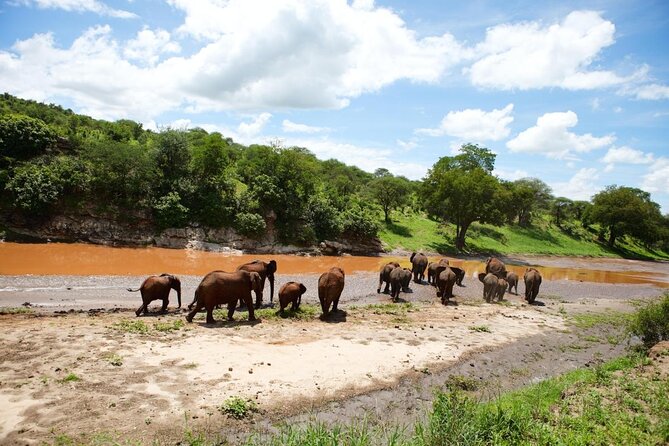
- Open-roof game viewing in Tarangire helps you feel close to the savanna action.
- Sunrise Serengeti timing (around 6:30 a.m.) improves your odds for active animals.
- Ngorongoro caldera variety brings springwater wildlife and high bird counts into one day.
- Lake Manyara is smaller but trickier—woodlands, cliffs, and tree-climbing lion territory can surprise you.
- Meals and lodging included simplify budgeting on a trip this short.
Why the Northern Circuit works in just 5 days
The Northern Circuit is popular for a reason: you can hit very different habitats without changing countries or spending extra days on transit. In this tight 5-day format, you’ll see the “best-of” mix—savanna elephants, volcanic caldera wildlife, Serengeti migration country, and Lake Manyara birds and primates.
I like how the day structure protects your best wildlife hours. You’re not just driving and hoping. You’re usually starting early, then spending the daylight where animals tend to move and feed. That matters on a short safari because time is the one thing you can’t buy back.
Also, the trip is sold as luxury, and the practical version of that is simple: you’ll sleep in multiple nights at hotels and lodges, you’ll have a professional guide, and meals are included. That’s not a small detail when your schedule is intense.
You can also read our reviews of more tours and experiences in Arusha.
Arusha arrival: getting oriented without losing a day
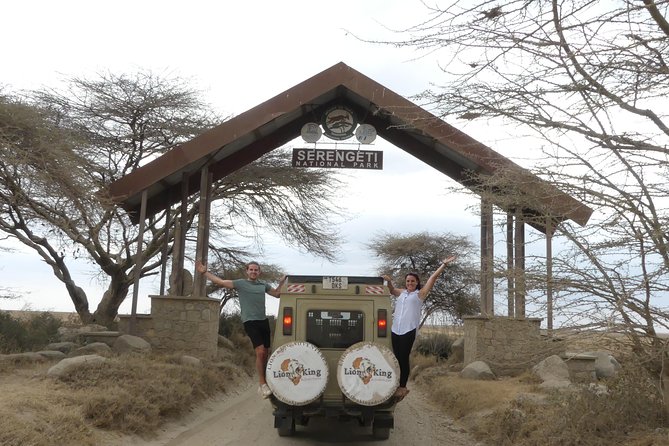
Your safari starts in Arusha with pickup from the airport. You’ll meet a Lion King representative and transfer to your Arusha accommodation, then sleep there before the first park day.
This is the kind of start that protects your energy. If you’re landing mid-day or late, you don’t want to spend your first afternoon wrestling with local transport. With this setup, you can get your bearings fast and save your stamina for Tarangire.
A practical note: the listed start time is 9:00 a.m., so if your flights are messy, plan to contact the operator early. Guides like Simon and Jackson are specifically praised for being patient when arrival timing gets weird—so it’s worth confirming details in advance and keeping your documents easy to access.
Tarangire National Park: elephants, baobabs, and the river pull
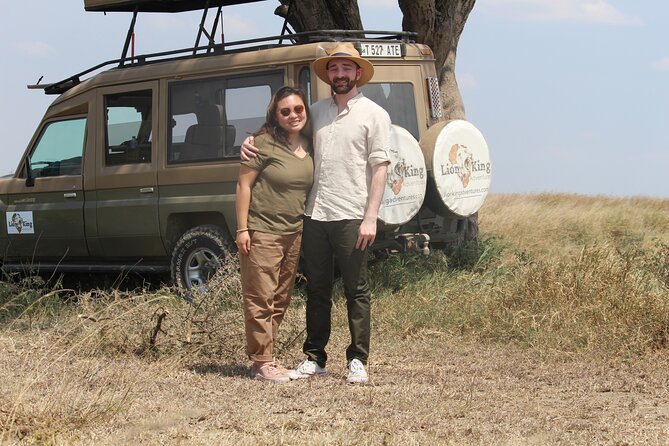
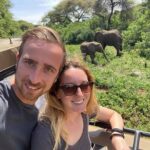
Day 2 is Tarangire National Park, and it’s a smart choice for an early safari day. Tarangire is known for elephant families and for the Tarangire River as a natural gathering point—animals come in when water and food are concentrated. That means better odds for seeing clusters rather than single sightings.
You’ll drive into the park after breakfast (about a couple hours from Arusha). The day’s viewing is done from the open roof of the vehicle, which helps you spot movement and enjoy the fresh-air savanna feel. You’re likely to see giraffe, bushbuck, hartebeest, and common grazers like zebra and wildebeest. And because prey gathers near water, predators often show up later.
The best part of Tarangire is also the most “real Africa” part: the mix of big trees, river rhythms, and animal behavior that doesn’t feel staged. This is also a great day for photography because the scene has strong shapes—baobabs and long savanna lines.
Possible drawback: Tarangire can be hot and dusty. Bring a hat, sunglasses, and something to protect your camera lens. You’ll also want to keep your day bag compact so you can grab water and essentials quickly during stops.
Ngorongoro Crater to Serengeti: a huge day, built for variety
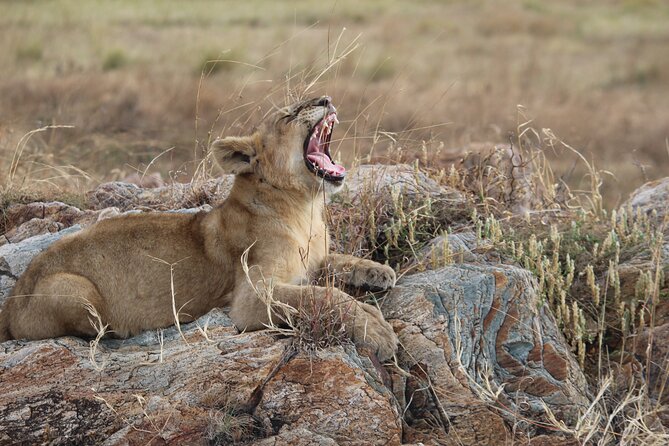
Day 3 starts with an early breakfast and then heads to Ngorongoro Crater, described as the world’s largest volcanic caldera. You’re not just visiting a viewpoint—you’re entering a natural bowl that holds a lot of wildlife in one place. The crater is around 20 km wide and about 600 m deep, and that affects temperature and animal patterns.
This stop matters because it mixes habitats. Springs inside the crater attract animals like wildebeest, gazelles, and reedbucks, plus you get a very strong bird presence (the count is listed as 500+ bird species). If you’re aiming for a “wow” day in a short itinerary, this is the one.
In the schedule, after lunch you shift toward the Serengeti, which is where you start setting up for the big game drives. That handoff is a lot on paper because the day includes both Ngorongoro viewing time and the move to the Serengeti area. But it’s the tradeoff that makes a 5-day circuit possible.
Practical tip: plan for a long day and pack layers. Even in dry seasons, weather can change as you descend and move back up. Your guide will handle the driving, but your comfort depends on what you wear.
Serengeti National Park: sunrise drives and migration country

Day 4 is Serengeti proper, with an early start around 6:30 a.m. The schedule gives you a solid 6–7 hours of game driving. This timing is key: early hours often mean cooler temperatures and animals that are moving more actively—especially when herds are out.
Serengeti viewing in this region is famous because of the migrating herds of zebras and wildebeest. The itinerary notes that where animals are depends on rainfall, which is the honest reality of migration. So don’t treat the Serengeti as one fixed route. It’s a living map, and your guide’s job is to position you where the action is.
You can also expect other species that share the same grounds—impala, buffalo, hippos, and crocodiles are mentioned. Predators like leopards, cheetahs, and lions are also part of the possible sightings, but the real value is that you’re there early enough to catch behavior, not just animals standing still.
What I like for readers here: the day returns you back toward Karatu in time for dinner. That means you’re not stretched so thin that you lose the relaxing part of a safari. You’ll still be tired from early starts, but you won’t feel like you’re sleeping in the car.
Lake Manyara National Park: birds, primates, and tree-lion odds

On Day 5, you finish with Lake Manyara National Park, about 120 km west of Arusha. It’s smaller than Serengeti, but it can be a fun “last day” because it feels different. The park’s namesake is a shallow salt lake that floods and dries with the seasons, and that rhythm drives wildlife and birdlife.
Expect a lot of birds—thousands of flamingos are specifically called out, plus 500+ other bird species. If you’re the type who enjoys wildlife beyond the big cats, this is a great day.
The other key element is variety in terrain and vegetation: you may see primate-filled woodlands, baobab-dotted cliffs, and open grassy areas. Animal highlights mentioned include monkeys, giraffe, zebra, wildebeest, buffalo, and elephants. With luck, you may also see lions lounging in trees—this is one of the reasons Lake Manyara gets recommended as a closer.
After lunch, you head back toward Arusha. Done right, this kind of ending is satisfying because it feels like a finale rather than another rushed transfer day.
Comfort and guide style: where luxury shows up
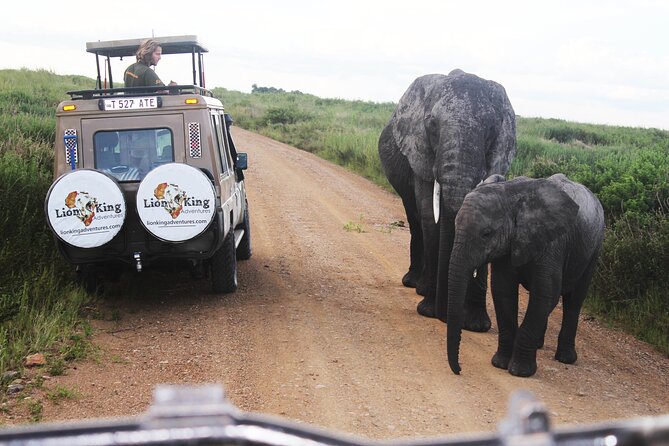
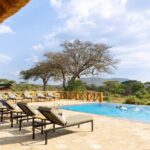
“Luxury” can mean different things on safari, but here it shows up in the basics that actually matter: you get multiple nights in hotels and lodges, you’re never traveling without a professional safari guide, and meals are included (5 breakfasts, 4 lunches, 3 dinners). That last part is practical. If you’ve ever had to hunt for food between parks, you know why meal inclusion is a big deal.
You also get a private setup—your own group only. That usually means fewer compromises and less time wasted on waiting for other people’s pace. It also pairs well with the kind of guide work that makes or breaks animal spotting.
If your guide is someone like Shafino, Yusuph, Immanuel, Nelson, or Benjamin (names that appear in the strong feedback), you’ll likely feel it in the way they drive and scan. The reviews emphasize an eagle-eye approach, and for safari, that’s the difference between driving past and stopping just in time.
Group discounts are listed too, which can improve value if you’re traveling with friends or family.
Price and value: what $3,744 really buys
At $3,744 per person for about 5 days, this is a premium option. The key question isn’t just the total—it’s whether the inclusions reduce the hidden costs that pile up on safari.
Here’s what you’re getting that supports the price:
- Lodging and meals across the trip, including multiple breakfasts and dinners.
- A professional safari guide throughout the key park days.
- Access coverage indicated in the schedule for park entry on the main driving days.
- Private tour restricted to your own group, which can be more cost-effective than you’d expect if you split across travelers.
You’re also paying for the timing decisions. Early morning Serengeti starts and a tight circuit with Ngorongoro in the middle cost time and coordination. If you tried to build this yourself, you’d likely spend extra effort on transfers, permits, and arranging reliable guides.
One caution: flights aren’t included. If you’re adding international airfare and local connections, make sure your overall budget still feels comfortable. The tour itself is plug-and-play once you’re in place in Arusha.
Who should book this safari (and who should reconsider)
This tour is a strong match if you want:
- A short safari with a big hit list: Tarangire, Ngorongoro Crater, Serengeti, and Lake Manyara.
- The best chance of sightings through early starts and a guide who pays attention.
- Comfort upgrades that show up as real time savings: meals included and hotel/lodge nights.
It may be less ideal if you:
- Hate early mornings and don’t want a packed schedule.
- Want deep downtime between parks. This is built for movement and viewing.
- Are trying to keep the trip strictly low-cost. At this price, you’re paying for structure and convenience.
If you’re traveling as a couple, a small family, or a small group that values privacy, the private-only format makes a lot of sense.
FAQ
FAQ
How long is the safari?
It’s about 5 days.
Where does the tour start?
The meeting point is Mount Meru Hotel, Arusha-Taveta Road Sekei Area, Arusha 2673, Tanzania.
What time does the tour start?
The listed start time is 9:00 am.
Is pickup included?
Pickup is offered, including pickup coordination connected to the Arusha arrival process.
Is this a private tour?
Yes. It’s a private tour restricted to your own group.
Which parks are included?
Tarangire National Park, Ngorongoro Crater, Serengeti National Park, and Lake Manyara National Park.
Are meals included?
Yes. Breakfast is included for 5 days, lunch for 4 days, and dinner for 3 days.
Are park admission tickets included?
The itinerary indicates admission ticket inclusion/free access on the park days.
Are flights included?
No. Flights are not included.
What’s the cancellation policy?
Free cancellation is available up to 24 hours in advance for a full refund. If you cancel less than 24 hours before the start time, the amount paid is not refunded.
What happens after booking?
Confirmation is received at time of booking.
Should you book this 5-day luxury Northern Circuit safari?
If your priority is seeing multiple signature northern parks in a tight window, this is an efficient plan. The combination of Tarangire for elephants, Ngorongoro for caldera wildlife variety, Serengeti at sunrise, and Lake Manyara for birds and woodlands is exactly how you maximize sightings in five days.
Book it if you appreciate structure: private group time, a professional guide, and meals that keep you from thinking about food logistics all day. I’d also lean toward it if you value guide skill—your odds improve when someone can spot animals early.
Skip it (or rethink) if you want slow travel, lots of recovery time, or you’re working with a strict budget. For the right traveler, though, this is the kind of safari where the schedule supports the wildlife, not the other way around.