REVIEW · ARUSHA
7 Days Tanzania Luxury Safaris
Book on Viator →Operated by Wildlife Experience Tanzania - Day Tours · Bookable on Viator
One sentence that hits: This is a big-hits Tanzania loop. You get a true “greatest hits” route, from Tarangire’s elephant herds to Serengeti game drives, then a crater day at Ngorongoro, and a cultural finish at Mto wa Mbu. I like that the pace is serious safari time, not constant packing and unpacking.
Two things I really like: the safari drives come with professional guidance and entrance fees handled, so you spend more time watching and less time figuring out details. And the lodging is set up as proper comfort between long drives, including hotel or camp overnights and meals already planned. One drawback to consider: hotel and camp availability can shift, so your exact property names can change even if the experience stays the same.
In This Review
- Key things you should know before you go
- Safari Value Stretch: how this 7-day route gives you maximum sightings
- Day 1 Tarangire National Park: elephants, birds, and baobab scenery
- Day 2 Lake Manyara and a serene lodge stop that keeps you ready
- Days 3–5 Serengeti National Park: the heart of the week
- Day 6 Ngorongoro Conservation Area: crater time with major wildlife drama
- Day 7 Mto wa Mbu: village culture and the wildlife corridor idea
- Lodges, meals, and the included comforts that actually matter
- Guides and hosting: why the names in past trips matter
- Who should book this luxury safari, and who should think twice
- Should You Book 7 Days Tanzania Luxury Safaris?
- FAQ
- Which parks are included in this 7-day Tanzania safari?
- What time does the safari start?
- Are park entrance fees included?
- Is pickup included?
- Is this a private tour?
- What meals are included?
- What’s not included in the price?
- Can I cancel for a full refund?
Key things you should know before you go
- Private group safari: it’s only your group, so you can move at a pace that fits your style.
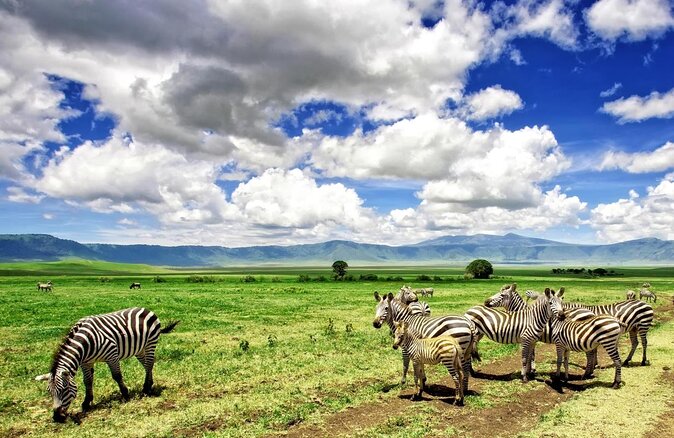
- Big parks in 7 days: Tarangire, Lake Manyara, Serengeti, and Ngorongoro Conservation Area.
- Guides matter here: the operation has standout guides named in past trips like Jude, Justin, Rufus, Freddy, Anwar/Anuary, and Abdullah.
- Planned meals all through safari: breakfasts and dinners are included, plus most lunches.
- A strong culture day: Mto wa Mbu is built around local village life and markets, not just a quick stop.
Safari Value Stretch: how this 7-day route gives you maximum sightings
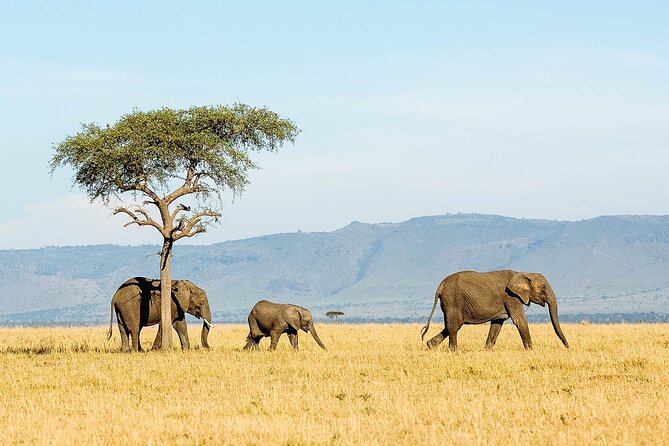
This is a luxury “circuit” safari. That word matters, because the route is designed to hit different ecosystems instead of repeating the same type of wildlife scenery. Tarangire, Lake Manyara, Serengeti, and Ngorongoro each do something different for wildlife and bird life, and that variety keeps the days from feeling repetitive.
Logistically, the itinerary is built around early starts and long game-drive windows. That’s what you want on safari, because animal movement doesn’t run on your schedule. Also, your days are organized with lunch and dinner stops so you’re not stuck hungry in the middle of nowhere.
Now the practical part: the price is $4,351 per person, and it’s not just “a seat in a vehicle.” The package includes park fees and all accommodations, plus guiding, and most meals. That can make a big difference for budget clarity, especially in Tanzania where park entry costs can add up fast.
One more planning note: this trip is commonly booked about 292 days in advance. That’s a sign it’s not just a slow-and-easy option. If you have travel dates that matter (school holidays, specific seasons, honeymoons), you’ll be happier locking plans earlier rather than later.
You can also read our reviews of more tours and experiences in Arusha.
Day 1 Tarangire National Park: elephants, birds, and baobab scenery
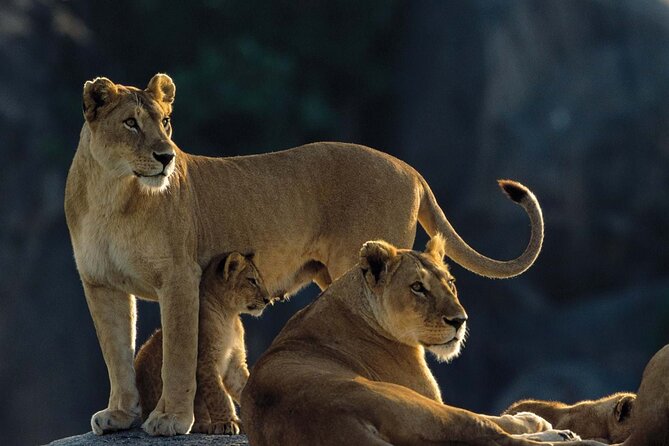
Your safari starts in Tarangire, with pickup from your hotel or from Kilimanjaro or Arusha Airport around the morning drive. You’ll begin game viewing soon after arrival, then stop for a picnic lunch inside the park. After lunch comes another game drive session, which is the right way to do Tarangire: mornings often feel active, and afternoons can turn into bird-and-herd time.
Tarangire is known for large elephant presence and big concentrations of wildlife around water and feeding areas. It’s also famous for baobab trees, which you’ll notice right away because they look like they were planted by a sci-fi set designer. If you like wildlife and also like dramatic natural features, this park is a strong opener.
What to consider: Tarangire is a full day, meaning you’ll do plenty of time in the vehicle. Luxury doesn’t remove the fact that safari drives take hours. The upside is you’ll have real viewing time rather than a rushed checklist.
Day 2 Lake Manyara and a serene lodge stop that keeps you ready
After breakfast, you head to Lake Manyara National Park for another day of game viewing. The itinerary highlights the kind of vegetation and forest-edge feel that makes this area different from the open-plains look you associate with Serengeti. You’re also told to watch for baboons and blue monkeys, and for a special behavioral note: tree-climbing lions are part of the Manyara story.
End of day is built around comfort at Lake Manyara Serena Hotel for dinner and overnight. That hotel stop matters for one reason: it resets your body for the Serengeti stretch. If you’re doing multiple parks, the “rest between drives” is what keeps the whole week enjoyable instead of tiring.
Potential drawback: Manyara can be a little more weather-and-light dependent than some parks. If the conditions are flat or dusty, you may want your guide to work harder for sightings. The good news is you’re traveling with a pro team and you’re not on your own.
Days 3–5 Serengeti National Park: the heart of the week
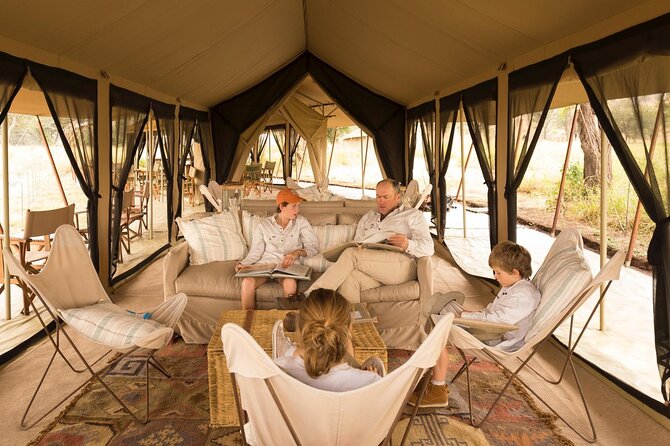
Serengeti is where the trip earns its reputation. You’ll spend several days here with morning and afternoon game drives. That rhythm is important. In the morning, animals often feel more visible and active. In the afternoon, you can catch different movement patterns and different temperatures in the vehicle, and that second drive often gives you the best chance to see predators.
On Day 3, you depart for Serengeti with a game drive along the way and a picnic lunch. You’re also given an option to include a stop at Olduvai Gorge or a Maasai village (if you choose that add-on). Then you check in at Serengeti Heritage Luxury Camp for dinner and overnight.
Days 4 and 5 are your heavy viewing blocks in Serengeti. The plan is flexible in the field: you can do long days with picnic lunches where game locations dictate, or you can return for a hot lunch and go out again. That flexibility is more valuable than it sounds. Serengeti rewards patience, and a fixed schedule can force you to leave when the action is actually happening.
Day 5 becomes the transition day. After early breakfast and a game drive en route, you arrive for dinner and overnight at Ngorongoro Serena Lodge in the highlands area.
What I like about the Serengeti setup: it avoids the common mistake of “one good drive and done.” You get multiple tries at the same ecosystem, which is how safari realism works. Some days are bright and easy; some days take effort. A multi-day base is what lets your chances even out.
Day 6 Ngorongoro Conservation Area: crater time with major wildlife drama
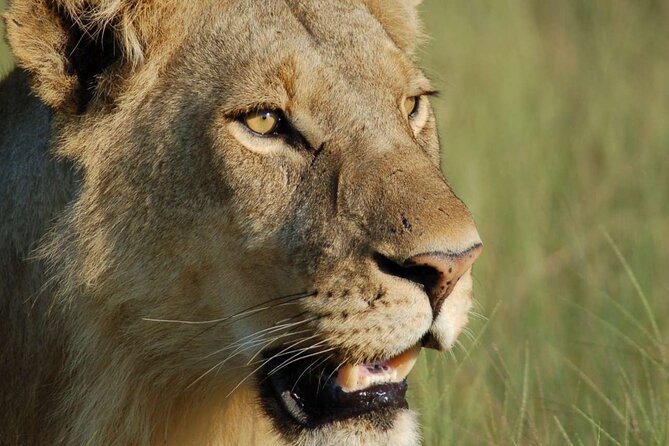
Day 6 brings the big one: a crater game drive at Ngorongoro Conservation Area. You’ll start with an early breakfast and then head to the crater for game viewing. The plan describes wildlife movement in and out, with over 30,000 animals mentioned as part of the crater’s cycle, and notes that a small number of rhino still remain in the area.
This is also where your guide’s instincts matter most. In a landscape like this (yes, the crater walls are literally dramatic), animals can be positioned in ways that are easy to miss from a distance. Your job is to look; their job is to place you.
After the crater, the itinerary transfers you to Hando Coffee Lodge for dinner and overnight. That stop gives you a calmer evening after the intensity of crater viewing. It’s also a nice contrast: you shift from “all action all day” to a more lodge-centered rest before your village day.
Day 7 Mto wa Mbu: village culture and the wildlife corridor idea
You end with a lighter day: an easy breakfast, then a visit to Mto wa Mbu Village. The program describes it as home to 120 tribes, and it frames the town as a crossroads of languages, agriculture, markets, art centers, workshops, and local eateries. It’s one of those places where you’re not just seeing a cultural performance; you’re spending time in the rhythm of everyday life.
You’ll also hear the idea that Mto wa Mbu sits along wildlife paths used by many animals. Even if you don’t see animals every moment during your walk, it’s a useful lens for understanding how people and wildlife share space.
What to consider: this day is culture-heavy rather than wildlife-heavy. If you still want maximum animal time, you might feel like Day 7 is too “soft.” But as a finale, it works well. The safari week can be emotionally intense. A village day gives you a different kind of memory.
Lodges, meals, and the included comforts that actually matter
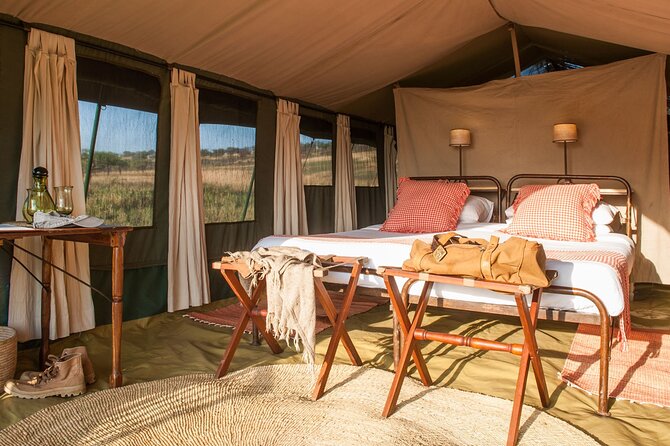
This package is built around luxury accommodations and meal structure. You have all accommodations included, with breakfast 6 times and dinner 6 times, plus 7 lunches across the week. That’s a practical win. Safari days have long hours; knowing meals are taken care of reduces stress fast.
The inclusions also cover free soft drinks, house wines, and light beer, plus water during safari. That’s not just a perk. On long drives in the sun, the small comfort stuff helps you stay alert and enjoy the day.
There’s also game driving with pro guides, and admission fees are included on the safari days listed. Since you’re paying for park access anyway, it’s a cleaner value equation than a “pay as you go” style trip.
Not included is also clear: tips for your driver-guide, alcohol or personal items beyond what’s listed, expenses of personal nature (like passport or border pass costs), and local flights. If you’re the type who always wants a fully settled tab, plan a realistic amount for tips and personal purchases.
Guides and hosting: why the names in past trips matter
One of the strongest signals from the operation’s feedback is consistent praise for human performance. Hosts named in past experiences include Damas as an organizer, and guides named across different trips include Jude, Justin, Rufus, Freddy, Mathias, Anwar/Anuary, Abdullah, and Kileo. You’re not just hiring a vehicle; you’re hiring someone who can find animals, read behavior, and keep you safe and comfortable in long driving days.
You’ll also notice a focus on hospitality details: hosts arranging lodge stays, making sure arrival timing works, and keeping the week running smoothly. Even when camp availability changes, the operation’s reputation suggests they manage that shifting reality without derailing the core safari plan.
A practical tip: on the first morning, ask your guide what they’ll prioritize based on current conditions. A good guide should be able to explain the strategy in plain language. If they can’t, that’s a sign to ask more questions.
Who should book this luxury safari, and who should think twice
This trip is a great match if you want:
- Multiple parks in one week without planning your own logistics
- Luxury lodging as a real part of the value, not a thin add-on
- A safari week where meals, park entry, and guiding are handled
- A private experience that fits families, couples, or friend groups
It’s not ideal if:
- You want a lot of downtime and short driving days. This is safari time first.
- You’re okay with DIY details and lower-cost approaches. This is premium, with comfort and fees rolled in.
- Your schedule is strict and inflexible. Even with a solid plan, lodge availability can change the exact property names.
If you’re traveling as a couple or honeymoon group, the “romance with wildlife” vibe fits well because the itinerary balances intense drives with proper lodge recovery time. If you’re traveling with family, the private setup and structured meals can reduce stress, as long as everyone is comfortable with early mornings and long days.
Should You Book 7 Days Tanzania Luxury Safaris?
I’d book it if your priority is a smooth, high-comfort safari that hits Tarangire, Lake Manyara, Serengeti, and Ngorongoro in one week with guiding and entrance fees handled. The price can make sense because the package covers the big cost drivers: accommodations and park access. The multi-day Serengeti approach is also a smart way to improve your odds of great sightings.
I’d think twice if you’re sensitive to early starts or long hours in a safari vehicle. And if you have strong preferences for specific hotels or exact lodge names, understand that availability can change.
If you decide to go, do this: contact the operator before finalizing and confirm what lodges/camps are expected for your dates, then ask your guide team how they plan to handle the kind of sightings you care about most (predators, elephants, birds, or rhino). That’s how you turn a luxury package into a personal safari.
FAQ
Which parks are included in this 7-day Tanzania safari?
The safari covers Tarangire National Park, Lake Manyara, Serengeti National Park, and Ngorongoro Conservation Area, with a final cultural visit to Mto wa Mbu Village.
What time does the safari start?
The tour start time is listed as 9:00 am, and Day 1 pickups are described around 8:35 am from your hotel or from Kilimanjaro/Arusha Airport.
Are park entrance fees included?
Yes. Admission tickets/park fees are included for the safari days listed, and the tour includes all fees and taxes.
Is pickup included?
Yes. Free airport transfers are included, and pickup is offered from your hotel or from Kilimanjaro or Arusha Airport.
Is this a private tour?
Yes. It’s described as a private tour/activity, meaning only your group participates.
What meals are included?
The package includes breakfast (6), lunch (7), and dinner (6), all as part of the tour.
What’s not included in the price?
Not included: tips for your driver-guide, alcohol or personal items beyond what’s listed, personal expenses (like passport/border pass costs), and local flights.
Can I cancel for a full refund?
Yes. Free cancellation is offered if you cancel up to 24 hours in advance of the experience start time for a full refund.