REVIEW · POKHARA
Pokhara to Kathmandu Premium Sofa Bus Ticket
Book on Viator →Operated by New Road Travels and tours pvt ltd · Bookable on Viator
This is one of those cheap trips that still feels like a proper upgrade: premium sofa seats, bottled water, and a river-run route that makes the hours pass. I like that the bus keeps things simple with a small group size (max 30), plus only a couple of planned breaks instead of constant random stops. You also get the practical bonus of a mobile ticket, so you can handle check-in without chasing paper.
The trade-off is real: timing can slide. You start at 6:45 am, but if there’s an operational snag or delays on the highway, your arrival time can drift—sometimes noticeably.
In This Review
- Key Things I’d Watch Before You Go
- What You’re Really Booking for $11
- Seats, Capacity, and Mobile Ticket Reality Check
- The 6:45 am Start: How the Day Begins
- The Route Experience: River Views and a Driver’s Job
- Planned Stops: Jamune Breakfast and Kurintar Lunch
- Comfort vs. What Can Go Wrong on Road Trips
- Who This Bus Suits Best (And Who Should Consider Alternatives)
- Value Check: Does $11 Make Sense?
- Tips to Make Your Morning Smoother
- Should You Book It?
- FAQ
- How long does the Pokhara to Kathmandu bus ride take?
- What time does the bus start?
- Are bottled water and snacks included?
- Where are the planned stops for food?
- Does the bus make many stops along the highway?
- Is this bus meant for tourists only?
- What age range is allowed?
- What is the maximum number of passengers on each bus?
- Is the ticket digital?
- Can I bring a service animal?
- Is this experience refundable if I cancel?
Key Things I’d Watch Before You Go
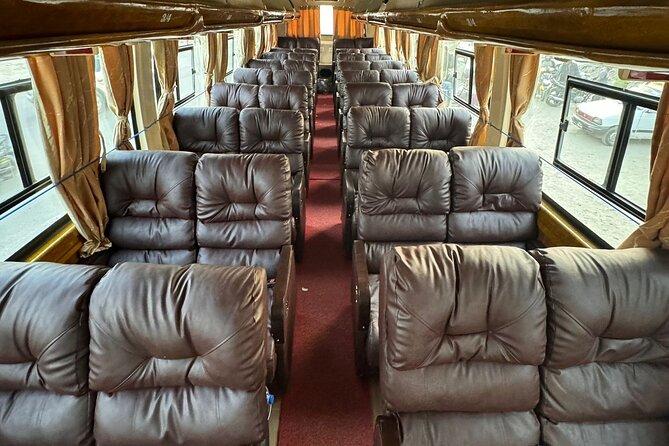
- Reclining sofa seats: built for long-haul comfort, not cramped positioning.
- Bottled water included: one less thing to pack for the ride.
- Only 3 planned stops: breakfast and lunch are short and structured.
- Max 30 passengers: fewer people usually means less seat-jockey chaos.
- River views are part of the deal: the route can include spots where rafters are visible.
- Delays happen on the highway: road incidents can stretch the trip beyond the fastest estimate.
What You’re Really Booking for $11
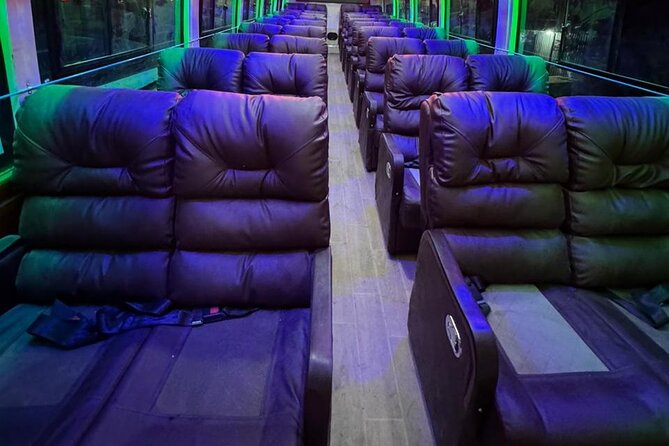
For $11 per person, you’re not paying for luxury. You’re paying for a smoother way to get between Pokhara and Kathmandu without the full-on grind of constant stops and squeeze-your-bag chaos. And in Nepal, road time is road time—so the main question is how comfortable you’ll be when you’re trapped in a seat for 6–8 hours.
This is sold as a premium sofa bus option, and that matters. Sofa-style reclining seats usually help in two ways: you can actually rest, and your body doesn’t rebel as badly when the ride gets bumpy. I also appreciate the inclusion of bottled water. It’s small, but it’s one of those details that makes a long morning feel less uncertain.
You should still go in with realistic expectations. Highway conditions, vehicle changes, and unpredictable slowdowns are part of overland travel here. The bus company can promise comfort, but the road can still add surprises.
Seats, Capacity, and Mobile Ticket Reality Check
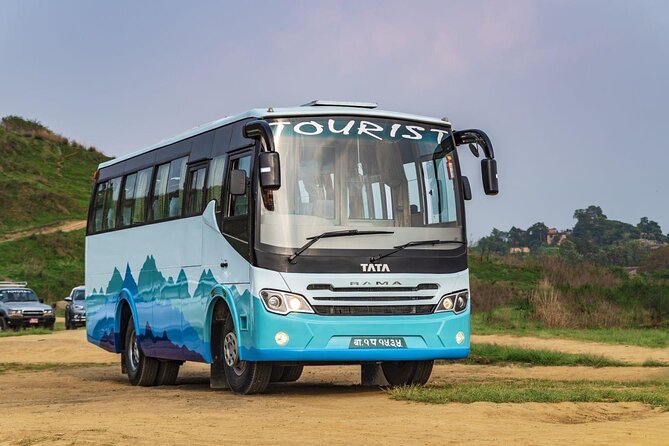
This bus caps at 30 passengers, and that’s a meaningful difference. When a vehicle isn’t overcrowded, you’re less likely to end up in a sad seat compromise, like being moved close to other passengers. You may still get asked to adjust seating for practical reasons, but a smaller cap gives the operator more flexibility to keep things civilized.
The ticket is mobile, which is easy—just keep it ready on your phone. I’d also take a screenshot or download it offline if you can, because connections can be inconsistent.
Age range is 6 to 75, and service animals are allowed. If you’re traveling with a child, this age range suggests the operator is aiming for family-friendly logistics rather than a strict adult-only crowd. Still, remember this is a road ride. Pack patience and an easy-to-reach snack for the moments when the bus isn’t moving and your energy has nowhere to go.
The 6:45 am Start: How the Day Begins
The start time is 6:45 am, and the activity ends back at the meeting point. Plan your morning like you would for any bus transfer: arrive with buffer time, not right on the dot.
Why this matters: overland schedules are vulnerable to last-minute operational issues. Even if your ticket is confirmed, things can shift on the day—like the bus being swapped or the departure running later than expected. If you’re the type who hates waiting, you’ll want to factor in stress time early, especially around the busy morning window.
Also note the timing structure. The ride is listed as about 6–7 hours, but it can be 7–8 hours depending on highway conditions. When the route gets delayed, it’s usually not a slow, leisurely delay. It’s more like stop-and-start time that stretches the whole day.
The Route Experience: River Views and a Driver’s Job
This isn’t a local bus that stops for anyone waving. The route is designed for the paying passenger experience: fewer informal pickups, and more predictable breaks.
Along the way, you travel along a river and may spot river rafters. That’s a nice touch because the Pokhara region is tied to outdoor water fun, and it gives your ride a story beyond just highway miles. You’ll also get the kind of changing countryside views that make a morning feel less monotonous—especially when you can settle into the seat and actually rest.
The driver is the safety key here. The service is positioned as a place where the driver gets you to your destination safely, which is what you want to hear—but it’s still your job to stay alert to your own comfort. Bring layers. Buses can swing between cool air conditioning and warm stretches, and you’ll feel it during a long morning.
Planned Stops: Jamune Breakfast and Kurintar Lunch
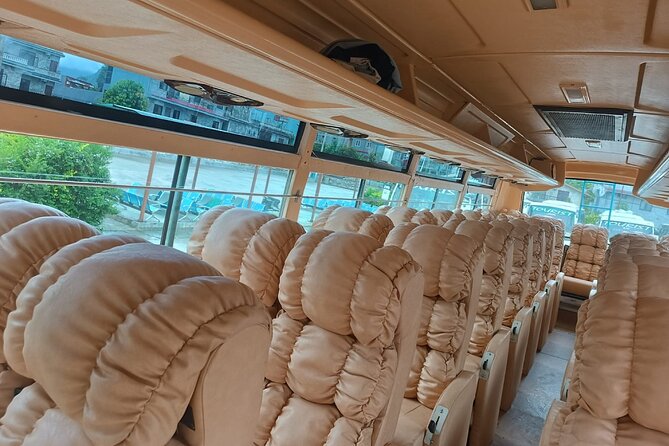
Here’s where your time gets carved up, and it’s pretty straightforward.
Breakfast stop (Jamune area): 20 minutes
This is a quick break. You’re not meant to take a full walk-around. You’re meant to eat something, use the bathroom if you need it, and get back on the bus with minimal fuss. The good part: you get a beautiful riverbank view while you eat. Even with only 20 minutes, that scenery makes the stop feel less like a checkpoint and more like a brief pause.
Lunch stop (Kurintar area): 30 minutes
Lunch gets a bit more time, still short enough that you won’t have time for an extended detour. The value is the setting: again, you’re eating with a riverbank view, and the food options are described as hygienic. Still, you should treat this as a buy-your-own-meal stop. Your ticket covers transport, not lunch.
No extra random stops for local passengers
This is important. Fewer informal stops usually means fewer surprises to your schedule. It also tends to mean less time spent loading and unloading people whose stops are unrelated to your plan.
A quick tip: if you’re picky about seat comfort, take note early when you board. During short stops, the bus staff may need to adjust positions so everyone can exit and re-board efficiently.
Comfort vs. What Can Go Wrong on Road Trips
I’m going to be direct here. This trip can be smooth and comfortable. It can also be messy.
From the reality of overland bus service, the biggest complaints tend to fall into a few categories:
- Departure delays after an expected 6:45 am start
- A bus swap that changes the seat look versus what you expected
- Occasional seating adjustments once the bus fills
- In worst-case scenarios, serious behavior issues by staff at stops
I can’t sugarcoat that last one. If the driver’s behavior makes you feel unsafe, your best move is to alert the operator immediately rather than waiting it out. Road travel is supposed to be controlled and professional. You deserve a ride where that’s true.
That said, the better side of the experience is clear. The company provides bottled water, uses reclining sofa seats, limits the headcount to 30, and sticks to planned breaks rather than constant highway chaos. If you want a more comfortable ride than the typical budget buses, this is aimed directly at that goal.
Who This Bus Suits Best (And Who Should Consider Alternatives)
This works best if you:
- Want an economical way to travel between Pokhara and Kathmandu
- Appreciate reclining seats and bottled water included
- Prefer predictable breaks (breakfast and lunch only) rather than endless stops
- Are traveling in the supported age range (6–75)
If you’re traveling with a child, the short stops can be helpful, but you should still be ready for the fact that there’s limited time to stretch. Keep a small bag of essentials within reach: water bottle if you want extras (they provide bottled water, but you may still want your own), wet wipes, a light snack, and something for motion sickness just in case.
If you’re highly sensitive to schedule changes, then build in buffer time for possible delays on the highway. And if you’re seat-obsessed—window only, aisle only—know that seating can be adjusted. With 30 passengers, it’s less likely to be a total free-for-all, but it’s not guaranteed that your first choice will survive the boarding process unchanged.
Value Check: Does $11 Make Sense?
Let’s talk value, because this is the core reason people choose it.
You’re paying $11 for a bus that’s described as premium sofa seating with bottled water included. That combination can be great value if:
- You actually get the seat comfort you were expecting
- The bus leaves close to schedule
- You don’t face major delays
Where value dips is when delays or seat swaps change your experience. The ride still gets you from Pokhara to Kathmandu, and it still includes bottled water, but you might feel like you paid for one thing and received another.
Here’s my practical way to decide: if you’re flexible on timing and you want the cheaper “premium” option rather than a higher-priced private transfer, this can be a solid deal. If you need a strict arrival time for a hotel check-in, meeting, or next-day tour pickup, you’ll want a bigger cushion or a different transport plan.
Tips to Make Your Morning Smoother
I’d do these simple things to protect your comfort:
- Arrive early for the 6:45 am departure. Not just to be punctual, but to reduce the chance of stress if the bus runs late.
- Bring a layer. Long rides mean you might cool down even if it’s warm outside.
- Plan meals as on-your-own. Breakfast is 20 minutes and lunch is 30 minutes. Move fast.
- Keep your mobile ticket ready offline if possible.
- Use the bathroom during the stops. You won’t have much time for extra breaks beyond the planned ones.
And one more: if you care about where you sit, settle in quickly once you board, and don’t assume it will stay exactly as you prefer after any operational adjustments.
Should You Book It?
Book it if you want a low-cost overland ride with reclining sofa seats, bottled water included, and only two meaningful breaks for food. This is a good match for most people who simply want a comfortable, efficient way to travel between Pokhara and Kathmandu.
Skip it (or at least reconsider) if:
- You have a tight schedule and can’t absorb delays beyond 6–7 hours
- You expect the exact seat look from photos every time
- You’re traveling with strong mobility needs that make seat swaps or short stops harder
If you do book, treat it like a road trip: stay flexible, arrive early, and focus on getting comfortable rather than expecting perfection. For $11, that’s the mindset that turns this bus ride from a risk into a reasonable plan.
FAQ
How long does the Pokhara to Kathmandu bus ride take?
It typically takes about 6 to 7 hours, but you should allow for 7 to 8 hours depending on highway conditions.
What time does the bus start?
The start time is 6:45 am.
Are bottled water and snacks included?
Bottled water is provided on the bus. Services like meals are not listed as included.
Where are the planned stops for food?
There’s a breakfast stop in the Jamune area (20 minutes) and a lunch stop in the Kurintar area (30 minutes).
Does the bus make many stops along the highway?
No. It makes stops in only three places total, with breaks mainly for breakfast and lunch.
Is this bus meant for tourists only?
It does not stop for local passengers who wave to board. It’s operated as a tourist bus service.
What age range is allowed?
Ages 6 to 75 are allowed.
What is the maximum number of passengers on each bus?
The maximum is 30 travelers on each bus.
Is the ticket digital?
Yes, the ticket is described as mobile.
Can I bring a service animal?
Service animals are allowed.
Is this experience refundable if I cancel?
No. The experience is non-refundable and cannot be changed for any reason.