REVIEW · ARUSHA
Big Five Luxury 7 Days Safari Tour in Arusha
Book on Viator →Operated by Tanzania Wildlife Adventures · Bookable on Viator
The Big Five are the headline here, and the route is tight. This 7-day safari from Arusha strings together Tarangire, Serengeti, Ngorongoro, and Lake Manyara in a way that keeps your game drives focused and your sleep spots well planned.
I especially like the emphasis on good guiding—multiple guides associated with this operator are described as highly informed and able to work hard for long hours in the field. I also like that lodging is described as beautiful and quiet, with some stops inside parks and others outside them, so you’re not constantly burning time in transit.
One consideration: you’ll spend a lot of time in the car, including long driving days between parks. If you’re the type who hates early starts or long bumpy rides, this circuit may feel like a grind rather than a slow holiday.
In This Review
- Key highlights you’ll care about
- Big Five on a tight 7-day circuit from Arusha
- Springlands Hotel + airport transfer: your first easy win
- Tarangire National Park: elephants, long sightlines, and a calm night at Highview
- Serengeti via Olduvai Gorge: switching from river country to migration country
- Full Serengeti day: kopjes, predators, and time for repeat sightings
- Ngorongoro crater descent: black rhino odds on a defined “real bowl”
- Lake Manyara in the afternoon: a quieter close to the big loop
- Your final morning in Arusha before the flight out
- Guides, vehicles, and the max-6 advantage in the bush
- Hotels and meals: why “quiet” is part of the safari plan
- Price and value: what $2,992 covers and what you still need to budget
- Who this Big Five luxury safari suits best
- Should you book this 7-day Big Five safari?
- FAQ
- How long is the Big Five luxury safari?
- Where does the tour start and what happens on arrival?
- Which parks and areas are included?
- Is this tour focused on seeing the Big Five?
- What meals are included?
- Are flights included in the price?
- How many travelers are on the tour?
- What is the cancellation policy?
- What vehicle style should I expect?
Key highlights you’ll care about
- Max 6 travelers keeps the safari feeling personal and flexible.
- Big Five targets with Ngorongoro as the starring “black rhino” moment.
- Serengeti + wildebeest migration country means the scenery and animal activity can be dramatic.
- Olduvai Gorge en route adds a meaningful stop on the way to Serengeti.
- Ngorongoro crater specifics (600m deep, 16km across) help you understand why the game viewing can be intense.
- Meals are largely handled (breakfast daily, plus lunch and dinner on most days), so you’re not hunting for food after drives.
Big Five on a tight 7-day circuit from Arusha
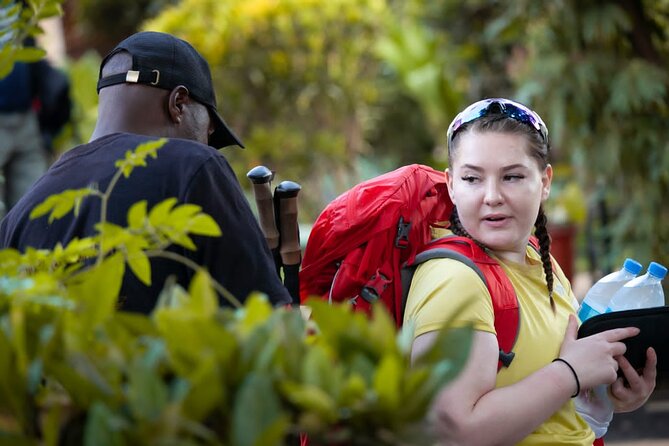
This is a classic East African circuit designed to do something many people struggle with: see the “best-of” savanna without wasting days backtracking. You’re moving across different ecosystems—river country, open grassland, crater floor, and lakeside habitat—so your odds of interesting wildlife and varied scenery stay higher than a one-park itinerary.
The tour is built around a simple logic: plan enough time in the right places to hunt for Big Five animals, then use the changing scenery to keep the experience feeling fresh. You’re not just “driving around and hoping.” The pacing is structured around major game-viewing zones.
Also, the tour says safety is a priority, and the operator describes “good guides with sufficient knowledge,” plus hotels that aim for tranquility. In a safari context, that matters. You want someone watching the road, reading animal behavior, and keeping your day organized.
You can also read our reviews of more tours and experiences in Arusha.
Springlands Hotel + airport transfer: your first easy win
Day 1 starts with your arrival at Arusha airport. After customs, you’re meant to look for the Tanzania Wildlife Adventures driver holding a sign with your name. From there, it’s a straightforward transfer to Springlands Hotel (or a similar option).
Why I think this matters: the first day in safari trips often goes sideways—lost luggage, confusion at arrivals, or long waits. Here, the plan is clean and direct: get you to a hotel for rest before the game-drive push begins.
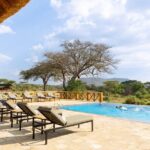
Springlands Hotel is described as the default overnight with breakfast included. That gives you one less thing to think about on arrival day. And if your flight lands late, the fact that the next day is “just” Tarangire game driving (not a chaotic schedule) helps you adjust without stress.
Tarangire National Park: elephants, long sightlines, and a calm night at Highview
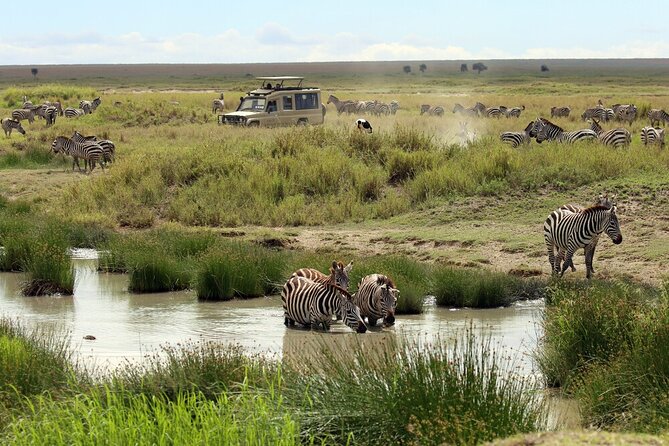
Day 2 is your first proper game-drive day in Tarangire National Park, starting from Springlands Hotel. The plan is a day out in the park, then an overnight at Highview Hotel (or similar).
Tarangire is a great early stop because the animals often feel concentrated in the right areas, and the day can deliver big “wow” moments fast. One of the most consistent safari satisfiers is seeing elephants in volume—more than one or two, but real groups moving through the habitat.
From the tour’s own framing, this part is about a serious game drive. You’re out for hours, and the overnight base is meant to be comfortable and quiet after the intensity. That quiet is not a luxury detail—it’s recovery time. You’ll likely be watching wildlife for long stretches, and you’ll want a place that helps you sleep.
Possible drawback here: Day 2 is long. Expect long sitting time, with the heat and dust doing their thing. Bring water, protect your skin, and plan for a “safari posture” that doesn’t turn into a sore-neck contest.
Serengeti via Olduvai Gorge: switching from river country to migration country
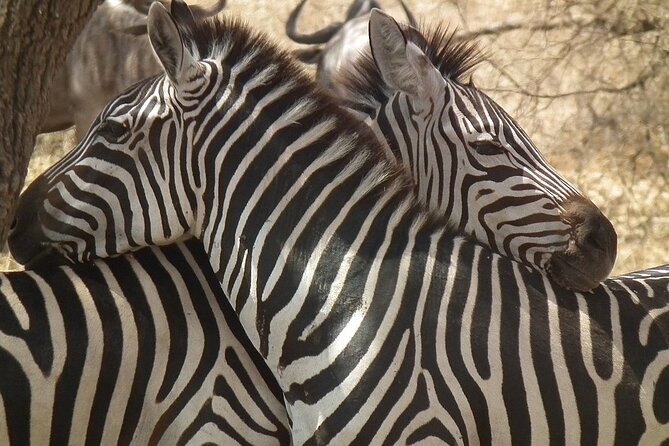
Day 3 is the move to Serengeti National Park, going via Olduvai Gorge on the way. You then overnight at Serengeti Wildcamp (or similar).
This day is important because it sets your “lens” for the next two days. Tarangire often feels like a world of its own; Serengeti feels open and expansive. Even if you don’t see every animal you dreamed of, the scale can hit you hard—in a good way.
The Olduvai Gorge stop is built into the transfer, so it’s not an extra detour you have to fight for. In practice, that means you’re still on schedule and you don’t lose the day to side trips.
Where this gets real for animal lovers: the plan explicitly leans into the Great Wildebeest Migration era. That’s not a promise of a perfect sighting, but it does mean your timing and route are aligned with one of the most famous wildlife spectacles on Earth. And when conditions line up, the Serengeti can feel like a living movie set.
Full Serengeti day: kopjes, predators, and time for repeat sightings
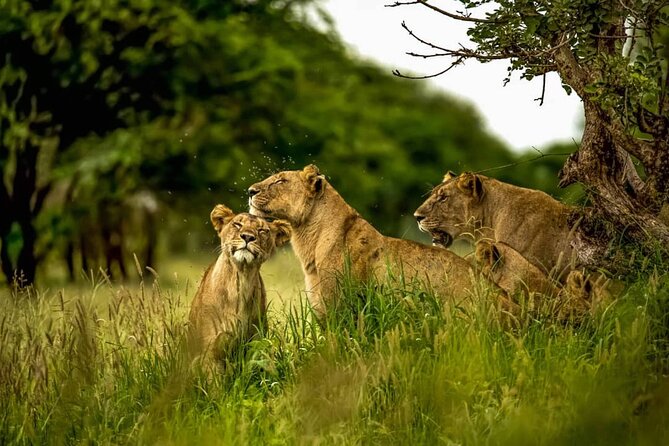
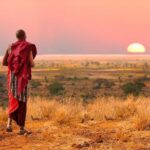
Day 4 is a full day in Serengeti National Park, with the tour describing the park’s different zones: open grass plains in the south, savanna with scattered acacia trees in the center, hilly wooded grassland in the north, and extensive woodland and black clay plains to the west.
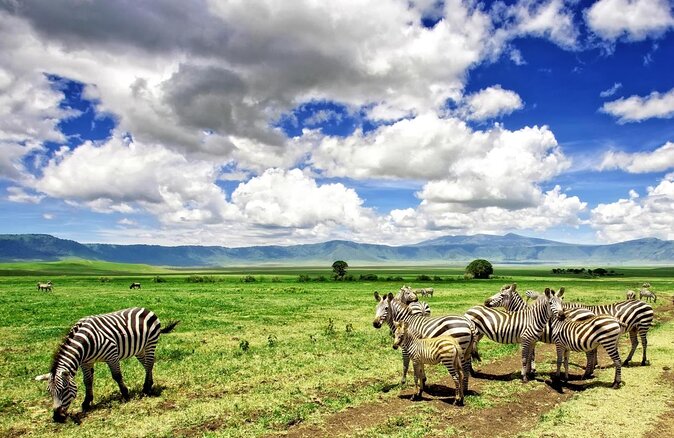
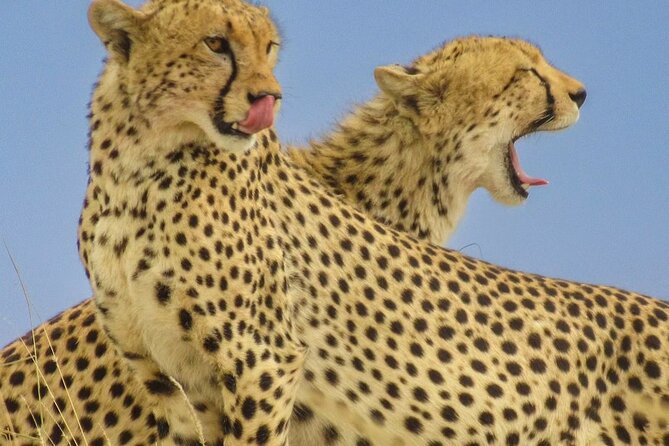
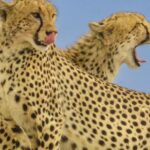
The main idea is simple: Serengeti rewards patience. With one full day, you’re not just rushing to “check boxes.” You can return to areas where predators and prey are showing patterns. The tour specifically points out that huge herds of plains game—wildebeest, zebra, and antelope—dominate, while predators such as lion and cheetah can be found among kopjes.
The sleeping plan on Day 4 is Serengeti Safari Lodge or Serengeti Wildebeest camp, including lunch, dinner, and breakfast. That meal structure is a quiet win: after a long drive day, you’re not scrambling for dinner plans.
A practical note: full-day Serengeti drives can mean heat and bright light for hours. Bring a hat you trust and a way to keep sun off your face during long spotting sessions. You’ll thank yourself later.
Ngorongoro crater descent: black rhino odds on a defined “real bowl”
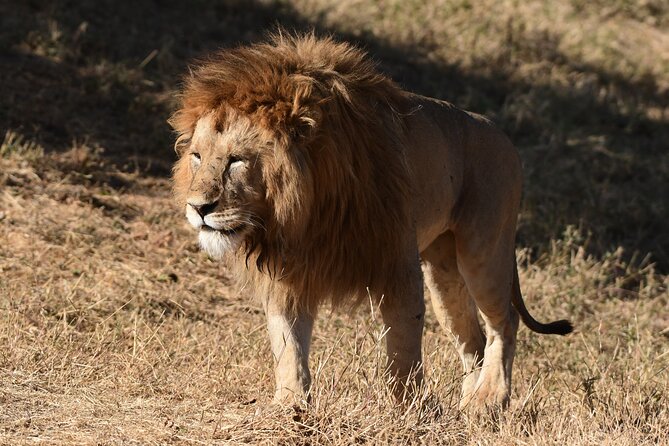
Day 5 takes you into the Ngorongoro Conservation Area, with a morning game drive en route and then a descent into Ngorongoro Crater for game driving and exploration.
Here’s what makes this day different: the tour provides specific crater dimensions—about 600 meters deep, 16 km across, and roughly 265 square km in area. That kind of detail helps you understand why the crater can feel like a natural amphitheater for wildlife.
The crater is also where the tour explicitly calls out many of Tanzania’s last remaining black rhinos grazing on the open grassland of the crater floor. It also mentions the crater can hold around 20,000 large animals, including lion, cheetah, eland, zebra, and gazelle. And it notes that flamingos can often be seen feeding at Makat Soda Lake.
This is the day you should think of as the “big set-piece.” The tour’s wording calls the crater the world’s eighth wonder, but you don’t need poetry to appreciate it. A place with this kind of depth and closed-in terrain often changes how animals move and how you spot them. You’re not just driving through open savanna; you’re working a contained system where visibility can be excellent.
Overnight on Day 5 is back at Highview Hotel, with lunch, dinner, and breakfast included.
Lake Manyara in the afternoon: a quieter close to the big loop
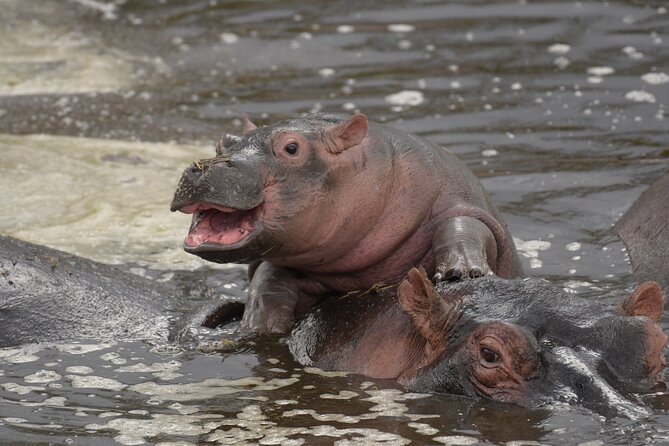
Day 6 shifts to Lake Manyara National Park. The plan is a drive in the afternoon, then a drive back to Springlands Hotel.
This is a smart pacing choice. After Serengeti and Ngorongoro, an afternoon game-drive window gives you a chance to reset without turning the schedule into a marathon. Lake Manyara can be a great place for different birdlife and habitats than the open plains you’ve been chasing.
Also, since you head back to Springlands the same day, you can enjoy a more settled finish before your final travel day. That matters if you want energy for packing, showers, and a calm morning.
Your final morning in Arusha before the flight out
Day 7 is a morning of leisure, then you transfer to Kilimanjaro airport for your flight home.
This matters because safari trips can end like a sprint: you’re tired, you’re dusty, and you suddenly have to be organized for departure. A leisure morning gives you time to handle the usual last steps—final packing, checking devices, and getting your mind clear before leaving the parks.
This day is also gentle compared to the driving-heavy safari days. If you’re sensitive to fatigue, that reduced intensity on the final day is a real value.
Guides, vehicles, and the max-6 advantage in the bush
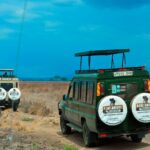
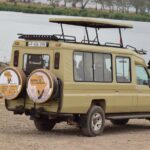
One of the most praised parts in the information you provided is the guiding quality. Names like Marck, James, Musa, Hamisi, Issa, Nuhu, and Yusuph come up in different contexts, and they’re described as passionate, educated, and accommodating. There’s also mention of Juma driving a comfortable 4×4 and trips using Land Cruisers.
What you should take from that: you’re not relying on luck alone. A good guide helps you interpret animal behavior, time your drives, and keep the day running even when sightings are slow. It also helps with “read the moment” decisions—where to go next based on what the ecosystem is telling you.
The tour also sets a maximum of 6 travelers, which I like for practical reasons. Smaller groups usually mean less chaos, fewer waits for everyone to reposition, and more flexibility when your guide finds something interesting.
Hotels and meals: why “quiet” is part of the safari plan
The tour talks about hotels that are beautiful and peaceful, and it notes that some are inside parks while others are outside them. That means you’ll get variety: sometimes you’ll feel closer to the action, and sometimes you’ll get a breather in a calmer setting.
Food coverage is also strong for a 7-day safari. The tour includes breakfast for 7 days, lunch for 5 days, and dinner for 6 days. Practically, that reduces decision fatigue. After a full day of game drives, “Where should we eat?” should not be your biggest problem.
In safari travel, luxury often means comfort when you need it most. After long drives and heat, you want a shower, good bed, and a place where you can wind down without noise.
Price and value: what $2,992 covers and what you still need to budget
The listed price is $2,992 per group (up to 1). That structure suggests pricing is not per “seat” in a big public group, but rather tied to group size and departure setup.
Here’s the value math I’d use before you decide:
- Included: most meals (breakfast throughout, plus lunch and dinner on most days)
- Included: park admission tickets are marked as free for each day listed
- Included: pickup and on-the-ground transfers inside the program
- Excluded: international and local flights
So you’re paying for a packaged safari experience across multiple major areas, not just a single-park day. For many people, that’s where value lives—less coordinating yourself, and fewer moving parts.
Just be honest about what’s not included: flights can be the big variable in your total cost. If you’re flying from overseas, check those numbers early, then compare the final total against what you’d spend planning an entire itinerary and vehicle on your own.
Who this Big Five luxury safari suits best
This tour fits best if you want:
- A classic Big Five focus with a structured route
- Time in Serengeti for migration-era expectations
- A serious crater day at Ngorongoro
- Small-group energy with up to 6 travelers
- The convenience of planned meals and lodging
It also says you should have moderate physical fitness. That usually means you can handle long sits, getting in and out of vehicles, and walking around viewing areas when stops happen. If you have mobility concerns, it’s worth asking how flexible the pacing is for your needs.
One more thing: the tour mentions service animals are allowed. If you travel with one, this is a key point to confirm ahead of time with the operator.
Should you book this 7-day Big Five safari?
If your top goal is a structured Big Five circuit with strong time in Serengeti and a crater day focused on black rhino odds, this is a solid match. The route is built around the places that make this safari famous: Tarangire for early excitement, Serengeti for migration country, Ngorongoro for the crater viewing experience, and Lake Manyara for a calmer finish.
I’d only hesitate if you hate long drive days or you need a super relaxed pace with lots of downtime. This tour is set up for movement and game drives, not a stay-put resort vacation.
If you do book, I’d choose this mindset: your guide is the tool that converts time into sightings. Pay attention, ask questions, and give the day a chance to unfold. In this kind of safari, patience beats perfection—and your schedule here is designed to support that.
FAQ
How long is the Big Five luxury safari?
It’s listed as 7 days (approx.).
Where does the tour start and what happens on arrival?
It starts in Arusha. After you clear customs at the airport, you’ll look for the driver holding a sign with your name, and you’ll be transferred to your hotel.
Which parks and areas are included?
Tarangire National Park, Serengeti National Park, Ngorongoro Conservation Area (including Ngorongoro Crater), and Lake Manyara National Park.
Is this tour focused on seeing the Big Five?
Yes. The tour is described as a Big Five safari experience, with Ngorongoro specifically highlighted for black rhinos.
What meals are included?
Breakfast is included for 7 days. Lunch is included for 5 days, and dinner is included for 6 days.
Are flights included in the price?
No. International and local flights are not included.
How many travelers are on the tour?
The tour has a maximum of 6 travelers.
What is the cancellation policy?
Free cancellation is offered. You can cancel up to 24 hours in advance for a full refund; canceling within 24 hours does not receive a refund.
What vehicle style should I expect?
The information provided mentions comfortable 4×4 vehicles and Land Cruisers used on safari.