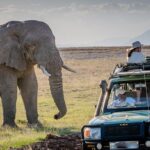
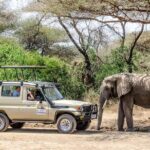
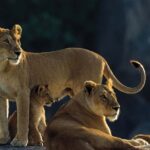
Four days can change your wildlife expectations fast. This private luxury safari from Arusha strings together Tarangire, Serengeti, and Ngorongoro so you’re not stuck in one park or one kind of game drive. The route is designed for maximum sightings, with a strong focus on big mammals and predator country.
I love the way this plan gives you real time in the stars of the northern circuit: Serengeti for serious daytime drives and Ngorongoro for that crater-floor experience. I also like the practical travel flow: hotel pickup, in-park lunches, and a clear day-by-day rhythm that keeps you moving without feeling random.
One consideration: this is an active itinerary. Several days are listed at roughly 7 to 9 hours, so if you want a slow, laid-back pace, you might find the schedule a bit intense.
In This Review
- Key Highlights You’ll Care About
- The Big Safari Route: Tarangire to Serengeti to Ngorongoro in Four Days
- Day 1 Morning Pickup to Tarangire: Baobabs, Elephants, and Water-Driven Wildlife
- Day 2 Into Serengeti: Why the Endless Plains Feel Different
- Day 3 Early Drives in Northern-to-Central Serengeti, Then Ngorongoro Conservation Area
- Ngorongoro Crater Day 4: Descend, Lunch, Game Drive on the Caldera Floor
- Price and Value: What You’re Paying For at $4,450 Per Person
- The Guide-Driver Factor: Where Walter, Frank, and Emmanuel Fit In
- Who This Private Luxury Safari Fits Best (And Who Might Want Another Plan)
- Should You Book This 4-Day Luxury Safari?
- FAQ
- What is the duration of this safari?
- Where does the tour start, and is pickup included?
- Is this tour private?
- Which parks are included?
- Are admission tickets included?
- What time do the safari drives start on the first day?
- What happens if weather is poor?
Key Highlights You’ll Care About
- Private by design: Only your group participates, so the pace and stops can feel more tailored than big shared safaris.
- Serengeti time, not just a drive-by: You’re spending a full day in the park, plus an early morning game drive.
- Ngorongoro is the centerpiece: UNESCO-caldera day with descent to the crater floor and a game drive there.
- Tarangire works especially well in dry months: Water stays in the park, which helps wildlife sightings during June–Oct and Dec–Feb.
- Admission tickets listed as free on key days: Serengeti and Ngorongoro days show admission ticket free in the itinerary.
- Driver-guide attention matters: Feedback specifically praises standout guides like Walter, Frank, and Emmanuel for getting you onto the animals.
The Big Safari Route: Tarangire to Serengeti to Ngorongoro in Four Days
This tour is built for one goal: stacking the best wildlife zones of northern Tanzania in a short, efficient window. Instead of choosing only one park, you get three distinct ecosystems, and each one changes what you’ll likely see.
Day 1 starts with a transfer from Arusha toward Tarangire, then you spend daylight on a game drive with lunch inside the park. Day 2 shifts you toward Serengeti through the Ngorongoro area, with an afternoon game drive once you arrive. Day 3 begins with an early morning game drive in the northern-to-central stretch of Serengeti, then you transfer to the Ngorongoro Conservation Area. Day 4 is the crater day: early descent to the crater floor, lunch and game drive inside, then return toward Arusha or the airport.
If you like your safari with structure—early starts, long drives accounted for, and time set aside for animal sightings—this route makes sense. You also get the comfort of a pickup-based plan, so you’re not organizing separate transfers between distant parks.
You can also read our reviews of more tours and experiences in Arusha.
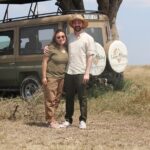
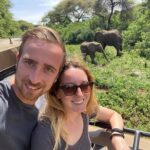
Day 1 Morning Pickup to Tarangire: Baobabs, Elephants, and Water-Driven Wildlife
Your safari starts early, with pickup from your hotel around 8:30 am. After that, you’re in the car headed to Tarangire National Park, which is often treated as the north circuit’s “you’ll thank yourself later” option.
Tarangire covers about 2,850 sq km, and the key detail for wildlife is water. The park has permanent water, which matters most during the dry season (the tour notes June–Oct and Dec–Feb). When water holds steady, animals keep coming back, and your chances of repeated sightings improve.
Tarangire is also known for big baobab trees, which give you that classic visual safari contrast: heavy-stem trees, open ground, and animals framed by something other than flat grass. The park is home to big mammals, and elephants are a standout, along with carnivores.
Practically, you’ll have lunch inside the park, followed by an afternoon game drive. That’s a smart pacing choice. It keeps you from losing the best light to travel, and it also means you’re not only looking for animals at one narrow window.
End of day: you transfer to your lodge for the evening, so you can reset for the longer Serengeti push.
Day 2 Into Serengeti: Why the Endless Plains Feel Different
After breakfast, you transfer toward Serengeti National Park via the Ngorongoro area. Serengeti is huge—about 14,760 sq km—and it’s not just one uniform scene. It’s roughly divided between short grass and woodland, so you’re not stuck seeing only one habitat style.
The tour leans into what makes Serengeti famous: high wildlife density and the annual wildebeest migration. Even if you’re not traveling during peak migration timing, the ecosystem dynamics still drive big cat and predator activity because prey patterns stay strong year-round.
You’ll have lunch inside the park, then an afternoon game drive. This is a good balance: afternoon drives can be excellent for predator sightings and for getting close views without the harshest midday heat. The day ends with returning to your lodge in the evening.
One more thing: the Serengeti portion here is described as part of a “live this experience” style. In other words, it’s not a quick stop. You’re giving Serengeti the respect of time, not treating it like a checkbox.
Day 3 Early Drives in Northern-to-Central Serengeti, Then Ngorongoro Conservation Area
Day 3 starts with an early morning game drive in the northern-to-central area of Serengeti. Early starts are typically where you get the most active animal behavior, and in Serengeti, that often means stronger odds of seeing predators and prey interact.
Then you shift gears in the afternoon: transfer to the Ngorongoro Conservation Area. Ngorongoro isn’t just a nearby detour. It’s a UNESCO World Heritage Site since 1979, and the tour frames it as part of the wider Serengeti ecosystem, which is why the wildlife doesn’t feel isolated once you change locations.
Ngorongoro covers about 8,200 sq km, and the crater itself is the big draw. The tour notes the crater caldera is intact and calls out the rare black rhino. It’s also described as having one of the highest concentrations of wildlife per square kilometer in the world—because when you get a natural “bowl,” animals gather in predictable ways.
So day 3 is your bridge day: you get the classic Serengeti morning rhythm, then you move into the Ngorongoro setting so you’re positioned well for the crater descent on day 4.
Ngorongoro Crater Day 4: Descend, Lunch, Game Drive on the Caldera Floor
Day 4 is the reason many people book Ngorongoro. You’ll have an early transfer to the crater and descend down to the crater floor. That descent changes the whole feel of the safari because the crater acts like its own micro-environment, with wildlife density shaped by geography.
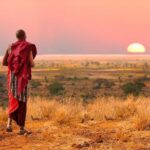
Once on the crater floor, you’ll have lunch and a game drive inside the crater. This is the key difference between just looking at Ngorongoro from above and experiencing it where animals live their daily patterns. The tour’s phrasing leans toward the “it has it all” idea—stunning views, high density wildlife, and a human community (the tour mentions the Maasai co-existing in the area).
You’ll finish with an evening return to Arusha or to the airport for flights. That matters if your itinerary is tight at the end; having a drop option built in keeps you from scrambling for last-minute transportation.
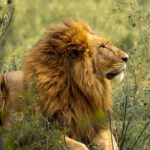

Price and Value: What You’re Paying For at $4,450 Per Person
At $4,450 per person, this is positioned as a true private luxury safari, not a budget group tour. The real value question is: does the plan reduce the common safari costs that add up fast?
Here’s what the tour data supports as value builders:
- Private setup: Only your group participates. That often translates into more flexible game-drive pacing and fewer compromises with mixed group interests.
- Multiple major parks in a short window: You’re not only doing Serengeti; you’re also including Tarangire and a full Ngorongoro crater day.
- Admission tickets listed as free on key park days: The itinerary shows Admission Ticket Free on Day 2 (Serengeti), Day 3 (the transfer/gaming day tied to Serengeti to Ngorongoro), and Day 4 (Ngorongoro crater). That can meaningfully lower costs compared with tours where you pay park fees separately.
- Time in-park instead of only driving: Lunch inside parks on multiple days means more time hunting for sightings, not just traveling between them.
What’s harder to measure is “luxury” in the abstract. The tour data confirms pickup and a luxury positioning, plus it notes lodge transfers and a tight, structured schedule. But if you care deeply about specific hotel grades, room types, or exact lodge names, you’ll want to confirm what’s included in your booking details. The price is premium, so you should verify the comfort level you’re actually getting.
The Guide-Driver Factor: Where Walter, Frank, and Emmanuel Fit In
Safari success isn’t only about parks. It’s also about the driver-guide doing the reading of the land—spotting tells like movement patterns, tracks near water, and the places animals repeat. The provided feedback consistently emphasizes driver-guides as a make-or-break piece of the trip.
Names that come up in the feedback include Walter, Frank, and Emmanuel. The common theme is that they’re friendly and serious about finding wildlife, including big cats and the chance to see the Big Five.
Also pay attention to how the operator communicates. In the feedback you shared, people praised responsiveness during planning and the feeling of being taken care of throughout. That matters more than it sounds. When you’re dealing with early starts and long transfers, good communication keeps stress low and lets you focus on the safari.
In practical terms: if you book, ask your operator what your guide’s style is like and how they handle game-drive decisions day to day. With a private tour, that conversation can help you match your expectations to the way your guide works.
Who This Private Luxury Safari Fits Best (And Who Might Want Another Plan)
This is a strong fit if you:
- Want big-park variety in a short 4-day window: Tarangire, Serengeti, and Ngorongoro.
- Prefer a private format where your group isn’t merged with strangers.
- Care about crater time. Ngorongoro’s crater descent and crater-floor drive is the centerpiece.
- Like structured days that balance morning drives with afternoon game viewing and in-park lunches.
You might think twice if you:
- Want a slow travel pace. The long days listed in the itinerary mean lots of time on the road.
- Are extremely sensitive to early mornings. Pickup at around 8:30 am and early morning game drives can feel like a lot over four days.
This tour also notes that most travelers can participate and that pickup is offered, which usually makes it easier to align with common lodging setups around Arusha. Still, if you have mobility concerns, confirm details in advance with the provider—especially for any crater descent timing and logistics.
Should You Book This 4-Day Luxury Safari?
If your goal is one thing—max wildlife time across the north circuit’s headline locations—this tour makes a convincing case. The itinerary covers the “big three” experiences: Tarangire’s water-and-elephant logic, Serengeti’s high-density plains energy, and Ngorongoro’s crater-floor viewing.
I’d book it if you’re comfortable with an active pace and you value private guiding plus the admission-ticket savings shown for key days. I’d pause if you want extra downtime between parks or if you’re unclear on the specific lodge/hotel level tied to the luxury price—because at $4,450 per person, you should feel 100% sure what “luxury” means for your stay.
If you do book, the best move is simple: confirm the exact lodging plan, then tell your guide what you most want to prioritize (big cats, elephants, rhino chances, or general variety). With this route, the guide’s choices can really shape what you remember most.
FAQ
What is the duration of this safari?
It’s listed as a 4-day private luxury safari (approx.).
Where does the tour start, and is pickup included?
The tour is based in Arusha, Tanzania, and hotel pickup is offered.
Is this tour private?
Yes. It’s a private tour/activity, and only your group will participate.
Which parks are included?
The route includes Tarangire National Park, Serengeti National Park, and the Ngorongoro Conservation Area (including Ngorongoro Crater).
Are admission tickets included?
The itinerary lists admission ticket free for Serengeti and Ngorongoro days (Day 2, Day 3, and Day 4). Tarangire Day 1 does not explicitly mention admission ticket free in the details provided.
What time do the safari drives start on the first day?
Pickup is around 8:30 am, and the safari begins after pickup.
What happens if weather is poor?
The experience requires good weather. If it’s canceled due to poor weather, you’ll be offered a different date or a full refund.