REVIEW · ARUSHA
6 Days Luxury Northern Circuit Safari – A Glimpse of Tanzania Adventure
Book on Viator →Operated by OFF THE BEATEN PATH SAFARIS · Bookable on Viator
Calving season turns this safari into cinema. This 6-day Northern Circuit route strings together Tarangire, Lake Manyara, Serengeti Ndutu, and Ngorongoro Crater, with pickup in Arusha and meals handled.
I love the timing and the target: the Ndutu area during December to mid-April, when wildebeest and the rest of the herd show up for calving. I also like that this runs as a private safari in a 4WD with game drives plus breakfast, lunch, and dinner included, so you spend less time coordinating and more time watching.
One possible drawback: the price is premium at $6,341.54 per person, so it really helps if you’re comfortable paying for a tight park lineup and included safari logistics instead of piecing things together yourself.
In This Review
- Key highlights worth planning around
- Arusha start: get your bearings fast
- Tarangire National Park: elephants, predators, and bush picnic energy
- Lake Manyara: tree-climbing lions and rift escarpment sunsets
- Serengeti Ndutu: the calving window you came for
- Evening drives in Serengeti: timing beats comfort
- Ngorongoro Crater: a volcano bowl with black rhino and flamingos
- Luxury value check: what $6,341.54 buys (and what it doesn’t)
- How the guides shape your sightings (Humphrey, Charles, and the rest of the team vibe)
- What to expect day-to-day: pace, roads, and your own energy
- Practical packing notes you’ll thank yourself for
- Who this safari suits best
- Should you book the 6 Days Luxury Northern Circuit Safari?
- FAQ
- What is included in the tour price?
- What is not included?
- Where does the safari start and end?
- How far in advance is this tour typically booked?
- Is this a private safari?
- Can I cancel for a full refund?
Key highlights worth planning around
- Ndutu calving timing (Dec–mid-April): this is the window when you can witness thousands of births on the plains.
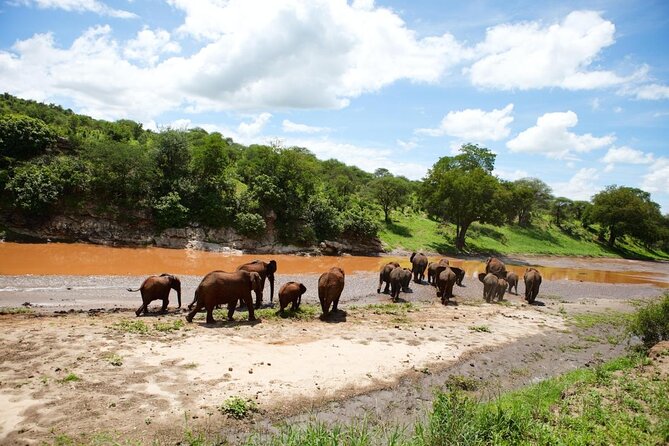
- Tarangire’s elephant focus: large elephant groups, with predators in the mix depending on the day.
- Lake Manyara’s mixed scenery: forested areas near alkaline waters, plus a shot at the famous tree-climbing lions.
- A full crater day at Ngorongoro: black rhino, big tuskers, lion sightings, and soda-lake flamingos.
- Private 4WD, private flow: your group drives on your schedule with meals built in.
- Flying doctors’ insurance included: peace of mind if something goes sideways far from medical help.
Arusha start: get your bearings fast
Your safari begins in Arusha, under Mount Meru’s watchful silhouette. You’ll get met at Kilimanjaro International Airport and transferred by road to the city for an overnight, giving you a buffer day before long game drives start. That matters. After a travel day, you don’t want to jump straight into hours of bumpy roads and heavy dust.
Arusha also makes the whole trip feel grounded. You’re not just landing and disappearing into the bush. You get a night to settle, charge devices, and manage the small stuff—like figuring out how many layers you actually need for early mornings.
Quick practical note: the tour lists a start time of 11:30 pm. That’s late, so it’s worth confirming whether that’s your airport transfer timing, your departure window, or when the experience begins on their side. A simple email or call can prevent the classic safari panic.
You can also read our reviews of more tours and experiences in Arusha.
Tarangire National Park: elephants, predators, and bush picnic energy
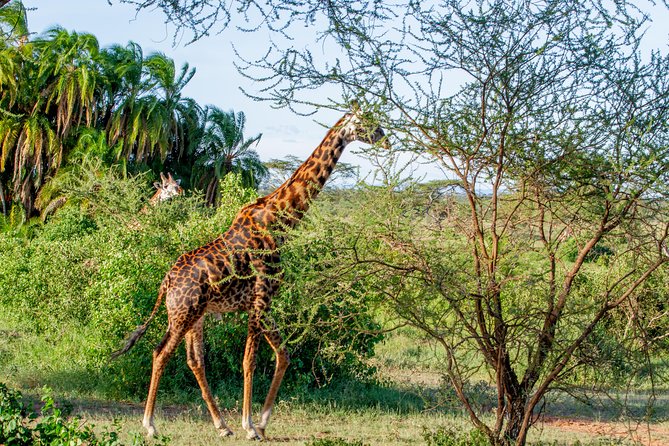
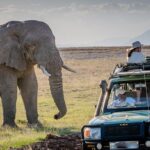
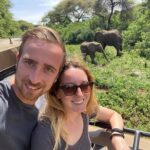
Tarangire is the park that makes many first-timers go wide-eyed fast. It’s known for large populations of elephants, and that changes the rhythm of your day. When elephants are plentiful, your game drive becomes less about hoping and more about watching behavior—herds crossing, calves keeping close, and the occasional rush when the herd senses something.
This day runs with an early breakfast, then a game drive drive en route to the park. You’ll have a packed lunch, and you’ll eat it during the afternoon with a picnic-style stop. I like this structure. It keeps the day moving, but you’re not just grinding through the hours. Also, picnic lunches in the bush tend to feel like part of the safari, not a break you swallow and forget.
Tarangire’s seasonal story is also part of why it’s included here. The park’s wildlife follows localized movements, so you usually don’t hit the “everything is dead flat right now” problem that some parks can suffer outside the best season. That means you’re more likely to see elephants and predators without needing perfect timing.
What to keep in mind: wildlife is always a little unpredictable. If it’s a hot, calm day, animal movement might slow. If it’s a cooler morning with wind, you often get better scanning. In other words, you still need patience—but the odds here are good because elephants really do anchor the action.
Lake Manyara: tree-climbing lions and rift escarpment sunsets
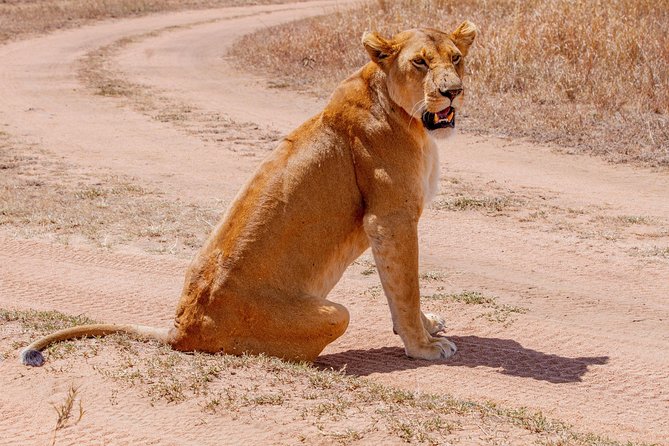
Lake Manyara National Park is smaller, but it’s not a “quick stop” in spirit. It’s famous for unusual behavior, especially the possibility of tree-climbing lions. You won’t control whether you see it. But the area is structured in a way that makes those sightings plausible enough to count on for at least one strong moment.
This is also a park where the variety feels real. Instead of one uniform savanna look, you get groundwater forests and areas near the alkaline lake system. That mix matters because it changes where you might find animals. You’re scanning for tracks and sightlines more than just open grassland.
Your day includes a morning game drive into the park and a picnic lunch. Then there’s a scenic drive over the lake Manyara area escarpment to catch sunset. I like that you’re not only chasing wildlife. You’re also getting the sense of place—the Rift Valley edge feeling—when the sky turns dramatic.
If you’re the type who loves “small park magic,” Lake Manyara can deliver. And if you’re expecting Big Five overload every hour, you may find it more about variety and a few standout scenes—like lions in the trees or elephants moving through woodland edges.
Serengeti Ndutu: the calving window you came for
If you book this trip for the Serengeti, Ndutu is the reason. Ndutu sits in the northern section of the Ngorongoro Conservation Area and stretches toward the unfenced southern boundaries of the Serengeti. In practical terms: it’s where you can be positioned for the herd’s calving period.
The tour emphasizes the months from December through mid-April, when migration herds arrive and, in early months with a peak in February, calving happens on lush grassy plains. The scale is the point. The experience described here notes that calving season is dramatic, with about 8000 births every day during peak periods. That number tells you what to expect: not “a few babies,” but a nonstop stream of newborns and their survival drama.
Your Serengeti days are set up for that rhythm. One day focuses on getting you into position around Lake Ndutu and then giving you additional drives later. You’ll have time to relax at your camp or lodge before another afternoon drive, plus an evening drive for sun-down views.
Here’s what I think is worth knowing before you go: calving months shift the whole safari feel. Predators can be seen reacting to births, and you may notice hunters pacing near grass lines, waiting rather than roaming. It can be intense. It can also be incredibly educational. If you love seeing real-life ecology at work, Ndutu is the place.
Also, the landscape around Lake Ndutu—forests and granite kopjes—can hold game outside of strict migration timing. That means you’re not only tied to watching wildebeest in the open. You can also find activity around rocky outcrops and woodland edges, depending on conditions.
Evening drives in Serengeti: timing beats comfort
In Serengeti, daylight does not last forever. That’s why the tour’s day structure matters. After your morning drive, you return to your camp or lodge for a break, then head out again in the afternoon. Then you get an evening drive to catch sun-down moments.
I like this because it matches how animals behave. Many sightings happen when light is softer—early and late. Midday can still produce action, but the odds are often better when you’re driving at the edges of the day.
Even without hotel details, the built-in downtime is a real value. Instead of doing “drive, drive, drive” nonstop, you get time to rest, reset, and eat. And for a first safari, that can be the difference between enjoying the moment and getting cranky behind the wheel.
Ngorongoro Crater: a volcano bowl with black rhino and flamingos
Ngorongoro Conservation Area is the closer you remember. The Crater itself was once a gigantic volcano, and it’s described as the largest intact caldera in the world. Whatever your background, seeing it from the rim tends to make the scale feel unreal.
This is also a heavy-hitter wildlife day. You’ll get a full day game drive on the crater floor, with the chance to see black rhino, giant tusked elephants, lions stalking grasslands, and bright pink flamingos crowding soda lakes. The tour notes more than 30,000 protected animals in the conservation area, which helps explain why sightings can feel frequent when the day is going well.
And you’re not only inside the car. You’ll stop for a picnic lunch with crater rim views. That’s a nice break that keeps the experience from becoming one long scan session. Plus, it gives you a moment to look back over the rim line—because in Ngorongoro, perspective changes what you think you’re seeing.
One practical consideration: crater roads and viewpoints can mean slower movement. That’s normal here. If you’re the type who hates waiting, this day might test you. But if you like wildlife in a confined, high-density setting, the waiting can pay off with the kind of sightings that feel like they belong in a wildlife documentary.
Luxury value check: what $6,341.54 buys (and what it doesn’t)
Let’s talk value. At $6,341.54 per person for about 6 days, you’re paying for a package that removes a lot of friction:
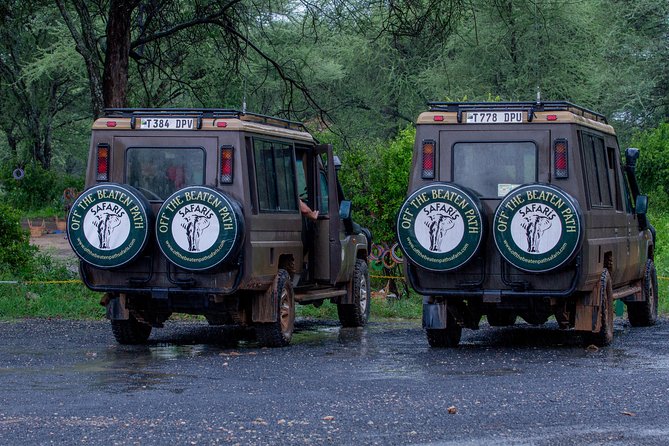
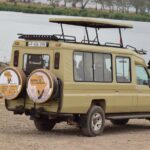
- Private transportation and 4WD safari transportation
- All fees and taxes
- Game activities as planned
- Breakfast, lunch, and dinner (so you’re not hunting for food between parks)
- Flying doctors’ insurance
- Pickup offered and a mobile ticket
If you break it down roughly, it’s about $1,050-ish per day per person. That’s not cheap. But the included 4WD, the park fees, and the guided game-drive structure aren’t free in Tanzania—and they add up fast if you try to build it yourself.
What’s not included is also clear. You’ll likely want to budget extra for an optional hot air balloon ride over Serengeti and for alcohol and premium drinks. Personal expenses are also on you. So if you’re the kind of traveler who loves a balloon and fancy drinks, check your total before you book.
Now, about “luxury.” This tour doesn’t describe specific lodge brands or room types in the details you provided. What it does offer, and what tends to matter most on safari, is private routing and included meals, plus the time structure that reduces stress. On a 6-day circuit, less stress is real luxury.
How the guides shape your sightings (Humphrey, Charles, and the rest of the team vibe)
On safari, the car is only half the experience. The other half is the person driving your attention. The reviews shared here mention guides by name, including Humphrey (Boghart) and Charles. That’s a strong sign you’re not just getting someone who knows how to steer; you’re getting people who can explain what you’re seeing—mammals, migration patterns, and likely animal identification skills.
The company also appears to do more than hand you a vehicle and disappear. Multiple notes praise client service from leadership, with Salim showing up in responses as an involved owner and point of contact. That kind of attention tends to matter when you’re dealing with real-world safari issues like timing, comfort needs, and day-to-day adjustments.
Bottom line: you should pack your patience, and you should also choose a company that has competent people behind the wheel and on the spotting game.
What to expect day-to-day: pace, roads, and your own energy
This is a circuit. That means you’ll spend meaningful time in the vehicle between parks. Tanzania driving can be bumpy, dusty, and slower than maps suggest. Your tour says travelers should have a moderate physical fitness level—which is code for: you don’t need to be an athlete, but you should be comfortable with uneven ground, long drives, and early mornings.
The good news is the tour’s structure helps you manage energy:
- Early starts for game drives when animals are most active
- Picnic lunch breaks that keep the day humane
- Camp or lodge downtime in Serengeti between drives
- Evening drives that reward you with softer light and different animal behavior
If you’re the kind of traveler who likes to wake up, go, and then fall into bed exhausted, you’ll probably love this. If you hate being in a car for hours, you might find the circuit format draining.
Practical packing notes you’ll thank yourself for
The tour details don’t list gear, so I’ll keep this grounded and practical. Safari comfort usually comes down to layers, weather, and sun management.
Bring:
- A light jacket for early mornings
- Sunglasses and a hat (the sun hits hard)
- Refillable water bottle (you’ll be drinking a lot, especially if you’re out scanning)
- Binoculars if you have them (spotting benefits)
- Closed-toe shoes that handle dust and walking near viewpoints
Also, plan for dramatic day-to-night temperature swings typical of highland and savanna conditions. Your body will notice it more than you think, especially with early wake-ups.
Who this safari suits best
This 6-day Northern Circuit is a great fit if:
- You want a classic north Tanzania park set—Tarangire, Lake Manyara, Serengeti, and Ngorongoro
- You’re traveling during December to mid-April and want calving season at Ndutu
- You prefer private guiding and your own group pace
- You value included meals and park-fee handling over building a custom DIY plan
If you’re traveling outside the Ndutu window, this exact “calving focus” may not hit the same way. And if you’re on a tight budget, this package is clearly aimed at travelers who’d rather pay for smooth logistics than spend time coordinating.
Should you book the 6 Days Luxury Northern Circuit Safari?
I’d book it if your priority is wildlife density plus a specific Serengeti moment: Ndutu calving. The park combination makes sense, and the structure—private 4WD, meals included, crater day, and two Serengeti-driven wildlife blocks—matches how safaris actually work in real life.
I’d hesitate if:
- You’re sensitive to long drives and early mornings
- You’re hoping for ultra-detailed lodge luxury specifics but want them spelled out in writing
- You’re booking mainly for scenery photos and not for animals and behavior
If you like wildlife more than souvenir shopping, and you’re going in the December to mid-April window, this circuit is one of the more focused ways to experience the northern parks in a short time.
FAQ
What is included in the tour price?
The package includes private transportation, all fees and taxes, game activities as per the itinerary, flying doctors’ insurance, and meals: 5 breakfasts, 6 lunches, and 6 dinners.
What is not included?
Not included are an optional hot air balloon ride over Serengeti, champagne/cognacs/fine wines/premium brand spirits, and items of personal nature.
Where does the safari start and end?
It starts in Arusha, Tanzania, and it ends back at the meeting point.
How far in advance is this tour typically booked?
On average, it’s booked 90 days in advance.
Is this a private safari?
Yes. It’s private transportation, and only your group will participate.
Can I cancel for a full refund?
Yes. Free cancellation is available if you cancel up to 24 hours in advance of the experience for a full refund. If you cancel less than 24 hours before the start time, the amount paid isn’t refunded.