REVIEW · NEW DELHI
8-Day Private Luxury Golden Triangle With Spiritual Varanasi Tour
Book on Viator →Operated by Golden Triangle Tours India · Bookable on Viator
A Golden Triangle with a spiritual left turn. This 8-day private luxury-style route strings together Delhi, Agra, Jaipur, and Varanasi with local guides and a door-to-door feel that’s ideal if you want comfort without missing the big sights. You get a curated run of UNESCO-listed landmarks, plus the spiritual intensity of Varanasi on the Ganges.
What I like most is the way it gives you two different “modes” in one trip: big monuments in the Golden Triangle, then real temple and river rituals in Varanasi. And the schedule is built around landmark timing, including a Taj Mahal sunrise experience and a Taj Mahal sunset viewpoint that’s meant to be away from the heaviest crowding.
One thing to keep in mind: monument entrance fees are not included (listed as about $100 per person), and lunch and dinner aren’t covered. Also, Day 6 includes a flight from Jaipur to Varanasi, so your day has a tighter feel.
In This Review
- Key takeaways before you go
- Why this Golden Triangle + Varanasi combo works
- Price and what you’re really paying for
- Delhi days 1–2: from stepwells to Qutub Minar to Old Delhi
- Day 1: Gurudwara Bangla Sahib + Agrasen Ki Baoli
- Day 2: UNESCO icons + Jama Masjid + Chandni Chowk
- Agra: how to see the Taj Mahal two ways (without losing your mind)
- Agra Fort + Itmad-ud-Daula + Taj sunset viewpoint + Mehtab Bagh
- Day 4: Taj Mahal sunrise + Fatehpur Sikri + Chand Baori
- Jaipur: palaces and science, with a few photo-friendly stops
- Day 5: Panna Meena ka Kund to Hawa Mahal
- Day 6: Birla Mandir + Patrika Gate, then flying to Varanasi
- Varanasi day 7: Kashi Vishwanath, Sarnath, and the Ganga Aarti
- How the private logistics affect your day (and your mood)
- Who should book this 8-day Golden Triangle with Varanasi?
- Should you book? My straightforward take
- FAQ
- FAQ
- What cities are included in the 8-day tour?
- Is this tour private?
- What’s included in the price?
- Are monument entrance fees included?
- Does the itinerary include a flight?
- Is free cancellation available?
Key takeaways before you go
- Private, air-conditioned transport with bottled water helps a long-distance itinerary feel manageable
- Local guides in each city mean you get context, not just photos
- Two Taj Mahal moments: sunrise in Agra plus a sunset-view plan in a different setting
- UNESCO-heavy days across Delhi, Agra, and Jaipur (with Qutub Minar, Humayun’s Tomb, Agra’s major sites, Fatehpur Sikri, and Jantar Mantar)
- Varanasi is the spiritual anchor with Kashi Vishwanath Temple and the evening Ganga Aarti
- Driver quality matters, and this tour’s feedback often highlights professionals like Surendra and Vinod as being helpful and steady
Why this Golden Triangle + Varanasi combo works
The Golden Triangle route is famous for a reason: Delhi’s layering of empires, Agra’s Mughal masterpieces, and Jaipur’s royal design. But most versions feel like sightseeing marathons. This one adds a second heartbeat with Varanasi, where the focus shifts from palaces and tombs to temples, chants, and river life.
That shift is the point. On one side, you’re looking at monumental stone and careful symmetry. On the other, you’re walking near the Ganges and watching the evening rhythm of Ganga Aarti at the ghats. It’s the kind of contrast that makes the trip stick in your memory.
And because it’s a private tour, you’re not negotiating with strangers or wasting time “just waiting.” Your driver and guides handle the movement, and the days are built around set stops that actually match what most people come for.
You can also read our reviews of more tours and experiences in New Delhi.

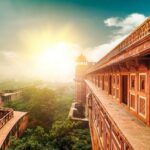

Price and what you’re really paying for

The listed price is $372.86 per person for an 8-day private tour. If you choose the option that includes hotels, you’re looking at 7 nights of accommodation plus daily breakfast.
But here’s the practical reality: monument entrance fees are not included, and the tour lists about $100 per person for those. Taj Mahal and several other ticketed sites can push totals higher if you don’t budget. So I’d treat the package price as the “transport + guides + planning” portion, then plan a separate line item for admissions.
Also, lunch and dinner aren’t included. That’s not unusual, but it matters in cities like Delhi and Jaipur where you can easily spend money on snacks, bottled drinks, and sit-down meals if you don’t set expectations. The tour does include mineral water during journeys, which helps you avoid the constant stop-and-buy cycle.
When the math works best is when you value time and low-stress logistics. A first-time trip to North India is exactly where a private car and local guidance can feel like a shortcut to enjoying the trip rather than managing it.
Delhi days 1–2: from stepwells to Qutub Minar to Old Delhi
Delhi gets two packed days, and it’s a good mix: quiet heritage stops, iconic UNESCO sites, and then Old Delhi markets.
Day 1: Gurudwara Bangla Sahib + Agrasen Ki Baoli
You start at Gurudwara Bangla Sahib, where the tour notes a story tied to 1664—water from the tank being distributed during outbreaks like smallpox and cholera. Even if you’re not a deep history person, it’s a grounding introduction to the city’s religious culture and communal spirit.
Then you move to Agrasen ki Baoli, a protected stepwell site (about 60 meters long). Stepwells can feel like an Instagram detour until you see one in person: the scale and the geometry make it feel engineered for a different kind of life—water, shade, and slow time.
Day 1 is intentionally lighter. It helps you adjust to Delhi before Day 2 ramps up.
Day 2: UNESCO icons + Jama Masjid + Chandni Chowk
Qutub Minar is the big UNESCO moment on this day—about 73 meters tall, with construction tied to the Delhi Sultanate in the late 1100s/1190s era. Since admission is not included, you’ll want to budget that ticket price as part of your monument fees.
Next comes the Lotus Temple, known for its flower-like shape and built in 1986. The nice part here is that it’s open to people irrespective of religion, so it’s not just a photo stop—it’s a calm pause in the middle of a busy day.
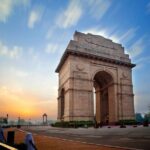
Then you hit India Gate (a war memorial) and Parliament House (the tour notes its design reference to the Ashoka Chakra). After that, the day turns strongly into Old Delhi with Jama Masjid, built between 1650 and 1656 by Shah Jahan.
You end at Chandni Chowk, where the tour description leans into the sensory overload: spices, dried fruit, silver jewelry, colorful saris, and tiny side streets. If you like markets, you’ll have fun here. If you hate crowds and negotiation, treat it like a “walk-through” and don’t try to shop for the first hour.
A good strategy: wear comfortable shoes and keep your shopping budget mental, not emotional.






Agra: how to see the Taj Mahal two ways (without losing your mind)
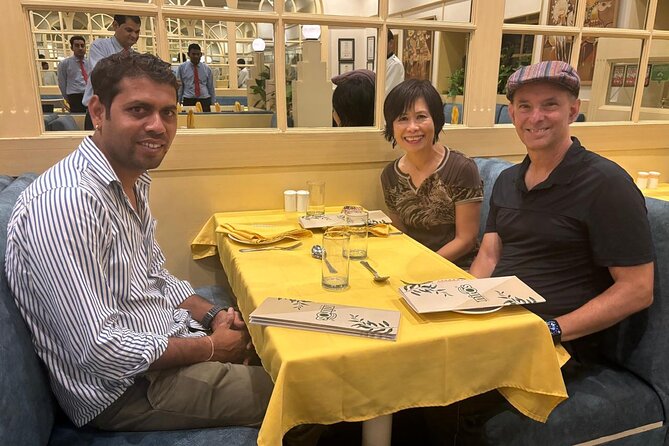
Agra is where this trip starts feeling like a true “sights” itinerary—because the Taj doesn’t just have one story. This tour gives you two different timing experiences, which is smart.
Agra is reached by car from Delhi (about 222 km, roughly 4 hours). You’ll check in and then do more sightseeing on arrival.
Agra Fort + Itmad-ud-Daula + Taj sunset viewpoint + Mehtab Bagh
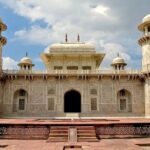
On the first Agra day, you start with Agra Fort (UNESCO-listed) and then Itmad-ud-Daula, often nicknamed the Baby Taj. These two sites help you remember that the Taj Mahal didn’t appear out of nowhere—it’s part of a broader Mughal tradition of tomb-building and refined craftsmanship.
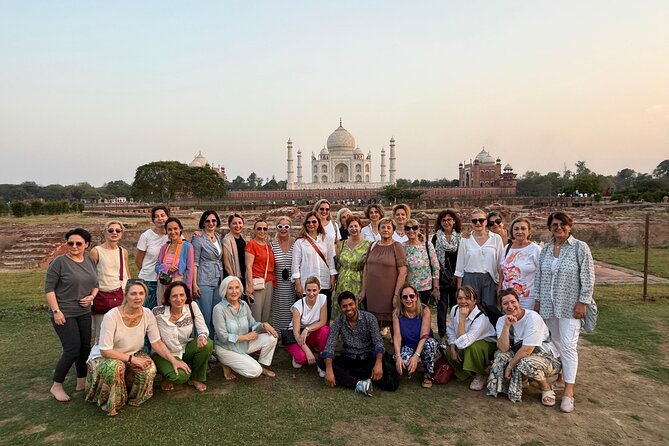
Then comes the Taj Mahal sunset viewpoint, described as one of the best ways to see the Taj across the river while being away from the heaviest crowding. That matters. The Taj is iconic, but the crowd level can be its own stress test. A viewpoint plan gives you a shot at the Taj’s atmosphere with less friction.
To close, you visit Mehtab Bagh, a garden area restored to earlier glory and used as a scenic buffer for Taj views. If you like photos, this is where you can slow down. If you prefer quiet, you’ll still appreciate the open space compared to the tomb complex.
Day 4: Taj Mahal sunrise + Fatehpur Sikri + Chand Baori
On Day 4, the trip centers the Taj Mahal at sunrise, framed as an ivory-white marble mausoleum on the Yamuna’s south bank. Sunrise is a different experience than sunset: softer light, calmer pacing, and a chance to avoid midday heat and crowds.
After that, you head to Fatehpur Sikri, described as the City of Victory built in Akbar’s era and served as the Mughal capital for about a decade. The tour also pairs it with Chand Baori in Abhaneri, a huge stepwell described as one of the largest and deepest in India (about 30 meters into the ground). Stepwells again—this time you really see why they were social and practical infrastructure, not just curiosities.
Then you travel onward to Jaipur and check in.
One note: entrance tickets aren’t included, so treat the Taj day as a “ticket day” you must plan for.
Jaipur: palaces and science, with a few photo-friendly stops
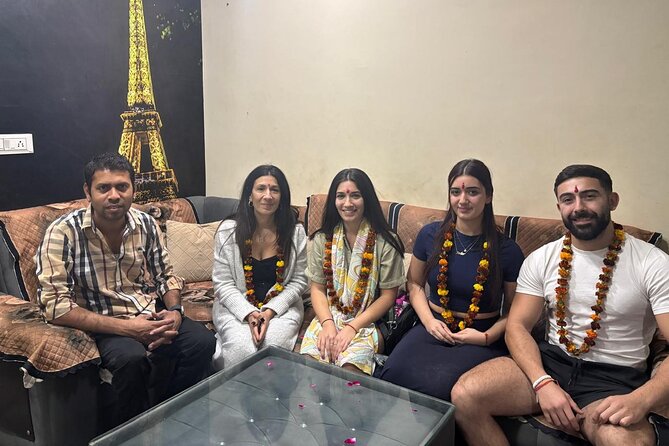
Jaipur is split across a full day, plus morning temple-style stops on Day 6 before your flight.
Day 5: Panna Meena ka Kund to Hawa Mahal
You start at Panna Meena ka Kund, a stepwell near the palace area. It’s short on time, but it’s a repeat theme in this itinerary—water architecture as part of Rajasthan life.
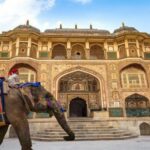
Then you visit Jaipur’s major fort/palace circuit, described as the capital of Rajasthan until 1728. The tour includes a guided walk around palaces, squares, and monuments. Forts in Jaipur aren’t just defensive structures; they’re also stages. You’ll see that when you stand in the spaces where royal life happened.
Next is Jal Mahal for a photo opportunity—this palace sitting in Man Sagar Lake. The tour flags that it’s not an all-day visit, so think “quick view” rather than “long exploration.”
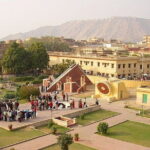
Then comes Maharaja’s City Palace, plus Jantar Mantar, the UNESCO-listed astronomical instruments site built in 1734. If you like the intersection of art and science, this stop can be a real palate cleanser between palace rooms and courtyards.
Finally, you visit Hawa Mahal (Palace of Breeze), a five-storey pyramidal facade in red and pink sandstone. Even if you don’t go inside for long, the exterior gives you that classic Jaipur silhouette.
Day 5 is active. You’ll do a lot of walking and standing. Plan water breaks and don’t treat every stop like a museum-hour.
Day 6: Birla Mandir + Patrika Gate, then flying to Varanasi
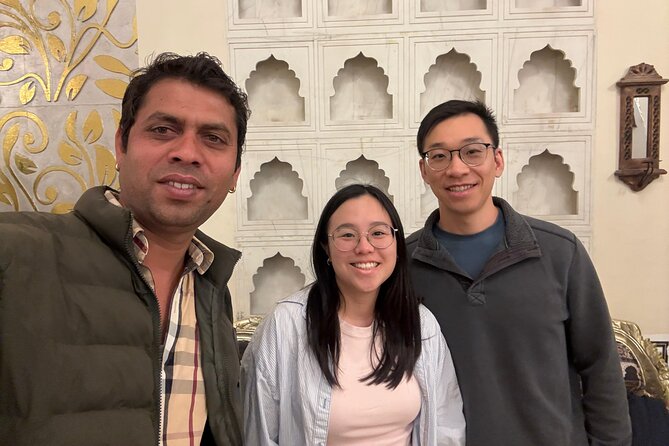
Day 6 is designed like a hinge: a couple of Jaipur sights, then a flight to Varanasi.
In Jaipur, you visit Birla Mandir, a white marble temple with intricate latticework, dedicated to Vishnu. Then there’s Patrika Gate, known for hand-painted murals celebrating Rajasthan’s cultural heritage. It’s the kind of stop that makes photos look good without feeling like a chore.
After sightseeing, you go to Jaipur airport to board your flight to Varanasi. Arrival comes with a transfer to your hotel.
This flight structure is a tradeoff. You lose some slower travel romance, but you gain time and reduce the stress of a long road transfer. For a short 8-day trip, time discipline matters.
Varanasi day 7: Kashi Vishwanath, Sarnath, and the Ganga Aarti
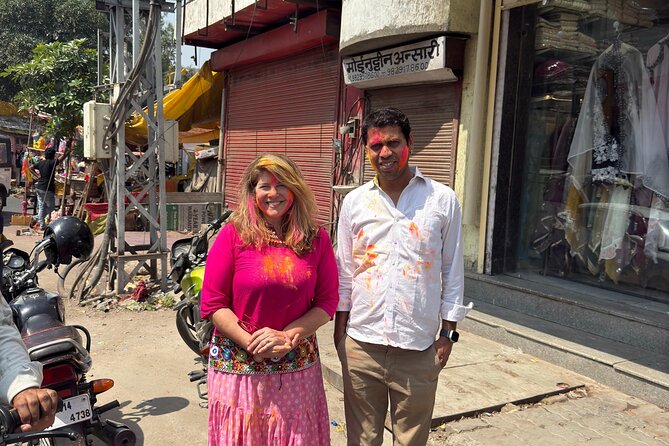
Day 7 is where the whole trip changes tone. You start with Kashi Vishwanath Temple, described as a landmark riverside temple dedicated to Shiva with an 18th-century gold-plated spire and a sacred well. The tour frames it as a major spiritual stop, and the time you’re given—about 2 hours—suggests it’s meant to be more than a quick glance.
Then you head to Sarnath, a Buddhist pilgrimage site tied to the moment Buddha first preached the Dharma after enlightenment. You explore ancient ruins of monasteries and related areas (about 1 hour). I like this pairing with Kashi Vishwanath because it reminds you Varanasi isn’t only one religious lane. It’s a meeting point of cultures across time.
Next comes a walk along the Ganges River. The tour notes it as a mesmerizing journey through spiritual and cultural heritage. Your time here is about 1 hour, and while exact entry details aren’t specified, the key is that this is your window to feel the river city at human pace rather than just standing behind a ticket line.
Then the highlight: Ganga Aarti in the evening. The tour specifies you’ll have the best view from your seat. This is the ritual everyone talks about for a reason: even when you don’t fully understand every element, you understand the rhythm—light, chanting, and the river acting like a living backdrop.
How the private logistics affect your day (and your mood)
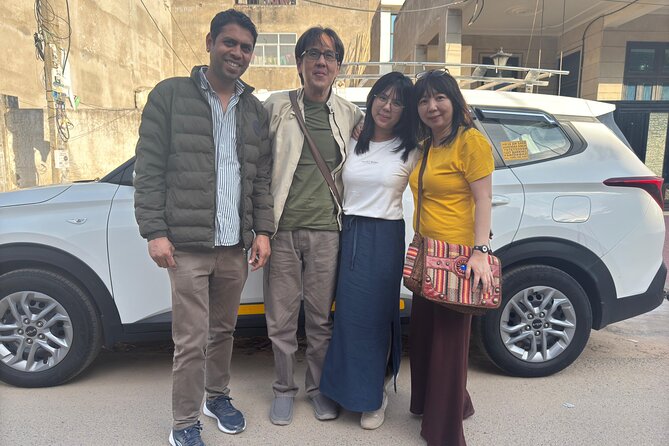
This tour is private, meaning it’s only your group. That matters in India, where “one-size-fits-all” group tours can mean waiting around, rushing photos, and constantly recalculating where you are.
Here’s how the practical setup works:
- You’ll have a private, air-conditioned vehicle with a driver.
- There are bottled water provisions during journeys.
- Hotel pickup and drop-off are included.
- Local guides handle sightseeing stops.
Vehicle size changes with party size: a 4-seater sedan for 1–2 people, a 6-seater wagon for 3–4, and a 10-seater minivan for 5–10. That’s a small detail, but it impacts comfort—especially in Delhi traffic and the longer drive to Agra.
The room setup is also important. Rooms are generally twin-sharing. If you book for three people, triple-sharing is the default unless you want to pay extra for two rooms. If you’re traveling as a small group and privacy matters, check this point during booking.
Finally, the itinerary is packed with key sights. It’s not slow travel. If you love a tight plan and hate scrambling, you’ll like it. If you want lots of free time every day, you might feel the schedule is busy.
Who should book this 8-day Golden Triangle with Varanasi?
Book it if you:
- Want a private driver + local guides across four major cities.
- Like the idea of seeing the Taj Mahal at sunrise and again from a sunset viewpoint plan.
- Are excited to add Varanasi’s spiritual side with Kashi Vishwanath and Ganga Aarti.
- Prefer comfort and clear timing over DIY travel during busy days.
You might not love it if you:
- Hate paying separate monument entrance fees on top of the tour price.
- Really need downtime built into every day.
- Get anxious about flight days. Day 6 includes flying from Jaipur to Varanasi, and that adds structure.
One extra thought: this tour’s feedback highlights strong support from operators and drivers. Names like Gopal (quick to reply and helpful) and drivers such as Surendra and Vinod come up in the way you’d hope—professional driving, consistent presence, and a “you’re taken care of” vibe.
Should you book? My straightforward take
If you want Golden Triangle classics with a real spiritual finish, this is an excellent match. The value is strongest when you count not just sights, but the time saved from navigation, ticket confusion, and figuring out how to line up sunrise/sunset moments.
Plan your budget for about $100 per person in monument entrance fees, and remember lunch/dinner are on your own. If you do that, you’ll get a trip that feels structured but not cold—big monuments in the day, then Ganga rituals in the evening when North India’s pace slows down.
FAQ
FAQ
What cities are included in the 8-day tour?
The tour covers Delhi, Agra, Jaipur, and Varanasi.
Is this tour private?
Yes. It’s a private tour, and only your group participates.
What’s included in the price?
Included items include private transport in an air-conditioned vehicle with a driver, hotel or airport pickup and drop-off, all sightseeing with private local guides, bottled water during journeys, and daily hotel breakfast if you book the option that includes hotels. The tour also includes 7 nights of accommodation if the hotel option is chosen.
Are monument entrance fees included?
No. Monument entrance fees are not included, and the tour lists $100 per person for monument entry.
Does the itinerary include a flight?
Yes. On Day 6, you go to Jaipur airport and board a flight to Varanasi, where you’re transferred to your hotel.
Is free cancellation available?
Yes. You can cancel up to 24 hours in advance for a full refund. If you cancel within 24 hours of the start time, the amount paid is not refunded.