REVIEW · NEW DELHI
4-Day Luxury Golden Triangle Tour to Delhi,Agra and Jaipur
Book on GetYourGuide →Operated by Travel India One Day · Bookable on GetYourGuide
Three cities in four days feels like a sprint. This private luxury Golden Triangle tour keeps it organized with local guides, comfortable transport, and standout sights that first-timers actually get time to enjoy. I especially like the focus on Delhi-to-Agra pacing and the early Taj Mahal plan.
I like that the itinerary is practical, not just a checklist. You’ll start Delhi with landmarks like Qutub Minar and the Lotus Temple, then move on to Agra for sunrise, and finish Jaipur with the big hitters like Amber Fort and Hawa Mahal. One thing to factor in: entry tickets are not included in the main price, and some details about ticket inclusion look inconsistent, so you’ll want to confirm what’s covered before you go.
This tour is also built for comfort. You get private air-conditioned rides, mineral water during journeys, and day-by-day guiding support (often with different guides in each city). The only real downside I see from the provided details is that the hotel stay option involves room-sharing rules, plus the tour is marked as not suitable for pregnant women.
In This Review
- Key highlights worth clocking
- Golden Triangle at a smart pace: Delhi, Agra, Jaipur in 4 days
- Day 1 in Delhi: Qutub Minar, Lotus Temple, India Gate, and Agrasen Ki Baoli
- Day 2 to Agra: Taj Mahal sunrise timing that actually helps
- Agra afternoon: Agra Fort and Itimad-ud-Daulah, the Baby Taj
- Day 2 road to Jaipur: five hours of scenery plus comfort
- Day 3 Jaipur: Amber Fort, Panna Meena ka Kund, and Jal Mahal views
- Jaipur city core: Jantar Mantar Observatory and Maharaja’s City Palace
- How the guides and transport keep this luxury tour from feeling stressful
- Hotel comfort: luxury stays, breakfast, and room-sharing reality
- Price and entry tickets: where the real cost usually lands
- Who should book this 4-day luxury Golden Triangle tour
- Should you book it
- FAQ
- What cities are included in the Golden Triangle tour?
- Does the tour include a Taj Mahal sunrise visit?
- Are hotel stays included in the price?
- How do I get to the Taj Mahal during the visit?
- What’s the group transport like?
- What documents and money should I bring?
Key highlights worth clocking
- Taj Mahal sunrise with an early guided visit (before the busiest time)
- Battery bus access up to the Taj Mahal monument area
- Amber Fort + Panna Meena ka Kund stepwell stop, with good historical framing
- Hawa Mahal and City Palace day in Jaipur with multiple viewpoints
- Private local guides in each city, with flexible pacing you can tailor
- Luxury hotels and daily breakfast if you choose the accommodation option
Golden Triangle at a smart pace: Delhi, Agra, Jaipur in 4 days
The Golden Triangle formula works because the cities are close enough to connect by road, yet different enough to feel like three distinct chapters of North India. Here, you’ll do Delhi → Agra → Jaipur → Delhi with daily sightseeing blocks and real hotel downtime after long drives.
Day 1 is a half-day in Delhi, then the tour pushes you toward Agra (about 3.5 hours). Day 2 starts with an early Taj Mahal window, then you’re back on the road to Jaipur (about 5 hours). Day 4 finishes with a return drive to Delhi for drop-off at your hotel or the airport/railway station.
That schedule matters. It’s fast, yes, but it’s not chaotic. The tour uses private transport and local guiding so you spend more time seeing and less time figuring out logistics.
You can also read our reviews of more tours and experiences in New Delhi.



Day 1 in Delhi: Qutub Minar, Lotus Temple, India Gate, and Agrasen Ki Baoli
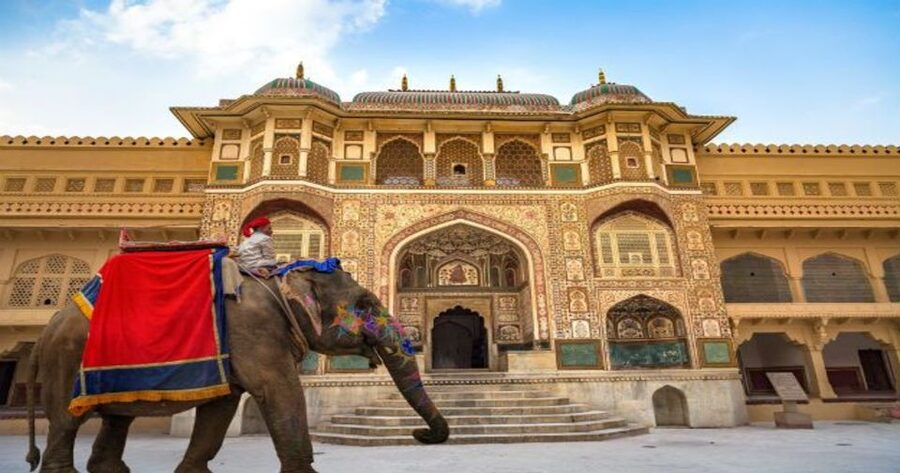
Your Delhi day is designed around a compact “greatest hits” route that still includes a few stops many people miss. Depending on your pickup location (Delhi, Noida, or Gurgaon), you’ll get picked up and start with monuments in the city center.
You’ll visit Qutub Minar, a historic landmark tied to the early Delhi Sultanate era. It’s the kind of site where the shape alone makes you stop, but the guided context helps you understand what you’re actually looking at.
Next comes Lotus Temple (Bahai Temple), a modern spiritual space that changes the mood from stone-and-time to calm and light. Then you’ll see India Gate and the stepwell Agrasen Ki Baoli, which is one of those quietly cool places where the geometry catches your eye. If you enjoy architecture, this stop is a nice change from the usual palace-temple rhythm.
The day also includes a scenic drive past Parliament House and the President’s Palace. You’re not there to tour inside, but it gives you a sense of the city’s present-day power center before you head out to Agra.
Day 2 to Agra: Taj Mahal sunrise timing that actually helps
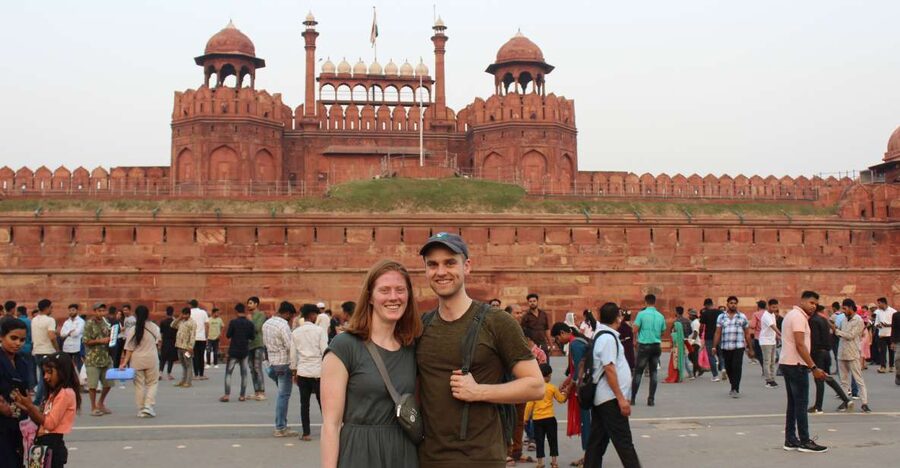
This is the headline day. You’ll wake early for sunrise over the Taj Mahal, then enjoy a guided visit of about two hours. The big advantage here is timing: the tour is built to help you see the monument before the busiest crowds fully arrive.
You’re also set up for convenience at the Taj Mahal parking area. The tour includes a battery bus ride to and from the Taj Mahal up to the monument area, which saves time and energy in the heat and foot traffic.
Inside, you’ll get guided structure for what to look at. The Taj Mahal is famously photogenic, but a good guide keeps you from only chasing Instagram angles. You’ll get the “why” behind the design and the layout, not just the “where.”
After the Taj visit, you head back to your hotel for breakfast, then continue sightseeing in Agra later that day.
Agra afternoon: Agra Fort and Itimad-ud-Daulah, the Baby Taj
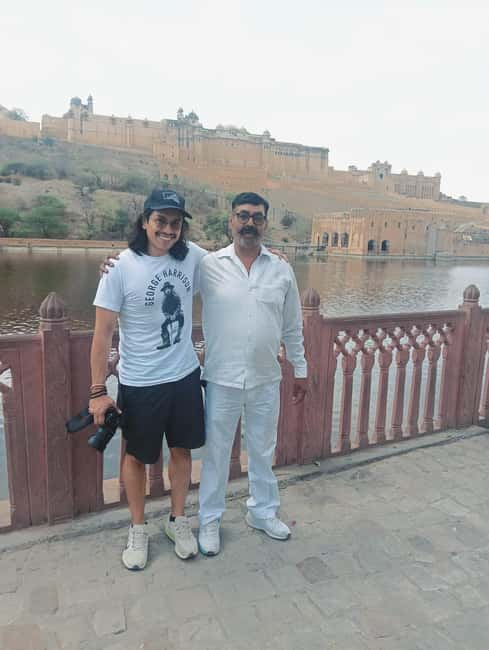
Agra is where you go from the headline monument to the rest of the story. You’ll visit Agra Fort after lunch or mid-afternoon pacing (the exact timing can shift with sunrise and road conditions). Agra Fort gives you a defensive-and-royal context for the city, and it helps the Taj Mahal feel less like an isolated icon.
Then comes Tomb of Itimad-ud-Daulah, often called the “Baby Taj.” This stop is worth your attention if you like craftsmanship details. It’s smaller than the Taj Mahal, but that’s part of the appeal: you can actually take in the workmanship without feeling like you’re only passing through.
A practical note: monument visiting can take more time than expected when you factor in ticket lines and security checks. The private guide setup helps here, because you’re not trying to translate everything by yourself on the ground.
Day 2 road to Jaipur: five hours of scenery plus comfort

After Agra, you’ll drive to Jaipur (about 5 hours). This is where the tour’s comfort choices pay off, because road time can either feel like a slog or like a break.
You travel in a private, air-conditioned vehicle, sized to your group (a 4-seater sedan for 1–2 people, a 6-seater wagon for 3–4, and a 10-seater minivan for 5–10). Either way, it’s a big upgrade from piecing together local transport while dragging your sightseeing schedule behind you.
You’ll also have bottled mineral water during the journeys. It sounds small, but it helps when the day starts early and you’re moving again right after breakfast.






Day 3 Jaipur: Amber Fort, Panna Meena ka Kund, and Jal Mahal views

Jaipur’s day starts with Amber Fort, one of the most satisfying forts in India because it feels like a palace you can walk through, not just stone walls from the outside. The fort can be busy, so arriving early gives you better viewing and fewer crowds in key areas.
Before Amber, you stop at Panna Meena ka Kund, an ancient stepwell with symmetrical staircases. This is a smart inclusion if you like structure and history, because it’s different from the usual fort-and-temple pattern.
Then you’ll see Jal Mahal, the “water palace.” Even if you don’t spend a long time there, it’s a beautiful sight stop that breaks up the fort-focused rhythm.
Next is Gatore ki Chhatriyan, known for intricately carved cenotaphs. This is one of those “slow down and look” stops where carvings and memorial design matter more than speed.
Finally, you’ll reach Palace of the Winds (Hawa Mahal). It’s iconic for a reason, and a guide helps connect its design to daily life and the way royal women once could observe street activity.
Jaipur city core: Jantar Mantar Observatory and Maharaja’s City Palace
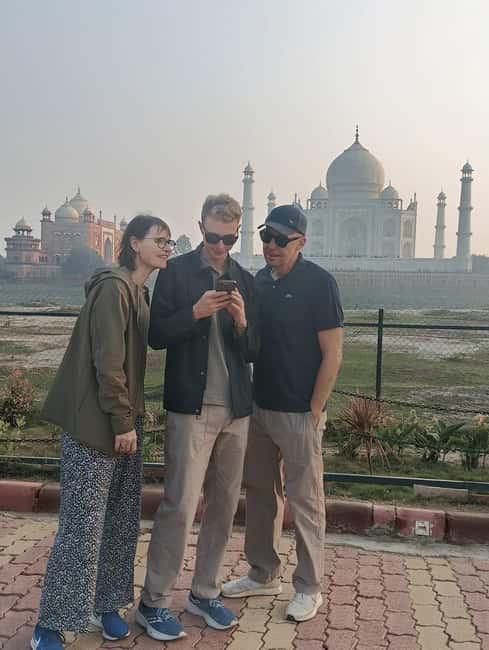
After the big Amber/Hawa Mahal combination, the tour keeps going into Jaipur’s city center with Jantar Mantar Observatory and Maharaja’s City Palace. This part of the day is valuable because it shifts from royal architecture to scientific instruments and city governance.
Jantar Mantar is the kind of place where scale and angles matter. If you like astronomy or old-school engineering, you’ll likely enjoy it more than you expect. A guide helps you read the “logic” behind the structures instead of treating them like random stone math.
Then City Palace rounds things out by linking the monument style to the living royal legacy. Even if you’re not a deep history fan, the palace grounds give you a sense of how Jaipur functioned as both a seat of power and a home.
The day ends with an overnight stay in Jaipur, so you’re not sprinting back to Delhi the same night.
How the guides and transport keep this luxury tour from feeling stressful
A private guide makes a difference in India, mostly because it changes your pace. You’re not hunting for the right entrance or trying to interpret ticket desks. You also avoid the common trap of arriving somewhere impressive but only half-understanding what you’re seeing.
Your tour includes private local guides for sightseeing, and the plan notes that you’ll be assigned new guides in each destination. In the feedback for similar North India trips, people highlighted guide support such as Raj for making monuments feel clear and navigable. Drivers like Dinesh and Nitin also got praised for punctual, friendly service and good recommendations for where to eat.
Transport is also handled in a way that protects your schedule. Private vehicle + airport/train/hotel drop-offs reduce the end-of-day friction. And because the tour includes pick-up and drop-off at hotels and transit hubs, it’s easier to start and end without stress.
A few logistics details to keep in mind:
- Some monuments may not accept credit cards, so carry some cash or ask your driver to help find an ATM.
- The tour provides bottled mineral water during journeys, which is a nice small comfort on travel days.
- English, French, Japanese, Spanish, Hindi, German, and Italian are supported, so you have a decent chance your guide matches your language needs.
Hotel comfort: luxury stays, breakfast, and room-sharing reality

If you choose the option that includes accommodation, you’ll get 3 nights in luxury hotels plus daily breakfast. That’s a big part of the value for a short tour because good sleep is what keeps a sunrise day fun instead of painful.
Rooms are generally twin-sharing. In a booking of 3 people, rooms default to triple-sharing unless you request 2 rooms for the group and pay an additional cash charge. If you’re traveling with friends and want privacy, it’s worth clarifying this early so you don’t get surprised on arrival.
I also like that the tour emphasizes personal care and attention. That shows up in the day-to-day feel: pick-up at your location, support with timing, and a guide present for the key sights.
Price and entry tickets: where the real cost usually lands
The listed price shows $5 per person, which sounds like a deal that would be too good to be true. The catch is that monument entry tickets are not included, and the tour data gives an estimate of about $75 USD per person including all monuments.
It’s common for entry tickets to be the biggest variable cost on the ground, and here it’s no different. Your tour price covers the private guiding, transport, and included items like the battery bus to the Taj area. But you still need to budget for ticket fees at each major stop.
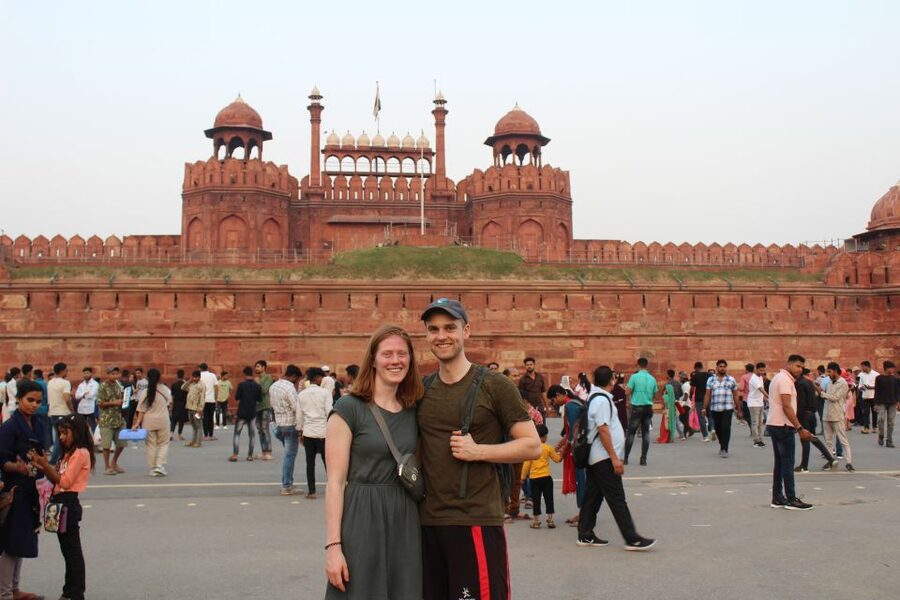
One detail to double-check before you pay: the provided meeting point notes mention an entry ticket they will get once they reach at the Red Fort. That doesn’t neatly match the monument list for Delhi/Agra/Jaipur. So, do yourself a favor and confirm with the operator exactly which monument tickets are included and which are paid separately.
Also remember that some sites may not accept credit cards, so having cash helps keep the day smooth.
Who should book this 4-day luxury Golden Triangle tour
This tour fits well if you want your first Golden Triangle trip to feel guided and low-stress. It’s especially good for:
- You want a fast intro to Delhi, Agra, and Jaipur without juggling transport.
- You care about seeing the Taj Mahal early rather than only standing in peak-hour lines.
- You prefer luxury hotel comfort with private local guides.
It may not be the best fit if:
- You’re expecting fully independent travel with no guides at all.
- You want a long, unhurried pace. This itinerary is built to move.
- You’re pregnant; the tour is marked as not suitable.
If you enjoy architecture, forts, and “look closer” sightseeing, you’ll likely appreciate the blend here: Qutub Minar and Agrasen Ki Baoli in Delhi, Taj Mahal plus Agra Fort and Itimad-ud-Daulah in Agra, then Amber Fort and the royal Jaipur sights.
Should you book it
I’d book this if you want a private, luxury-leaning Golden Triangle with smart timing for the Taj Mahal and guides to help you understand what you’re seeing. It’s also a good call when you want comfortable transport and someone else handling the daily flow.
I’d pause and confirm details if you’re budget-sensitive or you don’t want to worry about ticket costs on top. The entrance-ticket situation needs a quick check (especially the note about Red Fort tickets versus the stated non-inclusion of monument tickets), and carrying some cash is a smart move.
If you want a clean first run through North India’s headline monuments with less friction, this tour has the right structure to make it work.
FAQ
What cities are included in the Golden Triangle tour?
The tour covers Delhi, Agra, and Jaipur over 4 days, with sightseeing in each city and a final drop-off back in Delhi.
Does the tour include a Taj Mahal sunrise visit?
Yes. Day 2 includes an early visit for sunrise over the Taj Mahal, with a guided tour of about two hours before the crowds arrive.
Are hotel stays included in the price?
Hotel stays are included only if you choose the option that includes accommodation. Otherwise, you can book your own place to stay.
How do I get to the Taj Mahal during the visit?
The tour includes a battery bus ride from the Taj Mahal parking area up to the Taj Mahal monument area, and back again.
What’s the group transport like?
Transportation is by a private vehicle sized to your group: a 4-seater sedan for groups of 1–2, a 6-seater wagon for groups of 3–4, and a 10-seater minivan for groups of 5–10.
What documents and money should I bring?
Bring your passport or ID card. Also note that some monuments may not accept credit cards, so carrying some cash or asking your driver to help find an ATM is a good idea.