REVIEW · NEW DELHI
3 Day Luxury Golden Triangle Tour to Agra & Jaipur from New Delhi
Book on Viator →Operated by LUNES TRAVEL SERVICES · Bookable on Viator
Three cities, one well-run itinerary. This private luxury-style Golden Triangle trip strings together Delhi, Agra, and Jaipur with a licensed guide and a sunrise Taj Mahal visit, plus UNESCO stops that are planned for timing instead of guessing. I especially like the door-to-door pickup across Delhi NCR and the fact that you get a government-approved guide in each city, so you’re not just looking at monuments, you’re understanding them.
The main consideration is pacing. This is a packed route with early starts (the Taj is sunrise) and a mix of entry types, so you’ll want to plan for a long day and remember that lunch, dinner, and tips are not included.
In This Review
- Key Highlights You’ll Feel From Day One
- How the Private Golden Triangle Plan Saves You Headaches
- Day 1 in Delhi: UNESCO Sites, Old Delhi by Rickshaw, and a Proper Introduction
- Qutub Minar: The Giant Minaret That Sets the Tone
- Lotus Temple: Peaceful Architecture Break
- India Gate, Parliament House, and Rashtrapati Bhavan: Quick Hits With Context
- Agrasen Ki Baoli: A Stepwell With Legend Energy
- Humayun’s Tomb: UNESCO Mughal Grandeur
- Chandni Chowk: Shopping Streets and Old Delhi Energy
- Jama Masjid and Old Delhi by Rickshaw
- Red Fort: The Big Finale in Delhi
- Drive to Agra
- Day 2 in Agra: Sunrise Taj Mahal Plus the Fort and the Baby Taj
- Taj Mahal at Sunrise: Why This Timing Matters
- Agra Fort: The Power Behind the Beauty
- Itmad-ud-Daula (Baby Taj): Details You’ll Want More Time For
- Transfer to Jaipur
- Day 3 in Jaipur: City Palace, Hawa Mahal Windows, and Jantar Mantar Timekeeping
- City Palace: Where Style Meets Governance
- Hawa Mahal: The Palace of Windows
- Jantar Mantar: Astronomy Made Visible
- Jal Mahal: A Lake-Set Pause
- Panna Meena ka Kund: Stepwell Symmetry Near Amber Fort
- Return to Delhi or Drop at Jaipur Airport
- What’s Really Included (and Why It’s Worth Noticing)
- Private transportation that matches your group
- Guides in all three cities
- Entry tickets are mixed, not all-or-nothing
- Small comforts added to the big ones
- Lodging and breakfast are conditional
- The Likely Downsides: Packed Days and Missing Meals
- Early morning expectations
- You might feel a little time-pressed in markets
- Lunch, dinner, and tips are not included
- Who This Tour Fits Best (and Who Should Skip It)
- Great for
- Maybe not ideal for
- Should You Book This 3-Day Luxury Golden Triangle Tour?
- FAQ
- How long is the tour?
- Where is pickup offered?
- Which cities are included in the itinerary?
- Is the Taj Mahal visit at sunrise included?
- Are entrance tickets included for attractions?
- Is accommodation included?
- What kind of vehicle will I ride in?
- What is not included in the tour price?
- Is there free cancellation?
Key Highlights You’ll Feel From Day One
- Pickup anywhere in Delhi NCR including airport, hotels, and even an Airbnb address
- Licensed, government-approved guides in all three cities
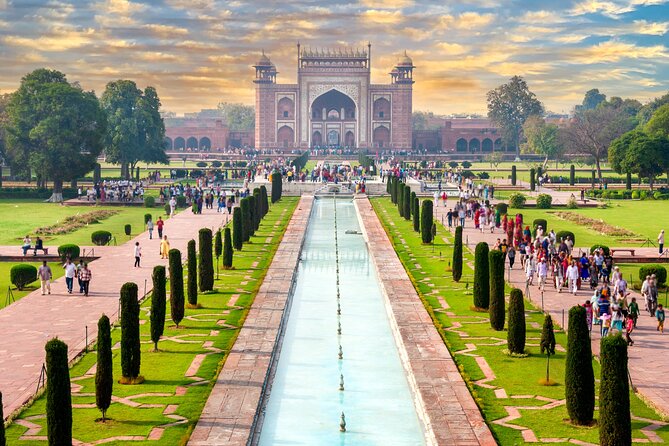
- Sunrise Taj Mahal with guided entry plus a free battery bus from Taj Mahal parking to the main gate
- A focused UNESCO hit list: Qutub Minar, Humayun’s Tomb, Taj Mahal, Agra Fort, Jantar Mantar, and more
- AC private vehicle sized to your group (sedan, SUV, or tempo traveler)
- 2 nights of accommodation and daily breakfast when you book the hotel package
How the Private Golden Triangle Plan Saves You Headaches
If your idea of travel is seeing big-ticket sights without wasting hours figuring out transport, routes, and ticket lines, this tour hits the mark. You start with pickup from Delhi, Gurugram, or Noida, then you move city to city in a private AC vehicle. That matters more than it sounds. In India, time lost to logistics can eat the best parts of your days.
Two things make this feel particularly smooth: the guides and the timing. The itinerary is designed around major anchors like Qutub Minar and Humayun’s Tomb in Delhi, then Taj Mahal at sunrise in Agra, and the signature Jaipur sites like City Palace, Hawa Mahal, and Jantar Mantar. And because the guides are licensed and government-approved, you get explanations that stick.
Luxury here is less about name-brand hotels and more about reducing friction: fewer decisions, less negotiation, and fewer chances to get “stuck” in transit while you’re trying to fit everything into three days. One solo traveler mentioned a guide named Aman and said the structure made a first trip to India much easier, especially for figuring out where to go and how to get there without added stress.
You can also read our reviews of more tours and experiences in New Delhi.



Day 1 in Delhi: UNESCO Sites, Old Delhi by Rickshaw, and a Proper Introduction
Your first day is basically Delhi orientation, with both the grand and the everyday baked in.
Qutub Minar: The Giant Minaret That Sets the Tone
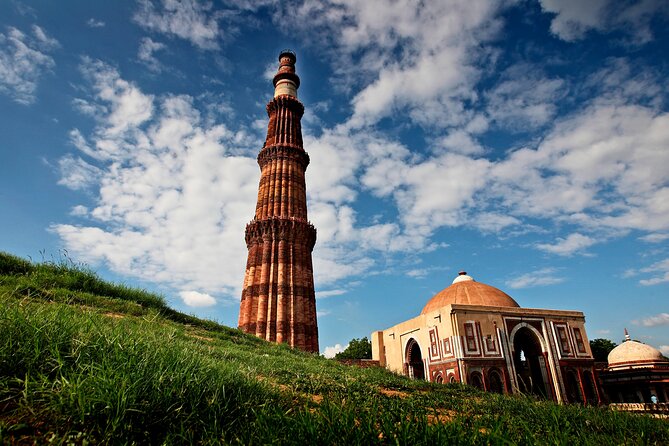
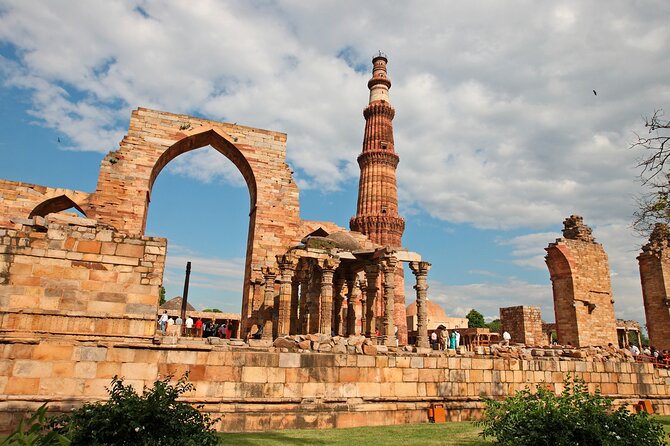
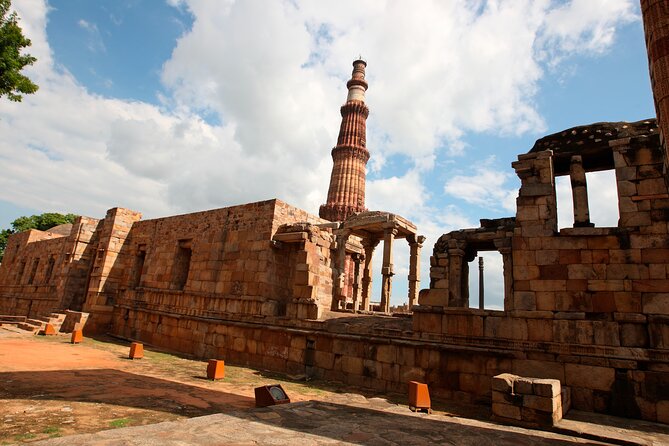
You’ll start at Qutub Minar, a UNESCO World Heritage Site and a standout early-13th-century brick minaret. It’s listed as about 73 meters tall, and the guide-led pacing (around an hour) gives you time to really notice details instead of just taking photos and rushing on. This is the kind of stop that makes Delhi feel bigger than you expected.
Lotus Temple: Peaceful Architecture Break
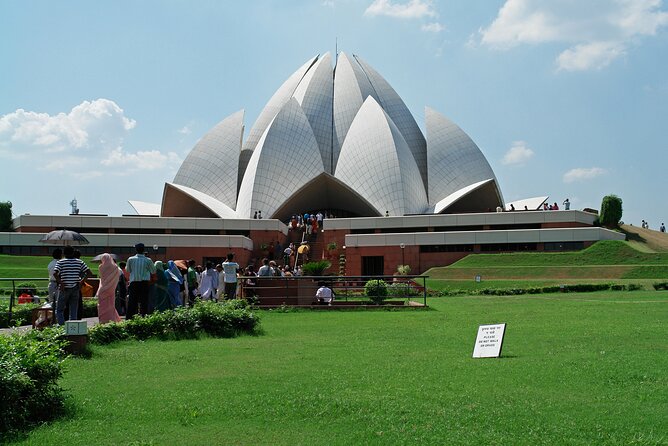
Next is the Lotus Temple, with free entry and about 30 minutes. The cool thing here is contrast. After Qutub Minar’s height and historical weight, the Lotus Temple offers a calmer, more modern spiritual vibe, and you can use the time to reset before the day turns louder.
India Gate, Parliament House, and Rashtrapati Bhavan: Quick Hits With Context
You’ll also pass India Gate (free entry), Parliament House (quick look), and Rashtrapati Bhavan (quick look). These are shorter stops, so they’re best if you treat them like a guided walk-by plus a few key stories. They help you understand what the capital looks like when you zoom out from monuments into power and governance.






Agrasen Ki Baoli: A Stepwell With Legend Energy
Then comes Agrasen Ki Baoli, another short stop with free entry. Stepwells can be surprisingly compelling. Even in a quick visit, you get a sense of how water storage and community space worked in older Delhi—part architecture, part local legend.
Humayun’s Tomb: UNESCO Mughal Grandeur
After that, you’ll spend about an hour at Humayun’s Tomb with admission included. It’s UNESCO-listed and a major Mughal mausoleum, and this is one of the best places in Delhi for “slow looking.” If you only have a day in Delhi, this is the sort of stop that earns its time.
Chandni Chowk: Shopping Streets and Old Delhi Energy
The itinerary shifts into Old Delhi. You get time at Chandni Chowk (about an hour, free entry). You’ll see markets connected to spices, dried goods, jewelry, and saris. This part is for browsing and people-watching rather than checking off a museum list.
Jama Masjid and Old Delhi by Rickshaw
Next is Jama Masjid (about an hour with admission included). Then you take a rickshaw ride through Old Delhi for about 30 minutes, also with included entry. The rickshaw segment is one of the most memorable ways to see the area’s layout without spending hours walking narrow lanes.
Red Fort: The Big Finale in Delhi
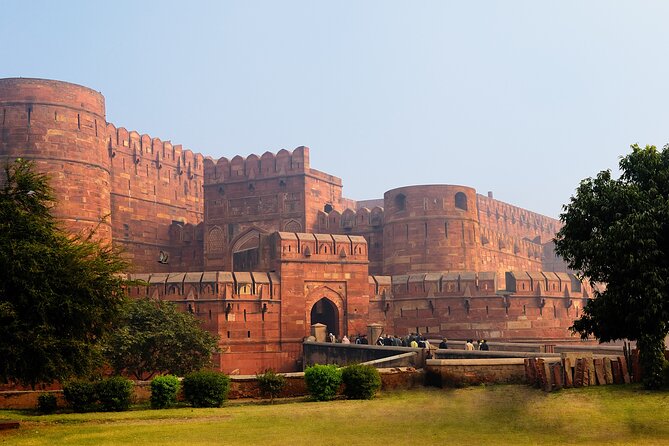
You finish Delhi with Red Fort, UNESCO-listed, with entry included. It’s timed as a shorter stop (about 30 minutes), which means you’ll want to focus on the outer scale and the key sections your guide points out. Think of it as a dramatic closer for Day 1 before you head to Agra.
Drive to Agra
Finally, you transfer to Agra for about 3 hours, check into your hotel, and sleep in Agra for the sunrise the next morning. This is important: you’re not doing a day trip to Agra that burns the morning.
Day 2 in Agra: Sunrise Taj Mahal Plus the Fort and the Baby Taj
Agra is where this tour earns its name. The key is sunrise at the Taj Mahal, guided for about 3 hours with admission included.
Taj Mahal at Sunrise: Why This Timing Matters
Seeing the Taj Mahal at sunrise isn’t just a romantic idea. The early light helps the marble look softer and more dimensional, and it can make the experience feel less like a checklist. With a guided visit, you’re not just staring at the dome; you’re learning the symbolism, the architecture, and the layout that connects the complex.
Also, there’s a practical bonus: you get a free battery bus ride from Taj Mahal Parking to the main entry gate, which saves you from a longer walk right when your morning energy is still ramping up.
Agra Fort: The Power Behind the Beauty
After the Taj, you’ll visit Agra Fort, UNESCO-listed, for about an hour with admission included. This is where the story shifts from aesthetic perfection to political and military strength. Forts are good for understanding how empires defended territory and governed from inside walls.
Itmad-ud-Daula (Baby Taj): Details You’ll Want More Time For
Then comes Itmad-ud-Daula, often called the Baby Taj, with about 30 minutes and admission included. It’s shorter on purpose, but that’s also why it works on a three-day schedule. You’ll focus on marble work and craftsmanship—things you might miss if the timing were longer and you were exhausted.
Transfer to Jaipur
You then travel to Jaipur for about 5 hours, check in, and spend the night there. This drive is part of how the tour stays “luxury” in practice: private car all the way, instead of switching transport modes.
Day 3 in Jaipur: City Palace, Hawa Mahal Windows, and Jantar Mantar Timekeeping
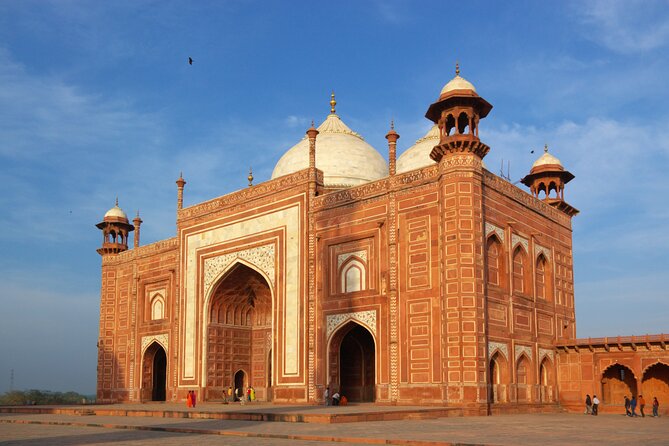
Jaipur’s schedule is carefully stacked with major icons that each show a different side of the city.
City Palace: Where Style Meets Governance
You start with City Palace, about 1 hour with admission included. It’s described as a blend of Rajput and Mughal architecture, and that combination matters. You get an overview of how royal life and power were expressed through design.
Hawa Mahal: The Palace of Windows
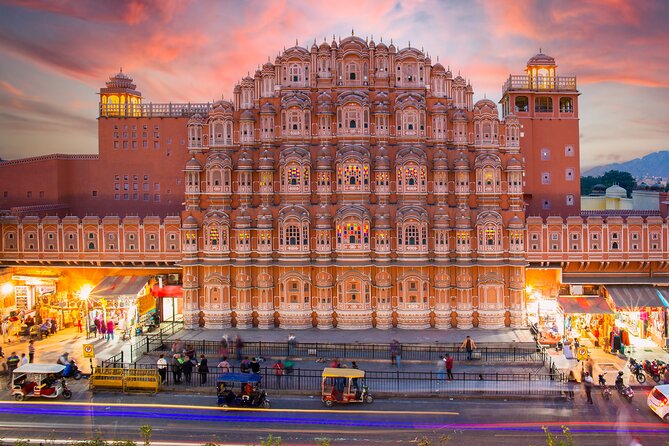
Next is Hawa Mahal, the Palace of Wind, with admission included for about an hour. Built in 1799 by Maharaja Sawai Pratap Singh, it’s known for its lattice window design. This stop is more than pretty facades. It helps you understand how architecture can serve daily life, including visibility and ventilation.
Jantar Mantar: Astronomy Made Visible
Then you visit Jantar Mantar, a UNESCO World Heritage Site, for about an hour with admission included. Built in the 18th century by Maharaja Sawai Jai Singh II, it’s an observatory tied to astronomy and timekeeping. Even if you don’t love science, this is one of those places where the forms make sense once someone points out what you’re looking at.
Jal Mahal: A Lake-Set Pause
You’ll also stop at Jal Mahal, about 30 minutes with admission included. It’s set in Man Sagar Lake, so it’s a visual breather between palace and observatory energy. It’s not a long stop, but it gives you a chance to slow down and reset your camera arm.
Panna Meena ka Kund: Stepwell Symmetry Near Amber Fort
After that is Panna Meena ka Kund, about 20 minutes with free entry. This 16th-century stepwell is known for symmetrical staircases and an octagonal design, used as a water reservoir and community gathering spot. Stepwells in general can feel surprising in a country-famous-for-monuments tour. This one adds variety without adding huge time.
Return to Delhi or Drop at Jaipur Airport
You end by either traveling back to Delhi (around 5 hours) or using a direct drop-off at Jaipur airport. This flexibility is genuinely useful if you’ve got a late flight or want to avoid a last-minute scramble.
What’s Really Included (and Why It’s Worth Noticing)
Tours like this can sound similar on paper, but the “included” details shape your experience.
Private transportation that matches your group
You’ll have an AC vehicle sized to your party:
- 1–2 people: 4-seater AC sedan
- 3–4 people: 6-seater AC SUV
- 5–10 people: 12-seater AC tempo traveler
- 11–15 people: 17-seater AC tempo traveler/mini bus
That matters for comfort. The difference between squeezing into a small car and having space to relax is big on long transfer days.
Guides in all three cities
The tour includes licensed and government-approved guides in Delhi, Agra, and Jaipur. That’s not a small detail. It’s the difference between a monument photo tour and an actually meaningful route where names, styles, and context make sense.
Entry tickets are mixed, not all-or-nothing
Many stops list admission as included, while others are free. In practice, you still get great coverage—Qutub Minar and Humayun’s Tomb come with entry included, and major sites like Taj Mahal and Agra Fort have included admission too. But because some stops are free and some are paid, I’d treat this as a plan that largely handles key tickets rather than assuming every single minute is covered.
Small comforts added to the big ones
You get free mineral water bottles during journeys. You also get an easy win at the Taj Mahal via the included battery bus from the parking area to the main entry gate. These are the kinds of details that keep the morning from feeling like a chore.
Lodging and breakfast are conditional
You get 2 nights’ accommodation and daily breakfast only when you book with the hotel option included. If you’re already planning your own hotels, double-check that your package matches what you think is included. It’s a normal traveler mistake, and it affects the value.
The Likely Downsides: Packed Days and Missing Meals
This tour is popular for a reason, but it’s not built for slow travel.
Early morning expectations
Because Taj Mahal is at sunrise, you’ll likely be starting the day earlier than your body likes. The good news is that it’s planned: you’re staying overnight in Agra, so you’re not waking up in Delhi for an impossible commute.
You might feel a little time-pressed in markets
Old Delhi elements like Chandni Chowk are included for browsing and shopping areas, but the time blocks are finite. If you plan to buy souvenirs aggressively, you’ll have to move fast or schedule your own extra time off-tour.
Lunch, dinner, and tips are not included
The tour doesn’t include lunch or dinner, and tips/gratuities aren’t included. This isn’t unusual, but it does change your real total cost. I’d budget meals separately so you’re not mentally switching gears mid-trip.
Who This Tour Fits Best (and Who Should Skip It)
Great for
- First-time visitors to India who want the route handled
- Solo travelers who want structure and a guide in each city
- Groups who value private transport and don’t want to negotiate daily plans
- Anyone who wants a strong hit list: Delhi + Agra + Jaipur with major UNESCO stops
Maybe not ideal for
- Travelers who want deep, slow exploration where every street needs hours
- People who hate early mornings (sunrise Taj is part of the deal)
- Budget travelers who also need lunch and dinner included in the price
Should You Book This 3-Day Luxury Golden Triangle Tour?
If you want the Golden Triangle experience with fewer logistics headaches, I think this is a smart booking. The big wins are the private AC transfers, the government-approved guides in all three cities, and a plan that hits the Taj Mahal at sunrise without relying on guesswork. The included battery bus at the Taj Mahal is also the kind of practical detail you’ll appreciate once you’re there.
I’d book with the hotel package if you want the smoothest overall value, since 2 nights’ accommodation and breakfast are part of that option. And if you do book, plan for meals on your own and keep your expectations realistic: this is a three-day route with major sights, not a slow roaming vacation.
If your priority is seeing Delhi, Agra, and Jaipur with strong structure and minimal daily decision-making, this tour is built for you.
FAQ
How long is the tour?
The tour runs for 3 days (approx.).
Where is pickup offered?
Pickup is available from any address in Delhi, Gurugram, or Noida, including the airport, hotel, or an Airbnb.
Which cities are included in the itinerary?
The tour covers New Delhi, Agra, and Jaipur.
Is the Taj Mahal visit at sunrise included?
Yes. The Taj Mahal is scheduled at sunrise and includes a guided visit with admission ticket included.
Are entrance tickets included for attractions?
Some attractions have admission ticket included, while others are free. For example, Qutub Minar and Humayun’s Tomb include admission tickets, while Lotus Temple and India Gate are listed as free.
Is accommodation included?
Accommodation for 2 nights and daily breakfast are provided when you book with hotels included.
What kind of vehicle will I ride in?
The car type depends on group size: a 4-seater AC sedan for 1–2 people, a 6-seater AC SUV for 3–4, a 12-seater AC tempo traveler for 5–10, and a 17-seater AC tempo traveler/mini bus for 11–15.
What is not included in the tour price?
Tips and gratuities are not included, and lunch and dinner are not included.
Is there free cancellation?
Yes, free cancellation is available. You can cancel up to 24 hours in advance for a full refund.