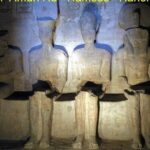
A good day in Luxor is the one you can actually enjoy. This private West Bank tour strings together the big name tombs and temples with low-stress transport, a licensed guide, and a plan that helps you avoid wasting time. I like that you get included entry for many major sites, plus round-trip pickup in a private A/C vehicle—so the day feels smooth instead of chaotic.
The one thing to double-check is the extras. Lunch is only included if you pick the option with lunch, and the Valley of the Queens admission is listed as not included, so you’ll want to confirm what tickets you’ll need for the specific tombs you want to see.
In This Review
- Key highlights I’d plan my day around
- A West Bank day that feels like it has a pulse, not a crowd
- Price and logistics: what you’re really paying for at $14
- Valley of the Kings: seeing royal power in stone
- Deir el-Bahari and Hatshepsut: the temple that reads like a “how-to” for power
- Colossi of Memnon: two statues, one big sense of scale
- Medinet Habu (Temple of Ramesses III): where painted stories still feel alive
- Deir el-Medina (Valley of the Artisans): the workers behind the tombs
- Valley of the Queens + Nobles: a quieter kind of royal power
- Lunch, water, and heat planning for an 8-hour day
- The guide and driver experience: why people remember the people, not just the places
- Who should book this West Bank private tour
- Should you book this Luxor West Bank private tour?
- FAQ
- How long is the West Bank private tour in Luxor?
- Where does the tour pick you up?
- Is this tour private or shared?
- What’s included for food and water?
- Are entrance fees included?
- What sites are included in the day?
- Is tipping included in the price?
- What kind of transportation do you use?
- Can I cancel for a full refund?
Key highlights I’d plan my day around
- Private A/C vehicle pickup from your hotel or Nile cruise, for an 8-hour circuit across the West Bank
- Habu Temple at Medinet Habu, with a long look at Ramesses III and nearby temple areas
- Deir el-Medina (Valley of the Artisans), where worker life and tomb decoration come into focus
- Valley of the Kings + Hatshepsut at Deir el-Bahari, the classic combo that explains royal burial and power
- Flexible pacing with a private format, so you’re not forced to rush through every stop
- Water and snacks included, which matters in Luxor heat, especially when you’re moving all day
A West Bank day that feels like it has a pulse, not a crowd
The West Bank in Luxor can turn into a traffic jam of bodies, tickets, and short tempers. What makes this tour feel worth it is the private structure: you’re picked up, driven between sites, and guided on foot so you’re not constantly figuring out the next step. In practice, this is the difference between seeing the Valley of the Kings from far away and actually understanding what you’re looking at.
I also like that the trip is built around the West Bank’s main themes: royal tombs, royal temples, and the people who built them. You’re not just checking boxes. You’re moving through different layers of Thebes—pharaohs first, workers alongside them, then queens and nobility in their quieter valleys.
You can also read our reviews of more tours and experiences in Luxor.



Price and logistics: what you’re really paying for at $14
Let’s talk value in real terms. At $14 per person (private tour pricing on many platforms can be much higher), you’re paying for four big things that usually cost extra elsewhere: private transport, a professional guide, most entrance coverage (with one noted exception), and food/water support for the day.
A few practical items from the tour details matter more than you’d think:
- You get round-trip pickup from your hotel or Nile cruise.
- The vehicle is private and air-conditioned, which is huge in Luxor’s heat.
- You receive water (listed as 1 bottle of mineral water) and there’s mention of snacks to keep your energy steady.
Two small cautions: entrance fees and lunch depend on the exact option you choose. Also, tipping is not included, so factor that into your budget if you want to handle it the way you would at home.
Valley of the Kings: seeing royal power in stone
The day starts with the Valley of the Kings, the ancient royal burial ground where pharaohs arranged a long-term plan for life after death. This is where you’ll feel why these tombs were more than graves—they were designed as carefully decorated passages, built to be understood by priests and royalty, not just by later tourists.
The tour gives you about two hours here, including an admission ticket listed as included. That’s a good amount of time because the Valley of the Kings can be a lot all at once: tight spaces, uneven paths, and tomb doors that look similar until you know what you’re searching for. With a guide, you can focus on the parts that tell you the most—how the tomb decoration works and what the royal names mean in the story of Egypt’s New Kingdom.
If you’re the type who wants to linger, a private format helps. You can spend more time on the tombs that grab you and less on the ones you find less interesting.
Deir el-Bahari and Hatshepsut: the temple that reads like a “how-to” for power
Next up is the Temple of Hatshepsut at Deir el-Bahari. If you’ve heard anything about Hatshepsut, it’s usually her role as a standout female pharaoh. Here, you see that legacy in architecture: the temple’s dramatic terracing makes the setting feel like part of the message.
You get about one hour, and the admission ticket is listed as included. One hour sounds short, but for Deir el-Bahari it’s usually enough if your guide points out what matters. You’ll want to pay attention to the layout and the way the temple’s approach guides your eye upward—because this place was designed to impress you before you even reach the details.
Also, this stop breaks the day’s rhythm. After the Valley of the Kings, Deir el-Bahari feels open and sculpted, not sealed and narrow. It’s a smart tempo change.
Colossi of Memnon: two statues, one big sense of scale
Then comes the Colossi of Memnon, two massive twin statues carved from quartzite sandstone. This is the sort of stop that can feel quick, but it’s worth taking slowly because the scale is the point. You’re looking at work meant to last, meant to be seen from a distance, meant to say, I was here.
Your time here is about 30 minutes, with admission listed as included. I recommend using this stop for orientation. If you’re feeling tired from earlier walking, this is also a good moment to pause, take photos, and let your eyes adjust before the day moves toward Medinet Habu.






Medinet Habu (Temple of Ramesses III): where painted stories still feel alive
The heart of the West Bank for many people is Medinet Habu, especially the Mortuary Temple of Ramesses III. The tour plan gives you around two hours in this area, with admission listed as included. That extra time matters because Medinet Habu is dense with details, and the temple complex has multiple sections that reward a guide’s explanations.
This is also where the tour’s description shines: the vivid paintings and carved scenes tell stories of the past in ways that feel less like decoration and more like a historical record. You’ll also see that Medinet Habu isn’t a single building. The tour mentions other temple areas inside the Habu Temple complex, including the Temple of Amun dating to the 18th Dynasty, with connections to Queen Hatshepsut and Thutmose III.
If you’re a visual person, this stop is one you’ll remember even after you leave Luxor. It’s not just the size. It’s the way the scenes are organized and how the names and roles connect.
Deir el-Medina (Valley of the Artisans): the workers behind the tombs
After the royal temples and royal tombs, the tour shifts gears to something more human: Deir el-Medina, often called the Valley of the Artisans. This is where you learn that tombs weren’t created by myths alone—they were made by workers, artisans, and specialized crews who lived near the work.
You get about two hours here, and the admission ticket is listed as included. The key value is that Deir el-Medina helps you understand the system behind the monumental results. The tour description talks about well-preserved paintings and about the daily lives of workers.
This is also where the West Bank becomes more than a set of impressive ruins. You’ll start noticing patterns: how scenes were planned, what kinds of work mattered, and why the burial economy depended on skilled people. Even if you’re not a “history person,” you can appreciate the craft.
Valley of the Queens + Nobles: a quieter kind of royal power
Now we move into the Valley of the Queens, also known by the Egyptian name Ta-Set-Neferu. The tour description frames this as burial ground for the wives of pharaohs, but it also expands the story to include queens, princes, princesses, and nobility. This valley is near the Valley of the Kings, but the vibe is different—less about grand spectacle and more about sacred residence in the afterlife.
Important detail: the tour data lists Valley of the Queens admission as not included for this stop. That means you should plan for possible extra ticket costs if you want to enter specific tomb spaces. Your guide can help you decide what fits your time and budget once you’re there.
The day continues to the Tombs of the Nobles, described as a place with more than 400 tombs, and this stop lists admission as included. This is where the tour adds a strong afterlife angle: the tombs feature cryptic passages from the Book of the Dead, meant to guide people through what comes next.
Also, the tour plan specifically mentions Queen Nefertari’s tomb as a major point of this part of the day. If you’ve come to Luxor wanting one queen-linked highlight, this is the best place in the schedule for that.
Lunch, water, and heat planning for an 8-hour day
The tour runs about 8 hours, and that kind of time adds up in Luxor. Your best “success strategy” is hydration and pacing.
Here’s what the tour details explicitly support:
- Water is provided (listed as 1 bottle of mineral water).
- Snacks are mentioned as part of keeping you energized.
- Lunch is included only if you choose the option that includes lunch (it’s listed as part of the Car+Guide+Entry+Lunch choice). If you don’t choose that option, lunch becomes optional.
So, decide what you want from the day:
- If you’d rather stay focused and not negotiate meals mid-tour, choose the lunch option.
- If you like flexible dining, you can plan your own stop—just make sure you don’t lose too much time.
And because it’s private and organized, you can ask your guide for practical pacing. On a day packed with temples and tombs, a few minutes of smart timing can save your energy for the most important sights.
The guide and driver experience: why people remember the people, not just the places
The tour’s value isn’t only in the sites. It’s also in the way it’s run—especially the driver and guide.
In the provided feedback, I noticed a clear pattern: the service feels stress-free because you’re not navigating crowds or ticket bottlenecks by yourself. Multiple comments highlight that the driver waited patiently and helped people feel at ease, including drivers named Eslam and Tareq, praised for kindness and patience. Other service mentions include Ahmat/Ahmed and guide support from Muhammed/Mohamed, noted as professional and supportive for solo travelers.
That matters because the West Bank can be tiring. When you feel cared for—AC on the ride, a calm plan on the ground—you spend more attention on the art and less on logistics.
Who should book this West Bank private tour
This tour fits you best if you want:
- A private day where the plan is handled for you.
- A mix of royal tombs and temples, plus the more personal story of artisans at Deir el-Medina.
- A day that stays organized enough to feel relaxing, not just exhausting.
It’s especially good for solo travelers who want guidance and reassurance while walking through big ancient sites. It also works for couples and small groups who prefer to set their own pace instead of being stuck in a herd.
If you’re chasing maximum tomb entry count, you may want to think carefully about ticket inclusions—since the Valley of the Queens admission is listed as not included—and confirm which tomb entries are part of your plan once you’re booked.
Should you book this Luxor West Bank private tour?
Yes—if you want a well-paced, private West Bank day with air-conditioned pickup, a professional guide, and serious attention to three standout areas: Medinet Habu (Ramesses III), Deir el-Medina, and the Valley of Queens/Nobles segment.
I’d also book if you hate the slow grind of figuring out transport between far-flung sites. The tour structure is built to cut down that friction.
The only “hold up” is budget planning: confirm whether you’re choosing the lunch option and expect there may be extra ticket costs for the Valley of the Queens portion. If you can handle that small uncertainty, the rest of the day looks like strong value for Luxor.
If that sounds like your travel style, this is the kind of West Bank tour you’ll appreciate long after the photos fade.
FAQ
How long is the West Bank private tour in Luxor?
It runs for about 8 hours (approximately).
Where does the tour pick you up?
Pickup is offered from your hotel in Luxor or from your Nile cruise in Luxor.
Is this tour private or shared?
It’s a private tour/activity, and only your group participates.
What’s included for food and water?
The tour includes 1 bottle of mineral water, and it also mentions provided water and snacks to keep you energized. Lunch is included only if you choose the option that includes lunch.
Are entrance fees included?
Entrance fees are listed as included for several stops (Valley of the Kings, Temple of Hatshepsut, Colossi of Memnon, Medinet Habu, Valley of the Artisans, and Tombs of the Nobles). The Valley of the Queens admission is listed as not included.
What sites are included in the day?
You’ll visit the Valley of the Kings, Temple of Hatshepsut at Deir el-Bahari, Colossi of Memnon, Medinet Habu (Temple of Ramesses III area), Deir el-Medina (Valley of the Artisans), Valley of the Queens, and the Tombs of the Nobles.
Is tipping included in the price?
No, tipping is listed as not included.
What kind of transportation do you use?
You get transfers by a private air-conditioned vehicle, with round-trip service from your pickup point.
Can I cancel for a full refund?
Yes. Free cancellation is available up to 24 hours in advance of the experience start time for a full refund.