REVIEW · LUXOR
4 Night Luxury Nile Cruise Egypt With Free Abu simbel
Book on Viator →Operated by Sueño Travel Egipto · Bookable on Viator
Seeing Upper Egypt without the hotel shuffle is a big win, and this luxury Nile cruise bundles most major stops into one smooth route from Luxor to Aswan. You get guided temple time (with English and Spanish support) plus the comfort of staying on the boat while the scenery changes by itself.
I especially like that the package includes all meals and that the ship setup is built for real downtime between site visits. The biggest thing to watch is that most admissions are not included, so you’ll want to budget extra cash for entry tickets to places like Karnak, Valley of the Kings, and Abu Simbel.
In This Review
- Quick Takes Before You Read the Details
- What I’d Tell a Friend
- One Trade-Off to Keep in Mind
- Key Points to Know
- Price and Logistics: What $660 Buys You (and What It Doesn’t)
- Getting Picked Up and Moving Smoothly
- Day 1 in Luxor: Karnak’s Scale and Luxor Temple’s Glow
- Karnak Open Air Museum (plus that Sphinx-lined arrival)
- Luxor Temple in the evening
- Day 2: Valley of the Kings, Deir el Bahari, and the Colossi of Memnon
- Valley of the Kings
- Temple of Hatshepsut at Deir el Bahari
- Colossi of Memnon
- Day 3: Edfu’s Temple of Horus and Kom Ombo by Nightfall
- Temple of Horus at Edfu
- Kom Ombo: Sobek the crocodile temple
- Day 4: Abu Simbel at Dawn (and Why It’s Worth the Early Start)
- The Temple Complex of Abu Simbel
- Day 5: Philae and the Aswan High Dam Before You Fly/Train Out
- Philae Temple
- Aswan High Dam
- The Ship Experience: Food, Rooms, Pool Time, and That Deck Energy
- How Much Walking Are You Actually Signing Up For?
- Guide Support and Language: English and Spanish Matters
- Who This Cruise Fits Best (and Who Should Rethink It)
- This is a great match if you want:
- You might want to rethink it if you:
- Should You Book This Luxor-to-Aswan Nile Cruise With Free Abu Simbel?
- FAQ
- How long is the cruise?
- Is Abu Simbel included?
- What’s the price per person?
- Are meals included?
- Does the tour include a guide?
- What about hotel changes and driving between cities?
- Are admission tickets included for the temples?
- Does the tour offer pickup and transfers?
- Is there a group size limit?
- When does the tour start?
Quick Takes Before You Read the Details
What I’d Tell a Friend
This is the kind of trip where you can focus on temples instead of logistics. The itinerary packs major highlights—Karnak, Luxor Temple, the Valley of the Kings, Deir el Bahari, Edfu’s Temple of Horus, Kom Ombo, Abu Simbel, and Philae—while keeping you on one ship for the whole cruise. With a maximum of 15 travelers, you should feel more like a small group tour than a school-bus situation.
You can also read our reviews of more tours and experiences in Luxor.



One Trade-Off to Keep in Mind
Because you’re covering a lot of ground with early starts, you’ll still walk and climb on most days. And since tickets aren’t included, the trip’s real total cost depends on how many places you plan to enter.
Key Points to Know
- Abu Simbel included for free: You get the dawn outing without paying a separate tour add-on.
- Meals and lodging are built in: Breakfast, lunch, and dinner are included for the cruise days.
- Small group size: Up to 15 travelers, which usually makes the pace easier to manage.
- Two-language guidance: English and Spanish speaking guides help you follow the story clearly.
- One ride fewer headache: Transfers to/from the cruise port and air-conditioned vehicle are part of the deal.
Price and Logistics: What $660 Buys You (and What It Doesn’t)
At $660 per person for about 5 days, the value comes from what’s bundled: 4 nights on a luxury Nile cruise, daily guided sightseeing, and the meals while you’re aboard. For many people, that combo is the real bargain—no need to coordinate separate hotel stays, meal plans, or day-by-day transport.
Here’s what you should mentally add on: admission tickets are not included for several key sites. In practice, that means you’ll likely still pay entry fees for attractions like Karnak, Luxor Temple, Valley of the Kings, Hatshepsut’s temple at Deir el Bahari, Edfu’s Temple of Horus, Kom Ombo, Abu Simbel, and Philae. The itinerary notes some entries as free or not included; the safe move is to plan for paid access where required.
Also note the practical stuff: tips for guides and drivers are not included. That’s standard in this region, but it’s still smart to have a plan so it doesn’t feel like an unexpected add-on at the end.
Getting Picked Up and Moving Smoothly
Start time is 8:00 am, and the tour includes an air-conditioned vehicle plus round-trip transfers to and from the cruise port. You won’t be left figuring out how to get to where the ship is docked.
Because this is a Luxor-to-Aswan route, the big advantage is simple: you avoid the classic Upper Egypt headache of changing hotels every couple of nights and driving long distances back and forth. Instead, you do day tours, then sail while you’re resting. It’s a clever way to keep energy for the actual temples.



Day 1 in Luxor: Karnak’s Scale and Luxor Temple’s Glow
Your first day is all about Luxor’s two heavyweight temples.
Karnak Open Air Museum (plus that Sphinx-lined arrival)
Karnak is one of those places where your brain needs a minute to adjust to the size. The route described includes the approach via a small avenue of sphinxes, then you’ll see the Great Court, the Hypostyle Hall, Queen Hatshepsut’s granite obelisks, and the Sacred Lake guarded by a giant scarab.
What I like about this start for you: it sets context fast. You learn what a full Egyptian temple complex looks like, not just one monument. The Hypostyle Hall alone is a “how is this real” moment.
Possible drawback: the walking can add up quickly on day one, especially if you’re jet-lagged. Wear shoes you trust. Also, admission for Karnak is not included, so budget for entry.
Luxor Temple in the evening
Luxor Temple is built by Amenophis III and features a colonnade with 14 papyrus-headed columns. The timing works well because you get dinner and an overnight on board after the visit.
Why this is a smart pairing: doing Karnak first gives you scale; then Luxor Temple feels more human-sized, and the evening atmosphere can be easier on your eyes and legs.
Day 2: Valley of the Kings, Deir el Bahari, and the Colossi of Memnon
Day two is the “wow, Egypt really means Egypt” day.
Valley of the Kings
After breakfast, you visit the Valley of the Kings and go to three real tombs. This is one of the best ways to understand Egyptian beliefs about death and the afterlife—tombs are not just rooms; they’re stories carved into rock.
How to think about it: if you’re deciding what kind of Egypt trip you want, this is where the “ancient narrative” becomes personal. You’re not only looking at stones; you’re seeing how people built meaning into them.
Consideration: Valley of the Kings admission is not included, and tombs can feel dark and cramped. Plan a little patience.
Temple of Hatshepsut at Deir el Bahari
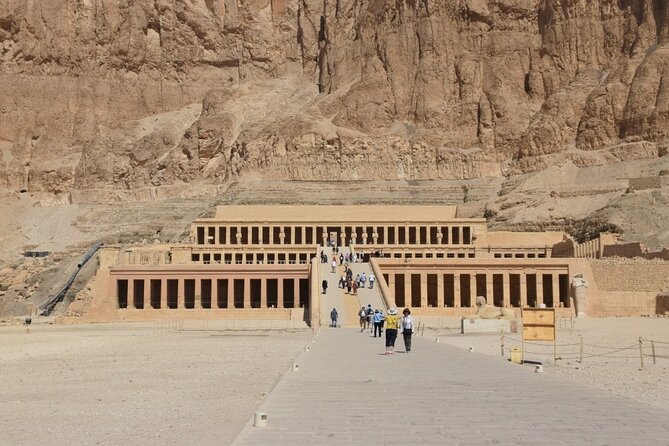
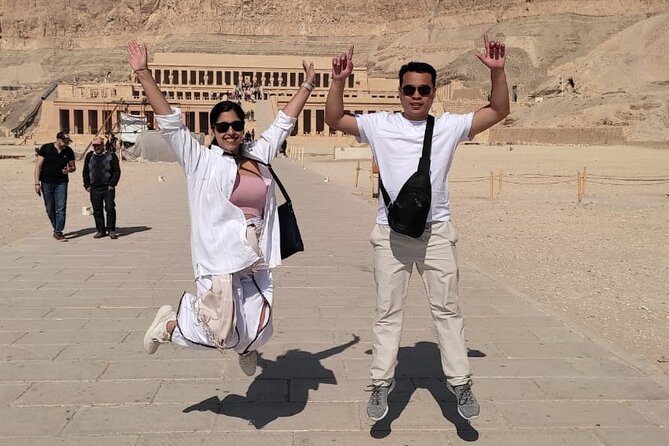
Next you’ll see the bas-reliefs at Queen Hatshepsut’s temple. The carvings illustrate her expedition to the land of Punt—an early example of how Egyptians visualized far-off journeys.
Why it matters: Hatshepsut is not just a name in a history book. This is where you see her as a ruler who commissioned major works and propaganda in stone.
Timing note: expect a solid sightseeing block here, then you return to the cruise.
Colossi of Memnon
You finish with the statues of Memnon, plus a quick look at the mystery around the site. Then you return to the boat and sailing begins toward Edfu.
Possible drawback: day two is packed. If you’re sensitive to heat or want frequent breaks, you’ll want to pace yourself and use water stops.
Day 3: Edfu’s Temple of Horus and Kom Ombo by Nightfall
This day mixes major temple architecture with the oddball charm of Egypt’s “two gods, two stories” approach.
Temple of Horus at Edfu
After breakfast, you visit the main temple conserved in Egypt, focused on the halcon Horus (Horus as a falcon). This stop is usually a standout for structure and preservation compared to many other sites.
Why you’ll like it: Edfu feels like a full temple machine—columns, corridors, and carved symbolism that reads like a design plan. If Karnak is the giant, Edfu is the well-focused work.
Admission: not included.
Kom Ombo: Sobek the crocodile temple
Arrival at Kom Ombo includes the Temple of Sobek (the crocodile). Then you continue sailing and spend the night in Aswan.
What makes this interesting: Kom Ombo’s theme is different from the other stops. It adds variety and reminds you that Egyptian religion wasn’t one-note.
Consideration: Kom Ombo admission isn’t included either, so plan for that cost.
Day 4: Abu Simbel at Dawn (and Why It’s Worth the Early Start)
Dawn is the whole point. Departure is listed for early morning, and you’ll spend about 8 hours total on the Abu Simbel excursion, including group visit time, then return to the boat for lunch and the night onboard.
The Temple Complex of Abu Simbel
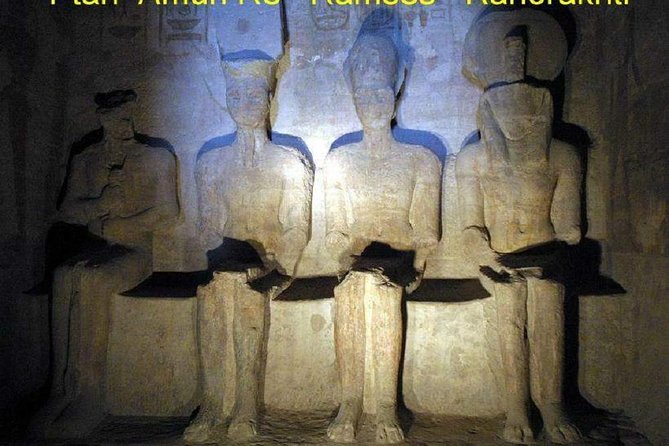
The tour highlights the work of Ramses II. This temple is famous for the scale and the sheer commitment it takes to build monumental stone where you’re supposed to work with geology and sunlight.
Why this stop is a big deal for your trip: Abu Simbel often gets treated like an add-on. Here, it’s treated like part of the core experience. That’s what you want if you’re spending limited time in Egypt.
Trade-off: it’s a long day, and the early start means you should keep sleep habits in mind. Also, admission is listed as not included, so factor that in.
Day 5: Philae and the Aswan High Dam Before You Fly/Train Out
Your last morning is designed to end with two Aswan classics.
Philae Temple
After breakfast, you visit the Temple of Philae. It’s scheduled as about 2 hours.
Why it’s a satisfying finish: it gives you one more temple style and one more set of carvings before you leave the cruise phase behind. If you’ve been temple-ing for days, Philae is a strong capstone.
Admission: not included.
Aswan High Dam
Then you visit the High Dam, inaugurated in 1971. This is the modern Egypt context—how water management shapes life now, not just in the ancient past.
Why you should care: temples are only one part of the story. Seeing the High Dam helps you understand why places like Aswan matter in the first place.
After that, you transfer to the airport or station and the service ends.
The Ship Experience: Food, Rooms, Pool Time, and That Deck Energy
This tour is built around staying aboard for four nights, so your daily comfort matters.
From what you can expect, the cruise delivers clean, tidy rooms and a setup that works for families. One review highlighted that the food had varied options with decent vegetarian choices, which is a big deal when you’re away from home for nearly a full week.
Two on-board details got real praise:
- A swimming pool on the top deck, loved by kids and great for cooling off after temple heat.
- Exercise machines on the deck, a helpful perk if you want to balance all the walking.
And yes, there was also mention of a show that felt fun and well worth the time. Since the itinerary doesn’t spell out entertainment blocks, treat it as ship-program dependent—but it’s a reassuring sign that evenings don’t have to be dead time.
How Much Walking Are You Actually Signing Up For?
This is not a “sit in a car, take photos from the window” tour. You’ll do guided visits at major sites, and those sites involve steps and uneven surfaces in places.
Plan like this:
- Bring shoes built for stone paths.
- Carry water and a hat, even if you’re not a heat person.
- If you’re sensitive to crowd flow, aim to move at your own pace and use the guide for context rather than rushing.
The good news: since you’re not changing hotels, you still get long recovery stretches between stops, especially while sailing.
Guide Support and Language: English and Spanish Matters
The tour includes an English and Spanish speaking tour guide, plus multilingual guidance during daily tours. That’s helpful because Egyptian temples can be confusing without someone explaining what you’re seeing and why it matters.
A small group size (max 15) can also make questions less awkward. You’ll spend less time listening through big gaps and more time understanding the symbols you’re staring at.
Who This Cruise Fits Best (and Who Should Rethink It)
This is a great match if you want:
- Luxury comfort without hotel-hopping
- A focused Luxor to Aswan route with the key landmarks
- Full meal coverage during your cruise nights
- A small group pace with guided time
You might want to rethink it if you:
- Hate long early starts (Abu Simbel is dawn-focused and takes most of the day)
- Don’t want to deal with separate admission tickets
- Prefer fully independent travel where you can set your own order of sites
Should You Book This Luxor-to-Aswan Nile Cruise With Free Abu Simbel?
I think you should book if you want Upper Egypt highlights packaged into a comfortable, low-stress format. The combination of 4 nights luxury, daily guided tours, included meals, and the Abu Simbel outing at no extra tour cost makes it one of those trips that’s easy to justify.
Just go in with two smart expectations: budget for admission tickets and plan for lots of site walking. If you can handle that, you’ll get a smooth route, a small-group feel, and a ship experience that includes real downtime—pool time and deck comfort included.
FAQ
How long is the cruise?
The tour runs for about 5 days, including 4 nights aboard the Nile cruise.
Is Abu Simbel included?
Yes. Abu Simbel Temple Complex is included as part of the itinerary, and it’s described as free.
What’s the price per person?
The price is listed as $660.00 per person.
Are meals included?
Yes. Breakfast, lunch, and dinner are included as listed for the cruise days.
Does the tour include a guide?
Yes. There is an English & Spanish speaking tour guide for the daily sightseeing.
What about hotel changes and driving between cities?
The cruise route avoids changing hotels and long overland transfers by handling your sightseeing while you stay aboard and sail.
Are admission tickets included for the temples?
No. Admission tickets are listed as not included for many key stops (and some are noted as free), so you should plan for separate entry fees.
Does the tour offer pickup and transfers?
Yes. Pickup is offered, and round-trip transfers to and from the cruise port are included.
Is there a group size limit?
Yes. The tour has a maximum of 15 travelers.
When does the tour start?
The start time is listed as 8:00 am.