REVIEW · LUXOR
4-Night, 5-Star Nile Cruise from Luxor to Aswan
Book on Viator →Operated by Nile Holiday · Bookable on Viator
Ancient temples, then a slow boat ride. This 4-night Luxor to Aswan cruise sets a calm pace with an Egyptologist guide and included highlights like Karnak, the Valley of the Kings, and Philae. You’ll see the big names, but you’ll also get time to breathe—sail time included.
I especially like that hotel pickup/drop-off is part of the deal, and that entrance fees and meals are handled for the Luxor-to-Aswan portion. You also get an Egyptologist guide—recently praised guides include Emad, Mahmoud, and Abdul for clear explanations and thoughtful answers.
The main drawback to plan for is add-ons. Entry for some tombs (like Tutankhamun) can require extra tickets on the spot, and Abu Simbel costs extra; plus tips aren’t included. And if your dates change, this booking is non-refundable.
In This Review
- Key Things That Make This Cruise Worth a Look
- What You’re Really Buying: A Luxor to Aswan Cruise with Tickets Covered
- Day 1 in Luxor: Karnak’s Columns, the Sacred Lake, and Luxor Temple
- Day 2 West Bank Classics: Colossi of Memnon, Three Valley Tombs, and Hatshepsut
- Day 3 Edfu Temple and Kom Ombo: Horus and the Mirror-Image Gods
- Day 4 Aswan: Unfinished Obelisk, High Dam, and the Philae Temple Island Ride
- Day 5 in Aswan: Disembarkation and the Abu Simbel Option
- Price and Logistics: Where the Value Comes From (and Where Costs Can Leak In)
- Who This Nile Cruise Suits Best
- Should You Book This Nile Cruise?
- FAQ
- How long is the Luxor to Aswan Nile cruise?
- What’s included in the price?
- Do you get pickup and drop-off in Luxor?
- Are entrance fees included for visiting tombs in the Valley of the Kings?
- Is Abu Simbel included?
- What meals are included?
- Is tipping included?
- Is this tour private?
- What if I need to cancel or change my dates?
Key Things That Make This Cruise Worth a Look
- Karnak’s Hypostyle Hall with its 134 towering columns, plus a sacred lake stop for context
- Valley of the Kings visits 3 tombs, with guidance on what to look for since you can’t go inside with your guide
- Hatshepsut’s temple at Deir el Bahari, built into cliffs that make the whole place feel like a natural amphitheater
- Edfu Temple via horse and carriage, a small detour that makes a long day feel fun instead of rushed
- Kom Ombo’s mirror-image temple plan, split for Sobek on one side and Haroeris on the other
- Philae Temple Island by motorboat, where you get the most cinematic temple setting of the trip
What You’re Really Buying: A Luxor to Aswan Cruise with Tickets Covered
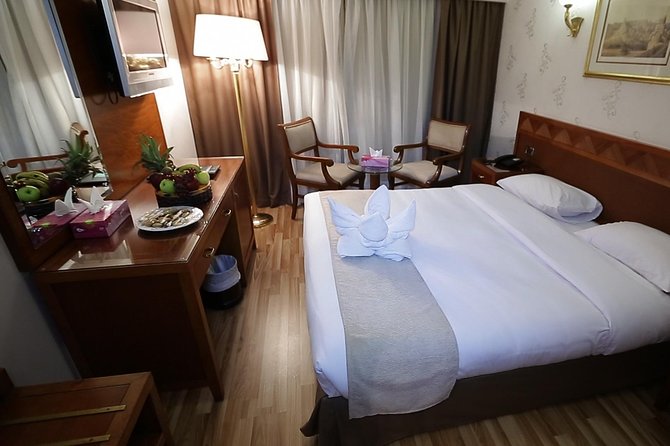
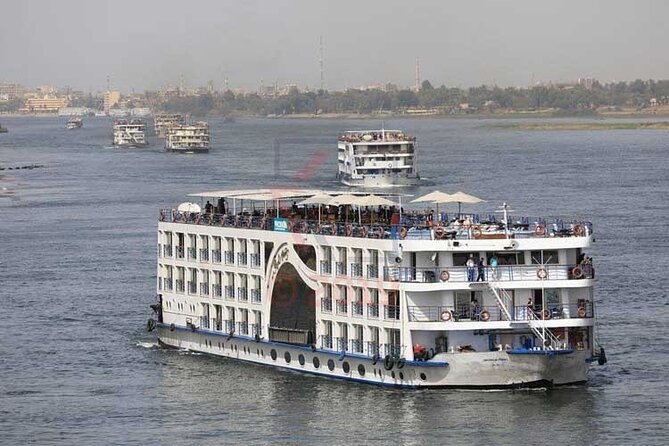
This is sold as a 4-night, 5-star Nile cruise, and the big value is that it’s not just “sleep on a boat.” You’re bundled into an organized route: modern air-conditioned vehicle transfers, an Egyptologist guide for your sightseeing, and entrance fees for the stops between Luxor and Aswan.
That matters because Egypt site days can get expensive fast when you piece things together yourself. Here, you’re paying one price and moving through the key temples with less guesswork, while onboard meals keep your schedule stable.
You’ll still need to watch for the two classic “extra” zones. First, some tombs in the Valley of the Kings aren’t automatically included, like King Tutankhamun. Second, Abu Simbel is optional at the end in Aswan and is described as an additional fee.
You can also read our reviews of more tours and experiences in Luxor.



Day 1 in Luxor: Karnak’s Columns, the Sacred Lake, and Luxor Temple
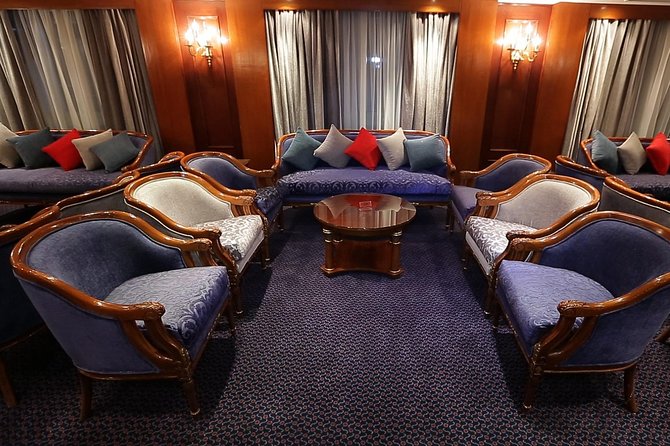
Your day starts with pickup from Luxor—airport, hotel, or train station—and then straight to Karnak. Karnak is the kind of place where you feel small in the best way. You’ll walk into the Great open court, then into the Great Hypostyle Hall, where those 134 columns rise like an ancient stone forest.
A detail I like here is the sacred lake at the rear of the complex. Even if you don’t linger long, it helps you connect the temple not just to buildings, but to ritual and offerings that played a role centuries before most tourists ever arrive.
After Karnak, you’ll go to Luxor Temple. This one has a different vibe than Karnak—more focused and easier to take in. The temple was built and decorated by Ramses II, while later rulers and even Alexander the Great added to it. If you’ve been waiting to see how the Nile-city temples evolved across reigns, this is a strong setup.
Once you tour, you transfer to the Nile Cruise and check in for the 5 days/4 nights. Lunch is on board, and then you get free time to relax. That “reset” matters on Day 1, because the real temptation in Luxor is to cram everything and burn out by lunchtime.
Day 2 West Bank Classics: Colossi of Memnon, Three Valley Tombs, and Hatshepsut
Day 2 switches from East Bank temples to the West Bank, where the ancient story turns toward burial and afterlife. After breakfast on board, you cross the Nile River.
Your first West Bank stop is the Colossi of Memnon. These statues were carved from quartzite sandstone blocks and represent Pharaoh Amenhotep III. The visit is short, but it’s a great tone-setter. You’re looking at monumental pieces that once belonged to a larger complex—so you can start building the “scale in your head” before you hit the Valley.
Next comes the big one: the Valley of the Kings. You’ll visit 3 of the best-preserved tombs, and your guide will explain what you’re seeing. One practical thing to know: guides aren’t permitted inside the tombs. So you won’t get constant narration inside each chamber, but you will get directions on what to look for in the painted and carved scenes.
Tutankhamun’s tomb is offered as an add-on option. If you want it, you’ll need extra tickets on the spot. I’d treat that choice as a “priority call.” If King Tut is your main goal, plan for the extra time and cost and decide before you arrive so it doesn’t feel stressful.
Then you head to Deir el Bahari for the Temple of Hatshepsut. This temple is striking because it sits against high cliffs, creating a natural amphitheater effect. Hatshepsut was Egypt’s major female ruler, ruling for almost 22 years (1490–1468 BC), and the temple design makes that authority feel tangible.
After your sightseeing, you return to the cruise for lunch and some breathing room. You’ll sail toward Edfu via the Esna lock, which is one of those “it’s not glamorous, but it’s fascinating” moments—watching how the river traffic and locks shape daily travel on the Nile.
Day 3 Edfu Temple and Kom Ombo: Horus and the Mirror-Image Gods
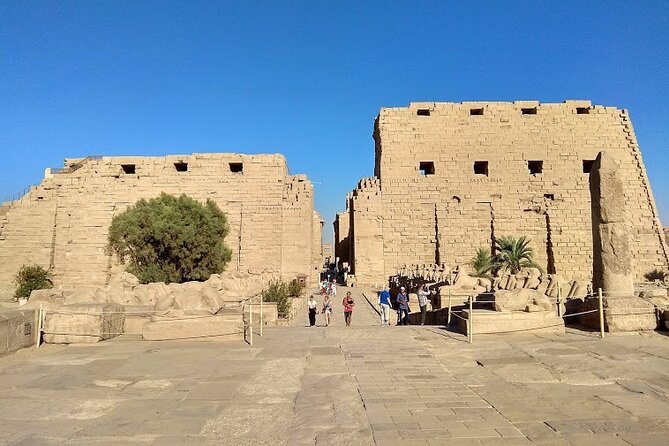
After breakfast, Day 3 starts with your visit to Edfu Temple. There’s a return horse-and-carriage ride involved. That’s a small twist that can make a long temple day feel lighter, and it also changes your perspective as you move between the river and the temple area.
Edfu Temple is dedicated to Horus, son of Isis and Osiris. The temple itself was built during the Ptolemaic period and completed over more than 180 years. If you’re the type who likes temples with lots of preserved detail, Edfu is a top match.
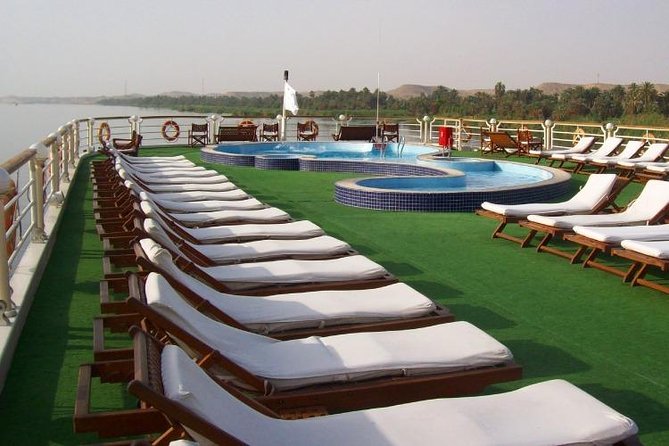
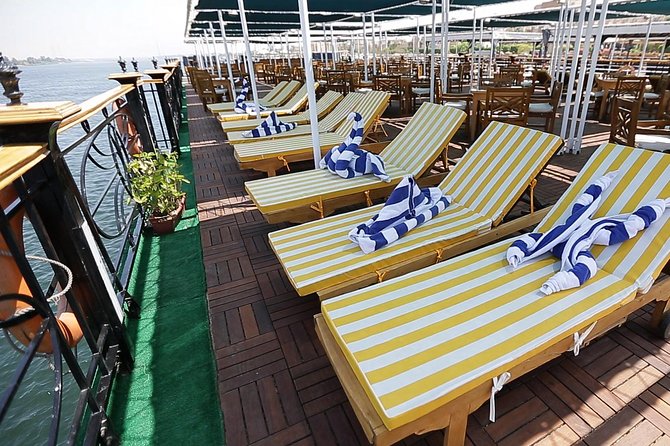
Once you’re done, you return to the boat and cruise upriver. There’s free time to relax—sundeck time is the point. This is where you start noticing the living Nile picture: desert hills as a backdrop, fishermen casting nets, and farmers working their land. It’s a welcome change from the “stand and stare” rhythm of temple days.
In the afternoon, you reach Kom Ombo. You disembark to visit the temple perched on a high dune overlooking the Nile. This one dates back to the second century BC and is famous for its mirror-image layout, split down the middle.
Half the temple honors Sobek, the crocodile-headed fertility god, and the other half is dedicated to Haroeris (also linked with the falcon god Horus). What you’ll notice is how much the reliefs reflect both reverence and fear around crocodiles in ancient Egyptian life. Even if you don’t go in with deep background knowledge, the structure makes it easier to understand.
After Kom Ombo, you’re back on board and continue sailing toward Aswan.
Day 4 Aswan: Unfinished Obelisk, High Dam, and the Philae Temple Island Ride
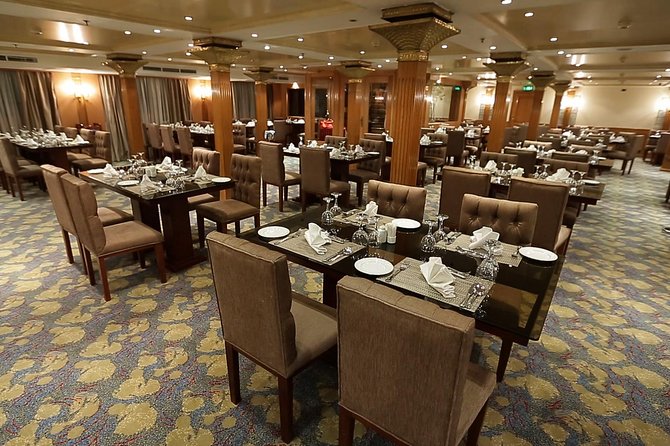
Day 4 has a strong mix: one foot in ancient craftsmanship, one in modern engineering, and then back to ancient religion.
First up is the Unfinished Obelisk in the ancient stone quarry. This stop is less about final beauty and more about process. The unfinished obelisk shows the mason techniques used in ancient Egypt. It’s also sized for imagination: if finished, it would have been around 42 meters tall and nearly 1,200 tons.
Next you drive to see the Aswan High Dam. It’s described as an engineering miracle from the 1960s, and it brought an end to the Nile’s devastating floods. This is a useful contrast stop. You’re not just seeing what people built long ago—you’re seeing how modern decisions reshaped what the river would do.
Then comes Philae Temple on Temple Island. You’ll take a motorboat ride to get there, and the island setting gives the whole experience extra drama. Philae was sacred to Isis, mother of Horus and wife of Osiris.
You’ll take a walking tour through the temple and then get free time to explore at leisure. This blend is smart: the guided portion helps you understand the layout, while the free time lets you slow down and take it in without the pressure of keeping moving.
Afterward, you return to the cruise for lunch and more free time onboard.





Day 5 in Aswan: Disembarkation and the Abu Simbel Option
After breakfast, you disembark and transfer onward in Aswan—hotel, airport, or train station.
The optional add-on here is Abu Simbel, the temples of Ramses II, and it’s offered by car or plane at the end of the tour. The timing listed is 4 hours, and the plan notes admission ticket as free—but it also says there’s an additional fee for choosing the trip. So I’d treat it like: you’ll pay for the logistics, while entry is handled under the tour’s pricing terms.
If you’re deciding whether Abu Simbel is “worth it,” think about your motivation. If you love monumental scale and want to see Ramses II at full theater, this is the moment. If you prefer to end the cruise with unhurried time in Aswan, you might skip it and save your energy for a gentler final day.
Price and Logistics: Where the Value Comes From (and Where Costs Can Leak In)
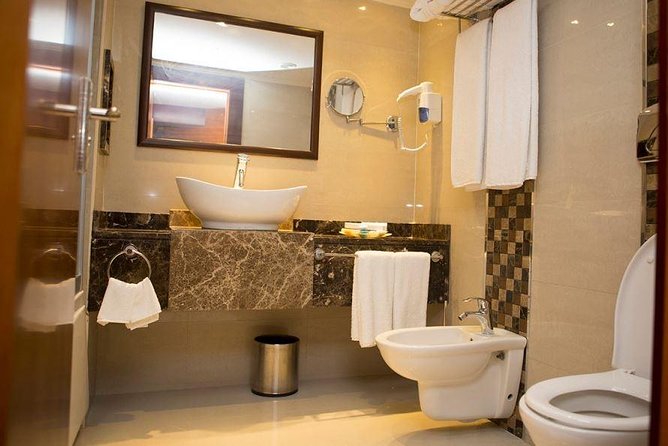
At $749 per person, this cruise is priced like a full package: 4 nights on board, full board meals, guided excursions, entrance fees between Luxor and Aswan, and transportation in a modern air-conditioned vehicle.
So the value isn’t just the boat. It’s that you’re not paying separately for each temple ticket, each guide day, each transfer segment, and most meals. For many people, the easiest comparison is time saved: you avoid coordinating the route across multiple stops and you keep the day-by-day pace steady.
Still, be aware of the “possible cost creep” zones:
- Valley of the Kings add-ons: Tutankhamun’s entry is extra if you want it.
- Abu Simbel: optional with an additional fee, even if entry is noted as free in the plan.
- Tipping: not included, so set aside cash or plan for a tipping budget.
There’s also a practical point that comes up when you book through third parties: you’re looking for clarity on who provides your pickup and guide on the ground. Your itinerary’s success depends on the local execution, so confirm the operator details in your confirmation materials before you arrive.
Who This Nile Cruise Suits Best
This works well if you want the classic Luxor-to-Aswan arc with less stress. You’ll get the major temple hits—Karnak, Valley of the Kings (three tombs), Hatshepsut, Edfu, Kom Ombo, and Philae—without having to build every piece yourself.
It’s also a good match if you like guided context. The Egyptologist guide model is built around helping you interpret what you’re seeing, not just walking through rooms and hoping it makes sense.
If you’re sensitive to long days of walking and heat, the good news is that lunch and breaks are built into a cruise rhythm. The more active part is West Bank day and the temple-heavy days, so plan comfortable shoes and expect some standing time.
Should You Book This Nile Cruise?
If your goal is a smooth, guided Luxor to Aswan route with meals and entrance fees handled, I’d say yes. This is the kind of trip that makes Egypt feel doable, even if it’s your first time.
I’d book it if you:
- want an Egyptologist guide for major sites
- prefer a slower pace with onboard sailing time
- like the idea of included meals so your schedule stays simple
I’d hesitate if you:
- have zero interest in optional costs like Tutankhamun entry or Abu Simbel
- need maximum flexibility, because this booking is described as non-refundable and cannot be changed
FAQ
How long is the Luxor to Aswan Nile cruise?
It’s listed as 5 days (approximately) with 4 nights on board.
What’s included in the price?
The package includes 4 nights accommodation on a 5-star Nile cruise (full board), all Nile cruise excursions mentioned, entrance fees to sights between Luxor and Aswan, a qualified Egyptologist guide, hotel pickup and drop-off in Luxor, and breakfast (4), lunch (4), and dinner (4), plus service charges and taxes.
Do you get pickup and drop-off in Luxor?
Yes. Hotel pickup and drop-off in Luxor are included.
Are entrance fees included for visiting tombs in the Valley of the Kings?
Entrance fees are included for the Valley of the Kings stops you visit, but entry inside Tutankhamun’s tomb is noted as extra on the spot.
Is Abu Simbel included?
Abu Simbel is optional at the end in Aswan. It’s described as an additional-fee trip by car or plane, with the plan listing the admission ticket as free.
What meals are included?
Breakfast (4), lunch (4), and dinner (4) are included as part of the full board arrangement.
Is tipping included?
No. Tipping is not included.
Is this tour private?
Yes. The experience is described as private, with only your group participating.
What if I need to cancel or change my dates?
It’s described as non-refundable and cannot be changed for any reason, and the amount paid would not be refunded.