REVIEW · LUXOR
5 Days Luxury Nile Cruise from Luxor
Book on Viator →Operated by CRUISE ERA · Bookable on Viator
Nile sunsets, giant temples, and a calm ship ride. This 5-day luxury Nile cruise (Luxor to Aswan) strings together the biggest names on the river, with guided temple time and nights onboard—so you get scenery plus serious sightseeing without constant packing and re-checking.
I especially like the qualified Egyptologist guide approach. You’re not just looking at carved walls; you’re getting the stories behind Karnak, the Valley of the Kings, and the unusual double meanings at Kom Ombo. I also like the full-board meals on board, which makes the days feel smoother when you’re bouncing between temples and harbor departures.
One thing to think about: site entry fees and tips aren’t included, and some days involve a lot of walking plus early starts. If you’re budgeting carefully, plan extra money for tickets and gratuities, and decide ahead of time whether you want the optional Abu Simbel day.
In This Review
- Key points before you go
- First Day in Luxor: pickup, check-in, then Karnak’s big scale
- Karnak and Luxor Temple: the best “wow-to-walk” ratio
- Luxor West Bank day: Colossi of Memnon and the Valley of the Kings
- Hatshepsut’s terraces: the moment Luxor feels cinematic
- Sailing rhythm: Edfu Temple and the walk you’ll remember
- Aswan High Dam and Philae: seeing how modern engineering reshaped monuments
- Abu Simbel optional: the early pickup test
- Onboard comfort: pool, entertainment, and meals that keep the pace sane
- Price and value: what $1,200 covers, and what you still need to budget
- Logistics that make a difference: private transfers, mobile ticket, and pacing
- Who this Nile cruise suits best (and who should skip it)
- Should you book this 5-day luxury Nile cruise?
- FAQ
- How long is the cruise?
- What locations do I visit during the trip?
- Where does pickup happen?
- Are meals included?
- Is Abu Simbel included?
- Do I get an Egyptologist guide?
- Are entrance fees included for the temples?
- Is this a private tour?
- What is the cancellation timeline for a refund?
Key points before you go
- Egyptologist-led temple visits that turn monuments into real context
- Full-board comfort with breakfast, lunch, and dinner included on the cruise
- Deck time matters: you’ll have plenty of chances to watch the Nile shift as you sail
- A strong lineup of temples: Karnak, Luxor Temple, Edfu, Kom Ombo, Philae
- Abu Simbel is optional but it’s the kind of trip that demands an early day
First Day in Luxor: pickup, check-in, then Karnak’s big scale
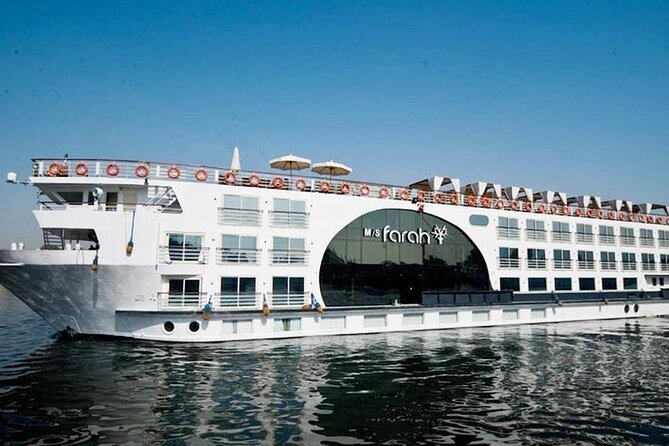
Your experience starts with pickup from Luxor train station, the airport, or your hotel. Then you transfer to the Nile cruise, check in, and settle into the rhythm: a lunch on board, followed by your first major temple stop.
Karnak Open Air Museum is the sort of place that can overwhelm you—too many pylons, too many halls, too much “wow.” The smart way to enjoy it is to focus on the layout, not just the details: follow the central axes, note how spaces change from open courtyards to deeper sanctuaries, and let your guide connect what you’re seeing to the Theban gods and royal building projects.
You can also read our reviews of more tours and experiences in Luxor.



Karnak and Luxor Temple: the best “wow-to-walk” ratio
Karnak runs about a 2-hour block in the schedule. That’s a realistic amount of time for seeing the highlights without burning out before the rest of the week. Admission ticket costs may apply depending on how your booking handles entry fees, since the tour lists site entry fees as not included.
Later, Luxor Temple gets you a different feeling than Karnak. It’s still monumental, but it’s more personal: you’re moving through spaces associated with Amenhotep III and Ramses II, and the age of the site (about 3,400 years) adds that slow-burn sense of time. After the visit, you transfer in a private air-conditioned car back to the ship, and the day turns into decompression.
Luxor West Bank day: Colossi of Memnon and the Valley of the Kings
Day 2 keeps things sharp and classic: the Colossi of Memnon, then the Valley of the Kings, then Hatshepsut at Deir el-Bahari.
The Colossi of Memnon are fast (about 10 minutes), but they set your brain in “Egypt mode.” Seeing those giant statues first helps you understand why Luxor still feels like one long archaeological story stretching across the river.
Then comes the Valley of the Kings, about a 2-hour visit. This is where you get what made royal tombs so political and so symbolic—burial sites carved into the hills, linked to pharaohs from the 18th through the 20th dynasties. The key here is your guide’s framing: you’ll understand why tomb architecture and decoration mattered, not just that tombs exist.
Hatshepsut’s terraces: the moment Luxor feels cinematic
After the tomb valley, you’ll move to the Temple of Hatshepsut at Deir el-Bahari. The description of the three terraces is a big clue: this is built to catch light and create a stepped skyline against the desert cliffs.
Expect about 2 hours here. What makes it special is the combination of design and storytelling—Hatshepsut’s mortuary temple is tied to her reign and to the wider temple world across the river. If you’re the kind of person who likes to connect the dots, ask your guide to point out how causeways, viewpoints, and major temple alignments shape the experience.
Sailing rhythm: Edfu Temple and the walk you’ll remember
Day 3 shifts from Luxor’s west bank into Nile cruising days with two major temple stops.
Edfu Temple is often a highlight because it’s described as one of the most well-preserved temples in Egypt, dedicated to the falcon god Horus. You’ll have about 2 hours. The schedule also allows for a temple-focused visit, which matters here—when you spend time without rushing, you start noticing how well the temple reads as a functioning religious space, not just ruins.
Then you’ll visit Kom Ombo for the evening-side temple experience. It’s a duplicated, double temple for two gods—Sobek (the crocodile god) and Horus (the falcon). Kom Ombo is a great mental break from the single-theme feel of some other temples. You can see how different cults and symbols coexist in the same complex and why that mattered to local religious life.





Aswan High Dam and Philae: seeing how modern engineering reshaped monuments
Day 4 includes Aswan High Dam and Philae Temple, and together they give you a reality check: the Nile’s story isn’t frozen in ancient time.
Aswan High Dam is a short stop (about 30 minutes), but it’s worth treating as a context builder. When you understand the dam’s purpose and scale, later water-related stories make more sense, including why so many monuments had to be handled carefully.
Then Philae Temple is the emotional payoff, about 2 hours. This temple complex is associated with being moved during the International Campaign to Save the Monuments of Nubia. That’s a big deal. It means you’re not only looking at ancient carved reliefs—you’re standing inside a story of preservation, relocation, and international cooperation that kept this place from vanishing under rising water.
Abu Simbel optional: the early pickup test
Abu Simbel is optional, and the schedule makes it clear why. Your driver pickup is around 4:30, with arrival around 8:00, then you’ll visit the rock-cut temples built for Ramses II and his beloved Queen Nefertari (Nefertary in the schedule).
This is the kind of site that many people treat as a “once in a lifetime” stop. The value is the intensity: rock-cut temples are already rare, and Abu Simbel’s design is famous for its dramatic, deliberate planning. The tradeoff is the early start. If you’re easily worn down by mornings or long travel days, decide carefully whether you want to spend your energy on Abu Simbel or save it for calmer Nile cruising time and temple visits.
Onboard comfort: pool, entertainment, and meals that keep the pace sane
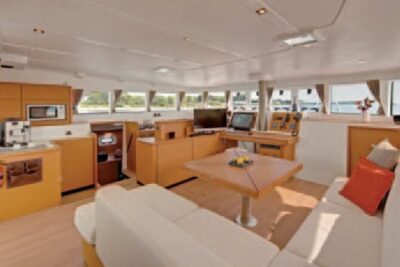
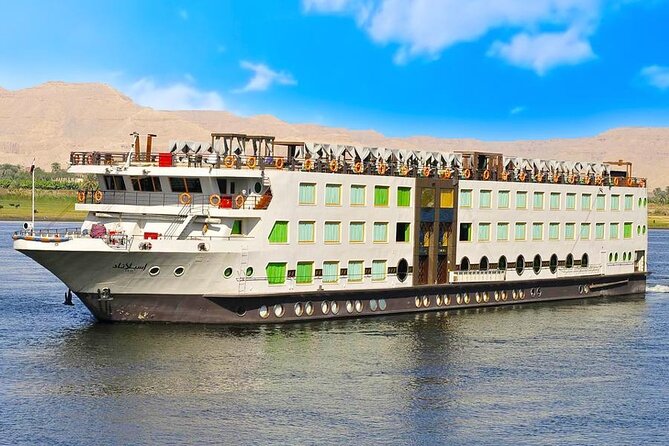
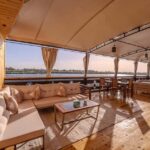
The cruise calls itself luxury and includes a swimming pool and onboard entertainment. Even without minute details, that combination usually means you can switch gears between sightseeing days and ship time without feeling trapped.
The meal setup is also a big part of the value. You get breakfast (4), lunch (4), and dinner (4), plus lunch on board when you first arrive. That’s the difference between “a tour” and “a holiday.” When meals are handled, you lose less time hunting for food between temple gates and boat transfers.
One theme that shows up in the experience is that the cuisine feels like part of the trip, not just fuel. If you care about eating well while you travel, this kind of onboard rhythm makes it easier to enjoy simple Egyptian flavors rather than grabbing whatever is closest.
Price and value: what $1,200 covers, and what you still need to budget
At $1,200 per person for 5 days / 4 nights on the Nile, the value depends on two things: what you’d pay separately for guided temple access and the comfort of not handling logistics all by yourself.
This tour includes accommodation for 5 days / 4 nights on a full-board basis, a qualified Egyptologist guide, air-conditioned vehicle transfers for sightseeing, and multiple meals. It also includes meet-and-assist upon arrival and departure, plus a private experience format for your group.
What’s not included is just as important. Gratuities for cruise staff, guides, and drivers are not included. Personal expenses aren’t included. And the tour states that entry fees to historical sites are not included, even though a few schedule items list admission ticket free. In real life, that usually means you should expect at least some tickets to be paid on top unless your booking confirms otherwise.
Logistics that make a difference: private transfers, mobile ticket, and pacing
This is listed as a private tour/activity, so only your group participates. That matters because it generally means fewer waiting games than shared group tours, and it often helps with timing—especially with temple crowds and transfer windows.
You also get a mobile ticket and pickup from key locations in Luxor. Those two points reduce friction on travel day. Instead of trying to coordinate with multiple vendors, you’re mostly moving through a single day plan.
Pacing is the quiet superpower here. The itinerary spaces major stops through the day, and it mixes temple intensity with cruising time. Still, you should plan for heat and walking. Temples mean uneven stone floors and a lot of sun, even when transfers are air-conditioned.
Who this Nile cruise suits best (and who should skip it)
This works best if you want a guided “greatest hits” run without the hassle of changing hotels or figuring out transfers. If you like temples, enjoy learning from Egyptologists, and want a relaxed ship base with a pool and entertainment, this itinerary fits.
It may be less ideal if you hate early mornings. Abu Simbel’s optional day is built around a very early pickup. It may also feel expensive if you’re trying to travel on a tight budget, since entry fees and tips are not included and can add up.
Should you book this 5-day luxury Nile cruise?
I’d book it if you want an efficient Luxor-to-Aswan plan with Egyptologist guidance and full-board comfort, and if you’re okay budgeting for temple entry fees and tipping. The best reason to choose this one is the mix: you get major temples on land (Karnak, Luxor Temple, Valley of the Kings, Hatshepsut, Edfu, Kom Ombo, Philae) and you get real Nile downtime onboard.
I wouldn’t book it if Abu Simbel is a must for you and you know you’ll feel worn down by early starts. In that case, you’d want to compare options that match your energy level and include clearer details on what’s truly included for tickets.
FAQ
How long is the cruise?
The experience is 5 days and about 4 nights on the Nile cruise.
What locations do I visit during the trip?
You’ll see Karnak and Luxor temples, the Valley of the Kings, the Temple of Hatshepsut, the Colossi of Memnon, Edfu Temple, Kom Ombo Temple, Aswan High Dam, Philae Temple, and Abu Simbel is listed as an optional day trip.
Where does pickup happen?
Pickup is offered from Luxor train station, Luxor airport, or your hotel in Luxor.
Are meals included?
Yes. The package includes full-board meals: breakfast (4), lunch (4), and dinner (4), plus lunch on board on the first day.
Is Abu Simbel included?
Abu Simbel Temple Complex is optional. The schedule describes an early pickup around 4:30 and arrival around 8:00 for the visit if you choose it.
Do I get an Egyptologist guide?
Yes. The tour includes a qualified Egyptologist tour guide for the excursions.
Are entrance fees included for the temples?
No. Entry fees to historical sites are listed as not included, even though some stops show admission ticket free in the schedule.
Is this a private tour?
Yes. It’s listed as a private tour/activity, meaning only your group participates.
What is the cancellation timeline for a refund?
You can cancel up to 3 days in advance of the experience for a full refund. If you cancel less than 3 full days before the start time, the amount paid is not refunded.