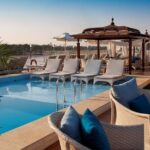
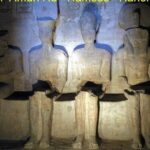
Five days on the Nile changes your pace fast. This private luxury cruise puts you in a comfortable, 5-star setting while still hitting the big hitters: Karnak, Valley of the Kings, Deir el Bahari, Philae, and even a sunset felucca in Aswan.
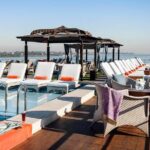
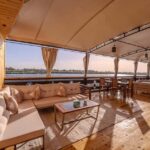
Two things I really like: you get a private, professional Egyptologist guide, which means the sites make sense instead of feeling like random stone; and you get long views to unwind on the ship’s spacious sundeck. One thing to consider: the day schedule is packed with timed visits (often around 2 hours per major stop), so you’ll want good shoes and a flexible attitude about heat, dust, and crowds.
In This Review
- Key details I’d plan around
- Highlights you’ll actually feel
- Luxury on the Nile means more than a pretty ship
- Your cruise ship and what changes by departure day
- Day 1: Karnak Temple and Luxor Temple (Amun’s big statement)
- Day 2: Valley of the Kings, Hatshepsut, Colossi, and KV62
- Day 3: Horus at Edfu and Kom Ombo’s double-temple design
- Day 4: Philae’s relocated setting, the High Dam, and a felucca at sunset
- Day 5: Breakfast, checkout, and a handoff in Aswan
- What you get for the money: value that’s actually measurable
- Pace, comfort, and who should book this
- Tips to get more out of every stop
- Should you book the Luxury Nile Cruise Luxor to Aswan?
- FAQ
- Is this cruise private, or shared with other groups?
- What meals are included during the cruise?
- Are entrance fees included for the sites you visit?
- Will I visit Tutankhamun’s tomb?
- Is a felucca ride included in Aswan?
- Can I get a full refund if I cancel?
Key details I’d plan around
This is a private tour/activity, so your group stays together and you’re not squeezed into a bigger herd. Pickup is offered from Luxor airport, train station, or hotel, and entrance fees for the listed sites are included—plus meals on board (breakfast, lunch, dinner) for the duration of the cruise.
Mo Luxury Tours runs the experience, with a private guide and a private Deluxe air-conditioned vehicle used throughout. The cruise ship itself depends on the day of travel, so you’ll want to confirm the exact vessel assigned to your departure.
Highlights you’ll actually feel
- Private Egyptologist guide who gives context at each stop, not just ticket-waving
- Sundeck time to rest between temples and enjoy real Nile light
- Major Luxor and Aswan monuments with admission fees included
- Tomb of Tutankhamun (KV62) included, with a short, focused visit (about 20 minutes)
- Philae relocated by UNESCO context built in, so you understand the setting
- One-hour felucca ride at sunset in Aswan for a slower, calmer moment
You can also read our reviews of more tours and experiences in Luxor.



Luxury on the Nile means more than a pretty ship
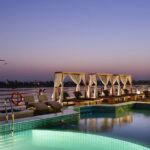
On this kind of trip, luxury should do something practical: help you recover between long temple days. You’re staying 4 nights on board a 5-star luxury Nile cruise and traveling with private air-conditioned vehicle support as needed on shore. That combo matters because you’re going from Luxor Temple and Karnak into the Valley of the Kings zone, then out toward Kom Ombo and Aswan with less friction.
The full-board setup also helps. You get breakfast (4), lunch (4), and dinner (4) included, plus two bottled waters daily per person. In plain terms: you can keep your energy up without constant stop-and-search for food.
The guide is the other big piece of value. You’re not just buying access to monuments—you’re buying explanations. In one note from a prior traveler, the guide name Ahmed came up for making the experience feel comfortable and understandable, with clear explanations as you went. When that happens, you start noticing details instead of only seeing big names.
Your cruise ship and what changes by departure day
The exact ship can vary. The inclusions list specific vessels by day of the week (for example, Ms Mayfair / Ms Mayflower / Ms Sonesta Moon / Ms Sonesta St George on Mondays; Ms Esplanade / Ms Concerto II / Ms Jaz Viceroy on Saturdays; and others on Thursdays). That’s useful because it tells you the cruise line isn’t random—there’s a defined schedule.
Since your ship depends on timing, I suggest you treat this as a cruise-style itinerary where the locations are fixed, but the ship name may change. When you confirm your booking, ask which specific ship you’ll be on so you can match your expectations to the vessel assigned.
Day 1: Karnak Temple and Luxor Temple (Amun’s big statement)
Your first day is built to knock down the intimidation factor early. You start at Karnak Temple, one of the largest religious complexes ever built. It’s centered on Amun-Ra, and while there’s a “principal building,” the site references earlier structures reaching back to the Middle Kingdom, with mentions as old as the 3rd Dynasty. That kind of timeline helps you see Karnak as a living project across centuries—not a single moment in time.
You’ll spend about 2 hours here, with admission included. Practical tip: Karnak can feel like it never ends. The guide’s job is to help you understand what you’re looking at—main sanctuaries, axis, columns, and the way the temple grew over time—so you don’t waste the first hour just trying to orient.
Next stop is Luxor Temple, also dedicated to Amun. This one has a cleaner story: built by one king of the 12th dynasty and completed by Ramses II. It’s set in the heart of ancient Thebes, so it feels more “in town” than Karnak, and you can often get a different mood from the stones simply by how they’re placed.
Luxor Temple is another 2-hour visit with admission included. If you want a smooth start, do this day without rushing. Your legs will thank you when Day 2 starts adding the deeper tomb and mortuary sites.
Day 2: Valley of the Kings, Hatshepsut, Colossi, and KV62
Day 2 is where the trip turns from “wow temples” into “this is how rulers wanted to be remembered.”
First up: Valley of the Kings, described as the royal cemetery of Theban kings and rulers. You’re visiting the burial ground of pharaohs, so the emotional tone is different. It’s not just architecture—you’re walking through the choices people made about power, legacy, and the afterlife. Plan about 2 hours and keep your expectations realistic: you’ll see a lot, but you won’t take in every single detail alone without guidance.
Then you head to Temple of Hatshepsut at Deir el Bahari. This is a mortuary temple tied to Queen Hatshepsut of the 18th dynasty, and it’s treated as a masterpiece of ancient architecture. You’ll have about 2 hours, which is just enough time to appreciate how the temple steps with the terrain and how the design supports the whole narrative.
After that comes a shorter stop: the Colossi of Memnon. These are two huge stone statues of Pharaoh Amenhotep III, dating to around 1350 BCE. Your visit is about 30 minutes. I actually like this as a breather—big stone, fewer moving parts, and it helps reset your brain before you hit the tomb segment.
Finally, you visit the Tomb of Tutankhamun (KV62). The time listed is about 20 minutes, so treat it as a focused hit. The value here is not lingering; it’s seeing the tomb with context from your guide so those famous rooms mean something. You’ll get in, see what there is to see, and move on—no endless waiting, just a clean experience.



Day 3: Horus at Edfu and Kom Ombo’s double-temple design
Day 3 keeps your momentum while adding variety. The first stop is the Temple of Horus, a Ptolemaic monument built between 237 and 57 BC. One of the most interesting details is how it’s described as among the best-preserved ancient monuments, helped by desert sand that filled the area after the pagan cult was banned. The roof intact part is important because it changes how the temple feels—more atmospheric, more enclosed.
You’ll spend about 2 hours here, with admission included. This is one of those sites where the guide makes the design click: the structure, the carvings, and the way worship is built into the architecture. If you like details, you’ll enjoy this more than you expect.
Next is Temple of Kom Ombo, known as an unusual double temple. It’s located in Kom Ombo and built during the Ptolemaic dynasty (180–47 BC), with later additions during the Roman period. About 2 hours is scheduled here, which is key because a double temple needs time to interpret. You’re looking for how the two halves relate and what that means for the gods and rituals.
If you’ve ever wondered why some temples feel symmetric and others don’t, this stop helps answer that. It’s a strong “architecture reading” day.
Day 4: Philae’s relocated setting, the High Dam, and a felucca at sunset
Aswan days can feel different because the pace slows and the river becomes the main character.
First, you visit Temple of Philae, dedicated to goddess Isis. The big context point here: the temple’s setting matches what it was like when it was relocated due to the Aswan Dam threatening the original site. That UNESCO relocation angle is worth your attention. It means you’re not just seeing a monument—you’re seeing the story of preservation and how people saved it.
You’ll have about 2 hours with admission included, and the site includes several shrines and sanctuaries such as Trajan & Kiosk and Pharaoh’s Bed (mentioned in the itinerary). This is a good time to ask your guide how the relocation changed the experience. Even without perfect knowledge, you can sense the “why now, why here” logic.
Then comes Aswan High Dam, with about 40 minutes. This is described as the world’s largest embankment dam, built across the Nile between 1960 and 1970. It also notes that it became significant enough to eclipse the earlier Aswan Low Dam completed in 1902 downstream. This stop is short but meaningful because it ties Egypt’s ancient river civilization to modern river management.
After that, you get the river back in a gentle way: a 1-hour felucca ride at sunset in Aswan. That’s not just entertainment. It gives your eyes a break from carvings and tomb corridors, and it gives you a slower rhythm you can actually feel.
Day 5: Breakfast, checkout, and a handoff in Aswan
Day 5 is about transitioning. After breakfast, you check out and your representative accompanies you to Aswan airport, Aswan train station, or your hotel. The itinerary text also mentions return toward Cairo, but the key practical point is that you’re not left guessing how to get to your onward connection.
You’ll have about 30 minutes for this handoff, and it’s included. In real-world terms, that short support window can reduce stress—especially if you’re flying or continuing by train after a packed temple run.
What you get for the money: value that’s actually measurable
The price is $1,250 per person for a 5-day experience, and the average booking timing is about 54 days in advance. That matters because this kind of itinerary can sell out, and the best cabins and ship assignments often depend on dates.
Here’s why the value works, based on what’s included:
- Private speaking professional guide (Egyptologist): this is the biggest “quality” lever in the whole trip.
- Entrance fees for every listed site are included, which removes the most annoying part of ancient-site planning.
- Food is covered: breakfast, lunch, and dinner across the cruise nights.
- Pickup and private vehicle support: you’re not left cobbling together transport between monuments.
- Service charges and taxes are included, and there’s daily bottled water.
What’s not included is also clear: personal expenses and gratuities/tipping aren’t included, and any extra requests outside the itinerary cost extra. If you’re the type who hates surprises, this is good because most core costs are folded in already.
One more value angle: this isn’t a generic “see the highlights” loop. You get a structured sequence that connects themes—Amun worship in Luxor, royal burials and mortuary architecture on Day 2, Ptolemaic temple styles on Day 3, then Isis at Philae and modern Nile engineering at Aswan. That linking makes the time feel coherent instead of random.
Pace, comfort, and who should book this
This is ideal if you want:
- A private guide and a clearly timed itinerary
- Luxury comfort while still seeing major monuments
- A plan that moves from Luxor down to Aswan without you handling details
It may be less ideal if you want a slow, free-form vacation with lots of downtime. Your schedule includes multiple sites per day, and some visits are shorter by design—like KV62 at about 20 minutes. That’s not a flaw, it’s just how the itinerary is built: focus matters, and you’ll trade extra time for broader coverage.
Comfort-wise, you’ll do a mix of walking and standing. Bring practical shoes and plan for sun and dust exposure. Also, don’t be shy with your guide. Ask what the carvings mean or what to look for in the next room. When you do that, even short stops feel worthwhile.
Tips to get more out of every stop
- Keep a short list of questions for your guide—Amun, Hatshepsut, Horus, Isis—then use that list each day.
- Use the sundeck time when offered. Even 20 minutes helps you reset before the next temple block.
- Pace your photos. For big sites like Karnak, take fewer “postcard” shots and spend more time looking at one or two details your guide points out.
- Stay hydrated. Bottled water is included daily, but also sip consistently between stops.
Should you book the Luxury Nile Cruise Luxor to Aswan?
If you want a private, guided, luxury-style Nile experience that hits the core monuments with tickets and meals handled, this is a strong choice. The biggest reason to book is the combination of Egyptologist guidance plus a schedule that’s dense enough to feel full, but structured enough to stay manageable.
Book it especially if you care about understanding what you’re seeing—not just ticking off names. If you prefer slow travel with long, unscheduled hours on your own, you may want a lighter itinerary instead.
FAQ
Is this cruise private, or shared with other groups?
It’s listed as a private tour/activity, so only your group participates.
What meals are included during the cruise?
The tour includes breakfast (4), lunch (4), and dinner (4).
Are entrance fees included for the sites you visit?
Yes. Entrance fees to the sites mentioned in the itinerary are included.
Will I visit Tutankhamun’s tomb?
Yes. The itinerary includes the Tomb of King Tutankhamun (KV62), with a listed visit time of about 20 minutes.
Is a felucca ride included in Aswan?
Yes. There’s a 1-hour felucca ride on the Nile during sunset time in Aswan.
Can I get a full refund if I cancel?
You can cancel up to 3 days in advance of the experience for a full refund. If you cancel less than 3 days before, the amount paid is not refunded.