REVIEW · TOKYO
Tokyo Private Tour in Luxury Vehicle with English Guide
Book on Viator →Operated by Mukarram Muhammad · Bookable on Viator
Tokyo can feel like a travel scavenger hunt. This private day tour cuts the stress and lets you move at your pace in a luxury vehicle with hotel pickup. I especially like the built-in flexibility to linger where you care—then speed up when you’re ready—so you don’t get dragged through stops that feel like background noise. One consideration: a few key attractions charge separate admission (like Imperial Palace, Skytree, Tokyo Tower, and Shinjuku Gyoen), and one review raised a concern that the person in the van wasn’t always acting as an information guide.
You also get an English-speaking guide setup plus onboard Wi‑Fi, which is handy when you want to text home or ID what you just photographed. In practice, you start near Shibuya Crossing, and you can end up back there after a full 8–10 hour day. If you want a “group tour vibe,” this isn’t it—the whole point is to avoid that awkward herd mentality.
In This Review
- Key Points at a Glance
- Why This Private Tokyo Day Feels Less Like a Checklist
- Price and Value: Does $650 Per Group Make Sense?
- Your Day’s “Comfort Kit”: What the Luxury Van Changes
- Imperial Palace: A Big Green Start With Separate Admission
- Senso-ji: Where Compassion and Crowd Energy Meet
- Tsukiji Outer Market: Japan’s Food Town in Real Time
- Skytree and Tokyo Tower: Two Viewpoints, Two Different Feelings
- Shinjuku Gyoen and Meiji Shrine: Green Space and Sacred Stillness
- Shinjuku Gyoen National Garden
- Meiji Shrine
- Harajuku’s Takeshita Street and Shibuya Crossing: Fashion Meets Motion
- Takeshita Street
- Shibuya Crossing
- How the Guide Affects the Day (And What to Do About It)
- Timing Tips So You Don’t Burn Your Whole Day on Lines
- Should You Book This Tokyo Private Tour?
- FAQ
- How many people are in a group?
- How long is the Tokyo private tour?
- Do you get pickup and drop-off from your hotel?
- Is the guide English-speaking?
- Are attraction tickets included?
- What’s included in the vehicle?
- Can I cancel for a full refund?
Key Points at a Glance
- Private day in a luxury, air-conditioned vehicle for up to 6 people, with comfort when Tokyo traffic heats up
- Hotel pickup and drop-off so you start and end without the usual time-loss
- English-speaking support praised in reviews (including help with language barriers)
- Wi‑Fi onboard and water bottles—small comforts that make a long day easier
- A strong highlight mix: Imperial Palace area, Senso-ji, Tsukiji, Skytree/Tokyo Tower, Shinjuku Gyoen, Meiji Shrine, Harajuku, Shibuya
- Not all admissions are included, so budget a bit for tickets at certain stops
Why This Private Tokyo Day Feels Less Like a Checklist
Tokyo is famous for options. The flip side is that most “one-day highlight” tours feel rushed, like you’re speed-walking through famous spots to prove you went. This is built around the opposite idea: you’re with just your party and your guide/driver, so the day can flex.
That flexibility matters most at places where you might want extra time. Senso-ji is one of those: you may just want the temple and the area’s energy, or you may want time to wander the streets nearby. Tsukiji Outer Market works the same way—some people arrive hungry and keep snacking, others want to browse and take photos. With a private setup, you can choose.
The other win is the pace between stops. You’re not stuck waiting for strangers who decide they need one more selfie with a souvenir rack. In a modern, air-conditioned vehicle, you’re also less at the mercy of heat, rain, or long transfer times.
You can also read our reviews of more tours and experiences in Tokyo.


Price and Value: Does $650 Per Group Make Sense?
At $650 per group (up to 6 people), this isn’t a budget tour. It’s priced for a private day with door-to-door pickup, a luxury vehicle, and English-speaking guidance. For families or small groups, it can actually be a good deal compared with paying for multiple separate taxis plus paying for admissions and tour help separately.
Here’s the value math that matters: you’re paying to buy back time and reduce friction. A day that includes Imperial Palace area, Senso-ji, Tsukiji, two major viewpoints (Skytree and Tokyo Tower), Shinjuku Gyoen, Meiji Shrine, Harajuku, and Shibuya Crossing is a lot to manage alone. Even with public transit knowledge, you’ll spend energy figuring routes, entrances, and timing. This tour turns that effort into a guided plan with transport handled.
The trade-off is that admission tickets are not included for several stops. So you’ll want to think of the tour fee as covering the guide/vehicle/pacing—not the entrance costs. If you go into it with that expectation, you’ll feel the value fast.
Your Day’s “Comfort Kit”: What the Luxury Van Changes
You’ll ride in an air-conditioned luxury vehicle with Wi‑Fi onboard and water bottles. That sounds simple, but on a long Tokyo day it’s practical. Wi‑Fi helps you map the next stop, share photos quickly, or just keep your family from asking you to re-open the same photo app for the fifth time.
On timing, the day runs about 8 to 10 hours. That’s enough time to see a lot without feeling like you’re being rushed out the door every 40 minutes. It also means you should plan to wear comfortable shoes—Tokyo is walk-first, even when you’re in a car.
One more detail I like: you’re not forced into a single meeting-room vibe. The day is described with hotel pickup and drop-off, but there’s also a meeting location near Shibuya Crossing (21 Udagawacho, Shibuya). So if your hotel is tricky to reach by car, you’ll have a defined place to regroup.
Imperial Palace: A Big Green Start With Separate Admission
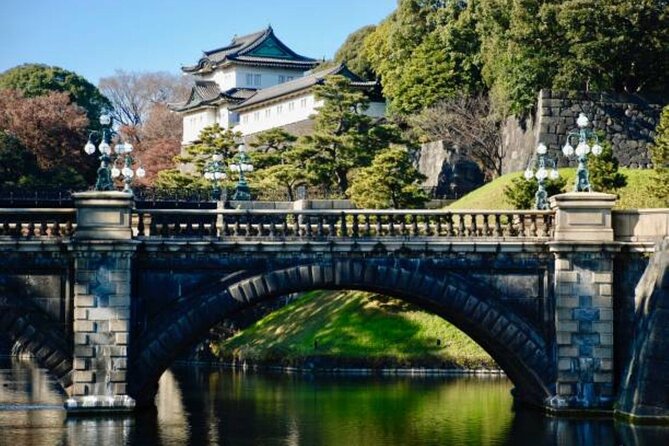
The day opens at the Imperial Palace area (Kōkyo) in Chiyoda. Expect a park-like setting—wide space, calm paths, and a sense of formality even if you’re just viewing from walkways. It’s a strong start because it sets a tone different from the temples and shopping streets later.
The time here is about 1 hour. Admission tickets are not included, so you should plan for that extra cost if you want to enter areas that require tickets. If you’re sensitive to timed entry or want flexibility, keep your schedule realistic—imperial grounds are a place where you should move at a respectful, unhurried pace.
Senso-ji: Where Compassion and Crowd Energy Meet
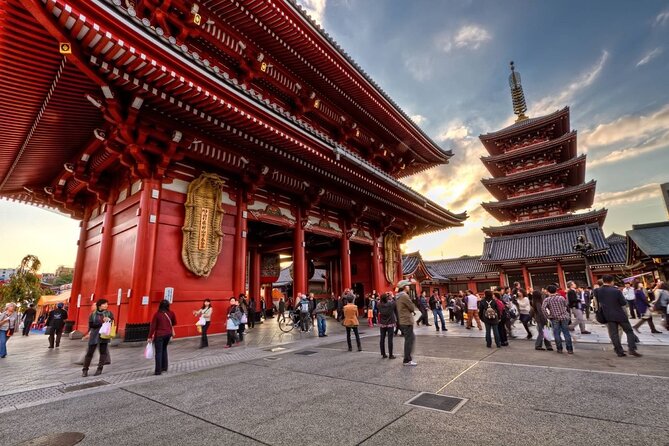
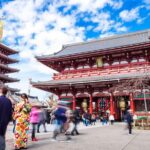
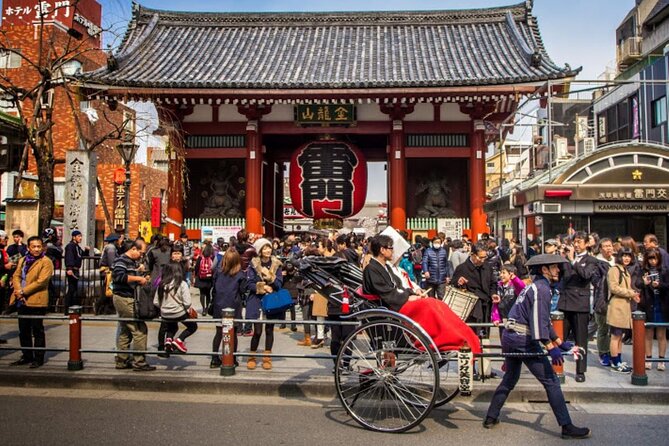
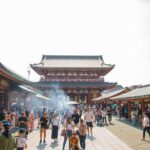
Next is Senso-ji Temple, dedicated to Kannon, the bodhisattva of compassion. This is one of the world’s most visited religious sites, and even if you’ve seen photos, it hits differently in real life. The energy is the point here: people come, pray, photograph, and snack nearby. You don’t need a long sermon to get the atmosphere.
You’ll spend about 1 hour, and admission is free for the temple experience listed here. The best move is to arrive mentally ready to “go with the flow.” If you want quieter moments, step a little away from the main foot traffic, then come back for the classic view areas.
This stop pairs well with Tsukiji later, because it flips the day from spiritual and historical into food and everyday Tokyo life.




Tsukiji Outer Market: Japan’s Food Town in Real Time
Tsukiji Outer Market is described as Japan’s Food Town, with a mix of wholesale and retail shops plus small restaurants along the streets. It’s less about one single museum moment and more about browsing, smelling, and tasting what looks good right now.
Plan for about 1 hour here. Admission is free, but you’ll likely spend money inside—because that’s what the place does best. If you’re traveling with picky eaters, this is still workable: you can pick smaller portions and share, instead of committing to one big meal.
One practical approach: decide how you want to eat before you arrive—snack crawl or sit-down bite. With a private tour, you can lean that way without feeling you’re falling behind.
Skytree and Tokyo Tower: Two Viewpoints, Two Different Feelings
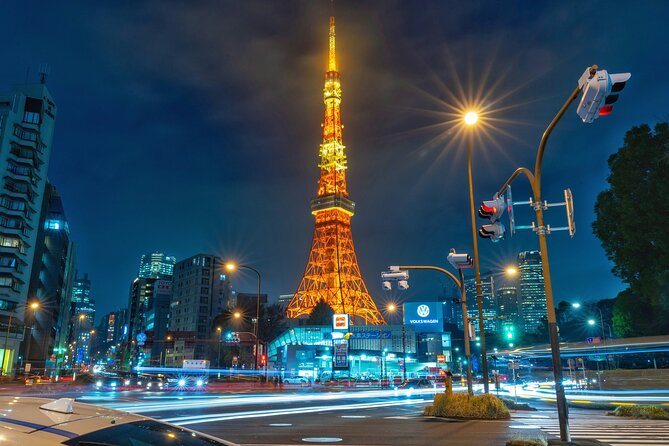
You’ll visit Tokyo Skytree (about 1 hour) and Tokyo Tower (about 1 hour). Both are viewpoint and communications icons, but the experience feels different.
- Tokyo Skytree is the taller one, reached full height in 2011 and was the tallest structure in Japan as of 2010/2011. Admission tickets are not included, so treat it as a choose-to-upgrade moment rather than a guaranteed cost.
- Tokyo Tower is a classic landmark in Shiba-koen. Admission tickets are not included here too.
Why do both? Because Tokyo can be hard to judge from street level. You’re seeing the city from above in two different styles, so the day’s perspective shifts. It’s also a helpful break from walking heavy areas like Harajuku and Shibuya.
Tip: if you care about skyline views, ask your guide/driver about the best timing based on weather and crowds that day. The tour is private, so you’re not stuck with someone else’s lighting plan.
Shinjuku Gyoen and Meiji Shrine: Green Space and Sacred Stillness
After the skyline stops, you’ll switch to nature and tradition.
Shinjuku Gyoen National Garden
Shinjuku Gyoen combines Japanese traditional, formal, and landscape-style gardens. The key takeaway is variety: this isn’t one type of scenery. You’ll have about 1 hour, and admission tickets are not included in the tour listing.
This is a great place to slow down. Even if you love city energy, your legs will thank you. It’s also a good moment to reset after shopping streets and crowds.
Meiji Shrine
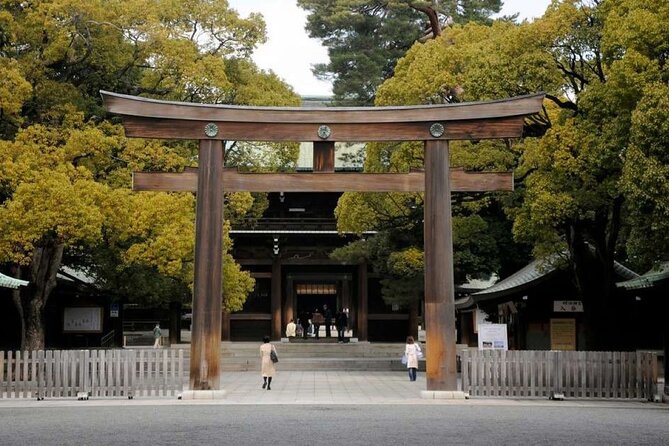
Then you’ll head to Meiji Shrine, set in a dense forest area with tens of thousands of trees donated by people from across Japan. You’ll have about 1 hour, and admission tickets are not included here either.
The forest setting is the whole point. It feels like you’ve escaped the city without actually leaving it. If you’re the type who enjoys quiet moments—this stop is often where the day feels most meaningful.
Harajuku’s Takeshita Street and Shibuya Crossing: Fashion Meets Motion
This portion is where Tokyo turns up the volume.
Takeshita Street
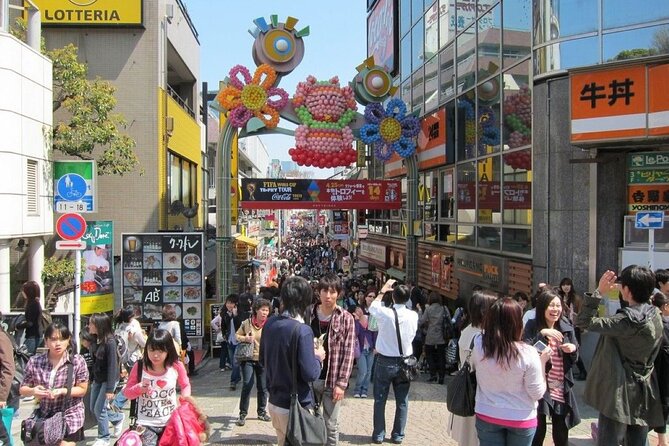
Takeshita Street is a short shopping stretch in Harajuku, between Harajuku Station and Meiji Street. You’ll spend about 1 hour, and admission is free for this stop.
This is ideal if you want quick, colorful people-watching and snacks or souvenirs. It can be crowded, so keep expectations practical. Think: browse, buy one or two fun things, take photos, and move on.
Shibuya Crossing
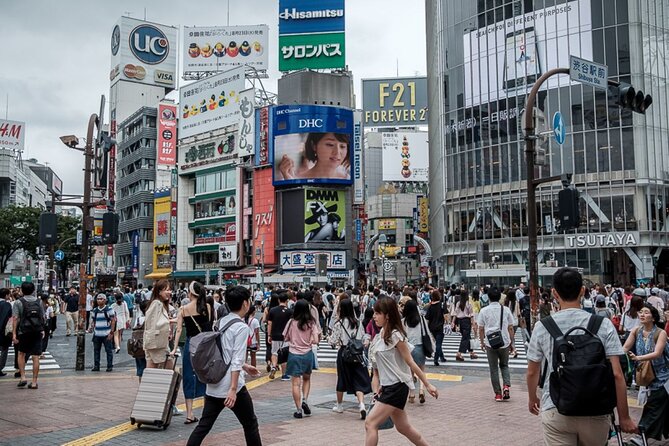
Shibuya Crossing is the world-famous scramble intersection. You’ll have about 30 minutes, and admission is free.
For this stop, your best strategy is to pick a viewing spot quickly, take a few photos, then let the crossing energy do its thing. Don’t spend your entire time trying to perfect the single photo—Tokyo moves fast, and so should you.
How the Guide Affects the Day (And What to Do About It)
Your English guide/driver can shape the experience in a big way. In positive reviews, guides like Mukarram Muhammad and Abdul were praised for being punctual, patient, and genuinely helpful with local traditions and practical matters. One standout theme: they helped with transactions and reduced language barriers, which is a real stress-saver in a place where simple tasks can turn into time-wasters.
There’s also a caution flag from one mixed review: the driver was nice, but the information felt limited at times, with the driver not acting as the guide for most stops. That doesn’t mean your day will be like that, but it’s a heads-up that “English Speaking Driver & Pro Guide” should ideally translate into explanation and context—not just transportation.
How to make sure you get the guide value:
- Start by telling your guide what you care about most (temples, food, views, shopping).
- Ask for quick context questions at the start of each stop.
- If you want more explanation, say it early so they can adjust.
A private tour works best when you communicate your priorities.
Timing Tips So You Don’t Burn Your Whole Day on Lines
This tour moves through major districts. That’s exciting—but it also means timing matters. With a private setup, you can adjust order or dwell time where it makes sense, but you still want a plan for how you’ll spend peak moments.
A practical way to do it:
- If you care about viewpoints, treat Skytree/Tokyo Tower as your “weather and light” decisions.
- For Senso-ji and Tsukiji, decide whether you want photos only or photos plus small bites.
- For Meiji Shrine and Shinjuku Gyoen, plan to slow down. This is where you’ll feel less like you’re rushing.
- For Harajuku and Shibuya, assume crowds. Wear comfortable shoes and keep your shopping goals modest.
Also, the tour is marked as requiring good weather. If the weather is rough and the day changes or gets canceled, you should be ready to shift plans.
Should You Book This Tokyo Private Tour?
Book it if you want a private, English-supported Tokyo highlights day with real flexibility, hotel pickup, and comfort in a luxury vehicle. It’s especially worth it when you’re traveling as a small group (up to 6) and you’d rather pay for smooth logistics than spend hours managing routes and timing on your own.
Skip it or reconsider if you’re mainly looking for a low-cost tour and you don’t want to budget for separate admission at multiple stops. Also, if your dream tour includes deep, stop-by-stop interpretation, it’s worth communicating your expectations early so you get the guide experience you’re paying for.
If you like clear, efficient sightseeing with room to breathe—this is a strong match.
FAQ
How many people are in a group?
The tour is priced per group and can accommodate up to 6 people.
How long is the Tokyo private tour?
It runs about 8 to 10 hours.
Do you get pickup and drop-off from your hotel?
Yes. Hotel pickup and drop-off are included.
Is the guide English-speaking?
Yes. The tour includes an English speaking driver and pro guide.
Are attraction tickets included?
No. Admission tickets are not included for Imperial Palace, Tokyo Skytree, Tokyo Tower, Shinjuku Gyoen National Garden, and Meiji Shrine. Other stops listed (Senso-ji, Tsukiji Outer Market, Takeshita Street, and Shibuya Crossing) are listed as admission free.
What’s included in the vehicle?
You’ll have an air-conditioned luxury vehicle, Wi‑Fi onboard, and water bottles.
Can I cancel for a full refund?
Yes. You can cancel up to 24 hours in advance for a full refund. If the experience is canceled due to poor weather, you’ll be offered a different date or a full refund.