REVIEW · TOKYO
Enjoy Mt. Fuji View and free time shopping at Gotemba Outlets!
Book on Viator →Operated by H.I.S.Co., Ltd. · Bookable on Viator
Mt. Fuji in one packed day works. You get a full-day route from Tokyo that layers classic viewpoints—Arakurayama Sengen Shrine, Lake Kawaguchi, and Mt. Fuji’s 5th Station—then finishes with free time at Gotemba Premium Outlets. Add comfy air-conditioned transport and an English/Chinese speaking guide, and this is a practical way to chase Fuji without building a complicated transit plan.
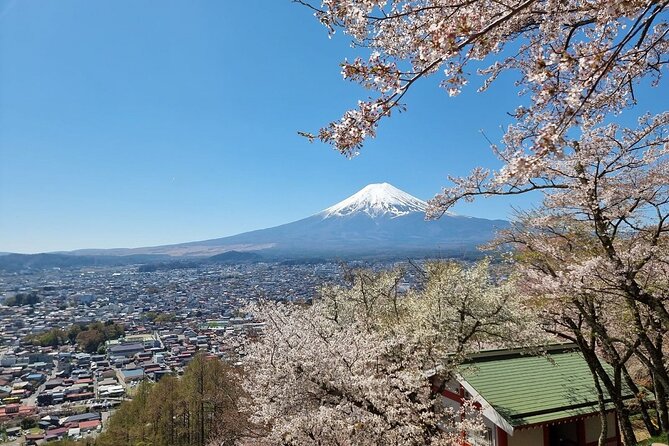
Two things I like about this tour: the Arakurayama Sengen Shrine stop (often with cherry blossoms late March to mid-April) and the way it sets you up for real mountain viewing at Oishi Park by the lake. The icing is the shopping time at Gotemba Premium Outlets, where you’ll get discounts (listed as 5 to 15%) plus a shopping coupon gift.
One drawback to keep in mind: this day is weather-dependent. If fog, rain, or heavy clouds roll in, Mt. Fuji may not show—and schedules can shift because of traffic or conditions—so it’s smart to plan your evening loosely.
In This Review
- Key highlights to know before you go
- Why This Mt. Fuji Day Trip Runs Out of Shinjuku
- Arakurayama Sengen Shrine: Cherry Blossoms and 300+ Steps
- Oishi Park on Lake Kawaguchi: The View You Actually Want
- Mt. Fuji 5th Station: What to Expect When the Weather Holds
- Gotemba Premium Outlets: Discounts, Coupon Gift, and Real Free Time
- How the Day Feels on a Bus: Timing, Traffic, and Comfort
- What to Bring for a Fuji Day That Can Turn Cold
- Price and Value: Is $45.61 a Fair Deal?
- Who Should Book This Tour (And Who Might Skip It)
- Should You Book Enjoy Mt. Fuji View and Free Time at Gotemba Outlets?
- FAQ
- How long is the tour, and what time does it start?
- Where do we meet and where does the tour end?
- Is lunch included?
- How much walking is involved at Arakurayama Sengen Shrine?
- Is there a restroom on the bus?
- What do we do at Gotemba Premium Outlets, and how long is it?
Key highlights to know before you go
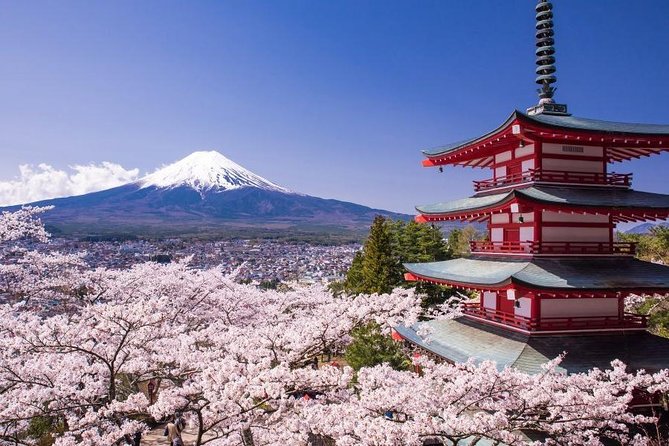
- Arakurayama Sengen Shrine includes a hill climb with more than 300 steps (admission free, but expect the workout).
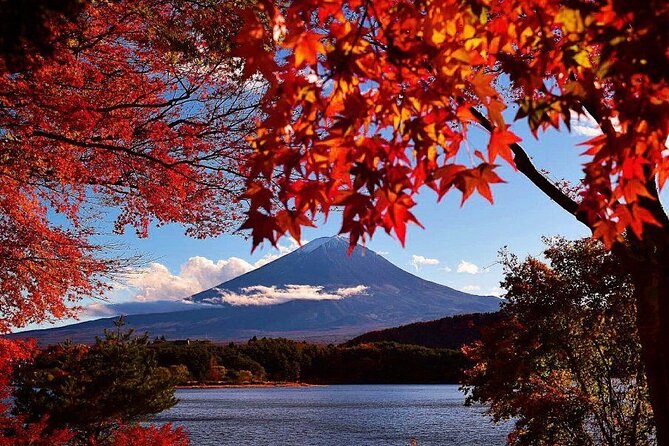
- Oishi Park on Lake Kawaguchi is the scenic pause with seasonal flowers and a Fuji-on-a-clear-day view.
- Mt. Fuji 5th Station is part photo-stop, part practical “see the mountain up close” moment—visibility depends on the weather.
- Gotemba Premium Outlets gives you free time for shopping or dining plus discounts listed as 5 to 15% with a coupon gift.
- Air-conditioned round-trip transport from Shinjuku-area meeting points makes the long day more tolerable.
- Group tour reality: not private, and timing can be affected by traffic and how smoothly the group keeps to meeting points.
Why This Mt. Fuji Day Trip Runs Out of Shinjuku
This tour is designed for one thing: getting you from Tokyo into Fuji country fast enough to actually enjoy it. The pickup starts at the Robert Indiana Sculpture: LOVE area in Nishishinjuku, and the ride ends near Shinjuku Station West Exit at Tokyo Mode Gakuen. That means you’re not fighting multiple transfers with suitcases, wrong exits, or “wait—where does this bus go?” moments.
The total duration is about 9 hours 45 minutes, so yes, it’s a long day. But it’s a long day with structure: morning sightseeing, midday lake views, then a final shopping stretch. If you want Fuji without spending your whole day figuring out timetables, this kind of day tour is exactly the tool for the job.
One practical bonus: you’ll have a mobile ticket, which reduces last-minute confusion. The group cap is listed as up to 45 travelers, so you’re not stuck with a massive crowd on the bus the way you can be on some big-city group tours.
You can also read our reviews of more tours and experiences in Tokyo.


Arakurayama Sengen Shrine: Cherry Blossoms and 300+ Steps
Arakurayama Sengen Shrine is the kind of stop that turns a “Fuji day” into a “Fuji moment.” The shrine sits high above the mountain, which is why the views matter so much here. When the timing hits—late March through mid-April—you may even catch cherry blossoms near the shrine, which makes the approach feel extra special.
Here’s the important part: reaching the main shrine area requires a climb of more than 300 steps. This isn’t a “casual stroll” stop. Comfortable shoes are non-negotiable, and you’ll want to bring water. If it’s hot, add a towel too. If you don’t want to climb all the way, the tour notes that you can wait at a rest area in front of the stairs or on the bus.
Also, the shrine admission is free on this tour, and the stop is about 45 minutes. That’s enough time for photos, quick shrine time, and a breather before the group moves on. If you get a clear window of weather, this is one of the better places on the route to see Fuji with context—temple + mountain + sky.
Oishi Park on Lake Kawaguchi: The View You Actually Want
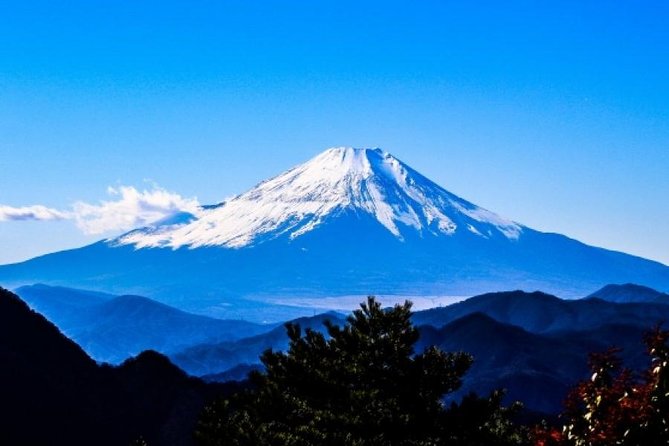
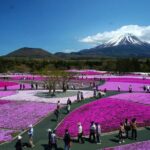
If you want the classic “Fuji with a lake in front of it” vibe, you’re coming for Oishi Park. This is one of the key stops for the day: it’s around 40 minutes, admission free, and it’s known for seasonal flowers. On clear days, Mt. Fuji can look sharp across the water, like the mountain is pinned to the horizon.
Oishi Park is also where a lot of people enjoy a simple break without committing to a full restaurant meal. The tour description points out fruit-flavored soft creams, and that matches the way this stop works in real life: you can do photos, take in the gardens, then grab something sweet and keep moving.
One realistic caution: this is still a Fuji day, so visibility isn’t guaranteed. Fog and rain can mute the whole experience. When that happens, I’d still treat Oishi Park as a scenic pause—lake air, flowers, and a calmer pace—rather than the place to “only succeed if Fuji appears.”
Mt. Fuji 5th Station: What to Expect When the Weather Holds
Mt. Fuji’s 5th Station is the headline stop, but it helps to understand what it’s like on the ground. The tour includes the 5th Station visit as part of the day, and it’s the point where you get the most immediate sense of altitude and the visitor facilities around Fuji.
Here’s the truth to plan around: the tour specifically warns that Mt. Fuji may not be visible depending on humidity, heavy rain, or fog. So your “success condition” should be flexible. If the sky clears even briefly, you’ll likely get great photos and that wow feeling. If it doesn’t, you may still appreciate the scale of the mountain area and the overall atmosphere, but it can feel more like a viewing-and-souvenir stop than a full mountain reveal.
The other variable is daylight and temperature. The route notes it can be cold in the mountains, so pack for chill even if Tokyo feels mild. Also, keep your evening plans light. Traffic congestion or weather can shorten sightseeing time or change the order of stops.
In short: Mt. Fuji 5th Station is worth doing, but go in with weather-aware expectations. Your day’s outcome is shaped more by the sky than by the itinerary.
Gotemba Premium Outlets: Discounts, Coupon Gift, and Real Free Time
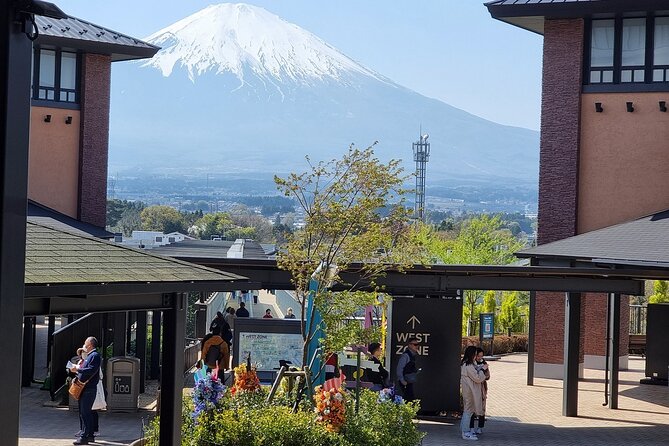
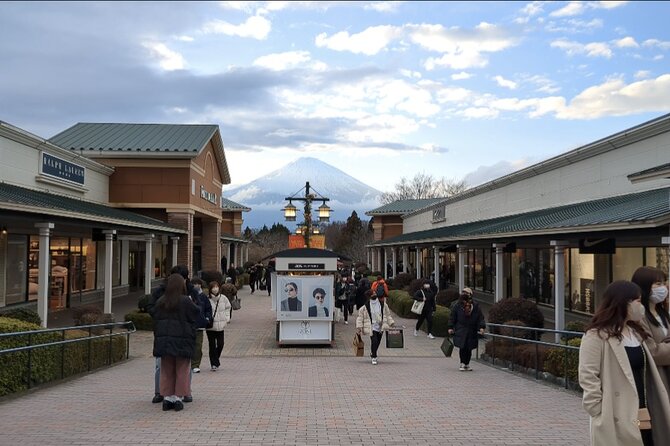
After the mountain and lake stops, the tour pivots to shopping at Gotemba Premium Outlets. This is one of the smarter “recovery” blocks in the day because you get real choices: you can shop, you can eat, and you can take breaks without checking in at a shrine or looking for a viewpoint around every corner.
The time here is 1 hour 40 minutes, and the outlets are listed as admission free. The tour description also says you’ll get discounts of 5 to 15% and a shopping coupon as a gift. In practice, that makes the outlets feel closer to a “bonus stop” than a token visit.
One more detail: lunch isn’t included in the tour, but you do get free time at Gotemba Premium Outlets for shopping or dining. If you’re trying to keep the whole day budget-friendly, use this block to grab a casual meal. The outlets area is also easier to manage late in the day, when group pacing can get slower.
The only consideration: outlets aren’t always bargain heaven. Prices vary by store, and the biggest value comes from using the coupon and discount promise during your browsing window.




How the Day Feels on a Bus: Timing, Traffic, and Comfort
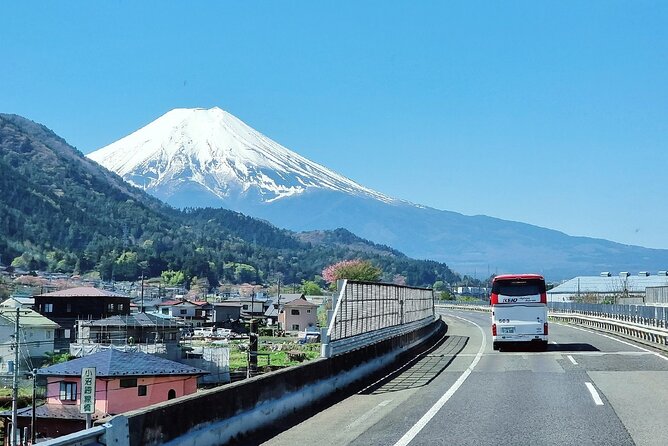
This is a round-trip group tour, so you’re trading independence for convenience. The ride is air-conditioned, which matters when you’re stuck on the road for hours. The tour also notes there is no restroom available on the bus, though toilet breaks are taken on the way.
Group size and vehicle type can change with the number of people. The tour notes that within 9 people you’ll use a small car; minibuses for 20; and large buses for the rest. If you’re tall, know that smaller cars can feel cramped. One past experience highlighted how a smaller bus felt uncomfortable for taller people, which is the kind of thing you should factor in when you pack your day.
You also need to be punctual at meeting points and attractions. This tour has a carpooling style schedule, and lateness can disrupt the whole day. A real lesson from a less-perfect day is that if the guide is late and other group members miss meeting time, the day can lose almost an hour of momentum. That’s why I recommend showing up early and taking “meeting time” as a hard deadline.
The best versions of this tour feel smooth because the guide keeps things organized. Some groups have praised guides for being fluent and energetic, and the driver experience can also make a difference in how calm the ride feels. One named example from a previous group was Yoshiko as the tour manager and Arai-san as the driver, both credited with keeping the day moving well.
What to Bring for a Fuji Day That Can Turn Cold
This itinerary mixes steps, viewpoints, and changing weather, so pack like the mountain will be cooler than you expect. The tour warns it can be cold in the mountains, and it suggests warm clothing for that reason.
For the Arakurayama climb, bring:
- Comfortable walking shoes for the steps
- Water (especially on hot summer days)
- A towel in warmer months
For the rest of the day, keep it simple:
- A light layer you can add or remove (weather shifts happen fast around Fuji)
- A small bag for snacks and personal items since lunch isn’t provided
- Patience for a long ride day
Also keep hygiene and comfort in mind. One past experience noted the guide using a disinfection spray process when entering the bus. Even if that isn’t constant, it’s a good reminder to stay prepared with your own basics like hand sanitizer.
Price and Value: Is $45.61 a Fair Deal?
At $45.61 per person, this tour can be a strong value if you want the core Fuji sights plus shopping without designing your own transportation day. Why? Because the included pieces cover the heavy lifting:
- Air-conditioned round-trip transportation
- English/Chinese speaking tour conductor
- Tour stops with admission free at the shrine and Oishi Park
- A major shopping block at Gotemba with free time
What you should expect to pay extra:
- Drinks (not included)
- Lunch (not included)
- Anything you choose to buy at Gotemba or snacks during downtime
- Any optional add-ons not covered by the itinerary
Compared to tackling Fuji independently, the biggest “value” is time and stress reduction. You’re not calculating rail routes, bus schedules, and where to stand for the best photos across multiple locations. You’re paying for a plan that moves you from place to place with a guide and transport lined up.
The bargain only holds if you’re okay with group pacing. If you want total flexibility or you’re traveling with a tight evening schedule, this might feel like a trade. But for most visitors, a one-day Fuji route plus outlets is a practical mix.
Who Should Book This Tour (And Who Might Skip It)
This is a good match if you:
- Want Mt. Fuji highlights without a complex transit plan
- Like structured group sightseeing with a guide managing the day
- Want a scenic morning/afternoon and a shopping/dining window afterward
- Are comfortable with moderate uphill walking (the shrine climb is the real test)
It might not be the right match if you:
- Have mobility limitations that make 300+ steps difficult
- Need guaranteed Mt. Fuji visibility (weather can block the view)
- Hate long bus days or you’re very sensitive to cramped seating in smaller vehicles
If you’re traveling solo, this can be a solid way to get out of Tokyo and still feel supported. If you’re a couple or small group, the schedule can work well too. Just treat it as a full-day commitment, not a quick excursion.
Should You Book Enjoy Mt. Fuji View and Free Time at Gotemba Outlets?
I’d book it if you want the cleanest path to a classic Fuji day: shrine views, Lake Kawaguchi scenery, and then the outlets to balance your day with something familiar and flexible. The price is low for a full-day plan that includes transportation and guidance, and the outlets stop adds actual utility instead of feeling like filler.
Before you confirm, do two things: check the weather forecast and plan your evening with buffer time. Fuji visibility isn’t fully under anyone’s control, and traffic can affect how smoothly the day runs.
If you go in flexible and prepared—comfortable shoes, warm layers, and punctual arrivals—you’re set up for a memorable day.
FAQ
How long is the tour, and what time does it start?
The tour runs for about 9 hours 45 minutes and starts at 8:00 am.
Where do we meet and where does the tour end?
You start at the Robert Indiana Sculpture: LOVE in Nishishinjuku, and the tour ends near Tokyo Mode Gakuen in Nishishinjuku by Shinjuku Station West Exit.
Is lunch included?
No. Lunch is not included, but you do get free time at Gotemba Premium Outlets to shop or dine.
How much walking is involved at Arakurayama Sengen Shrine?
The climb to the shrine hill involves more than 300 steps. The tour advises wearing comfortable shoes and bringing water, and you can wait for the group at a rest area if you don’t want to climb all the way.
Is there a restroom on the bus?
No restroom is available on the bus, but the tour includes toilet breaks on the way.
What do we do at Gotemba Premium Outlets, and how long is it?
You get free time to shop or dine at Gotemba Premium Outlets for about 1 hour 40 minutes. The tour notes discounts of 5 to 15% and that a shopping coupon gift is provided.