REVIEW · TOKYO
Real Samurai & Ninja Experience in Tokyo, 90‑Min Hands‑On Session
Book on Viator →Operated by Musashi Ninja Clan Honjin Dojo in Asakusa · Bookable on Viator
In Tokyo, you can train like a ninja. What makes this one click is the real dojo atmosphere and the chance to do hands-on movements that feel tied to a living family tradition, not a staged performance. I especially like getting dressed in samurai-style hakama and handling clan-made tools, then practicing stances, breathing, and awareness that sit at the core of both ninja and samurai training.
One possible drawback: the meeting spot can be a little tricky to find at first, since it’s on a 3rd floor above a knife shop, so give yourself a few extra minutes to get settled.
In This Review
- Key points at a glance
- Why This Ninja and Samurai Session Feels Different in Asakusa
- From the Dojo Entrance to Hakama: What the First Moments Teach You
- 90 Minutes of Training: Stances, Breathing, Awareness, and Safe Handling
- Namba Walk and Stealth Steps: Learning to Move Like You Mean It
- Shuriken Throwing With a Mental Goal
- Samurai Sword Practice: Grip, Stance, and Drawing Without Drawing
- Kujikiri and Meditation: The Part Most People Underestimate
- Photo Time in Full Dojo Atmosphere (Plus Q&A)
- Location Tips: Meeting Near Kappabashi and Finding the Dojo
- Price and Value: Is $167.15 Worth It?
- Who Should Book This Ninja and Samurai Workshop
- Should You Book This Experience in Tokyo?
- FAQ
- How long is the real Samurai & Ninja experience?
- Where does the experience start, and does it return to the same place?
- Is there an interpreter during the session?
- Can kids participate?
- What activities are included in the training?
- Is a spectator fee required?
- Can I book a private session instead?
- What’s the cancellation policy?
Key points at a glance
- 90 minutes of hands-on dojo training, not a lecture
- Dressed in hakama for the full experience
- Shuriken throwing focused on concentration, not showmanship
- Sword basics: grip, stance, and draw mechanics with an emphasis on control
- Opening and short meditation, plus a ritual called kujikiri
- Ends with photos + Q&A inside the dojo setting
Why This Ninja and Samurai Session Feels Different in Asakusa
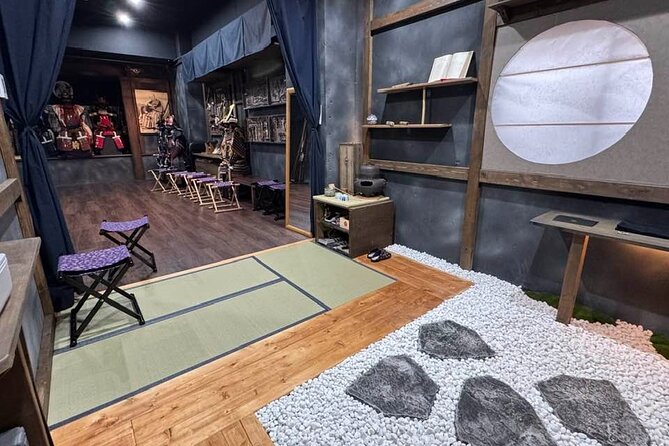
This is a Tokyo experience built around a working dojo in the Asakusa area, run by the Musashi Ninja Clan Honjin Dojo. The vibe matters here. You’re not watching martial arts from the sidelines or doing watered-down “play fighting.” You’re guided through movement, mindset, and safe handling in a space designed for training.
You’ll meet up near Kappabashi Street, the famous area where you can find tools, knives, and all kinds of craft-focused shops. That’s a smart match for what comes next: you’re about to handle items that are described as being made by the clan’s weaponsmiths. Even if you’re not a martial arts person, that detail helps you understand why this workshop feels grounded.
The small-group size also helps. The experience caps at 6 travelers, which keeps the session from feeling like a factory line. For kids, it means they actually get to try things. For adults, it means you’re less likely to lose the thread when the instructor explains the “why” behind each drill.
You can also read our reviews of more tours and experiences in Tokyo.



From the Dojo Entrance to Hakama: What the First Moments Teach You
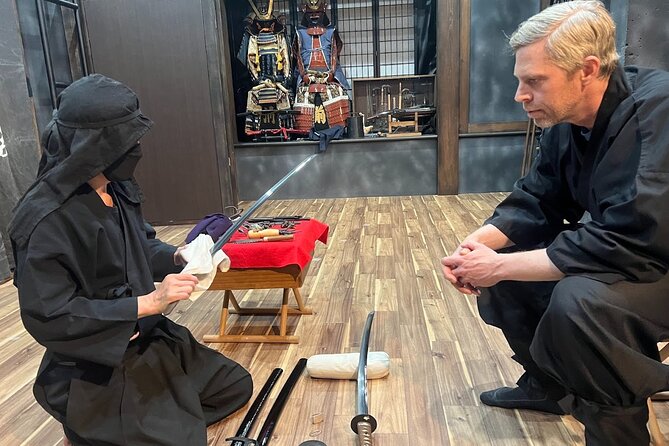
The session starts with you getting into costume: samurai hakama trousers. That’s more than a fun photo step. Clothing changes posture. It changes how you move. It also signals that you’re entering a training context, where form and respect matter.
Then you settle into the dojo routine with an opening meditation. You’ll also get an instructor demonstration, and the lesson is structured so you move from observation to practice. That rhythm matters because ninja and samurai training isn’t just about physical skills—it’s about control: awareness, breathing, and learning how to keep your mind quiet enough to act precisely.
Interpreter support is included through an online interpreter system, and you’ll have a black belt instructor leading the training. In one review, an interpreter named Vanessa was specifically praised for translating everything clearly, which is exactly what you want in a workshop full of technique names and short philosophy lessons. If you’re traveling with kids, it also reduces the “translation gap,” so they don’t just mimic movements without understanding the basic ideas.
90 Minutes of Training: Stances, Breathing, Awareness, and Safe Handling
After the first ceremonial beats, you transition into physical basics. The workshop teaches stances, breathing, awareness, and safe weapon handling. That’s important for two reasons.
First, it makes the experience safer for complete beginners, including children. Second, it explains why the drills are slow and deliberate. Ninja and samurai training is full of small corrections: foot placement, body alignment, and how you hold tension in the right places.
You’ll also get a guided introduction to handmade shinobi tools and weapons. The tools aren’t treated like props. The way they’re handled is part of the lesson—how to hold them, how to respect their purpose, and how the physical motion connects to mental discipline.
Namba Walk and Stealth Steps: Learning to Move Like You Mean It
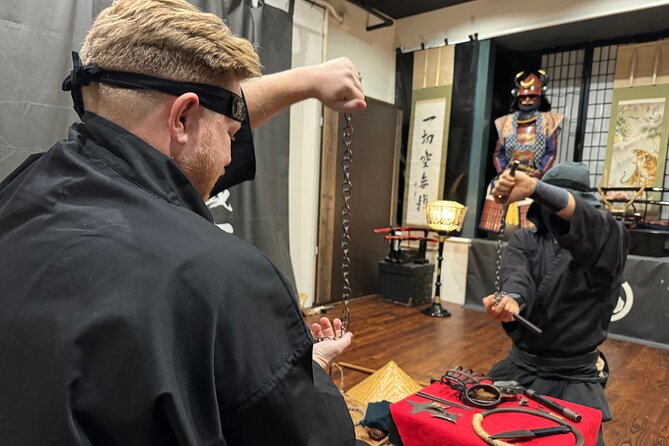
One of the signature parts is namba (shinobi samurai walk) plus stealth steps. Think of this as learning how to control speed, weight transfer, and presence. In practical terms, it’s the opposite of “running around pretending.” You’re practicing quiet movement patterns designed to make your body predictable and controlled.
There’s also a version of a blindfolded stealth walk mentioned in the experiences shared by families. It fits the theme perfectly: awareness isn’t theoretical here. You train it. Even if you’re not blindfolded in every session, you’ll still work on awareness and sensory focus as part of the basic stealth steps.
This section tends to be a favorite because it feels immediate. Kids get a visible challenge. Adults get a technique that’s actually useful as a foundation for deeper martial arts training.
Shuriken Throwing With a Mental Goal
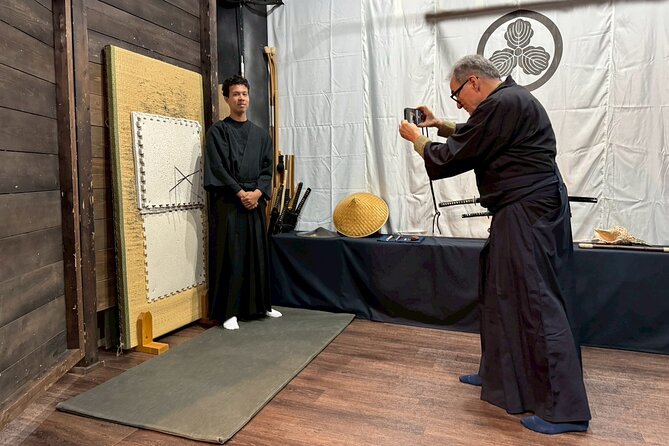
Next comes shuriken throwing (ninja star throwing). The real emphasis here isn’t throwing for distance. The purpose is concentration—keeping your mind silent. That’s a big difference from the common tourist version where shuriken becomes a novelty.
In a dojo context, you’re learning how intention matters. How you stand. How you align your focus. How you execute without rushing your body. It’s also a nice skill to share across ages because the goal is mental calm as much as it is arm mechanics.
You should expect instructions to be step-by-step and safety-focused. This is where having a black belt instructor and close guidance matters most, especially if you’re bringing children.




Samurai Sword Practice: Grip, Stance, and Drawing Without Drawing
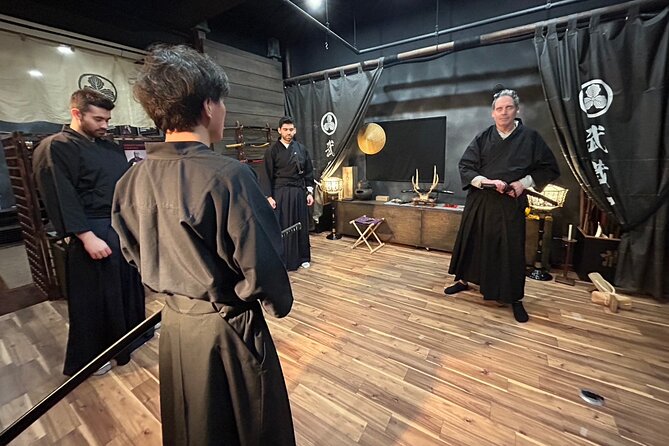
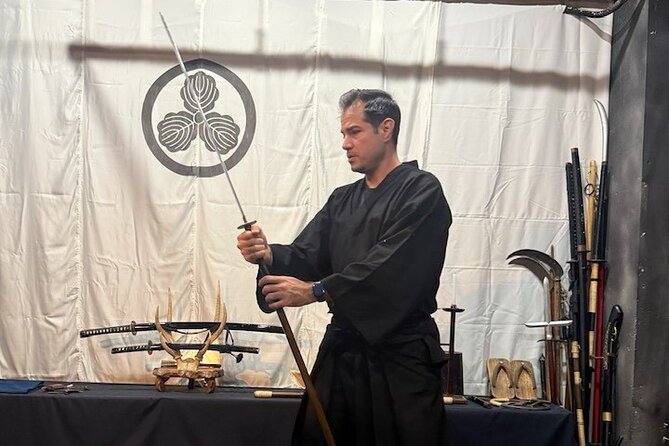
The sword segment is a key reason to book this even if you only have mild interest in martial arts. You’ll practice how to hold and stand with a sword, and you’ll also learn the basics of drawing. The lesson states an important principle: the ultimate goal of swordsmanship is to win without drawing a sword.
In other words, the training isn’t about dramatic swings. It’s about control and readiness. That mindset is very “dojo” and very different from the sword-at-the-camera style of attractions.
One review highlighted that this isn’t play-fighting. You learn about tools and the ninja life in a structured way, with guidance from the master and assistant. That’s the best-case scenario for beginners: you’re not just copying motions; you’re building the foundation that makes later training possible.
Kujikiri and Meditation: The Part Most People Underestimate
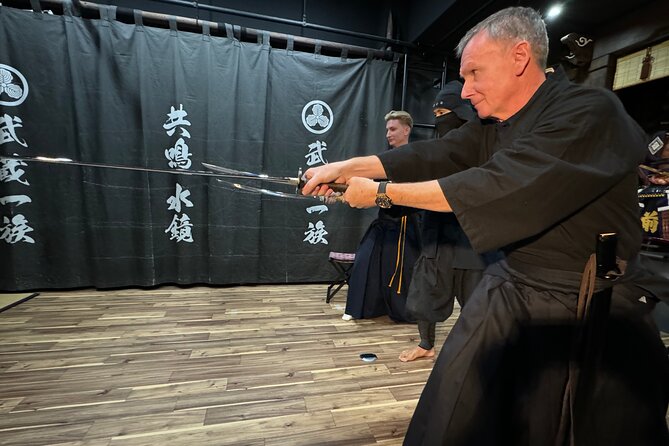
A short meditation and kujikiri come later in the session. These parts can feel mysterious if you’ve only seen ninja in movies, but here they’re treated as training and ritual. Even if you don’t fully know the cultural background before you arrive, you’ll experience how the workshop blends mental focus with movement.
In practical terms, this section helps you transition from adrenaline to calm. If your group includes kids, it also gives a break from constant motion while still keeping them engaged. You’re not watching a slideshow—you’re participating.
Photo Time in Full Dojo Atmosphere (Plus Q&A)
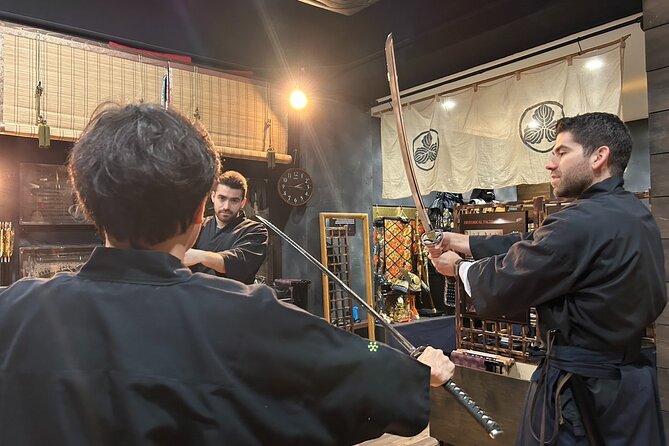
The session ends with time for photos and a short Q&A period (about 10 minutes). This is where the hakama and dojo setting pay off visually. You’ll strike your best ninja pose at the end, but you’re doing it after training, not instead of it.
Photo time works for families because kids get a “we did the thing” moment, and adults get proof of a real experience. Just keep expectations realistic: photos are part of the experience, but this is still a training workshop. Your best photos will come from listening closely and moving with confidence during the practice, not trying to turn everything into a costume shoot.
Location Tips: Meeting Near Kappabashi and Finding the Dojo
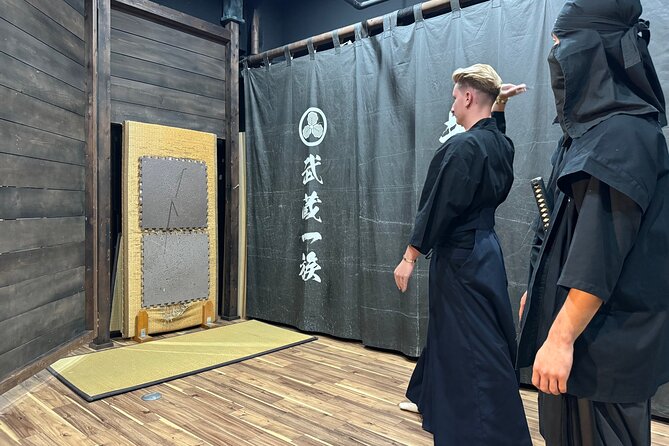
The meeting point is at MUSASHI JAPAN in the Matsugaya area (Taito City), near Kappabashi Street. It’s listed as being in a building with a 3rd-floor meeting spot. Reviews also mention it can be a bit hard to find at first, with the guide waiting outside if you arrive and signal you’re there.
My practical advice: arrive a few minutes early and confirm the exact building and floor. This isn’t a “wander and hope” experience. Once you’re in the right place, the flow is smooth and the staff are friendly and engaging.
Also note that hotel pickup and drop-off aren’t included. You’ll want to handle your own transit to get there.
Price and Value: Is $167.15 Worth It?
At $167.15 per person for about 90 minutes, this isn’t a cheap activity. The value comes from what’s included: small-group training, interpreter support, instruction from a dojo team, costume dressing, hands-on practice with weapon tools in a controlled way, plus photos and Q&A.
Where this feels most worth it is for families and mixed-age groups. Kids typically love getting dressed, moving through stealth and stance drills, and trying shuriken throwing. Adults like the structure, the cultural framing, and the fact that you’re working on discipline and control rather than “just trying weapons.”
If you’re traveling with someone who expects a purely cinematic experience—lots of sword “stunts” without rules—you may be disappointed. This is disciplined training, with safe handling taught as part of the lesson.
One extra cost to plan for: spectators have a fee of 2750 yen, payable upon entering the dojo. If you’re bringing grandparents or friends who want to watch, add that to your budget.
Who Should Book This Ninja and Samurai Workshop
Book it if you fit one of these profiles:
- You want a hands-on cultural training experience in Tokyo, in a real dojo setting.
- You’re traveling with kids who will actually participate (this works for kids and adults alike).
- You want a structured mix of physical skills and mental practices (breathing, awareness, meditation).
- You care about safety and instruction, not only props.
You should think twice if:
- You want hotel pickup and a totally effortless “door-to-door” day.
- You expect a fast, casual activity with minimal instruction.
- Your group includes very young kids who can’t follow a dojo training structure. Children under 12 can participate when accompanied by a participating guardian.
Should You Book This Experience in Tokyo?
If your goal is to learn real ninja and samurai fundamentals in a living dojo—dress up, train safely, throw and handle tools, then end with photos—this is an easy yes. The workshop’s biggest strength is the combination: movement + mindset + ritual, all taught in a way beginners can follow.
I’d book it sooner rather than later if your travel dates are fixed, since it’s small-group (max 6) and many people plan ahead. And if you’re unsure whether your family will enjoy it, look at it this way: even spectators can watch for a fee, and the structure gives kids something active to do while adults get explanations and practice.
If you want a Tokyo experience that feels like you stepped into a real training culture for 90 minutes, this one fits the bill.
FAQ
How long is the real Samurai & Ninja experience?
It’s about 1 hour 30 minutes (around 90 minutes).
Where does the experience start, and does it return to the same place?
It starts at MUSASHI JAPAN in Taito City (near Kappabashi Street) and ends back at the meeting point.
Is there an interpreter during the session?
Yes. Online interpreter support is included, and the workshop is taught with an instructor team.
Can kids participate?
Yes. It’s suitable for kids and adults alike, and children under 12 may participate when accompanied by a participating guardian.
What activities are included in the training?
You can expect opening meditation, instructor demonstration, wearing hakama trousers, learning stealth movement (namba and stealth steps), shuriken throwing, sword practice (holding and drawing basics), short meditation and kujikiri, plus photo time and Q&A.
Is a spectator fee required?
Yes. Spectators pay 2750 yen upon entering the dojo.
Can I book a private session instead?
Yes. A private session option is available for up to 12 guests, with a private session fee of ¥16,500 for the entire group.
What’s the cancellation policy?
You can cancel for a full refund up to 24 hours before the experience starts. If you cancel less than 24 hours before, the amount paid is not refunded.