REVIEW · TOKYO
Premium 14-Piece Sushi & Cultural Discovery with Chef Interaction
Book on Viator →Operated by REONA Sushi Tokyo – A Journey to Reveal Sushi's Secrets · Bookable on Viator
Sushi gets real at the chef’s counter. This small-group session in Tokyo pairs an English-speaking guide with hands-on chef interaction at the counter, plus a 14-piece premium omakase that turns sushi-making into a clear, step-by-step lesson.
I love that you’re not just eating. You’re learning why each move matters, from how fish and toppings are handled to how the meal is structured.
One consideration: the experience can’t accommodate allergies or dietary restrictions related to rice, soy, or seafood. If you’re in that category, double-check before booking.
In This Review
- Key things I’d mark on your plan
- At the Chef’s Counter: What the 14-Piece Omakase Really Shows You
- Where the Stops Fit: Chiyoda, Kanda, Jimbocho, and Akihabara
- How the Chef Teaches Edomae Technique: Searing, Simmering, Wrapping
- Premium vs Standard Tastings: Why Comparative Eating Makes Sense
- Tools and Ingredients: The Stuff You Can’t See at Regular Restaurants
- Behind-the-Counter Photo Time: Chef’s Workspace Access
- Sake Pairings and Drinks: What’s Included and What You’ll Order
- For Families: Kids’ Room Rules and How Seating Works
- Small Group Value: Why Max 5 Travelers Matters for Sushi Learning
- Price and Timing: Is $171.73 Good Value Here?
- Who This Tour Fits Best (and Who Might Want a Different Plan)
- Should You Book REONA Sushi Tokyo’s Chef Interaction Tour?
- FAQ
- How long is the sushi experience?
- What’s included in the meal?
- Is a beverage or alcohol pairing included?
- What’s the group size?
- Where does the tour start?
- Can kids sit at the sushi counter?
- Are allergies or dietary restrictions accommodated?
- Do I need to bring a paper ticket?
- Is it near public transportation?
- Can I cancel for a full refund?
Key things I’d mark on your plan
- Up to 5 travelers so questions don’t get lost in the noise
- 14-piece premium sushi course built for tasting and learning
- Comparative tastings that highlight premium vs standard ingredients
- Wasabi and rice lessons showing how prep changes flavor
- Tool-focused explanations plus a behind-the-counter workspace visit
- Photos are part of the experience after you step into the chef’s work area
At the Chef’s Counter: What the 14-Piece Omakase Really Shows You
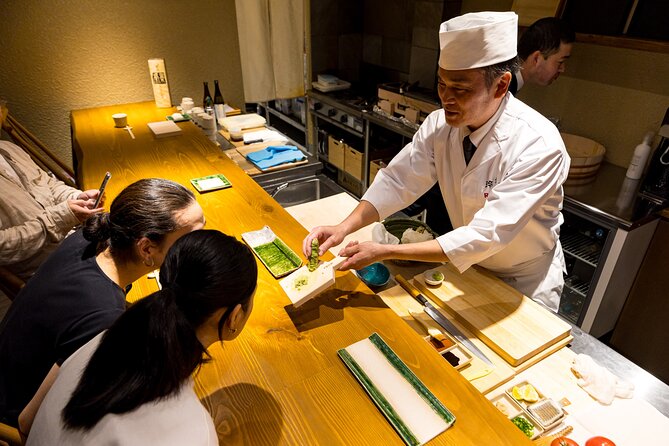
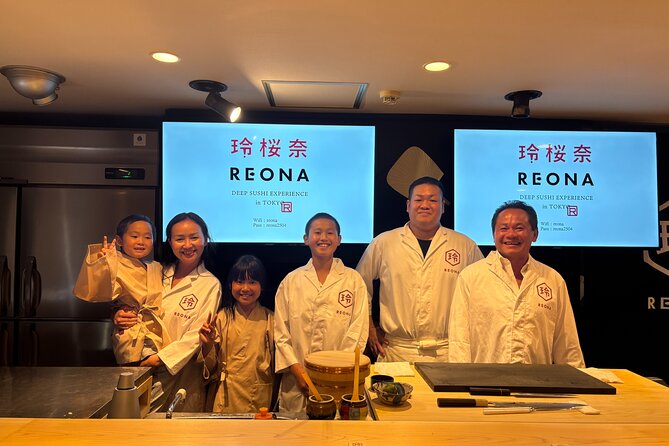
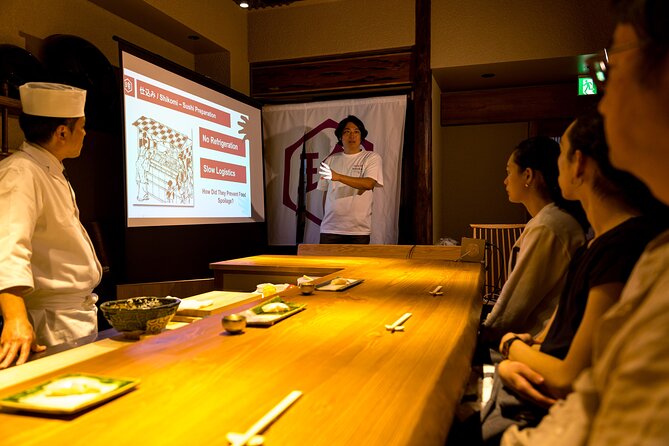
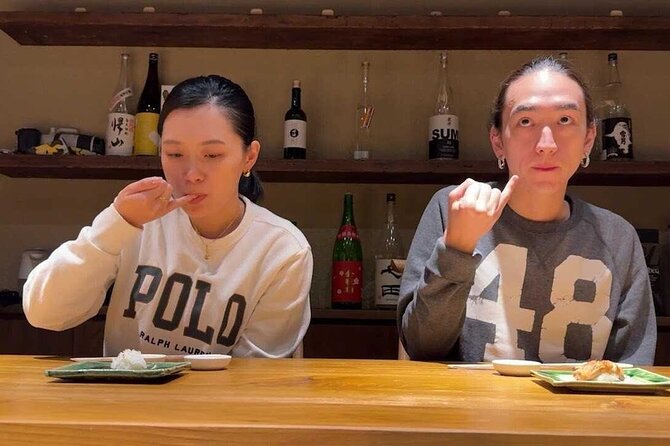
The heart of this tour is simple: you start at an authentic sushi restaurant, get welcomed by an English-speaking guide, and sit at the exclusive chef’s counter. From there, you watch an expert sushi chef work close enough to see technique, timing, and hand movements that you’d never catch from a regular seat.
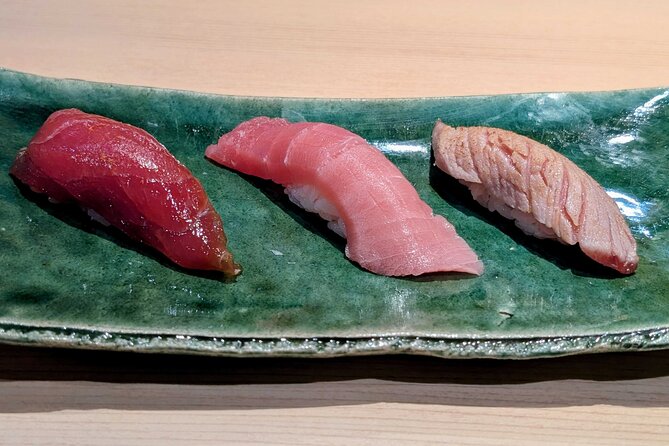
The meal is a guided 14-piece premium sushi course. That matters because it gives you enough variety to notice patterns, not just eat a “set” and move on. I like that the session is built around learning your senses: smell, texture, and how the flavor of rice and toppings shift from piece to piece.
You’ll also get a cultural framing as the chef demonstrates core Edomae techniques—things like searing, simmering, marinating, and wrapping. The guide’s job is to help you connect the kitchen process to what you’re tasting. That’s the difference between “watching” and actually understanding.
You can also read our reviews of more tours and experiences in Tokyo.

Where the Stops Fit: Chiyoda, Kanda, Jimbocho, and Akihabara
The itinerary lists stops across the Chiyoda–Kanda–Jimbocho–Akihabara corridor. Practically, that’s useful because it keeps you in a familiar part of Tokyo for a sushi experience that feels local, not tourist-factory.
Stop 1 is Chiyoda, which sets you up in the city’s central core. Stop 2 names the Ochanomizu / Akihabara / Kanda area, which is handy if you’re already planning to spend time in that general neighborhood cluster. Stop 4 calls out Kanda Jimbocho Bookstore Area, a location that helps you picture the “Tokyo layers” feeling—food culture next to paper-and-books culture.
Stop 5 returns you to Akihabara. Even if you don’t treat these stops like a sightseeing checklist, the pattern helps you understand the location: this is the kind of experience you can pair with normal Tokyo exploring before or after your meal.
How the Chef Teaches Edomae Technique: Searing, Simmering, Wrapping
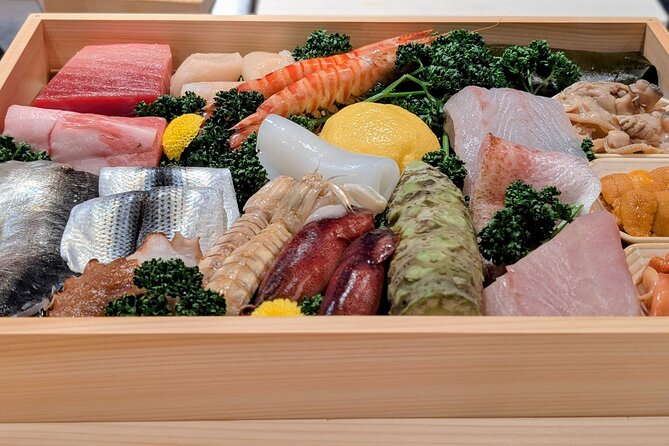
This isn’t a lecture where the chef stays hands-off. You’ll see the chef demonstrate essential steps that define Edomae-style sushi. The tour specifically highlights techniques like searing, simmering, marinating, and wrapping, and each one connects to what ends up on your plate.
Searing is about intensity and surface flavor. Simmering and marinating are about seasoning depth and moisture control. Wrapping is where you often see craft become structure—how the piece holds together and how it feels in your mouth.
The guide also builds in practical comparisons throughout the meal. You aren’t just watching a sequence once. You’re repeatedly asked to notice differences, which is how learning sticks. If you’ve ever eaten sushi and wondered what makes one piece taste “cleaner” or “more balanced,” this is the kind of session that gives you the answer in real time.
Premium vs Standard Tastings: Why Comparative Eating Makes Sense
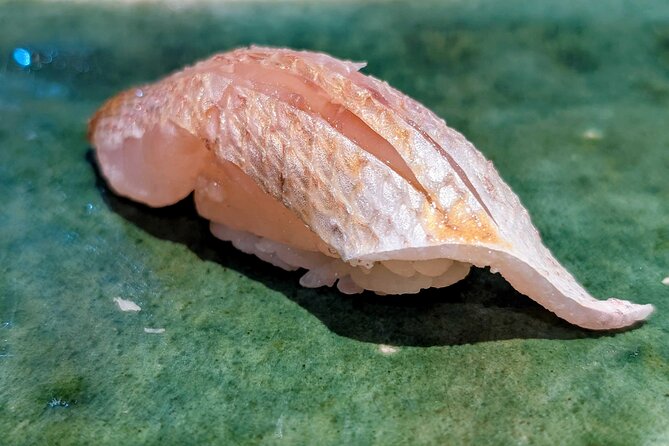
One of the most valuable parts is the guided comparison. You’ll do tasting moments designed to show differences between sushi made with premium versus standard ingredients. That’s a smart teaching approach because it removes the guesswork.
Instead of relying on “trust me, it’s better,” you get a controlled comparison you can taste for yourself. You’ll also learn how variations in rice preparation affect flavor. Sushi rice isn’t just “rice with vinegar.” Small changes can shift sweetness, acidity balance, and texture—so the flavor lands differently.
The same idea shows up with wasabi. You’ll compare freshly grated wasabi to standard paste. Even if you’ve had wasabi before, the comparison helps you understand why fresh wasabi can feel sharper and more aromatic. Paste can be fine, but it behaves differently on the tongue.
Tools and Ingredients: The Stuff You Can’t See at Regular Restaurants
This experience pays attention to the details most people miss: the tools and equipment the chef uses, and how those tools support the final result. You’ll get explanations tied to authentic sushi chef equipment, not just general storytelling.
If you like food craft, this section is a treat. Watching technique is interesting, but knowing why a tool matters gives you a deeper layer. Tools shape how consistently the chef can handle rice, portion fish, and manage temperature and timing—especially at the chef’s counter where everything needs precision.
You’ll also get insight into ingredients used in sushi. The session links those ingredient choices to your tasting, including the comparative moments that show how premium ingredients hold flavor differently. It’s a reminder that sushi quality is built from multiple small choices, not one magic ingredient.




Behind-the-Counter Photo Time: Chef’s Workspace Access
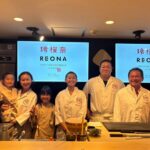
A lot of sushi experiences stop at the counter. This one goes farther. You’ll have an exclusive opportunity to step behind the sushi counter into the chef’s workspace and capture photos to remember the moment.
That photo access is more than just a souvenir. It’s a way to make the lesson “stick” visually. After you see the workspace, the tools and preparation steps start to make more sense. You can connect what you watched on the front row to where it happens.
This is also where the tour feels intimate. With a maximum of 5 travelers, you’re not fighting crowds for sightlines. You get closer attention, and the chef’s workflow stays clear.
Sake Pairings and Drinks: What’s Included and What You’ll Order
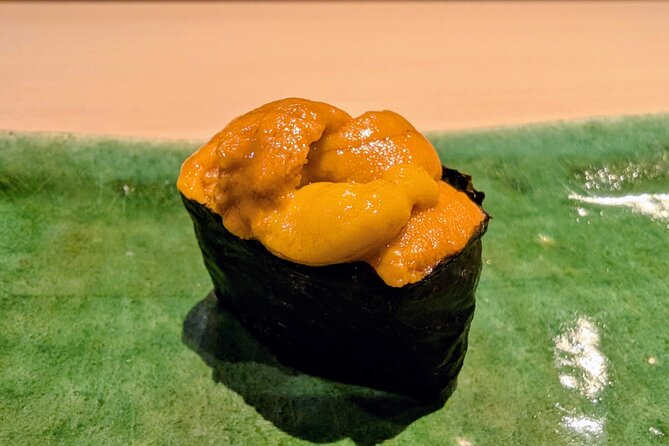
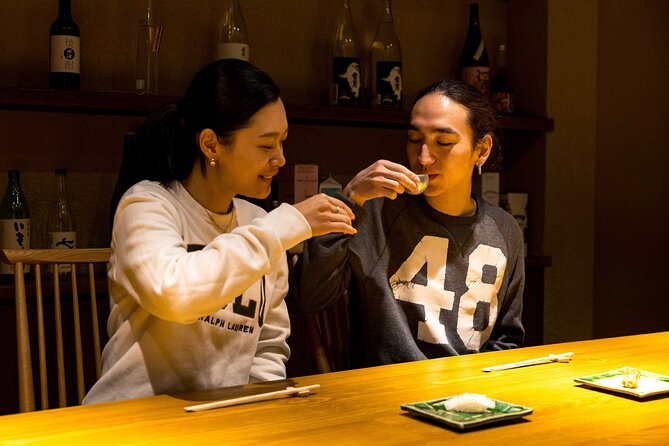
The 14-piece sushi course is included, but beverages are not. You can order sake pairings if you want. You can also request soft drinks upon arrival.
If you’re a sake fan, this is a key planning point. Pairings can add another layer to the tasting because sake can change how you perceive fat, sweetness, and saltiness in sushi. If you’re more cautious, you can keep it simple with soft drinks and still get the full value from the food-and-technique portion.
Either way, you’ll want to budget for drinks separately since they’re not part of the base offering.
For Families: Kids’ Room Rules and How Seating Works
Families can relax thanks to a dedicated kids’ room and child-friendly meal options. But the most important detail is where kids sit and what meal they get.
Child bookings include a kids’ meal and access to the kids’ room. They do not include the 14-piece sushi course. Kids also don’t get seated at the sushi counter. If your child wants the full counter experience alongside adults, you’ll need to book under the adult plan.
For families, this keeps expectations clear. It’s not a “one ticket fits all” situation. Adult seating is the actual chef-counter setup, and the tour treats kids as a separate experience with a different meal.
Small Group Value: Why Max 5 Travelers Matters for Sushi Learning
This session tops out at a maximum of 5 travelers. That changes the vibe. When the group is small, your guide can actually check in, clarify what you’re tasting, and support back-and-forth with the chef.
You also get a calmer, more focused environment at the counter. Sushi is timing-sensitive. A tour that respects that rhythm tends to feel smoother for you as a diner, not like you’re squeezing a show into a tight schedule.
If you’re the kind of traveler who likes asking questions, this group size is a practical advantage. If you just want a great meal with explanations that don’t overwhelm you, the size helps that too.
Price and Timing: Is $171.73 Good Value Here?
At $171.73 per person, this tour is positioned as a premium food-and-craft experience rather than a casual meal. The value comes from what’s included: a 14-piece premium sushi course, chef demonstrations, ingredient and technique comparison tastings, tool explanations, and the behind-the-counter workspace photo opportunity.
Duration is about 2 hours, with a standard 2 hours and a maximum of 2.5 hours. That’s a good length for this kind of learning because it gives time for multiple tasting points without dragging.
The tour is also mobile-ticketed, and confirmation is received at booking. On average it’s booked about 39 days in advance, which suggests it’s a popular slot for people who want this kind of counter experience without gambling on last-minute availability.
If you compare it to a typical sushi meal, the big difference is instruction. You’re paying for chef time, guided comparisons, and cultural context—not just fish and rice.
Who This Tour Fits Best (and Who Might Want a Different Plan)
This experience fits best if you want your sushi education to be practical. If you enjoy food craft, like understanding ingredients, or you’ve wondered how rice prep and wasabi differences actually change flavor, you’ll get a lot out of the comparative tastings and tool talk.
It also suits people who want a quieter, more personal Tokyo activity. The max of 5 travelers and the intimate counter setting keep it from feeling like a standard group dining event.
If you’re dealing with rice, soy, or seafood allergies or restrictions, this probably isn’t the right match because the experience can’t accommodate those constraints. If you’re traveling with kids, plan around the kids’ room setup unless you specifically book adult seating for the full counter course.
Should You Book REONA Sushi Tokyo’s Chef Interaction Tour?
Book it if you want a sushi meal that teaches you how to taste better. The chef interaction, the Edomae technique demos, and the premium-vs-standard comparisons are exactly the kind of experience that turns dinner into a lasting understanding.
Skip it (or at least look closely) if you need allergy or dietary accommodation related to rice, soy, or seafood. Skip it too if you expect beverages to be included in the price, because drinks are available but not included.
If you’re planning Tokyo around food experiences and you like to learn while you eat, this one makes a strong case. You’re not just consuming sushi. You’re getting the thinking behind it, plus photos from the chef’s workspace to prove it happened.
FAQ
How long is the sushi experience?
It runs about 2 hours. The standard duration is 2 hours, with a maximum of 2.5 hours.
What’s included in the meal?
You’ll get a guided 14-piece premium sushi course. The session also includes ingredient and technique comparison tastings and cultural insights into sushi traditions.
Is a beverage or alcohol pairing included?
Beverages are not included. Alcoholic drinks and sake pairings can be ordered after arrival at the restaurant, and soft drinks are also available upon arrival.
What’s the group size?
The experience has a maximum of 5 travelers.
Where does the tour start?
The meeting point is 3-chōme-3-6 Kanda Surugadai, Chiyoda City, Tokyo 101-0062, Japan.
Can kids sit at the sushi counter?
Child bookings include a kids’ meal and access to the kids’ room, and children are not seated at the sushi counter. To enjoy the full 14-piece course at the counter, you need to book under the adult plan.
Are allergies or dietary restrictions accommodated?
No. The experience is unable to accommodate allergies or dietary restrictions related to rice, soy, or seafood.
Do I need to bring a paper ticket?
No. The tour features a mobile ticket.
Is it near public transportation?
Yes. The meeting point is near public transportation.
Can I cancel for a full refund?
Yes. You can cancel up to 24 hours in advance for a full refund. If you cancel less than 24 hours before the start time, the amount paid will not be refunded.