REVIEW · HO CHI MINH CITY
Cu Chi Tunnels Half Day Luxury Tours
Book on Viator →Operated by Asia Travel Legend · Bookable on Viator
Cu Chi Tunnels can feel like a time machine, because you’re walking through a real underground war world. I like that the tour starts with a clear intro video before you head into the tunnel areas, and I also like the practical pace: an air-conditioned ride out from District 1, then about 3 hours on-site with bedrooms, kitchens, storage, weapon-factory space, field-hospital areas, and command posts. One thing to consider is the tone: this is a serious, war-focused visit, and parts of the experience can feel confrontational—so it’s not the kind of outing you do to relax.
The trip runs from a 7:30 am start time, and it’s built for an efficient half-day. You’ll be picked up from selected District 1 hotels, travel roughly 70 km (about 1.5 hours each way), and return to the meeting point at the end.
In This Review
- Key things to know before you go
- Cu Chi Tunnels: why this underground network still hits
- Price and what you’re really paying for at $35
- Pickup in District 1: logistics that make or break the day
- The 70 km ride north: what to expect on the way
- Intro video and orientation: getting the map before the maze
- Exploring the tunnel areas: living spaces, medical rooms, and command posts
- The shooting range and souvenir-shop stop: where value can slip
- Guides and pace: when explanations help (and when they don’t)
- Comfort, timing, and how to plan your afternoon
- Who this tour is for (and who should skip it)
- Should you book Cu Chi Tunnels Half Day Luxury Tours?
- FAQ
- Is hotel pickup included?
- How long is the tour?
- What time does it start?
- Where does the tour meet and end?
- What’s included in the price?
- Do I need to print a ticket?
- Is there a group size limit?
- Is it refundable if I cancel?
Key things to know before you go
- District 1 hotel pickup only: transport is set up for selected hotels in Ho Chi Minh City’s District 1.
- About 6 hours total: including the drive, intro, and your time exploring the tunnel areas.
- Admission ticket included: your entry is covered, so you’re not hunting for cash or line-skipping decisions.
- Small-group feel (max 25): better for hearing explanations and moving through exhibits without chaos.
- Drinks aren’t included: bring water or plan to buy it separately once you’re on-site.
- Optional add-ons can pop up: some visits include a shooting-range option, which is paid extra and can be a value letdown.
Cu Chi Tunnels: why this underground network still hits
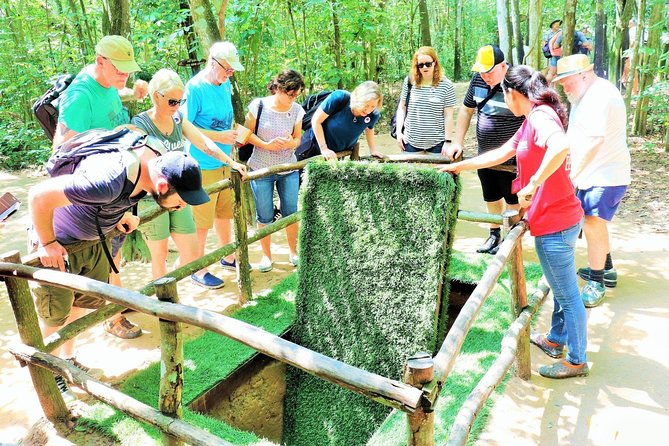
Cu Chi isn’t just a tunnel system. It’s the story of people living and fighting under extreme pressure, where every passage had a purpose and every room—kitchen, storage, medical space—served a life-or-death need. Even if you think you know the basics of the Vietnam War, walking through the preserved areas makes the scale feel real. The tunnel network is often described as extending well beyond what you can physically see in one visit, and that gap is part of the emotional weight: you’re shown a portion, but you can sense the larger machine beneath the ground.
I like that the tour doesn’t rush you straight into the dark. The short introduction and intro video are there to give you a mental map first: how the tunnels were constructed and how people survived the conditions underground. That matters, because without context it’s easy to see the site as a set of props. With context, it becomes a system.
You also get a Vietnam-centered framing of survival and tactics. That’s one reason this stop pairs so well with other war-history experiences in Ho Chi Minh City. If you’ve already visited the War Remnants Museum, you’ll likely connect more dots around perspectives and documentation. If you haven’t, you might still leave with questions—and that’s not a flaw. It’s often the starting point for learning more afterward.
You can also read our reviews of more tours and experiences in Ho Chi Minh City.



Price and what you’re really paying for at $35
At about $35 per person, this isn’t a budget-only outing, but it’s also not priced like a private driver day. The value comes from what’s already bundled: hotel pickup and drop-off for selected District 1 hotels, an air-conditioned vehicle, and the admission ticket.
For many people, the real cost of the Cu Chi visit isn’t the ticket. It’s the time and hassle of getting out there, managing transport, and figuring out how much on-site time you actually get. This tour solves that by running as a structured day plan with a set 7:30 am departure and a return back to the meeting point.
One practical note: drinks aren’t included. That’s normal for many tour operators, but it does mean you should budget a little extra for water or cooling breaks, especially in Vietnam’s heat. If you’re planning to stay hydrated and avoid feeling rushed, a small snack or bottle strategy goes a long way.
Pickup in District 1: logistics that make or break the day
The tour starts in Ho Chi Minh City (District 1) with a pickup option at selected hotels. If your hotel is outside District 1, you may need to use the meeting point address: 112 Đ. Trần Hưng Đạo, Phường Phạm Ngũ Lão, Quận 1. The trip ends back at that same meeting point.
Why this matters: Cu Chi is roughly 70 km from the city center, so you need a smooth, predictable start. With hotel pickup and an air-conditioned minivan, you avoid the stress of arranging a ride, negotiating routes, and losing time before the actual sightseeing begins.
Also pay attention to timing. A half-day tour on paper can still feel like a full morning plus a chunk of afternoon once you include the road time, the video, and the on-site walk-through. Expect long stretches of sitting in the van, then a concentrated period of walking and looking.
Group size is capped at 25 travelers. That’s big enough to have a lively tour but small enough that you usually won’t feel totally lost or ignored.
The 70 km ride north: what to expect on the way

The drive takes about 1.5 hours from Ho Chi Minh City to the Cu Chi area, northwest of the city. Even with AC, road time in Vietnam can mean noise, bumps, and a lot of looking out the window rather than resting deeply.
If you’re sensitive to motion sickness, bring something you trust. If you’re not, still plan to stay alert during the ride, because the transition from city streets to the war-history setting is part of the emotional setup. You’re not just traveling; you’re changing context.
This is also where you’ll get your first cues about how the day will run—how quickly you’ll be loaded, how organized the schedule feels, and whether your guide is setting expectations clearly for the tunnel visit.
Intro video and orientation: getting the map before the maze
Before exploring the tunnels, the tour includes a short introduction followed by an introductory video covering tunnel construction and how people survived in harsh underground conditions. This step is more than a formality. It prepares you to interpret what you’re about to see.
Here’s what you should listen for during orientation:
- How entrances were planned and why they mattered
- What the living spaces were designed to support
- How storage and production areas fit into day-to-day survival
- Why command and medical spaces were located where they were
From there, you’ll move into the tunnel area itself. If you’re the type who likes to understand before you walk, this tour format will feel efficient. If you’d rather jump straight into exhibits without “lecture mode,” you may wish orientation were shorter—but even then, the payoff is real once you start looking at the small details.





Exploring the tunnel areas: living spaces, medical rooms, and command posts
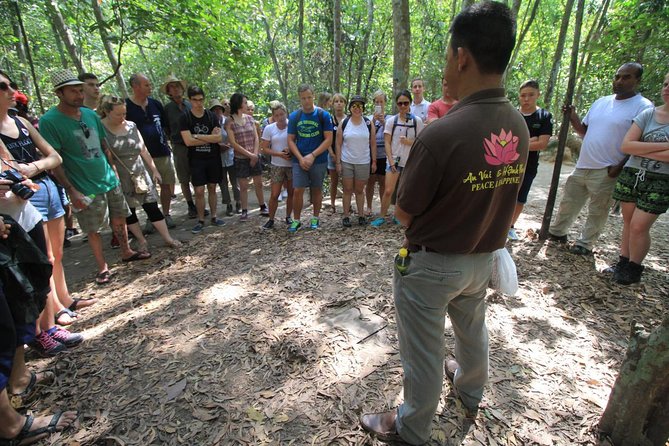
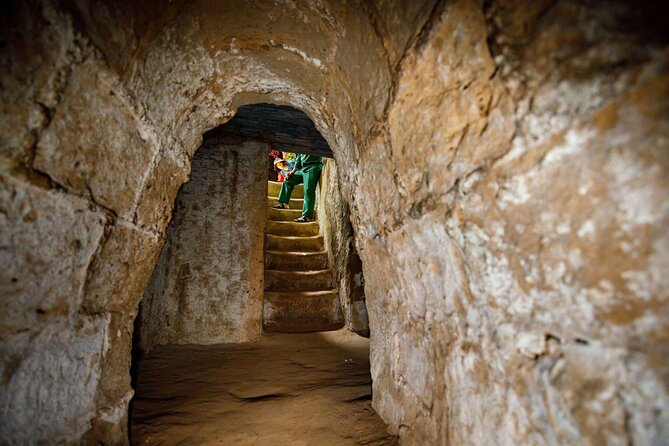
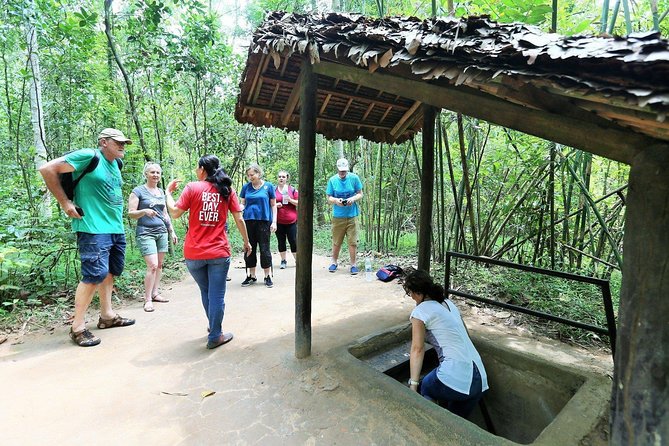
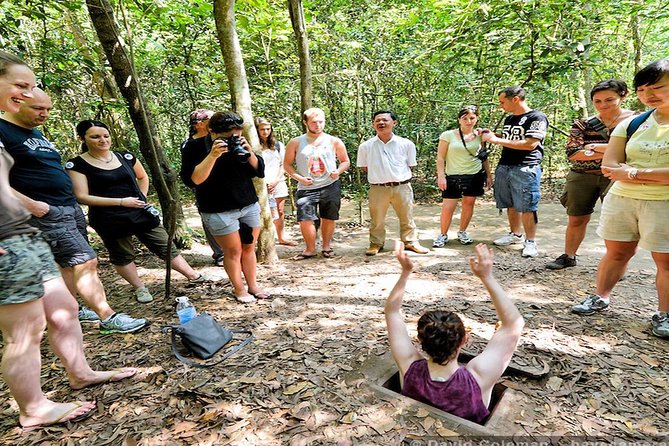
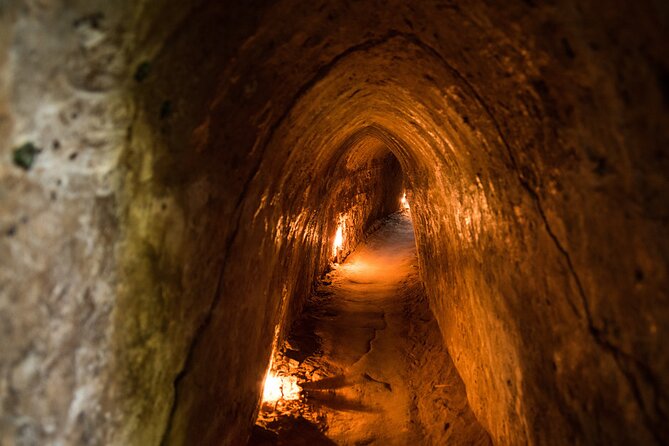
This is the heart of the experience. Once you arrive and the intro ends, you’ll spend about 3 hours exploring the remaining areas and tunnel systems. You can expect a mix of tunnel-access sections and constructed spaces that show how the underground village functioned.
What stands out in the description of the site is the breadth of functions housed underground:
- Living areas with bedrooms and kitchens side by side
- Storage spaces
- Weapons-related facilities (including places for weapon creation)
- Field hospital areas
- Command centers to coordinate operations
That mix is important. Cu Chi isn’t only “escape routes.” It’s also workspaces, medical planning, and family life under pressure. When you move through an area that represents kitchens and bedrooms, it helps you understand why the tunnels weren’t just tactical. They were home.
A very real consideration: parts of the tunnel experience involve narrow spaces and low headroom. Even if you never crawl fully, you may still feel the change in air and the sense of confinement. If you have claustrophobia or mobility challenges, take that seriously and decide based on your comfort level.
The shooting range and souvenir-shop stop: where value can slip
In some versions of the broader experience, a shooting range appears as an add-on, and some visitors have strongly negative opinions about the pricing and setup. One review described the shooting-range cost as a minimum purchase (10 bullets at 600,000 VND) and pointed out there’s no way to check your shot, calling it a waste of money.
At the same time, other visitors described having a fun moment there, including shooting an AK-47—so your experience may depend on how it’s run that day and what you’re looking to get out of it.
Here’s my practical advice: treat shooting as optional. If you want a history and tunnels day, keep your money for water and any on-site exhibits you actually care about. If you’re curious about the mechanics of shooting, go in knowing it’s a separate paid activity and you’re paying for the chance to try, not for a careful skills-assessment experience.
A separate note from reviews: after the tour, you may end up at a souvenir shop. That’s common at many museum-style stops, but it can influence your spending habits. If you’re trying to avoid impulse purchases, set a rule for yourself before you arrive.
Guides and pace: when explanations help (and when they don’t)
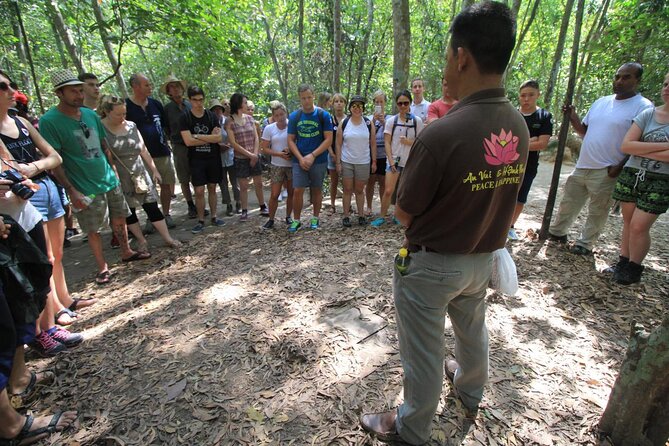
Guide quality matters at Cu Chi because the site is full of small signals: where spaces connect, what each room was meant for, and how tunnels were constructed to survive repeated attacks. When a guide explains with clarity, you get more meaning out of what you see.
You may encounter different guides across departures. Some visitors specifically mentioned guides named Tuan and Peace, describing them as friendly, informative, and able to share Vietnam-perspective knowledge and personal accounts. Others felt the guide was rushing between stops.
So what should you do? Ask questions early and ask for slower pacing if you’re confused. You can also pick one or two things you really want explained—like how the tunnel living areas were organized or how command centers were used—then anchor your attention there.
If your guide moves quickly, you still can benefit by focusing on the major areas: living quarters, medical spaces, storage, and command setups.
Comfort, timing, and how to plan your afternoon
This tour is about 6 hours total. That includes:
- pickup and travel time out of the city
- the intro and video
- roughly 3 hours on-site exploration
- the return drive and drop-off
That timing is great if you’re staying in Ho Chi Minh City and want a Vietnam War-focused day without committing to a full day trip. It’s also easier on your body than longer itineraries, especially if you don’t want to spend all afternoon traveling.
However, don’t treat it as a quick side trip. You’ll be walking in an outdoor/war-site setting, then dealing with tunnel-style changes that can feel physically demanding. Wear closed-toe shoes. Bring water (since drinks aren’t included). And give yourself permission to take breaks when the heat or crowding makes the experience less enjoyable.
Who this tour is for (and who should skip it)
This works especially well if:
- you want a structured Cu Chi visit with admission included
- you prefer a scheduled start time like 7:30 am
- you like learning from a Vietnam-centered framing of the war
- you want a half-day outing that avoids logistics headaches
You might want to think twice if:
- you dislike war history or find it emotionally heavy
- you struggle with confined spaces or tight tunnel areas
- you want a purely recreational, lighthearted outing
If you’re traveling with teenagers or family members, this kind of visit often lands as a real “why peace matters” moment—because it turns abstract history into lived conditions. Still, consider your group’s emotional readiness.
Should you book Cu Chi Tunnels Half Day Luxury Tours?
I’d book it if you’re looking for a simple, organized, AC-supported way to see Cu Chi without spending hours arranging transport. The inclusion of pickup/drop-off for District 1, the admission ticket, and the intro video all make the experience smoother and more meaningful than going totally on your own.
I would skip—or at least go in with guardrails—if you’re hoping the tour is more “luxury” than “history.” This isn’t a spa day. It’s a serious, war-related site, and that’s the point. Also, keep your budget realistic about extra paid options like a shooting range if it’s offered on your departure.
FAQ
Is hotel pickup included?
Yes. Hotel pickup and drop-off are included for selected hotels in Ho Chi Minh City’s District 1.
How long is the tour?
The duration is approximately 6 hours.
What time does it start?
The start time is 7:30 am.
Where does the tour meet and end?
The meeting point is 112 Đ. Trần Hưng Đạo, Phường Phạm Ngũ Lão, Quận 1, Hồ Chí Minh, Vietnam. The tour ends back at the same meeting point.
What’s included in the price?
Included are hotel pickup and drop-off (selected District 1 hotels), an air-conditioned vehicle/transport by air-conditioned minivan, and admission ticket to Cu Chi (admission ticket included). Drinks are not included.
Do I need to print a ticket?
No. It’s a mobile ticket.
Is there a group size limit?
Yes. The maximum number of travelers is 25.
Is it refundable if I cancel?
No. The experience is non-refundable and cannot be changed for any reason.
If you want, tell me your hotel area in Ho Chi Minh City and your travel dates, and I’ll help you decide whether this pickup plan fits you (or whether you’ll likely need the main meeting point).