REVIEW · HO CHI MINH CITY
Cu Chi Tunnels & Mekong Delta Small-Group Tour from Ho Chi Minh
Book on Viator →Operated by SST TRAVEL · Bookable on Viator
Two worlds, one long day. You’ll spend it under the ground at Cu Chi Tunnels, then above the water in the Mekong Delta around My Tho.
I love how the tour turns tough war history into something you can actually follow, especially with guides like Haley, Robert, Kevin, and Ken. I also like the mix of hands-on stops and easy river time: lunch, a coconut candy family workshop, and included boat rides with fruit and honey tea.
One thing to consider: this route focuses on the canals and river cruising, not a floating market stop. If floating-market photos are your main goal, you may feel a little disappointed.
In This Review
- Key highlights worth planning around
- Why Cu Chi Tunnels and the Mekong fit together
- Getting moving from Ho Chi Minh City (pickup, timing, and comfort)
- Entering Cu Chi: the video and what to expect before you go underground
- Walking the Cu Chi Tunnels: living spaces, traps, and the harsh logic of survival
- Lunch in the middle of the day: fuel for the river portion
- My Tho and the Tien River cruise: boats, scenery, and Southern rhythm
- Coconut candy mill and canal sampans: small scale, real atmosphere
- Price and value: what you’re really buying for $27.55
- Timing, group size, and how to stay comfortable
- Who should book this Cu Chi + Mekong small-group tour
- Should you book this Cu Chi Tunnels & Mekong Delta day trip?
- FAQ
- How long is the Cu Chi Tunnels and Mekong Delta small-group tour?
- Do you get hotel pickup and drop-off?
- What’s included in the price?
- Is the shooting gun experience included?
- How big is the group?
- Is free cancellation available?
Key highlights worth planning around
- Cu Chi tunnel walk that includes living areas, weapon/storage spaces, and hidden defensive features
- English-speaking guide who can explain the war story clearly and keep the day moving
- Lunch at a local restaurant before the river portion of the day
- Motorboat and small rowboat rides with fruit and honey tea included
- My Tho area cultural stops, including a family coconut candy mill and local folk music
- Small group size (max 18) so you’re not lost in the crowd
Why Cu Chi Tunnels and the Mekong fit together
This tour works because it does not treat Vietnam as one “theme.” You start with the brutal reality of the Vietnam War era, then you shift to daily life in the southern river region. The contrast is the point. In a few hours, you go from tight underground spaces built for survival to wide-open water routes used for trade, food, and community life.
Also, the pacing is smart. You’re not only sitting in a vehicle all day. You get a structured tunnel visit, then you get real time on the water with included snacks and local music. That balance is exactly what helps on a long 11 to 12 hour day.
If you like history but hate feeling trapped inside museums all day, this combo usually lands well. You’ll spend time moving, listening, and looking, with enough breaks to keep your energy from crashing.
You can also read our reviews of more tours and experiences in Ho Chi Minh City.


Getting moving from Ho Chi Minh City (pickup, timing, and comfort)
The day starts with hotel pickup and ends back near the same meeting point area. Pickup is offered for hotels in District 1 and 4, and the day generally runs 11 to 12 hours. The start point is 57 Lê Thị Hồng Gấm, Phường Nguyễn Thái Bình, Quận 1.
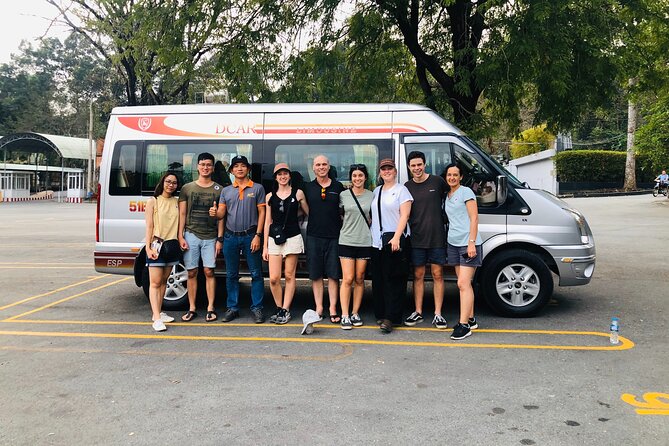
The tour is small-group sized, with a maximum of 18 travelers. That matters more than you might think. With a group that size, the guide can keep track of where everyone is during the bus transfers and the tunnel walk. You also tend to get more direct explanations instead of hearing everything from far away.
Bring patience for a full-day schedule. This is not a quick half-day outing. You’ll be juggling travel time between Ho Chi Minh City, Cu Chi, and the Mekong region, then returning around 7:00 PM.
Entering Cu Chi: the video and what to expect before you go underground
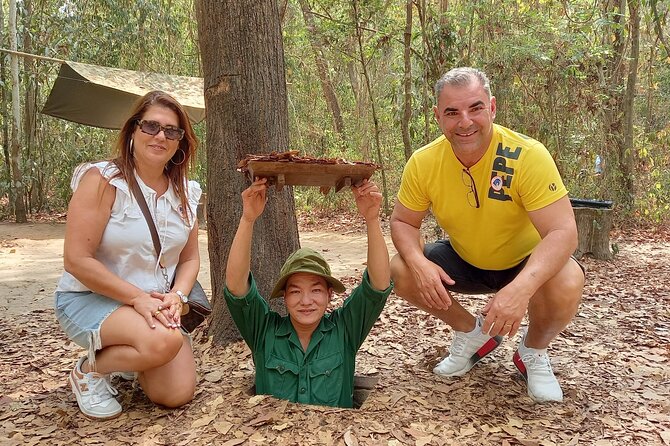
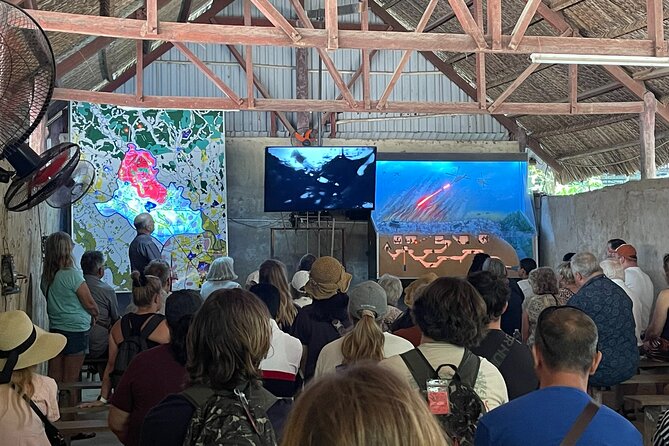
When you arrive at Cu Chi Tunnels, you’ll start with a short video introduction. It’s not just a warm-up. It helps you understand why the tunnel system was built the way it was, and why daily survival depended on hidden routes, quick movement, and secrecy.
After that, you’ll move into the remaining area and a portion of the tunnel network. This is where expectations matter. You’re not crawling through every part of the system. The tour is set up so you can understand how sections connect and what life-and-death spaces were used for.
One of the best parts is the way guides connect the dots. People like Haley and Robert are often praised for making the war timeline easier to follow, including explanations around north versus south and how political forces shaped the story. Kevin and Ken are also known for keeping the day organized so you spend less time waiting and more time learning.
Practical tip: wear shoes you can trust on uneven paths. You’ll be outside, then inside areas that feel cooler and tighter, and you don’t want to stress about footwear.
Walking the Cu Chi Tunnels: living spaces, traps, and the harsh logic of survival
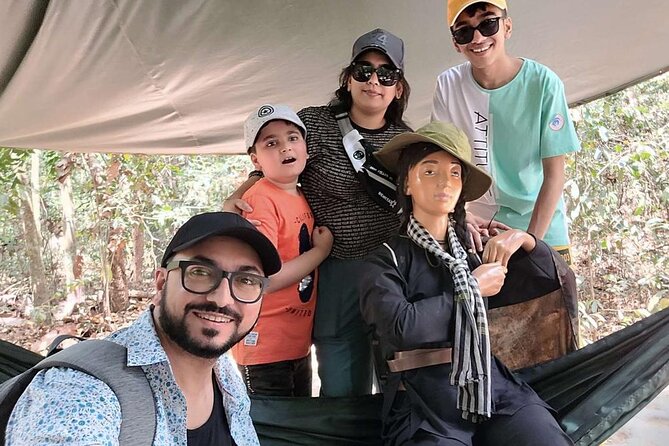
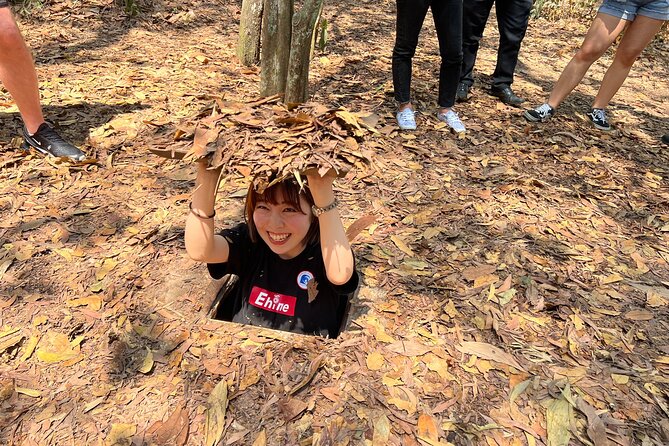
The heart of the Cu Chi portion is walking through parts of the tunnel network and seeing what the tunnels were designed to protect. You’ll learn about living areas where function mattered: kitchens and bedrooms placed side by side, with the idea that the people inside could keep going even when hiding.
You’ll also see information about martial facilities, including weapon factories, storage, command centers, and field hospitals. The tour doesn’t treat these as abstract “war rooms.” It shows how the underground system supported an operation that had to function under constant threat.
The most memorable teaching moments are usually about the security design. You’ll hear about dangerous traps and hidden trap doors inside the maze-like tunnels. In other words, the layout was not just for travel. It was for defense.
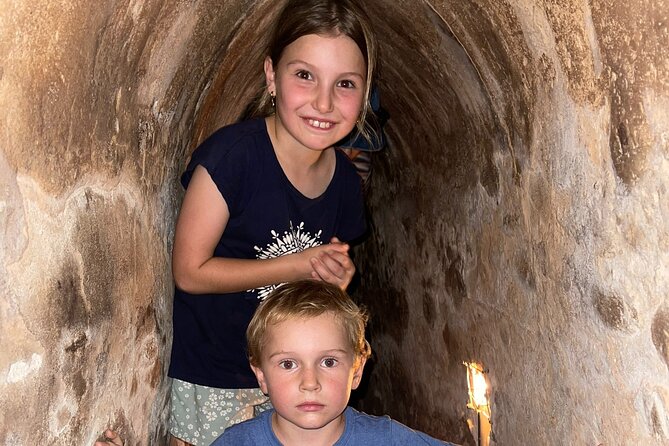
A word of honesty: tunnels are stressful by nature. Even when you’re not crawling far, the idea of moving in narrow spaces while trying to stay hidden can feel intense. If you’re sensitive to enclosed environments, take it slowly, listen to your guide’s instructions, and don’t force yourself through anything that feels too uncomfortable.
What makes this worth your time is the mix of visuals and explanation. You’re not only looking at earth walls and doorways. You’re learning what those features were for, and that changes the way the tunnels feel. They stop looking like “old engineering” and start looking like a survival system.
Lunch in the middle of the day: fuel for the river portion

After the Cu Chi portion, you’ll have lunch at a local restaurant. This is one of those simple but important choices. A good break keeps the afternoon from turning into a tired shuffle.
The lunch is included, and it’s described as featuring authentic Vietnamese flavors and specialties. You’ll want to eat at a comfortable pace because the next part of the day involves boats and canal time.
If you’re picky about spice, you might still be fine, but it’s smart to go in expecting Vietnamese food that may be bold. If you usually avoid strong flavors, you can ask for milder options when possible. (This tour does not list specific dishes, so your best move is to rely on what the restaurant serves that day.)



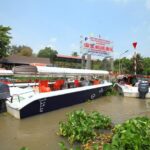
My Tho and the Tien River cruise: boats, scenery, and Southern rhythm
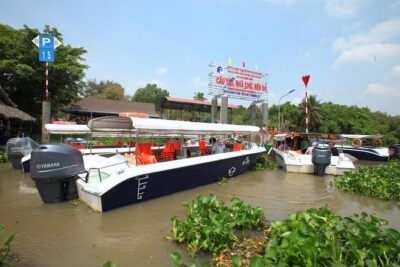
Next comes the My Tho area. You’ll take a leisurely cruise along the Tien River, with natural scenery of Vietnam’s southern delta region.
This part is a nice contrast to Cu Chi. Instead of tight spaces and defensive layouts, you get open water and a sense of how people live with the river. Even if you’ve seen other river cruises, the Mekong-area approach feels different because the day also includes canal navigation and village-style stops later.
During the river time, you’ll also get seasonal fruits and a sip of honey tea. Those small inclusions matter. They turn the cruise from just transportation into a pause.
And then comes culture. You’ll pay a visit to a coconut candy mill, and the day also includes folk music performed by locals. The folk music piece is especially nice because it’s not staged like a theater show. It fits the rhythm of the stops you’re already making.
If you care about explanations, keep your ears open here too. Guides often connect what you taste and see—like coconut products and village life—to the broader idea of how the delta works. It helps the day feel like a single story instead of separate attractions.
Coconut candy mill and canal sampans: small scale, real atmosphere
One of the most charming parts is the coconut candy stop. You’ll visit a coconut candy mill that’s described as a family business. This kind of visit is popular for a reason: you see how food is made locally, and you often get quick taste samples that feel more “earned” than picked up at a supermarket.
There’s also an added treat often mentioned alongside coconut candy—local chocolate. The tour details highlight coconut candy, but the day’s tasting culture is part of why this stop feels satisfying instead of rushed.
Afterward, you’ll be taken down the small canals by wooden sampans. This is where the day starts to feel genuinely local. On big river boats you can look out. On canal sampans, you pass closer to the water edges and the everyday river atmosphere becomes harder to ignore.
You get a sense of the southern river region’s pace and personality. It’s not an adrenaline stop, and it’s not about clicking photos at the perfect angle. It’s about slowing down for a while and letting the water do the talking.
Price and value: what you’re really buying for $27.55
At around $27.55 per person, the value here comes from a lot of included movement and time. You’re not only paying for entrance tickets. You’re paying for the structure that strings together transport, a professional English-speaking guide, and multiple activity components.
Included are:
- hotel pickup and drop-off (in District 1 and 4)
- lunch
- admission to attractions
- motorboat trip and small rowboat trip
- fruit and honey tea
- professional English-speaking guide
That mix is what makes the day feel full without making you constantly reach for your wallet. For comparison, many day tours in the area charge extra for either boat time or decent guides. Here, both are part of the base package.
One item to watch: a shooting gun experience at Cu Chi is not included. If you want to do that, you should plan on paying extra on site. If you don’t care about it, you can treat Cu Chi as a walking-history day instead of a shooting day.
Also note: the tour includes an “optional vehicle.” The exact use isn’t spelled out here, so don’t plan your day around it. But it can be reassuring if you’re hoping for at least some practical help during longer sections.
Timing, group size, and how to stay comfortable
This is a full-day outing with lots of segments: bus time, tunnel time, lunch time, then boat and canal time before heading back to Ho Chi Minh City.
Because the group max is 18, the pace is usually manageable. It’s not a private tour, but it’s also not a massive busload where you lose your place every time you need the restroom.
What you can do to make the day easier:
- bring water (even if tea and fruit are included)
- wear sun protection for the river segments
- keep a light layer in mind for indoor or tunnel areas that can feel cooler
- use the lunch break wisely; you’ll likely want a solid meal before the boats
If you’re the type who gets cranky after long sitting in traffic, build in mental breaks. The activity stops are spaced out on purpose, and that’s a big part of why this itinerary tends to work.
Who should book this Cu Chi + Mekong small-group tour
This is a great fit if you want a single day that covers:
- Vietnam War-era history with guided context
- southern delta river life with included food and drink
- a mix of sightseeing and practical cultural stops
It’s especially good for first-time visitors who want to get outside Ho Chi Minh City without turning the day into a complicated DIY plan.
You might skip it if:
- you’re mainly chasing the idea of a floating market stop
- you have strong concerns about enclosed spaces and underground walking
- you prefer shorter tours with fewer transitions
If you love guides who can explain war history in a way that stays clear and organized, you’ll probably appreciate this format. Names like Haley, Robert, Kevin, and Ken show up for a reason: they’re often praised for keeping things understandable and on schedule.
Should you book this Cu Chi Tunnels & Mekong Delta day trip?
Yes, if you want a value-packed full day that mixes serious history with real southern river culture. The included boat rides, fruit, honey tea, local lunch, and the folk music stop make it feel like more than a checklist.
Book it with realistic expectations: this is not built around a floating market, and Cu Chi can be emotionally intense even when guided through the most visitor-friendly sections.
If you’re comfortable with a long day and you like the idea of moving between underground survival history and canal life in the delta, this is a strong pick.
FAQ
How long is the Cu Chi Tunnels and Mekong Delta small-group tour?
The tour runs about 11 to 12 hours, with return to Ho Chi Minh City around 7:00 PM.
Do you get hotel pickup and drop-off?
Yes. Pickup and drop-off are offered for hotels in District 1 and 4, and the tour ends back at the meeting point area.
What’s included in the price?
The tour includes lunch, admission to attractions, a professional English-speaking guide, hotel pickup/drop-off, a motorboat trip plus a small rowboat trip, and fruit with honey tea.
Is the shooting gun experience included?
No. Shooting gun at Cu Chi Tunnels is not included.
How big is the group?
The tour has a maximum of 18 travelers.
Is free cancellation available?
Yes. You can cancel up to 24 hours in advance for a full refund.