REVIEW · ATHENS
Premium Greek Honey Tasting with Yogurt & More
Book on GetYourGuide →Operated by CRU BEE-HAVING Wine & Olive OIl Tastings · Bookable on GetYourGuide
Greek honey tasting beats the usual tourist bites. In central Greece, this 40-minute session turns a spoonful into a guided tasting, with premium honey samples and pairing ideas using yogurt, cheese, dried fruits, and even an ancient wine taste.
I especially like that Anton Lianoudakis guides the experience with clear explanations and a personal touch, so you come away understanding what you just tasted, not just repeating the labels. I also love the food angle: pick your favorite of the four honey styles and then learn how it works with yogurt and dried fruits instead of only eating honey straight from the jar.
One consideration: it is only 40 minutes, so it is not the place for a long, slow walk-and-lecture day. If you want a bigger, more day-long meal experience, you may feel a bit rushed.
In This Review
- Key Points You’ll Actually Care About
- A 40-Minute Honey Masterclass Built for Real Pairing Skills
- Anton Lianoudakis and the Honey Tasting Style That Feels Personal
- Six Honeys from Different Regions: How to Read the Differences
- Choosing Your Favorite of the Four Flavours (Then Serving It Like a Greek)
- Yogurt, Cheese, and Dried Fruits: Why These Pairings Make Sense
- Ancient Wine Tasting: How It Complements Honey Without Overpowering It
- Price and Value: Is $23 Worth 40 Minutes of Honey?
- Planning Your 40 Minutes: English, Start Times, and a Smooth Arrival
- Who This Honey Tasting Is Best For (and Who Might Skip It)
- Should You Book This Premium Greek Honey Tasting?
- FAQ
- How long is the Premium Greek Honey Tasting?
- What will I taste during the session?
- Is the honey tasting taught in English?
- How much does it cost?
- Can I reserve without paying immediately?
- What is the cancellation policy?
- Is it suitable for children or very elderly guests?
Key Points You’ll Actually Care About
- Anton Lianoudakis leads the session in English and encourages questions while explaining honey flavor differences
- You sample multiple honeys (six total), with four main Greek honey flavors built into the tasting focus
- Pairing skills are the point, with yogurt, cheese, dried fruits, and serving ideas you can use at home
- You also taste ancient wine, so you learn how honey plays with other Greek flavors
- You can buy honey products on site, turning your favorite flavor into a real souvenir
- Short and focused timing (40 minutes), ideal for a break between bigger sightseeing plans
A 40-Minute Honey Masterclass Built for Real Pairing Skills
If you think honey is just sweet, this experience is a quick correction. In central Greece, you’ll taste premium Greek honey and get the story behind why it is treated so seriously—from ancient references to today’s scientific claims about herbal honey from Greek islands.
Greek honey has been celebrated since antiquity, including the way Romans reportedly praised it for medicinal value, especially for treating military wounds. Today, the message is more modern: studies are cited suggesting premium herbal honey from the Greek islands can have antibacterial and anti-inflammatory properties that are comparable to, and in many cases stronger than, the famous Manuka honey.
The best part for you is that the lesson is not only theory. You’ll taste four honey flavours as the core of the session, and you’ll also sample six honeys overall from different regions and different styles—so you can actually compare textures, aromas, and aftertastes in a single sitting.
You can also read our reviews of more tours and experiences in Athens.


Anton Lianoudakis and the Honey Tasting Style That Feels Personal
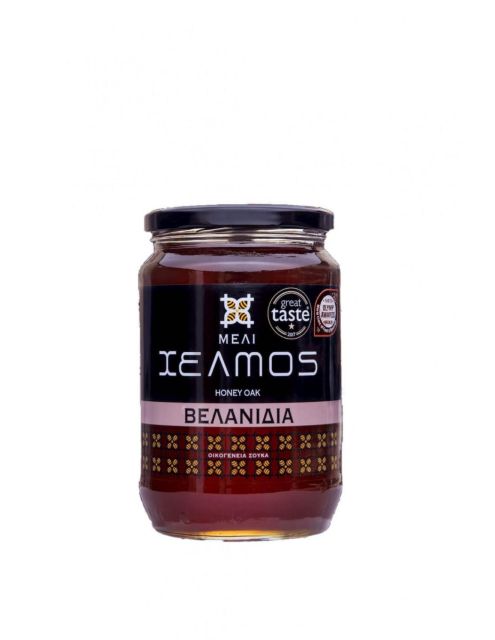
The host matters here. Anton Lianoudakis is the name you’ll hear connected to this tasting, and he’s described as passionate and welcoming. That matters because honey tasting can feel vague if the guide treats it like trivia. Instead, you’re guided toward noticing details and asking questions while you still have the samples in front of you.
You can expect an English-speaking instructor, with the session designed so you do not need special background. If you’re the type who gets frustrated by food tours that tell you what to like, this is the opposite. You’ll taste, compare, and learn what makes each honey different—then you’ll get pairing ideas tied to everyday ingredients, not fancy jargon.
Another practical bonus: you can pick up products on site. That means if you find a flavor you love, you’re not stuck trying to recreate it later from memory.
Six Honeys from Different Regions: How to Read the Differences
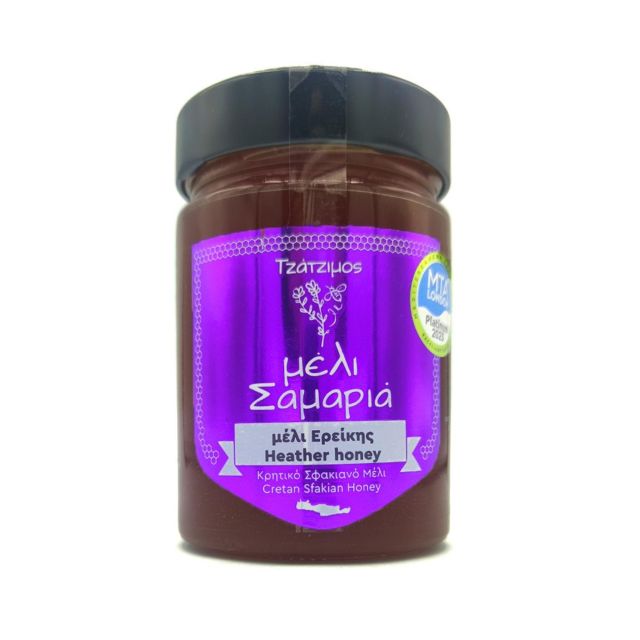
You’re not just eating one honey. The included tasting is built around six honeys from different regions and different styles, which is a smart way to train your palate fast. In a short session, variety is what makes learning stick.
Here’s what the tasting format helps you do: it slows down your assumption that honey tastes like honey. With multiple styles on offer, you start to notice patterns. Some honeys will feel lighter and more floral; others can come across deeper and more herbal. You’ll likely pick up on differences in aroma and finish, not just sweetness.
This is where the masterclass angle pays off. The session is framed as a guided understanding of Greek honey, with a focus on nuances—not only naming where it comes from. That is valuable because it gives you a way to choose honey later when you see it in markets or shop displays.
Choosing Your Favorite of the Four Flavours (Then Serving It Like a Greek)
The tasting includes four honey flavours you’ll try closely, and the process nudges you toward choice. That is important: you’re not supposed to sample everything and walk away forgetting which one you liked most.
Once you have a favorite, the session shifts into pairing mode. You’ll learn combinations and ideas for serving Greek honey with ingredients like:
- Yogurt samples
- Cheese
- Dried fruits
- other tasting-table accompaniments included in the experience
This is the part I think most people benefit from, because it turns a novelty food stop into an at-home skill. Honey straight is fine, but honey as a partner to salty and tangy foods is where it gets interesting.
Use this approach when you’re shopping later. If you know you prefer a honey that tastes better with yogurt than with cheese, you’re already ahead. The session trains you to think like a host: matching sweetness, texture, and botanical notes to food rather than treating honey as a one-size condiment.
Yogurt, Cheese, and Dried Fruits: Why These Pairings Make Sense
Honey with yogurt is one of those pairings that sounds simple, but it changes the whole experience when you try it with guidance. Yogurt adds a cool tang and a creamy base. Honey then becomes more than sweetness—it becomes flavor contrast.
Cheese adds the opposite effect: richness and salt. Depending on the honey style you prefer, pairing with cheese can highlight aroma and create a sweet-salty balance that feels more grown-up than a dessert.
Dried fruits bring another layer: concentrated flavors. The natural sweetness in dried fruit plus honey creates a harmony, but the best results usually come when the honey brings something different—an herbal note, a floral edge, or a thicker mouthfeel.
This is exactly the type of reasoning you want to learn on a food trip. You’re not only tasting; you’re getting a framework. And once you have a framework, you can build your own combinations later, even if you’re not in central Greece anymore.






Ancient Wine Tasting: How It Complements Honey Without Overpowering It
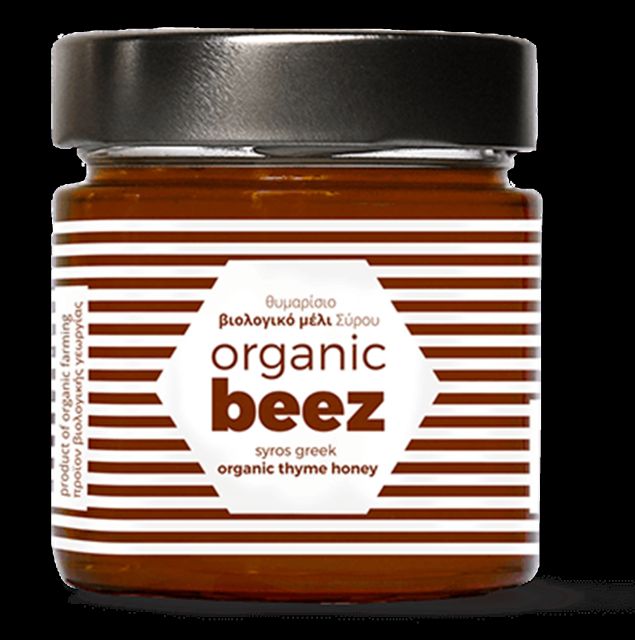
One highlight is ancient wine tasting, which adds a second lane to the session. Honey is sweet; wine can be acidic, structured, or lightly tannic depending on the sample. Putting them together helps you understand how honey behaves when it meets something more complex than tea or water.
You do not have to know Greek wine terminology to enjoy this. The practical point is the pacing: you taste honey, then you taste wine, and you start to feel what changes. Sometimes honey makes wine taste smoother. Other times, wine cuts through honey’s sweetness and cleans your palate.
If you’re the type who likes food tours that do more than serve bites, this is a strong inclusion. It connects Greek honey to broader Greek tastes and gives your brain more hooks than a single-ingredient tasting would.
Price and Value: Is $23 Worth 40 Minutes of Honey?
At $23 per person for 40 minutes, you’re paying for a compact, guided sensory lesson. That sounds short, but the included elements do add up on value:
- you sample six honeys
- you try four honey flavours as the tasting focus
- you get samples of yogurt and fruits
- you get pairing ideas involving cheese and dried fruits
- you taste ancient wine
- you get English instruction
- you skip the ticket line
So what makes it good value? The key is not just quantity of samples. It’s that you receive a structured explanation of honey nuances and serving ideas. That means you leave with knowledge you can actually use, like how to pair honey with yogurt or cheese without turning it into a random experiment at home.
The drawback is also straightforward: if you want a long, meal-style experience with multiple courses, this is not that. Think of it as a focused lesson and a tasting snack, not a full dinner.
Planning Your 40 Minutes: English, Start Times, and a Smooth Arrival
The session lasts 40 minutes, and starting times depend on availability. If your day is packed, that’s a real plus. Honey tasting fits well between bigger attractions because you’re not committing a whole morning.
The instructor is English, which removes a common stress point. You can ask questions in a language you’re comfortable with, and you’ll get answers tied directly to what’s on your plate.
Two small practical notes:
- there’s a skip-the-ticket-line benefit, which helps if you arrive during busy hours
- the format is quick, so if you’re easily overwhelmed by sweetness, pace yourself rather than trying to get through everything too fast
If you like to plan flexibly, there’s reserve now & pay later and free cancellation up to 24 hours in advance for a full refund. That’s handy when your schedule depends on train times, weather, or another tour running late.
Who This Honey Tasting Is Best For (and Who Might Skip It)
This experience is a strong match if you fall into one of these buckets:
- you love Greek food and want one ingredient taught in a serious, practical way
- you want pairing ideas you can use at home right away
- you enjoy short activities that pack real learning into limited time
- you’re curious about honey beyond the supermarket jar
You might want to skip it if honey isn’t your thing. Since the entire session revolves around tasting and pairings, you’ll get less from it if you’re not into food sampling.
There’s also an age note you should respect: it is not suitable for children under 7, and it’s also not suitable for people over 95.
Should You Book This Premium Greek Honey Tasting?
Book it if you want a focused food experience that teaches more than it sells. The standout strengths are the guided honey masterclass, the fact that you get pairing ideas with yogurt, cheese, and dried fruits, and the added bonus of ancient wine tasting that makes the session feel like more than a single-ingredient parade.
Skip it if you’re seeking a long immersive tour day, or if you want something unrelated to honey. At 40 minutes, it’s best viewed as a smart stop: learn a few things, taste a few flavors, and walk away with a plan for how to serve your favorite honey later.
FAQ
How long is the Premium Greek Honey Tasting?
The experience lasts 40 minutes.
What will I taste during the session?
You’ll try four Greek honey flavours, sample six honeys from different regions and styles, and enjoy samples including yogurt and fruits. The experience also includes cheese, dried fruits, and an ancient wine tasting.
Is the honey tasting taught in English?
Yes. The instructor is English, and the language of the experience is English.
How much does it cost?
The price is $23 per person.
Can I reserve without paying immediately?
Yes. You can reserve now and pay later.
What is the cancellation policy?
You can cancel up to 24 hours in advance for a full refund.
Is it suitable for children or very elderly guests?
It is not suitable for children under 7 years and it is not suitable for people over 95 years.