REVIEW · ATHENS
From Athens: Meteora Full-Day Trip with Guide on Luxury Bus
Book on GetYourGuide →Operated by Ammon Express · Bookable on GetYourGuide
Meteora feels unreal the moment you arrive. This full-day bus trip from Athens is interesting because you get a guided ride through Thessaly and then real time at the UNESCO monasteries perched on giant rock pillars, plus a traditional meal stop in Kastraki. I like that the guides bring actual history and archaeology knowledge, and I also like that you still get some freedom to move, look, and ask questions on-site. One possible drawback: it is a long day on the road, with about 5 hours each way plus walking on monastery paths.
You’ll start outside Halandri Metro Station and head out with an air-conditioned luxury bus and a bilingual guide who stays with you from the beginning. If Meteora is your main goal, this is a practical way to reach it without juggling trains, transfers, and timing. Just be ready for monastery visits that depend on the day’s operating schedule, so the exact 3 you enter can vary.
In This Review
- Key highlights I’d circle first
- Athens to Meteora by luxury bus: what the drive really feels like
- First sighting: Meteora photo stop and that above-the-valley feeling
- Entering Meteora: three monasteries, guided context, big rock drama
- Why the guide quality matters more than you think
- Lunch in Kastraki: a real break, not just a placeholder
- Return trip: rest stops, recharge time, and getting back to Halandri
- Value check: is $108 a good deal for this Meteora day?
- What to bring so the day goes smoothly
- Who this Meteora trip suits best
- Should you book Ammon Express for Meteora from Athens?
- FAQ
- How long is the Meteora trip from Athens?
- How many monasteries do we enter at Meteora?
- Are monastery entrance fees included in the price?
- Where do we meet the tour in Athens?
- Is lunch included?
- Is this tour suitable for wheelchair users or mobility impairments?
Key highlights I’d circle first
- Luxury bus ride with an archaeologist-style guide who explains what you’re seeing, not just dates
- Enter 3 of the 6 monasteries instead of only doing viewpoint stops
- Photo stop at Meteora before the monastery visits, so you can set your bearings
- Traditional lunch time in Kastraki with a proper break away from the bus
- Big-rock views above the valley of Kalampaka that can make even short moments feel cinematic
Athens to Meteora by luxury bus: what the drive really feels like

This trip is built around one simple idea: Meteora is worth doing right, so you should spend your energy looking—not figuring out transport. You meet your guide outside Halandri Metro Station (follow the exit labeled To Vrilissia). From there, the bus heads out of Athens to reduce city congestion, aiming for a smoother departure.
You’re on a comfortable, air-conditioned luxury bus. That matters because you’re not doing a quick hop. The drive is listed as about 5 hours each way including two short stop windows for rest and snacks. On paper that’s a lot of time. In practice, it works because the guide keeps you engaged with stories about the eastern Greek mainland as you go, including historical context tied to what you’ll see later at Meteora.
You’ll also have set break moments along the route. The itinerary includes short stops at Atalanti and Sofades, each with a break time long enough to use the restroom and stretch. Think of these stops as your reset buttons. They won’t replace a full stop for a meal, but they help you arrive at Meteora with enough energy to enjoy the monastery climbs and viewing areas.
You can also read our reviews of more tours and experiences in Athens.

First sighting: Meteora photo stop and that above-the-valley feeling
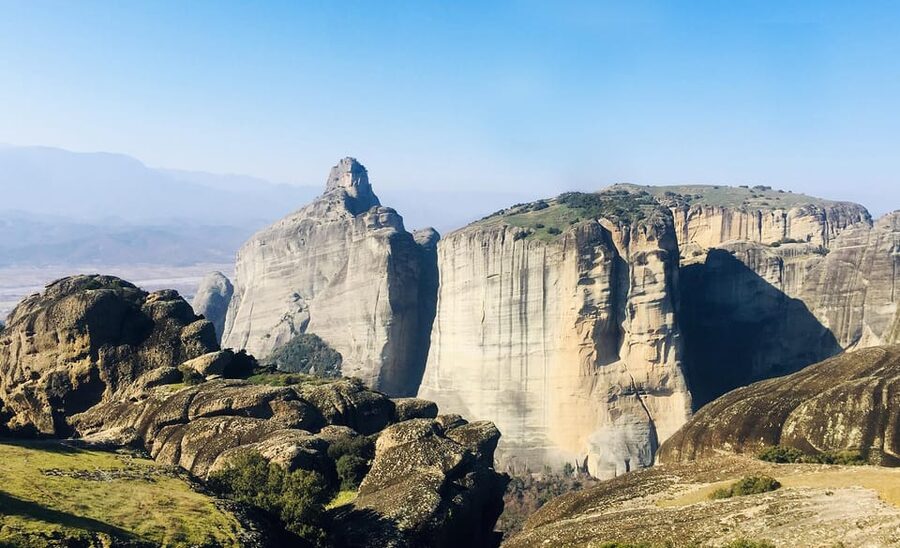
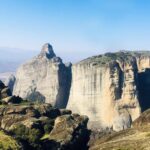
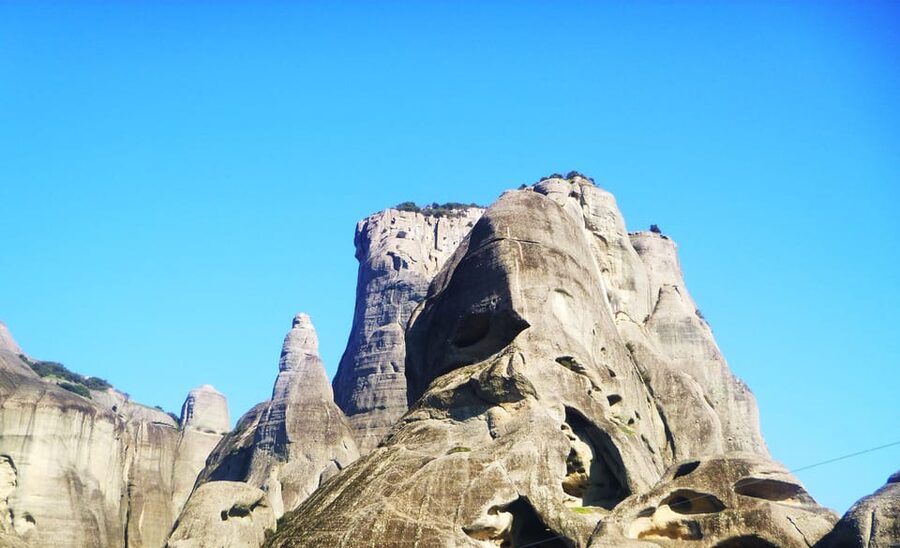
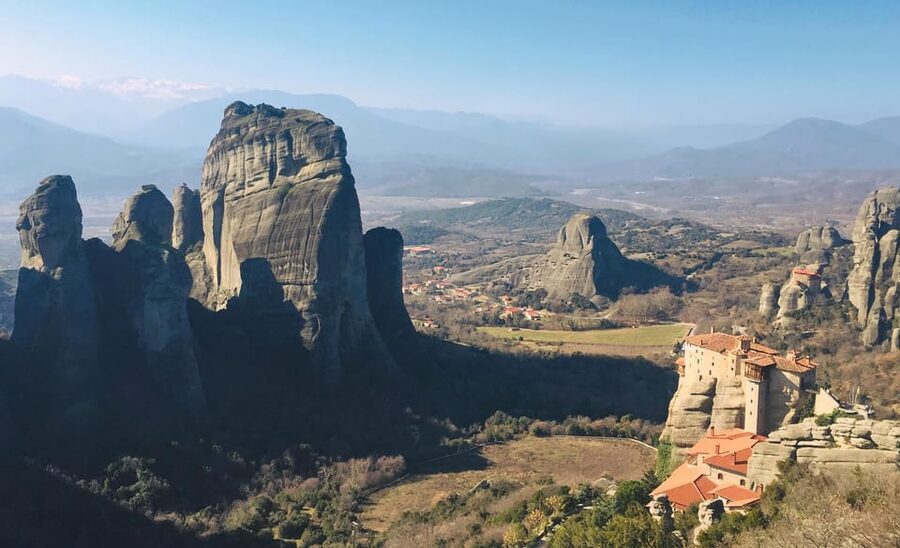
After the long drive, you get a 15-minute photo stop at Meteora before the monastery visits begin. It’s short, but it’s the right kind of short. You get a first look at the rocks and monasteries perched high above the valley. If you’ve only seen Meteora in photos, this is the moment you realize scale is doing most of the work here.
This is also a helpful pause for practical reasons. You can take photos before you commit to climbing and moving around. You can also watch where sunlight hits the rocks and plan how you want to frame the monasteries from ground level. When you enter the first monastery, you’ll already be orienting yourself, rather than arriving confused.
Entering Meteora: three monasteries, guided context, big rock drama
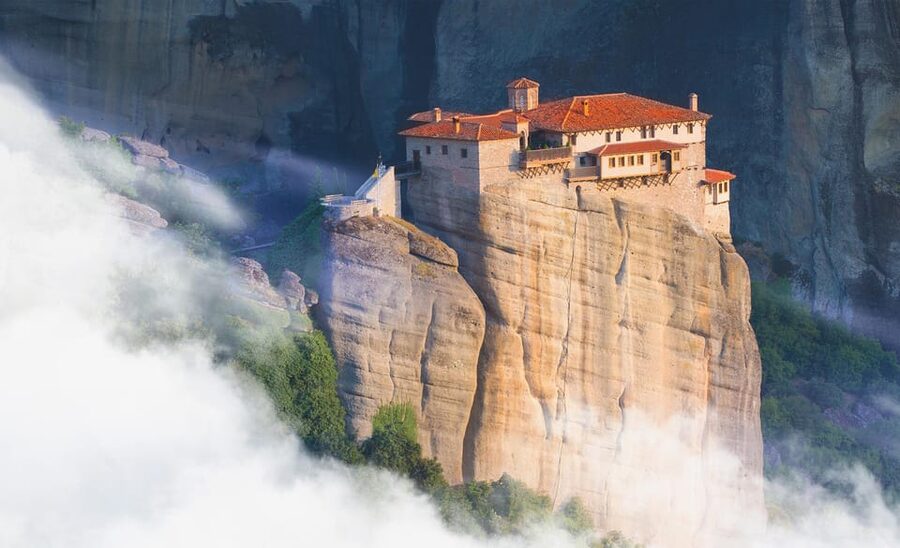
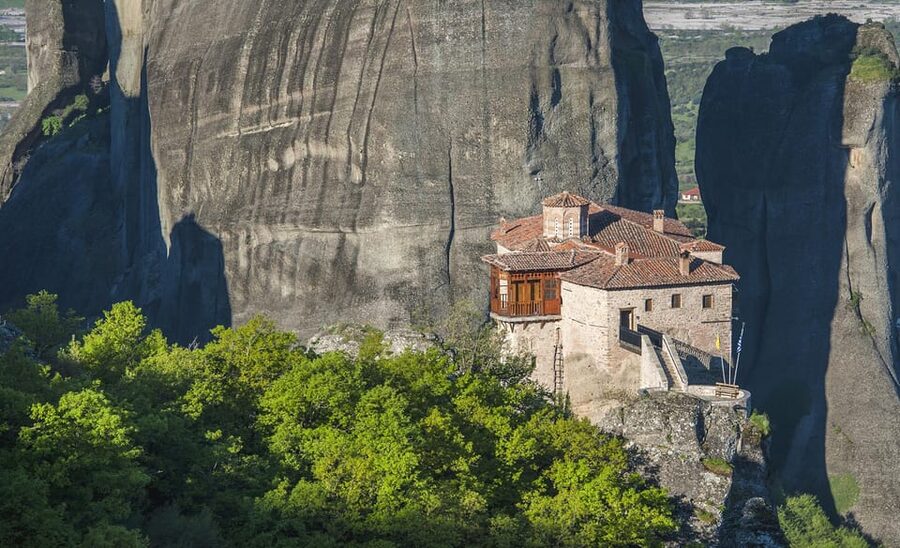
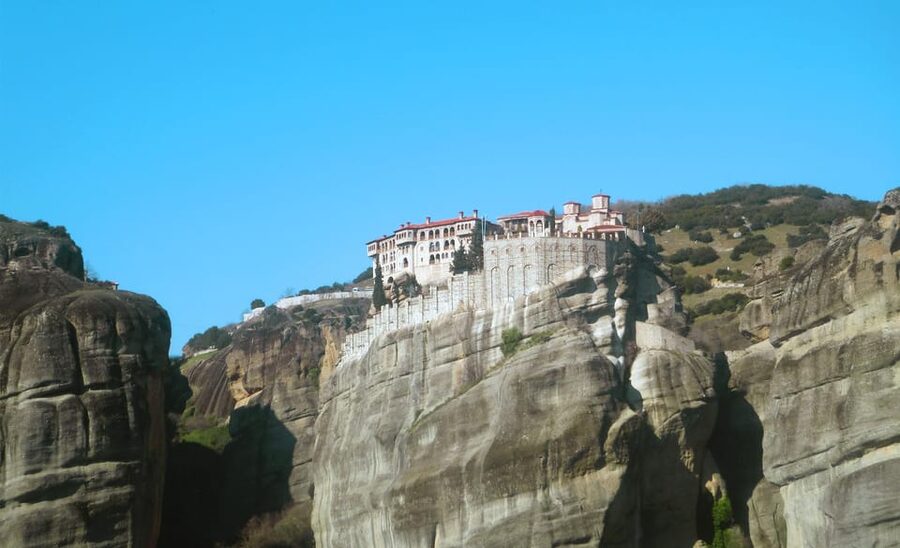
Meteora is UNESCO-protected for good reason: it’s a rare mix of architecture, faith history, and dramatic geography. The monasteries are part of Orthodox Christian life, and many of the structures you’ll see connect back to medieval-era monastic traditions. Here’s the key detail for choosing this tour: you enter 3 of the 6 holy monasteries, and which ones you access depends on the daily operating schedule.
Each monastery visit is allotted about 45 minutes for sightseeing and entry. That time is usually enough to:
- See the main interior spaces and religious artworks without feeling rushed
- Look for architectural details around windows, stonework, and chapel areas
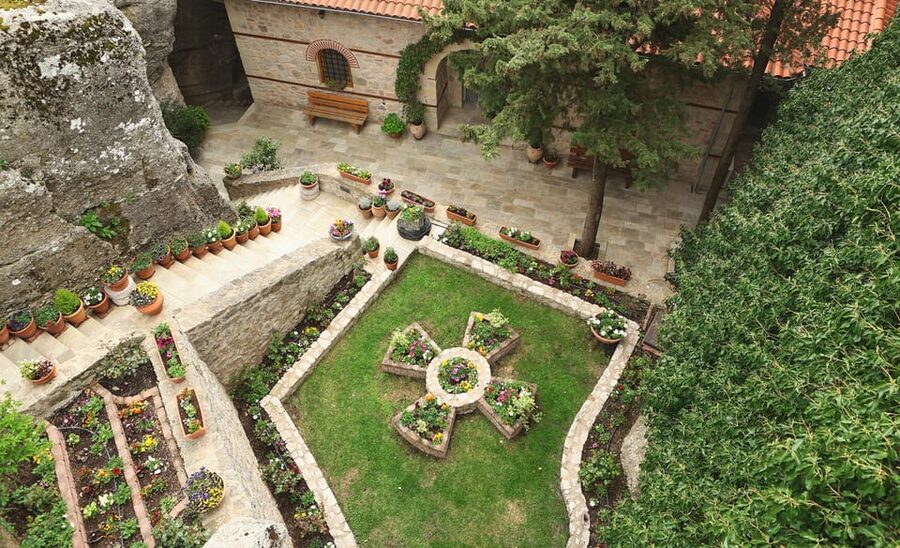
- Step back outside (where allowed) to reset your eyes and soak in the height and rock formations
The guide’s job here is important. You’re not just looking at stone buildings stuck on cliffs. You’re getting an explanation of Orthodox Christian art and culture tied to the monasteries’ role. When the guide frames what you’re seeing—iconography, devotional space, and how monastic life shaped design—you end up understanding Meteora more deeply than a simple photo stop would give you.
Practical reality check: monastery ground can mean uneven stone paths and lots of walking. This tour is explicitly listed as not suitable for people with mobility impairments or wheelchair users, so if you use mobility aids or need a step-free route, this one likely won’t work. Wear shoes you’d use for a hike, and bring decent clothing for monastery entry.
Why the guide quality matters more than you think
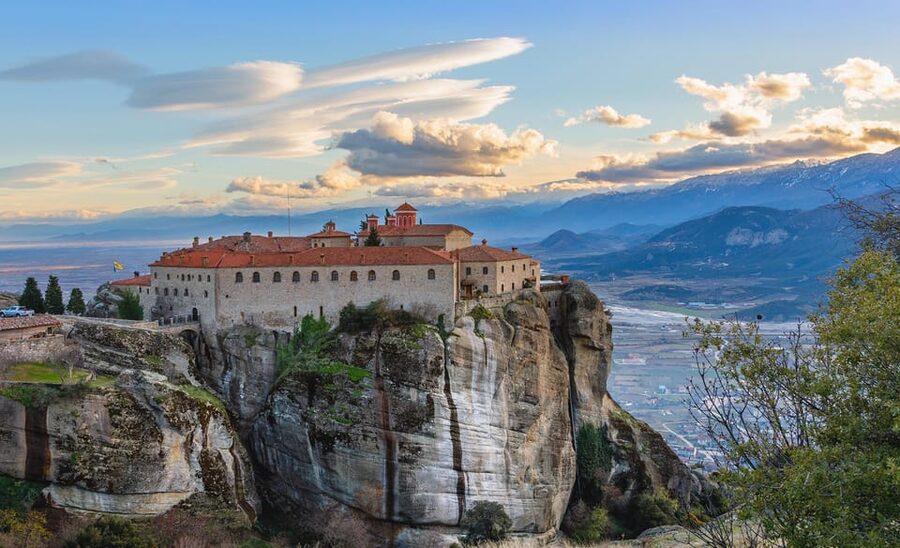
This is a guided day trip, but it’s not just a lecture. The guide adds meaning to what would otherwise be only scenery. The reviews highlight that the guides—named Basil and George in customer feedback—were friendly and provided a lot of information. One review also emphasized that the guides seemed to know the area and the history of Greece well, with clear English.
That kind of guidance matters in Meteora because you’re surrounded by symbols and architectural choices that don’t instantly read to everyone. A guide can explain why certain things exist in these spaces and how the monastic setting shaped what was built.
Also, you get a manageable rhythm on-site. The day is structured, but you’re not shoved along like cattle. One review mentioned enjoying the freedom to visit monasteries and ask questions afterwards. Even if your day follows the set timing, the overall feel is meant to be thoughtful rather than frantic.
Lunch in Kastraki: a real break, not just a placeholder
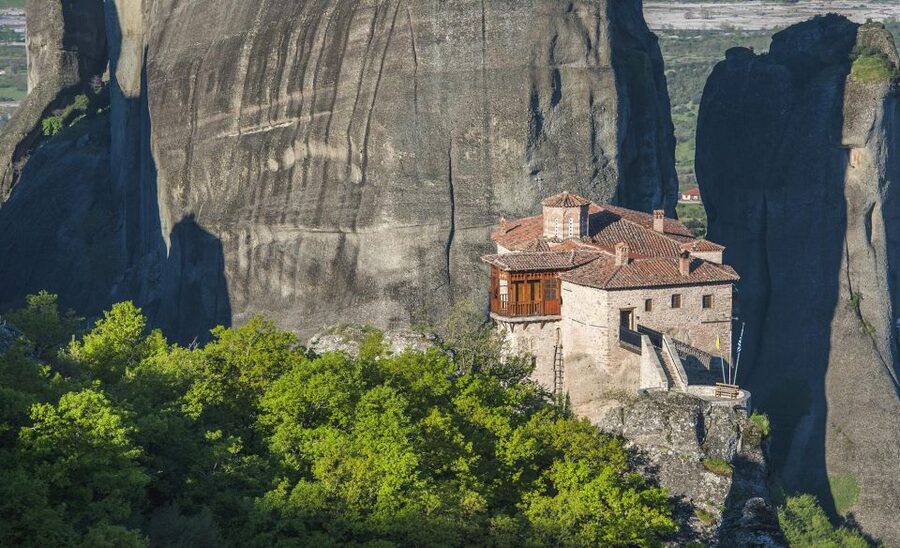
Once the monastery visits are done, you head to Kastraki for lunch. The lunch window is listed as about 1 hour. Lunch cost isn’t included, but you do get the time to sit down and eat in a town that’s used to serving Meteora day-trippers.
Kastraki is close to the monastery viewpoints, so it’s a practical choice: you’re not spending your last hour of daylight trapped in transport. You’ll also have a chance to relax your legs after walking in and around the monasteries.
If you’re choosing what to order, keep it simple. You’re on a long day. Go for something hearty and local, and don’t overthink it—you’ll likely be back in the bus with a long ride ahead.



Return trip: rest stops, recharge time, and getting back to Halandri
The ride back follows a similar pattern with bus segments and breaks. After lunch, the itinerary includes additional coach travel and rest stops at points like Sofades and Atalanti. These breaks are listed as shorter windows again, mostly for restroom and quick snack needs.
The day ends back at the same meeting point: outside Halandri Metro Station. That makes your logistics easier. You won’t need to figure out how to get from the tour drop-off to your hotel, as long as you’re staying near or can reach the Metro area.
Value check: is $108 a good deal for this Meteora day?
At $108 per person, this tour can feel either expensive or fair, depending on what you compare it to. Here’s the value breakdown based on what’s included:
- Round-trip transportation on an air-conditioned bus
- A bilingual guide riding with you from Athens
- Photo stops timed into the day
- Entry to 3 monasteries
- Lunch time included as a stop (but lunch itself is not included)
- Basic travel insurance
The key extra cost you should plan for is monastery entry fees. Entrance fees are listed as €5 per monastery, and it’s cash only. Also, guided tours inside monasteries and museums are not included, so your on-the-ground understanding will come mainly from what the bus guide explains during the day, plus your own reading and looking inside.
Is it worth paying instead of going independently? If you want to avoid the friction of sorting transport schedules and you value a guide to interpret Orthodox art and monastic history, it’s a strong pick. If you already know how to plan public transport and you don’t care about a guided explanation, you might find cheaper options. But if your goal is: I want a smooth, guided day without stress, this fits that goal.
What to bring so the day goes smoothly
This tour is very practical about what you should pack:
- Comfortable shoes (think hike-ready)
- Comfortable clothing suitable for monastery visits
- Cash for entrance fees
One small thing that makes a difference: bring layers. A long bus day means you’re moving between air-conditioned comfort and outdoor rock viewing areas, and monastery temperatures can feel cooler than the town.
Also, don’t forget that this is a long day. You’ll be happier if you treat Meteora like a full outing, not a quick stop.
Who this Meteora trip suits best
This is a good match if:
- Meteora is your priority and you want to minimize logistics stress
- You enjoy explanations about what you’re seeing, especially Orthodox Christian culture
- You’re okay with a long day and some walking around monasteries
- You want a guided route while still having time to look and take photos
It may not be a good match if:
- You need step-free access (the tour lists it as not suitable for wheelchair users and mobility impairments)
- You prefer very unstructured travel with no set schedule at all
- You want a shorter day (this is built as a full-day experience)
Should you book Ammon Express for Meteora from Athens?
If you want Meteora with clear structure—bus comfort, a guide who connects history to the monasteries, and enough time to actually enter and see—then I think this one earns its place. The big “yes” is the combination of 3 monastery entries plus interpretation on the way from Athens, not just a quick sightseeing loop.
I’d especially consider it if you’re the type who likes to understand context, not just take photos. The named guide feedback (Basil and George) and the emphasis on useful information and friendly help make that feel real.
If, however, you hate long road days, struggle with walking on uneven monastery paths, or don’t want to pay cash for entrance fees, then you may prefer a different format.
FAQ
How long is the Meteora trip from Athens?
The total duration is about 15 hours, including travel time and scheduled stops along the way.
How many monasteries do we enter at Meteora?
You enter 3 of the 6 monasteries, depending on the operating schedule.
Are monastery entrance fees included in the price?
No. Entrance fees are listed as €5 per monastery and are cash only.
Where do we meet the tour in Athens?
You meet outside Halandri Metro Station, following the exit labeled To Vrilissia and meeting the guide outside the station.
Is lunch included?
Lunch is not included. The tour includes a lunch stop in Kastraki for about 1 hour.
Is this tour suitable for wheelchair users or mobility impairments?
No. The tour is listed as not suitable for people with mobility impairments and not suitable for wheelchair users.