REVIEW · KYOTO
Kyoto:Private Tour/Luxury Vehicle with Guide & photographer
Book on GetYourGuide →Operated by Indigo Travel & Tourism · Bookable on GetYourGuide
Kyoto is a lot to fit in one day. This private, luxury-style tour lets you set the pace with a driver-guide and photo help using a phone or your own camera, while focusing on the big hitters like Arashiyama, Kinkakuji, and Fushimi Inari. I also like that it’s customizable, so you’re not stuck doing a rigid checklist.
One thing to plan for: entry tickets and food aren’t included, so you’ll want a budget for temples, plus drinks and meals. Also, if you go mid-day in summer-style heat, expect time outside to feel longer, even with a cool van for breaks.
In This Review
- Key reasons to pick this Kyoto private tour
- Why a private driver-guide (and photographer) changes the Kyoto day
- Getting to Arashiyama Bamboo Forest without the stress
- Kinkakuji Golden Pavilion: best timing and photo angles
- Fushimi Inari Taisha: torii gates worked around your pace
- Custom itinerary: turning one day into your Kyoto
- Price and logistics: what $407 gets you (and what it doesn’t)
- Photo and timing tips that make the day smoother
- Who this tour is best for (and who might not love it)
- Should you book this Kyoto private tour?
- FAQ
- What is included in the Kyoto private tour price?
- How many people can be in a group?
- Can I customize the itinerary?
- Which attractions are included in the highlights?
- What languages are available for the guide?
- Are entry tickets and meals included?
- What are the rules during the tour?
- Is there a minimum age or any limits?
- Can I pay later or get a refund if plans change?
Key reasons to pick this Kyoto private tour
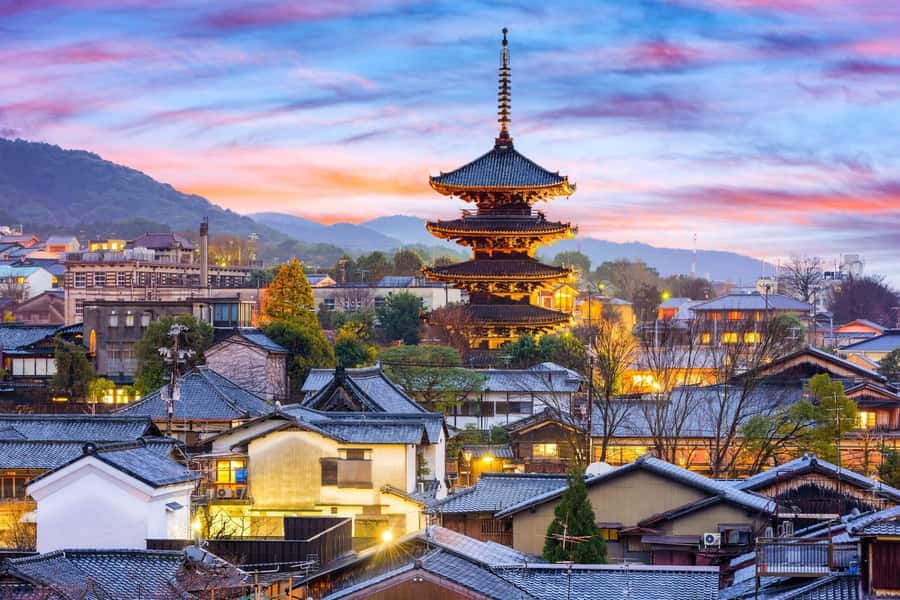
- Custom itinerary on your terms: prioritize temples, shopping stops, or photo moments.
- Arashiyama bamboo forest included: the classic Kyoto scene, worked into your schedule.
- Kinkakuji Golden Pavilion stop: a signature stop with time to look and photograph.
- Fushimi Inari Taisha torii gates: timed for your walking pace.
- Guide-as-photographer support: they suggest spots and take pictures with a phone or yours.
- Air-conditioned vehicle + private pickup/drop-off: real comfort when Kyoto traffic gets spicy.
Why a private driver-guide (and photographer) changes the Kyoto day
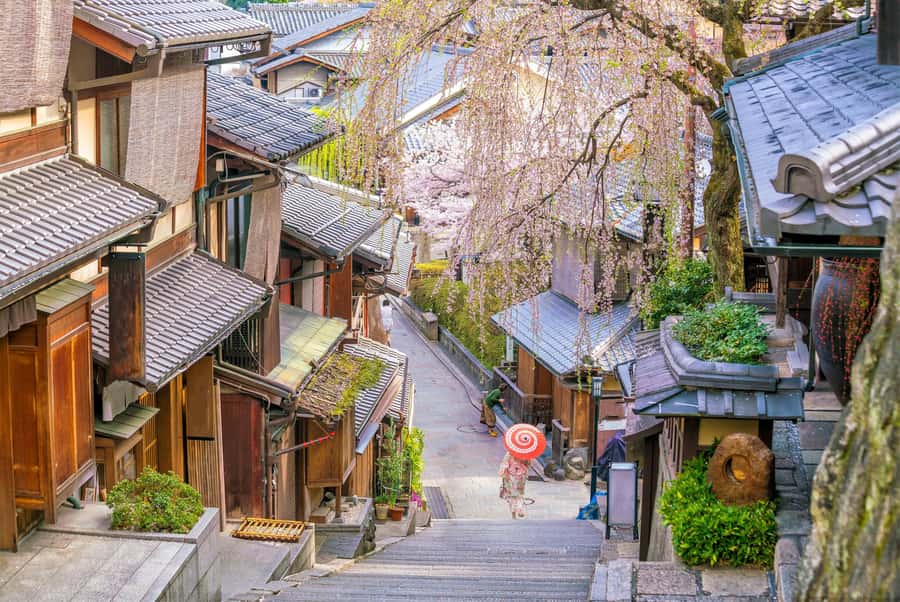
Kyoto can feel like a puzzle: temples in one direction, crowds in another, and buses that don’t care about your schedule. With a private driver-guide, you get one brain on the problem. You tell the order you want, and your driver handles the movement between stops in an air-conditioned vehicle.
The photo support matters more than you’d think. Your guide/driver uses his phone or your phone to take pictures, then points you toward the best angles. That’s huge at places like Arashiyama and the torii gates, where the “right” spot can be just a few steps away.
And because it’s private, you can slow down without apologizing. In the feedback for this tour, people highlighted patient pacing for elderly guests and extra comfort in hot weather. You’re not trying to keep up with strangers while also figuring out where to stand for a clean shot.
The tour is also built around practicality. If traffic delays you, you get additional time provided free of charge, so the day doesn’t automatically get cut short.
You can also read our reviews of more tours and experiences in Kyoto.
Getting to Arashiyama Bamboo Forest without the stress
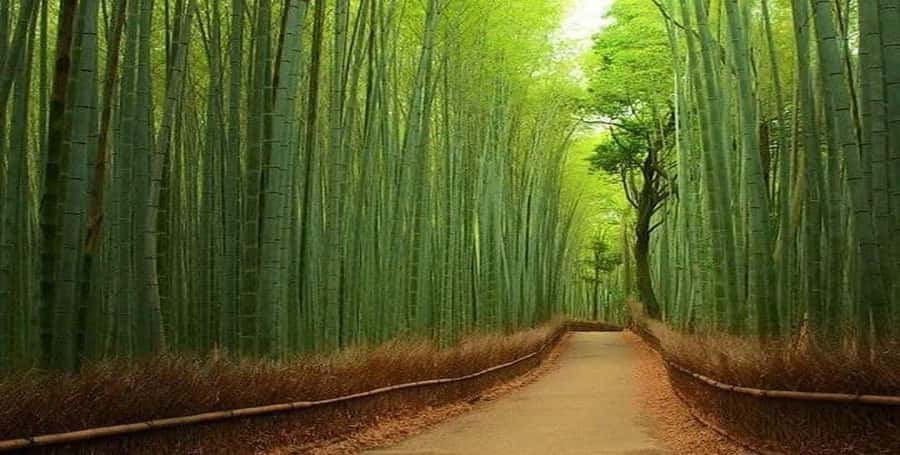
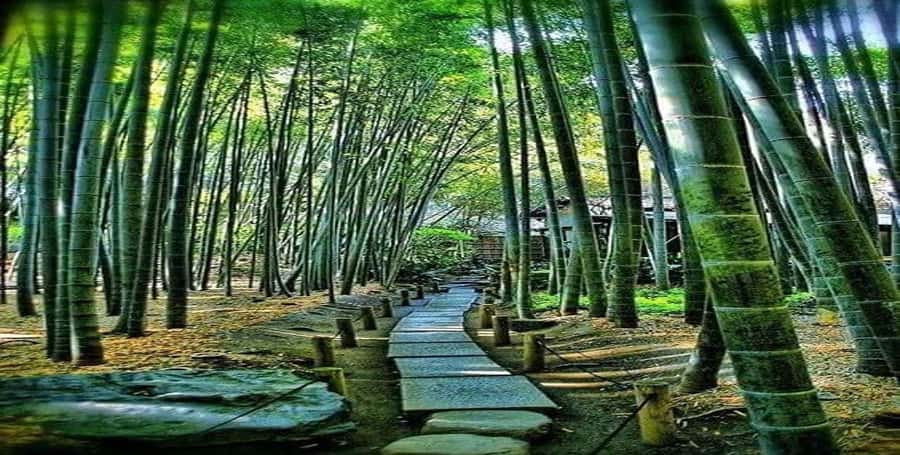
Arashiyama Bamboo Forest is the kind of place where you can walk in expecting “pretty,” then suddenly realize you’re inside something that feels almost cinematic. It’s famous for a reason: towering bamboo stalks, a natural tunnel effect, and a strong sense of place that’s hard to replicate.
What I like about including it in a private day plan is that you can adjust how long you stay. You can do a quick first pass for the iconic look, then linger if you want a slower walk and more photos. With a driver-guide, you also don’t waste energy figuring out transit or parking logistics between Kyoto hotspots.
Photo-wise, your guide’s job is to make the scene work for your camera. The two biggest wins here are (1) choosing viewpoints that don’t trap you in an awkward crowd of heads, and (2) timing your stops so the light looks good on the bamboo. Your driver can suggest where to stand and then take the picture for you, which is especially helpful if you’re traveling as a couple or family.
One consideration: Arashiyama can mean more time outdoors than you expect, depending on your walking choices. If weather is hot or humid, plan on quick stops, hydration breaks, and using the cool van to regroup.
Kinkakuji Golden Pavilion: best timing and photo angles
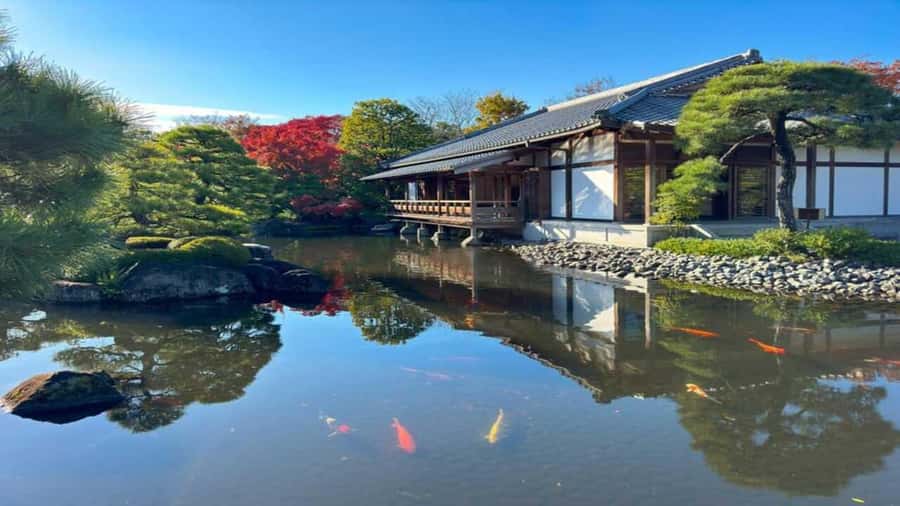
Kinkakuji is Kyoto’s Golden Pavilion, and it does what all famous things do: it earns its reputation. The surface catches light in a way that looks different from angle to angle, so it’s worth taking your time rather than only snapping one photo and moving on.
In a private tour, you get flexibility about how you approach it. You can aim for:
- a calmer viewing pace if you like to take in details
- more time for photography if you’re chasing the cleanest reflection and composition
- a shorter stop if you’d rather spend extra time elsewhere
Your guide/driver can help here by steering you toward picture spots and taking photos with either their phone or yours. That’s useful when you want a specific framing but you don’t want to constantly swap positions, worry about camera settings, or ask strangers to take family shots.
Kinkakuji also tends to work well with smart “photo strategy.” Since the pavilion can draw attention from all directions, you can get better results by letting your guide choose where you stand first, then only fine-tuning from there. It’s a small shift that saves time and reduces frustration.
Fushimi Inari Taisha: torii gates worked around your pace
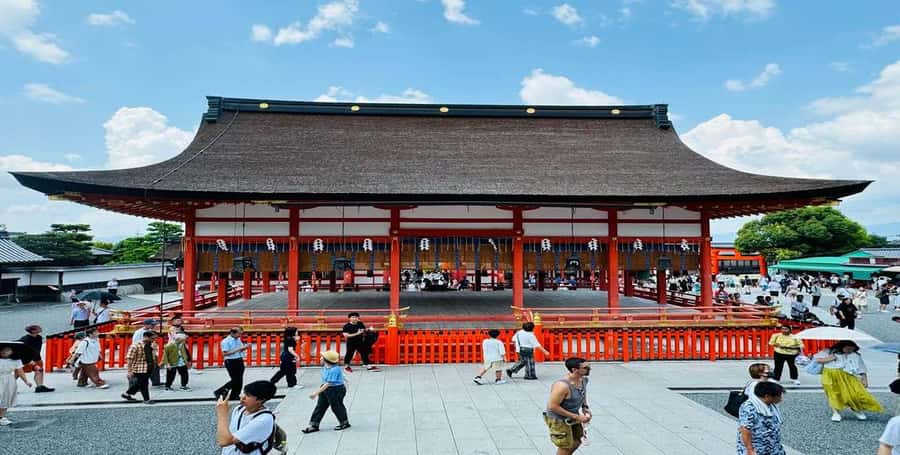
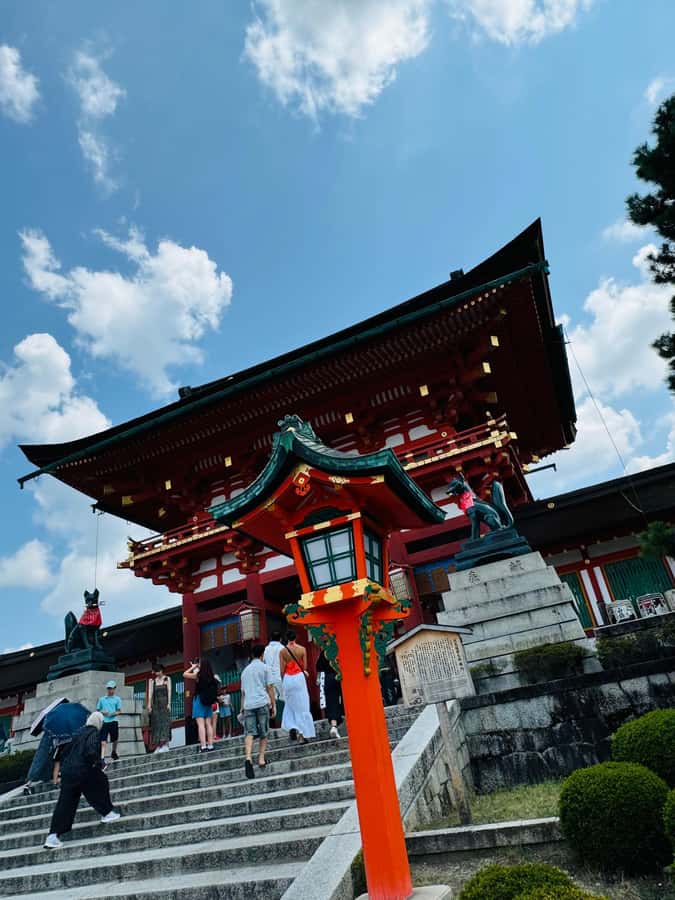
Fushimi Inari Taisha is the Kyoto scene people recognize instantly: long rows of red torii gates, a path that invites walking, and that feeling that you’re moving through a living tunnel. It’s also a place where your pace matters. Some people want to stroll slowly, others want to keep it moving and just enjoy the atmosphere.
This tour approach is helpful because it’s customizable. You can plan your time so you don’t feel rushed, and you can keep the day balanced. If you like walking, you can spend more time in the torii-gate corridors. If you prefer shorter outings, you can still enjoy the main areas without turning the day into a full marathon.
A practical bonus: when you have a driver-guide managing the schedule, you’re less likely to get stuck waiting on transportation timing. That makes it easier to handle the “in-between” moments, like when you want to step aside for photos or pause to rest.
Also, your guide can communicate with people on the ground when needed, and help with practical choices like where to stop for food later. One of the standout details from the tour’s feedback is that guides assisted with communication at restaurants, which can be a big relief if your Japanese is basic.
If you do Fushimi Inari on a hot day, treat it like a walking day: sun protection, water, and comfortable shoes. You’ll have the vehicle waiting, so you can recharge between photo and walking segments.
Custom itinerary: turning one day into your Kyoto
The “customizable” part isn’t just marketing. It affects how the whole day feels. When you can choose what matters most, Kyoto stops being a checklist and starts becoming your trip.
Here’s how you can shape the day effectively:
- Pick your top 2–3 must-dos and build around them (for example, bamboo + Golden Pavilion + torii gates).
- Add supporting stops that match your interests, like traditional culture moments or shopping.
- Decide in advance how much walking you want, then let your guide handle the order.
Your driver-guide is also there to interpret the city for you. The tour focuses on explaining Kyoto’s culture and the meaning behind what you’re seeing, so you get more than visual souvenirs. At the same time, the vibe stays practical. You’re not buried in lecture mode; you’re getting the story as you move from one landmark to the next.
The guides you might encounter can set the tone. Names showing up in this tour’s feedback include Ali and Hamza, plus Nomi, Khan, and Jake. The common thread across those styles: polite, patient service, and a willingness to help with both photos and day flow. In particular, Hamza is mentioned as being on time, friendly, and careful about comfort for elderly guests.
One more smart point: your tour plan can flex with pickup preferences. People noted flexible pickup timing, which matters in a city where hotels and meeting points aren’t always simple.
Price and logistics: what $407 gets you (and what it doesn’t)
At $407 per group (up to 6), you’re paying for a private vehicle, an English-speaking guide, and pickup/drop-off. In Kyoto, that can actually be good value if you’d otherwise pay separately for taxis, guided entry tours, and the time cost of figuring everything out.
The included items are straightforward:
- English-speaking guide
- air-conditioned vehicle
- private transportation
- pickup and drop-off
Not included:
- food and drinks
- entry tickets
That “not included” list is the main cost you’ll need to add yourself. Temple entry fees can add up depending on what you choose, so I suggest you set aside extra money even if your plan focuses on the three highlights. For food, treat it as your flex budget: you’ll want water, and you may want a meal recommendation that fits your schedule.
There’s also a comfort value here. People specifically mentioned a cool van on hot days and that the guide paid attention to slower pacing. If you’re traveling as a small group, that comfort can be the difference between a day that feels doable and one that feels like you’re sprinting from sight to sight.
Also, this is not a group tour where you share your day with strangers. You’ll be in control of the pace, and your guide can adjust the day around real needs, like breaks and communication.
Photo and timing tips that make the day smoother
Because the tour includes photo help, it’s worth going in with a little strategy. You’ll get more keepers, and you’ll spend less time “figuring it out.”
Here’s what I’d do:
- Tell your guide what you want photographed: couple shots, family groups, or temple/pavilion-only frames.
- Ask for direction on where to stand first, then let them take the picture.
- Use the vehicle breaks to reset. If it’s hot, get back in, cool down, then return for the next stop.
The guide/driver can use either their phone or your phone. That means you can keep your own camera settings consistent if you prefer. It also helps if you don’t want to keep passing your camera around to strangers.
Timing matters too. At Kinkakuji and Fushimi Inari, the best photos often come from being placed correctly, not from having better gear. Your guide’s role is to get you there, suggest the best angle, and then handle the moment.
One extra practical thing: bring a small bag for water and sun protection, even if you plan to buy drinks later. Food and drinks aren’t included, so having your basics ready makes the day feel effortless.
Who this tour is best for (and who might not love it)
This is a strong fit if you want:
- a one-day Kyoto plan that doesn’t feel rushed
- private comfort in an air-conditioned vehicle
- English-speaking guidance and story context
- photo assistance that reduces the usual “tourist juggling camera” problem
It’s also a smart choice for families and small groups. With a max of 6 people, you can split responsibilities for pictures and still keep the day easy.
One caution: the tour is not suitable for people over 95 years. That’s the clearest age-related constraint in the details provided, and it’s worth taking seriously.
If you’re a solo traveler who wants maximum independence, a private guide can still be worth it, especially if you’re pairing temples with shopping and you value photo help. If you’re on a strict shoestring budget, you may find the per-group price higher than public transit plus self-guided apps, but you’re buying time, comfort, and a guided plan.
Should you book this Kyoto private tour?
I’d book it if your priority is a smooth, photo-friendly Kyoto day with real flexibility. You’re getting three of Kyoto’s most recognized sights—Arashiyama, Kinkakuji, and Fushimi Inari—wrapped into a customizable schedule with pickup/drop-off and air-conditioned comfort.
I’d also book it if you’ll benefit from a guide who can handle the practical flow: communication help, patience with pacing, and switching between stops without you worrying about logistics.
I wouldn’t book it if you only want to explore at your own pace with zero added guidance, or if you’re not willing to budget for entry tickets and meals on top of the tour cost. Also, if your group includes someone who falls into the over-95 range, look for a different option.
If you want Kyoto in one day without the usual chaos, this kind of private setup is a solid bet. The best part is that you get to steer the day, and your guide helps you capture it.
FAQ
What is included in the Kyoto private tour price?
The tour includes an English-speaking guide, an air-conditioned vehicle, private transportation, and pick up and drop off. Food, drinks, and entry tickets are not included.
How many people can be in a group?
The price is for a group up to 6 people.
Can I customize the itinerary?
Yes. The tour is customizable, and you can prioritize the attractions that interest you most.
Which attractions are included in the highlights?
The tour highlights include Arashiyama Bamboo Forest, Kinkakuji Temple (Golden Pavilion), and Fushimi Inari Taisha.
What languages are available for the guide?
The guide is available in English and Japanese.
Are entry tickets and meals included?
No. Entry tickets and food and drinks are not included.
What are the rules during the tour?
Alcohol and drugs are not allowed.
Is there a minimum age or any limits?
The tour is not suitable for people over 95 years.
Can I pay later or get a refund if plans change?
There is a reserve and pay later option. Cancellation is allowed up to 24 hours in advance for a full refund.