REVIEW · KYOTO
Private Kyoto Customizable Tour With Guide and Luxury vehicle
Book on Viator →Operated by Bahadur Tours · Bookable on Viator
Kyoto in one private day feels like a superpower. This private Kyoto custom tour lets you pick the temples, culture stops, and shopping you care about most, with an English-speaking guide and a driver to handle the getting-around part. Two things I really like: you’re not stuck with a fixed agenda, and you get a full 8 to 10 hours to cover big-name sights without feeling like you’re sprinting through the city.
My one caution: the experience can rise or fall based on the guide you get. Some guides have been praised for energy, timing, and photo help (names like Charith and Malik show up in standout feedback), but there’s also evidence that a less enthusiastic guide can make the same itinerary feel less special—so set expectations early.
In This Review
- Key things that make this Kyoto day work
- Price and value: what $525.87 buys you in Kyoto
- How the 8:30 AM schedule feels in real life
- Stop 1: Arashiyama, Togetsukyo Bridge, and bamboo walks
- Stop 2: Kinkakuji Golden Pavilion and the pond view
- Stop 3: Fushimi Inari-Taisha and the torii trail up Mount Inari
- Stop 4: Kiyomizudera and its iconic wooden stage
- Stop 5: Ginkakuji Silver Pavilion and the Higashiyama culture vibe
- Stop 6: Sanjusangendo’s 1001 Kannon statues
- Stop 7: Gion Corner, geiko culture, and machiya streets
- Stop 8: Nishiki Market for food browsing and Kyoto kitchen finds
- What makes a strong guide matter on this itinerary
- Practical money and logistics you should plan for
- Should you book this private Kyoto custom tour?
- FAQ
- How long is the private Kyoto tour?
- What is the tour price and group size?
- Is pickup included, and where does the tour start?
- Are admission tickets included for the temples and shrines?
- What’s included in the tour?
- Can I cancel for a full refund?
Key things that make this Kyoto day work
- Private, customizable route: you drive your day, not a script
- Luxury, air-conditioned vehicle + onboard WiFi to reset between stops
- 8 to 10 hours with buffer for traffic so you’re not rushed on bad roads
- Perfect one-day pairing: temples/shrines plus Gion and Nishiki Market food browsing
- Admission pattern you can plan for: some sites are free; several are not included
Price and value: what $525.87 buys you in Kyoto
At $525.87 per group (up to 6), this is not a cheap Kyoto “add-on.” The value comes from the structure: it’s private, it’s timed as a single day (8–10 hours), and it includes an English-speaking guide plus luxury transport. That can matter a lot in Kyoto, where hopping between eastern and western neighborhoods can eat time if you’re doing it on your own.
Here’s the simple math. If you fill all 6 spots, the tour cost works out to about $88 per person for a full-day plan that includes pickup and car time. If you’re a smaller group, it costs more per person, so you’ll want to lean into what you’re buying: reduced stress, better routing, and someone to explain what you’re seeing while you walk.
The best way to judge it: ask yourself whether you want to pay for direction. If you already love researching neighborhoods and building routes, you might skip this. If you want maximum Kyoto in one day with a plan that adjusts to your interests, the price starts to make sense.
You can also read our reviews of more tours and experiences in Kyoto.
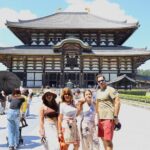
How the 8:30 AM schedule feels in real life
The day starts at 8:30 am. Because this is private, your guide can shape the order and pace around what you want most, while still hitting the full spread of major sights. If traffic slows things down, the tour includes extra time at no extra cost, which is a big deal in Kyoto where bottlenecks can happen.
You’ll ride in an air-conditioned luxury vehicle with WiFi onboard, which is practical on long temple days. It’s not just comfort—it’s recovery time. You can use the ride between stops to check your route, grab water, and regroup before the next walk.
Also note the “hidden” time costs: lining up, navigating crowds, and finding the right entrance. A good driver-guide reduces those delays by knowing where you should go and when to be there.
Stop 1: Arashiyama, Togetsukyo Bridge, and bamboo walks
Arashiyama is where Kyoto turns cinematic. The star is the Togetsukyo Bridge, also called the Moon Crossing Bridge. It’s a recognizable checkpoint over the river, and it frames the hillside woods in a way that feels made for photos.
Right by the bridge, you have a riverbank park with cherry trees, so the setting changes with seasons. Then you get that classic Arashiyama atmosphere: paths through bamboo groves, where bamboo stalks sway with even a light breeze. Bamboo isn’t just scenery here; it’s been used for generations in local workshops for everyday items like mats, cups, boxes, and baskets.
A practical drawback: bamboo areas and the bridge area can be crowded, especially earlier in the day and on peak seasons. If you want quieter time, plan to ask your guide where to walk for space and how to time photo stops.
Stop 2: Kinkakuji Golden Pavilion and the pond view
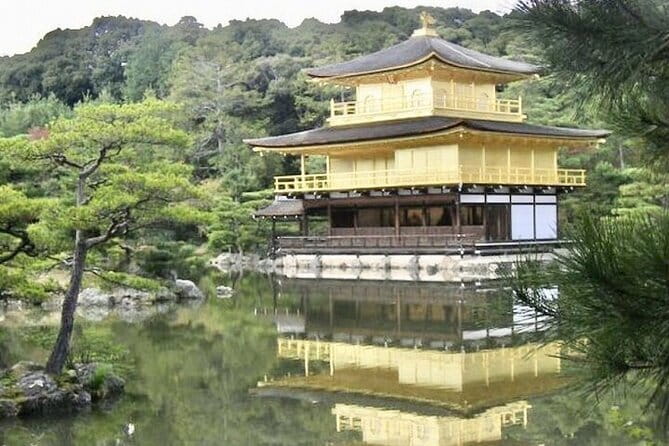
Next is Kinkakuji Temple (Golden Pavilion), the Zen temple famous for the upper floors coated in gold leaf. The temple’s story ties into the Ashikaga shoguns: it was originally associated with Ashikaga Yoshimitsu’s retirement residence, and after his death it became a Zen temple of the Rinzai sect.
What you’ll notice on site is how the temple sits above a larger pond area, so the view isn’t only about the building. It’s also about reflections, positioning, and that layered composition Kyoto does so well.
Timing matters here. Admission isn’t included, so you’ll want to account for ticket cost separately. Also, because this is one of the most famous spots in Kyoto, expect crowds. The upside of having a guide is simple: they can help you move efficiently through key viewpoints without wasting time.
Stop 3: Fushimi Inari-Taisha and the torii trail up Mount Inari
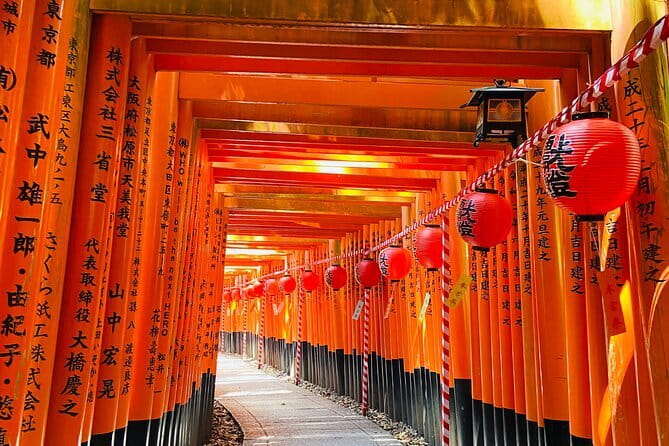
Fushimi Inari-Taisha Shrine is the Kyoto stop that makes people start planning repeat trips. The shrine is known for thousands of red torii gates that form paths into the forest area of Mount Inari, which rises to 233 meters.
Inari is the Shinto god associated with rice, and this shrine is one of the most significant Inari shrines in Japan. You’ll also see foxes show up in the shrine culture, since foxes are believed to be Inari’s messengers—there are fox statues scattered around the grounds.
The big advantage here is that the stop is free and full of visual payoffs in every direction. The drawback: the torii walk can feel long if you decide to go deep into the trail. If you’re short on time, you can still enjoy the main gate-and-path experience without pushing all the way up.
Stop 4: Kiyomizudera and its iconic wooden stage
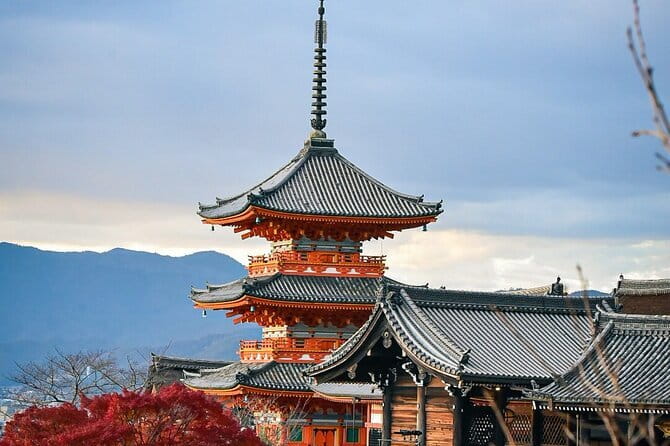
Kiyomizudera Temple is one of those names you hear before you even arrive in Japan. It’s called the Pure Water Temple, tied to the pristine waters of the Otowa Waterfall on the wooded hillside east of Kyoto. The temple dates to the year 780 and was later connected with Buddhist sect history, with UNESCO status arriving in 1994.
The key feature is the wooden stage that juts out about 13 meters from the main hall. From there you can see over Kyoto, especially when cherry or maple trees color the area below. The stage view is the moment people remember.
Admission isn’t included here, so plan for ticket cost. Also, because it’s famous, it can get busy—meaning you should keep your photos practical and move with the flow rather than stopping suddenly at narrow points.
Stop 5: Ginkakuji Silver Pavilion and the Higashiyama culture vibe
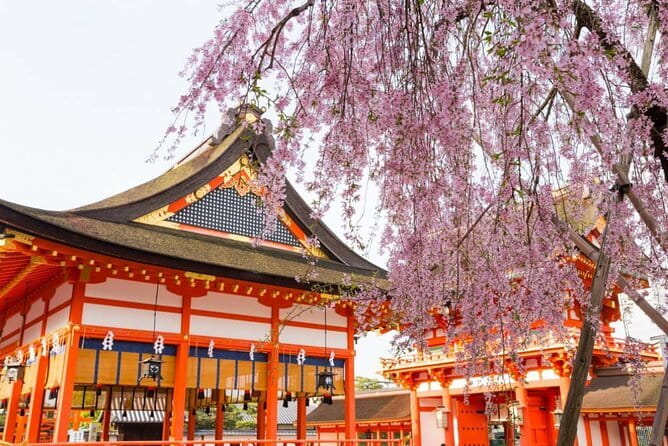
Ginkakuji (Silver Pavilion) sits in Kyoto’s eastern mountains, in the Higashiyama area. Even though it’s called Silver Pavilion, the bigger story is the design, the garden mood, and the era behind it.
Ashikaga Yoshimasa built his retirement estate there in 1482, modeling it after his grandfather’s Kinkakuji retirement estate. After Yoshimasa passed in 1490, the property shifted into a Zen sanctuary. This is where the term Higashiyama Culture comes in, connected to arts and craftsmanship after the Kitayama culture of the earlier period.
This stop is free, which makes it a smart use of your day if you’re watching total ticket costs. The drawback is weather: gardens and temple paths feel different depending on rain and wind. If it’s a wet day, you’ll want non-slip shoes and a little patience on uneven ground.
Stop 6: Sanjusangendo’s 1001 Kannon statues
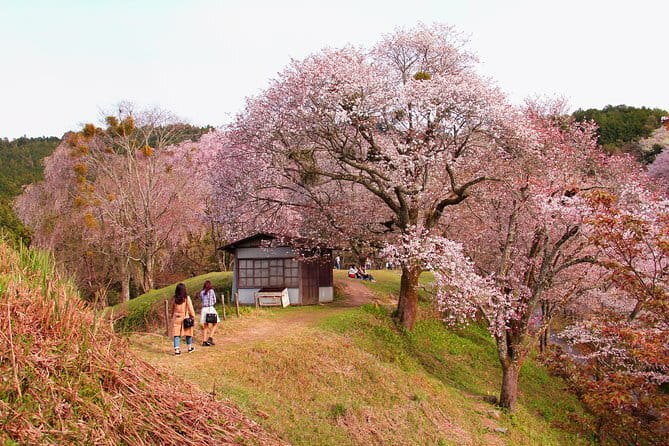
Sanjusangendo Temple is for people who like art that feels almost impossible. The hall is famous for 1001 statues of Kannon, the goddess of mercy. The building goes back to 1164, and it was later modified after a fire destroyed the first structure about a century afterward.
One standout detail: the main hall measures 120 meters, making it Japan’s longest wooden structure. The name “Sanjusangendo” even connects to how the building is measured—related to the intervals between the building’s back columns.
Admission isn’t included, so again, ticket cost isn’t part of the package. The drawback is focus: the sheer number of statues can make it hard to know where to look first. A guide helps by pointing out the most meaningful angles and the way the space is laid out.
Stop 7: Gion Corner, geiko culture, and machiya streets
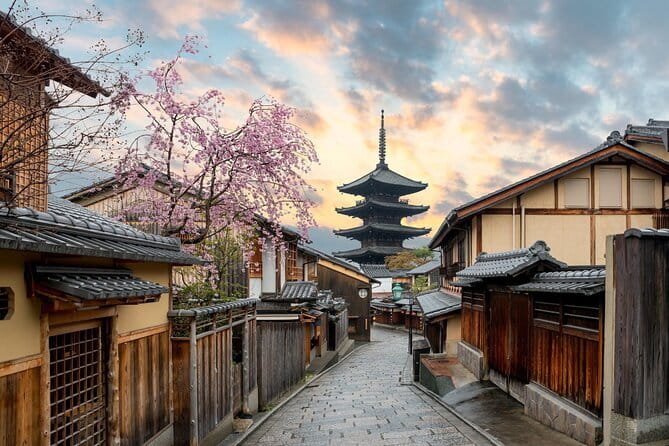
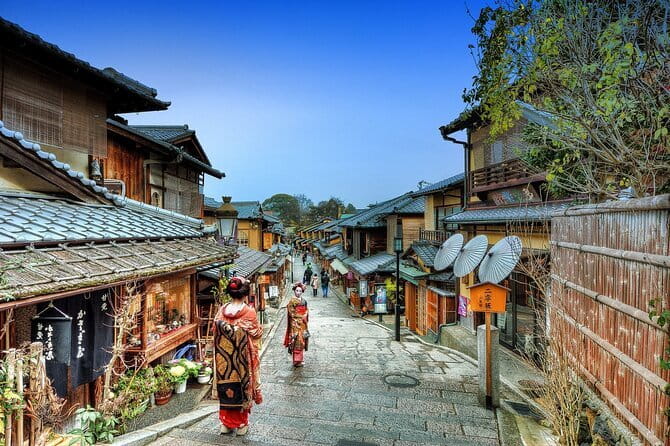
Then you shift from temples to people and place. Gion is Kyoto’s best-known geisha neighborhood, located along Shijo Avenue between the Kamo River and Yasaka Shrine. It’s known for ochaya (teahouses) and for performances by geiko (Kyoto’s dialect for geisha) and maiko (geiko apprentices).
You’ll also see classic wooden machiya merchant houses. The street layout matters: these homes often have narrow frontages of about five to six meters, but they stretch much deeper because earlier property tax rules were based on street frontage.
Gion Corner is free, so it’s great for an evening-friendly stroll and snack timing. Just keep expectations realistic: you’re walking in a neighborhood, not a stage. The best move is to enjoy the street, architecture, and small shops while respecting the residential feel.
Stop 8: Nishiki Market for food browsing and Kyoto kitchen finds
Finish with Nishiki Market, often called Kyoto’s Kitchen. It’s a narrow stretch about five blocks long with more than 100 shops and restaurants, and it specializes in food-related goods: fresh produce, seafood, knives, cookware, pickles, dried seafood, Japanese sweets, and sushi.
This stop is free, and it’s where the day’s walking turns into practical reward. You can use Nishiki to pick up small edible souvenirs, or just graze your way through the flavors of Kyoto without committing to a full meal.
The only consideration is that Nishiki is busy. Narrow aisles mean slow moving crowds, so keep moving at a steady pace and use your guide to spot the best “try one thing” options.
What makes a strong guide matter on this itinerary
A private tour is only as good as the person managing it. The tour has an English-speaking guide and a driver, and that combination matters for two things: matching your interests and keeping you moving through Kyoto efficiently.
Based on what works well in the best-guided days, I’d look for three behaviors:
- Clear explanations so the temples stop being just names
- Photo and timing help so you aren’t stuck waiting at the wrong angle
- Flexibility when you decide you want more time somewhere
Guides like Charith and Malik are specifically associated with strong historical context and helping visitors get the best views and photos. And there’s also evidence that guides can handle real-life complications like navigating crowds with a stroller, which is a major comfort point if you’re traveling with kids.
If you end up with a quieter or less energetic guide, you may need to take a more proactive role: tell them what you want to learn, what you want to skip, and where you want the day to end (market snacks vs. earlier temple time).
Practical money and logistics you should plan for
Admission tickets aren’t included, but some stops are free. In your day, expect a mix: Fushimi Inari, Ginkakuji, Gion Corner, and Nishiki Market are free. Kinkakuji, Kiyomizudera, Arashiyama, and Sanjusangendo list admission as not included, so you should budget for those ticket costs separately.
Food and drinks are also not included. That means coffee/tea and lunch/dinner are on you. The good news: the structure of the route makes it easy to grab something when you want, especially around market time at Nishiki.
One more practical point: you’ll likely walk more than you expect, especially with torii paths and temple grounds. Wear comfortable shoes and plan for short rests during vehicle transitions.
Should you book this private Kyoto custom tour?
Book it if you want a high-impact Kyoto day with minimal navigation stress, especially if you’re traveling as a group of up to 6 and want to split the cost. It’s also a strong fit if you know what you want—temples, shrines, Gion culture, and food browsing—and you’d rather have a guide tighten the route and explain what you’re looking at.
Skip it (or rethink) if you’re traveling solo on a tight budget, or if you’re the type who enjoys building your own routes and learning Kyoto through your own reading. And if guide energy is a big deal for you, send a message with your must-sees and your preferred style of guiding right after booking.
FAQ
How long is the private Kyoto tour?
The tour runs about 8 to 10 hours.
What is the tour price and group size?
It costs $525.87 per group, with a maximum of up to 6 people.
Is pickup included, and where does the tour start?
Pickup is offered, and the tour start time is 8:30 am.
Are admission tickets included for the temples and shrines?
Admission tickets are not included in the package (some stops are listed as free, but the package itself does not include admission).
What’s included in the tour?
Included items are an air-conditioned vehicle, WiFi on board, and an English-speaking guide.
Can I cancel for a full refund?
Yes. You can cancel up to 24 hours in advance for a full refund.