REVIEW · NEW DELHI
6-Days Private Luxury Golden Triangle Tour from Delhi
Book on Viator →Operated by Raj Tour and Travel-Agra · Bookable on Viator
Sunrise Taj Mahal without the hassle. This private luxury route strings together Delhi, Agra, and Jaipur with a dedicated guide and hotel-to-hotel driving.
I especially like the early start timing that helps you see the Taj Mahal in calmer light, and the fact that your day isn’t taken over by logistics.
One thing to plan for: monument entrance fees aren’t included, and some sites have weekly closures (Lotus Temple Mondays, Taj Mahal Fridays).
In This Review
- Key highlights to know before you go
- Private luxury Golden Triangle: what comfort really changes
- Delhi day: Old Delhi lanes, Mughal landmarks, and quick photo wins
- Jama Masjid and Chandni Chowk (plus a tuk-tuk shortcut)
- Humayun’s Tomb and Qutub Minar (UNESCO stops that reward looking up)
- Lotus Temple and India Gate (calm breaks inside busy Delhi)
- Rashtrapati Bhavan view (a big-architecture moment)
- Off to Agra: Fort views and the “Baby Taj” stop
- Agra Fort: red sandstone power and a Taj glimpse
- Itmad-ud-Daula (often called the Baby Taj)
- Mehtab Bagh: sunset alignment across the Yamuna
- Taj Mahal sunrise: why the early start feels worth it
- Taj Mahal closures to plan around
- Fatehpur Sikri en route to Jaipur: a UNESCO stop on the way
- Jaipur city sights: where you’ll spend your main guided hours
- City Palace: royal residence with restricted areas
- Hawa Mahal: the famous honeycomb facade
- Jantar Mantar: giant stone instruments for the sky
- Second Jaipur day: Jaigarh, stepwell symmetry, and Galta Ji
- Jaigarh Fort: views plus Jaivana the giant cannon
- Panna Meena ka Kund: the stepwell that looks planned
- Monkey Temple (Galta Ji): tanks, devotion, and hill views
- Patrika Gate: the color stop at Jawahar Circle
- Transportation and timing: what the 6 days feel like in real life
- Price check: is $177.50 per person actually good value?
- Guides and drivers: where the experience gets extra smooth
- Small practical notes that help you enjoy it more
- Who this luxury Golden Triangle tour suits best
- Should you book this 6-day private luxury Golden Triangle?
- FAQ
- What cities are included on this Golden Triangle tour?
- Is this a private tour or a group tour with others?
- What transportation is included?
- Are hotel breakfasts included?
- Are monument entrance fees included?
- Do you get a guide in each city?
- Are there any closures to know about?
- What are the hotel check-in and check-out times?
- How does pickup work?
Key highlights to know before you go
- Private air-conditioned car all the way: you move between cities with less waiting and more comfort.
- Expert live guides in every city: you get the why behind the what.
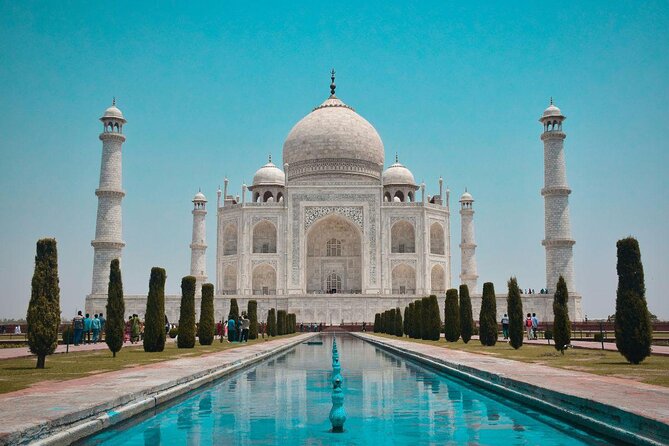
- Sunrise Taj Mahal visit: a smarter way to beat crowd crush and get better photos.
- Old Delhi tuk-tuk ride: fun, fast, and handy in tight lanes around Chandni Chowk.
- UNESCO stops without wasting time: you hit major landmarks across Delhi, Agra, and Jaipur.
- A full Jaipur day beyond the postcards: Jaigarh Fort, a stepwell, and Galta Ji round things out.
Private luxury Golden Triangle: what comfort really changes
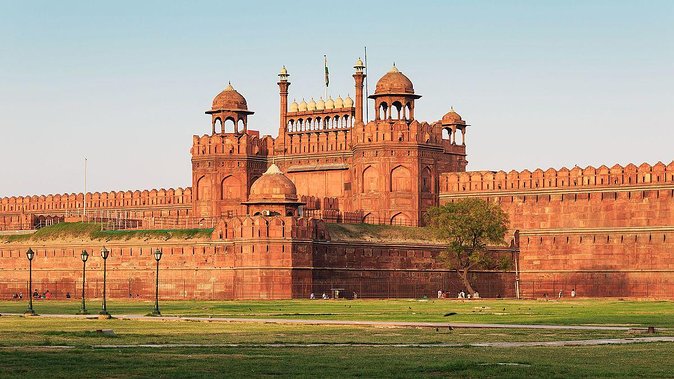
A Golden Triangle tour can be exhausting when you’re constantly switching plans, hunting tickets, and figuring out transport. This one keeps it simple: hotel pickup and drop-off, a private air-conditioned car, and a live guide in each city. The result is that you spend your mental energy on the monuments, not the schedule math.
The private format matters too. This is set up so only your group participates, so you’re not stuck waiting on other people’s pace or interests. In practice, it means smoother timing for photo stops and quicker transitions between sights.
You can also read our reviews of more tours and experiences in New Delhi.



Delhi day: Old Delhi lanes, Mughal landmarks, and quick photo wins
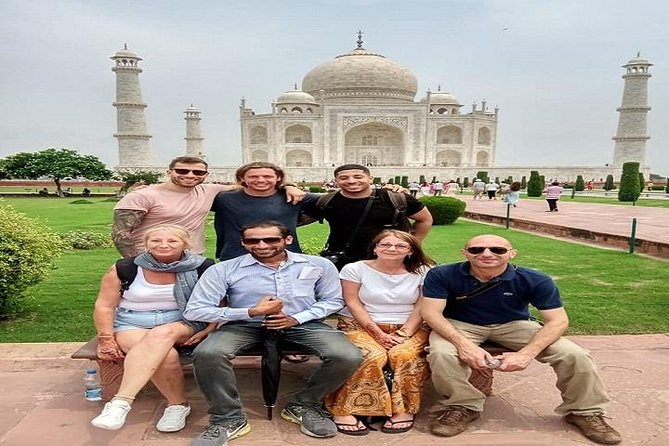
Your day starts with breakfast, then you meet your guide and head into Delhi sightseeing with a mix of big-name landmarks and the streets that make Old Delhi feel real. The pacing is efficient, with short stops that still give you time to look closely.
Jama Masjid and Chandni Chowk (plus a tuk-tuk shortcut)
You’ll visit Jama Masjid, built by Emperor Shah Jahan in 1656. It’s one of India’s largest mosques, and even if you’re not religious, the scale and symmetry give you instant context for Mughal-era power.
Next comes Chandni Chowk, one of Delhi’s oldest and liveliest old-city areas. This is where your included tuk-tuk ride in Old Delhi becomes a practical advantage. The lanes can be tight and slow on foot, so this helps you cover more ground without feeling like you’re fighting traffic the whole time.
Humayun’s Tomb and Qutub Minar (UNESCO stops that reward looking up)
Humayun’s Tomb is a UNESCO World Heritage Site and often described as India’s first garden tomb. What I like about it is the setting: it’s not just a monument, it’s a designed landscape that gives your eyes a place to rest.
Then Qutub Minar brings you back to vertical drama. It’s a 73-meter brick minaret from the 13th century with intricate carvings and an Indo-Islamic style. This is a place where a good guide helps you spot details you’d otherwise rush past.
Lotus Temple and India Gate (calm breaks inside busy Delhi)
The Lotus Temple is shaped like a blooming lotus and is open to all faiths. It’s a peaceful stop that balances the more intense old-city sites. Note the practical catch: it’s closed every Monday, so if your trip lands on a Monday, your driver and guide will need to adjust the flow.
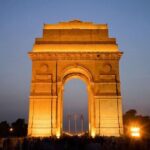
You’ll also see India Gate, a World War I memorial with surrounding lawns and an eternal flame. It’s not just a photo moment; it gives you a quieter pause before you move to the next set of streets and buildings.






Rashtrapati Bhavan view (a big-architecture moment)
You’ll also stop for Rashtrapati Bhavan, the President of India’s residence. Even though you might not go inside, the architectural blend of Indian and Western styles is the kind of visual detail that makes Delhi feel layered.
Off to Agra: Fort views and the “Baby Taj” stop
After Delhi, your private driver takes you onward to Agra for overnight stay. That sleep matters here because Agra sightseeing works best with clear energy—especially the next day’s early Taj Mahal visit.
Agra Fort: red sandstone power and a Taj glimpse
In Agra, you start at Agra Fort, a UNESCO World Heritage Site. It’s a large red sandstone fortress that once housed Mughal emperors, with palaces and gardens inside. One of the smartest parts of this stop is that it sets up the Taj Mahal context, including distant views that make the next morning feel more meaningful.
The fort visit can be visually dense, so plan on letting your guide do the heavy lifting—pointing out where power lived, where rulers moved, and why the site is built the way it is.
Itmad-ud-Daula (often called the Baby Taj)
Then you visit Itmad-ud-Daula, a marble tomb in Agra built by Empress Nur Jahan for her father. It’s sometimes nicknamed the Baby Taj because of its refined marble and inlay style. The key here isn’t its fame—it’s the craftsmanship. If you like close-up details (carving, patterns, and the way light moves across marble), this one pays off.
Mehtab Bagh: sunset alignment across the Yamuna
Finally, you’ll have time at Mehtab Bagh, a garden across the Yamuna River from the Taj Mahal. The advantage is alignment: it’s a peaceful spot with views that work especially well around sunset. It also offers a bit of separation from crowds, which can make your evening feel less rushed and more reflective.
Taj Mahal sunrise: why the early start feels worth it
The next morning is built around a sunrise visit to the Taj Mahal. Your driver will pick you up early, and you’ll meet your guide for the start of the visit. The timing is a big deal: Taj light is often more flattering early, and the atmosphere tends to feel calmer than later in the day.
This is also where a strong guide changes the experience. In past tours with guides like Iqrar, the standout pattern has been clear explanations of the Taj Mahal’s history and construction details, plus helpful photo support. If you’re hoping for pictures without standing around guessing angles, this is where the private format shines.
Taj Mahal closures to plan around
Important heads-up: the Taj Mahal is closed every Friday. If your dates land on a Friday, ask ahead how the tour will reroute the schedule so you still get a full experience in Agra and Jaipur.
Fatehpur Sikri en route to Jaipur: a UNESCO stop on the way
After the Taj Mahal visit, your driver takes you toward Jaipur with a stop at Fatehpur Sikri, a UNESCO World Heritage Site. This was built by Emperor Akbar in the 16th century and once served as the Mughal capital.
The experience here is the shift in pace. Instead of constant city movement, you get a compact, preserved place that lets you connect architecture with imperial ambition. It’s also a good break between long drives, giving your eyes something different from the Taj and Agra Fort tones.
Jaipur city sights: where you’ll spend your main guided hours
Jaipur is where the trip leans into royal grandeur and the geometry of Rajasthan’s design language. You’ll have a full day with city sights, plus a separate second day that covers forts and viewpoints.
City Palace: royal residence with restricted areas
First up is City Palace of Jaipur in the old city. It’s a royal residence of the former Maharaja and shows a blend of Rajasthani and Mughal architecture. One practical note: some parts remain restricted and aren’t open to the public, so it’s normal if you don’t see every room and corridor.
Hawa Mahal: the famous honeycomb facade
Next is Hawa Mahal, the Palace of Wind, built in 1799. The highlight is the pink sandstone facade with 953 ornate windows designed so royal women could observe street life privately. Even if you’ve seen pictures, being there helps you notice the honeycomb effect and scale.
This is a great stop for quick photos and street-level atmosphere, but also plan to keep an eye on timing so you don’t burn too much time here and rush the next monuments.
Jantar Mantar: giant stone instruments for the sky
Then you’ll visit Jantar Mantar, a UNESCO World Heritage Site and home to the world’s largest stone sundial. Built in the 18th century by Maharaja Jai Singh II, it includes astronomical instruments used for accurate sky observation.
A good guide matters here because it’s easy to treat it like just big rocks. With context, you’ll start seeing it as a functioning measurement system.
Second Jaipur day: Jaigarh, stepwell symmetry, and Galta Ji
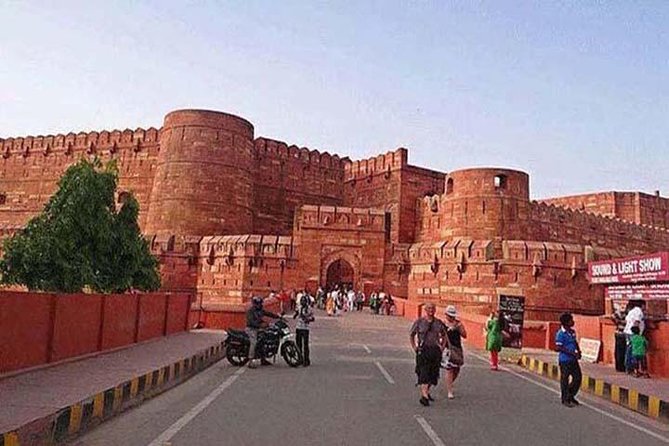
This day adds a more spread-out feel around Jaipur, with fort viewpoints and quieter stops.
Jaigarh Fort: views plus Jaivana the giant cannon
Your first big stop is Jaigarh Fort, built by Maharaja Jai Singh II in the 18th century. The payoff is the view. The fort also has military history and houses the world’s largest cannon, Jaivana, plus watchtowers, temples, and advanced water systems.
Even if you’re not a “fort person,” the scale here helps you understand why rulers cared about defensive architecture and visibility.
Panna Meena ka Kund: the stepwell that looks planned
Next is Panna Meena ka Kund, an 8th-century stepwell. It’s known for its symmetrical staircases and unique architecture, and it’s now a calm, photogenic spot. This is one of those stops where you can slow down for photos and actually look at geometry.
Monkey Temple (Galta Ji): tanks, devotion, and hill views
Then comes Monkey Temple, also called Galta Ji, a Hindu pilgrimage site in the Aravalli hills. It’s known for sacred water tanks, resident monkeys, and traditional Rajasthani architecture. If you like a more spiritual and scenic setting, this one offers it, along with panoramic views.
Patrika Gate: the color stop at Jawahar Circle
You’ll finish with Patrika Gate, the Instagram-famous entrance monument at the entrance of Jawahar Circle. It features intricate hand-painted arches showing Rajasthan’s culture and architecture, and it’s a colorful photo wrap-up after the more serious fort and temple stops.
Transportation and timing: what the 6 days feel like in real life
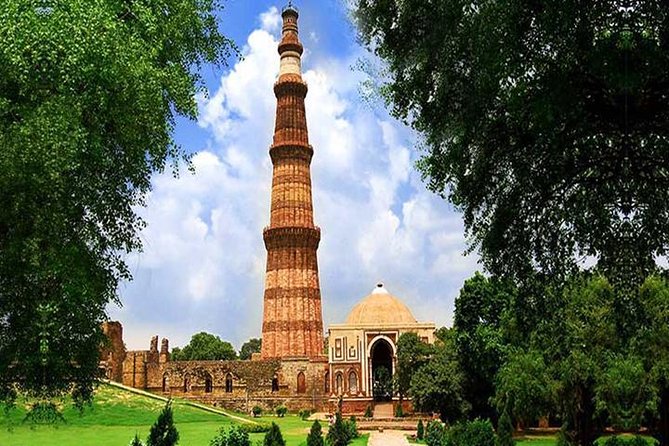
This is a fast, classic Golden Triangle run. Six days means you get the main monuments without turning the trip into a slow crawl. The driving days are part of the experience, and with a private car and hotel pickup, you don’t have to spend your trip time waiting or re-figuring how you’ll get from point A to point B.
Hotel stays are included for five nights with breakfast if you choose a 4-star or 5-star option. Check-in is 3:00 PM and check-out is 12:00 PM, so plan your luggage schedule around those times.
Also check for weekly closures. The Lotus Temple is closed every Monday, and the Taj Mahal is closed every Friday. These matter because they can shift which stops happen on certain calendar days.
Price check: is $177.50 per person actually good value?
At $177.50 per person, this tour is positioned as luxury because you’re paying for three big things: private air-conditioned transport, a live guide, and a structured route across three major cities with hotel pickup and drop-off.
Where value can be lost is the part nobody wants to learn at the ticket window: monument entrances are not included. Entrance fees are listed as approximate, and tips are also not included. If you’re comparing options, add those extras to your budget so you can see the real total cost.
That said, the private setup reduces wasted time. If you’d otherwise try to do Delhi, Agra, and Jaipur on your own, the cost of transport plus the time you spend organizing can add up fast.
Guides and drivers: where the experience gets extra smooth
The experience leans hard on guide quality. In Delhi, Agra, and beyond, you’ll have a private live tour guide in each city, plus a driver for transportation.
From guide names that come up often in the service record—D s, Iqrar, and Faz—the common pattern is clear: they make the stops efficient, explain what you’re looking at, and help with photo timing. People also point to skip-the-queues style assistance around major sights like the Taj Mahal, plus time to wander rather than feeling rushed.
A private guide is also helpful when you want to move beyond the postcard version of a place and understand what the monument was built for.
Small practical notes that help you enjoy it more
Bring a plan for money. Since monument entrance fees aren’t included, have some spare cash or a payment method ready for each day’s sites.
Wear comfortable shoes. You’ll do a mix of walking and standing at major monuments, plus some uneven surfaces around forts and the stepwell.
Plan your clothing for early starts. Sunrise Taj Mahal means you’ll want to be warm enough before you get moving, then cool enough once you’re out in daylight.
And keep an eye on closures before you lock your dates. If your schedule lands on Monday or Friday, talk with the operator so they can keep your day on track.
Who this luxury Golden Triangle tour suits best
This one is a good fit if you want classic Golden Triangle sights without turning your trip into a logistics project. You’ll like it if you prefer private pacing, care about comfort during city-to-city travel, and want guided context at major UNESCO sites.
It’s also a strong pick for couples and small groups who want shared time but don’t want to slow down for strangers.
If you’re the type who enjoys planning every detail yourself and you’re happy with public transport, you might find this pricier than necessary. But if you value convenience, this is the kind of tour that feels like it was built for your time.
Should you book this 6-day private luxury Golden Triangle?
If your goal is to hit Delhi, Agra, and Jaipur with a private air-conditioned car, a live guide, and an early Taj Mahal visit, I think it’s worth serious consideration. The itinerary covers the essentials: Old Delhi landmarks, UNESCO stops, Agra Fort and the Baby Taj style marble tomb, Fatehpur Sikri on the way to Jaipur, and Jaipur’s royal and astronomical highlights.
The main reason to pause is straightforward: entrance fees aren’t included, and there are fixed weekly closures (Lotus Temple Mondays and Taj Mahal Fridays). If you’re okay planning around that—and budgeting for extra site tickets—this tour offers a strong balance of comfort and sightseeing.
If you want a smooth, well-paced Golden Triangle run with minimal friction, this private luxury setup is the kind that tends to feel like the easiest way to do it.
FAQ
What cities are included on this Golden Triangle tour?
You’ll visit New Delhi, Agra, and Jaipur as part of the 6-day route.
Is this a private tour or a group tour with others?
This is a private tour/activity. Only your group will participate.
What transportation is included?
You get transportation by a private air-conditioned car, plus hotel pickup and drop-off.
Are hotel breakfasts included?
Yes. Breakfast is included for five mornings if you select the tour with 4-star or 5-star stays.
Are monument entrance fees included?
No. Monument entrance fees are not included and are listed as approximate.
Do you get a guide in each city?
Yes. A private live tour guide is included in all the cities.
Are there any closures to know about?
The Lotus Temple is closed every Monday. The Taj Mahal is closed every Friday.
What are the hotel check-in and check-out times?
Standard check-in time is 3:00 PM and standard check-out time is 12:00 PM.
How does pickup work?
You’ll be picked up from your airport and taken to your hotel on the first day. Pickup from your hotel happens for the sightseeing days.