REVIEW · ASWAN
4-Day 3-Night Nile Cruise from Aswan to Luxor – Luxury Tour
Book on Viator →Operated by Gate 2 Egypt Tours · Bookable on Viator
A Nile cruise with a real schedule beats winging it. This Aswan to Luxor luxury-style 4-day run strings together the big sights with an Egyptologist guide, private A/C transfers, and meals on board so you spend less time figuring things out and more time looking at real monuments. I also like the included entry fees and the hassle-free start from the Aswan train station, airport, or hotel.
The biggest thing to weigh is that “luxury” depends on the specific ship and guide experience you get. One review flagged issues with a named cruise boat and another mentioned guide storytelling gaps—so I’d confirm the exact vessel details and ask how the guide plans to handle the history vs. photos.
In This Review
- Key things to know before you go
- Aswan to Luxor Without the Usual Headaches
- What “Luxury” Looks Like Here (and what it doesn’t)
- Day 1: High Dam, Philae Temple, and a Felucca Break in Aswan
- Aswan High Dam: the “why the Nile changed” stop
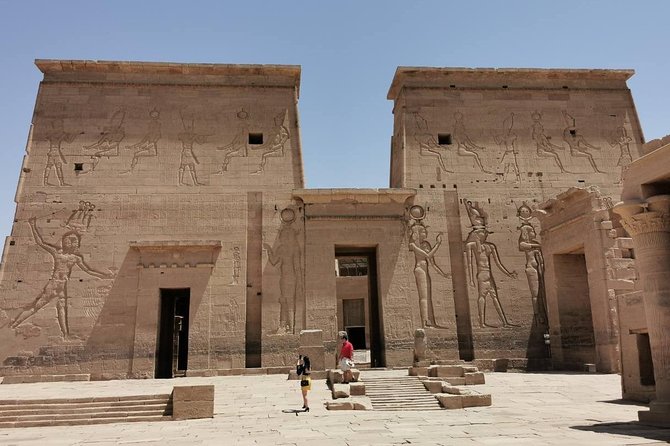
- Philae Temple: temple first, then you slow down
- Nile River time: get the water rhythm
- Day 2: Kom Ombo Temple, Edfu Temple, and a Galabya Party Night
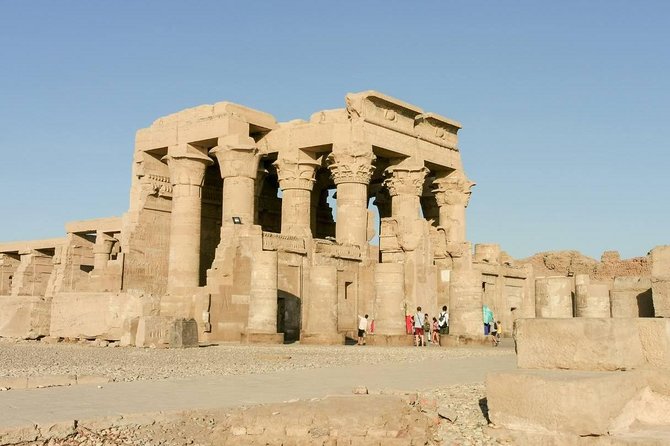
- Kom Ombo Temple: two gods, one temple layout
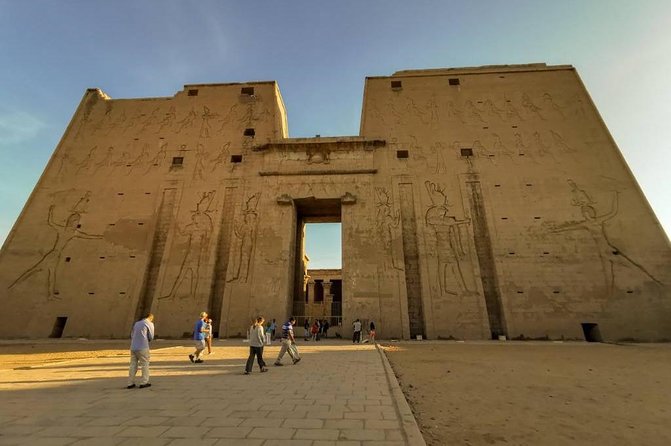
- Edfu Temple: the Horus hit
- Day 3: Valley of the Kings, Hatshepsut, and the Colossi of Memnon
- Valley of the Kings: tombs where time feels slow
- Deir el Bahari: Hatshepsut’s temple with command presence
- Colossi of Memnon: stop short, leave with a strong image
- Day 4: Karnak and Luxor Temple, Finished by Noon
- Karnak Temple: the big one
- Luxor Temple: close the loop
- Price and Logistics: Is $830 Worth It?
- Guide Quality and Ship Reality Checks (So You Can Relax)
- Practical Tips to Get More From Every Temple
- Who This Tour Fits Best
- Should You Book This Aswan to Luxor Nile Cruise?
- FAQ
- What time does the tour start in Aswan?
- Where does pickup happen?
- Are entrance fees included for the sites visited?
- Are meals included during the cruise?
- Do I have to share the tour with other people?
- When does the tour end and where will I be transferred?
- What about tipping and optional activities?
Key things to know before you go
- Pickup handled in Aswan from station, airport, or hotel
- Private A/C vehicle transfers means no crowded taxi math
- Egyptologist guide included for every major temple stop
- Felucca time in Aswan for the classic Nile feeling
- Meals and entry fees are built in so the day-to-day cost stays predictable
- Finish by noon on Day 4 with transfer to Luxor airport or your hotel
Aswan to Luxor Without the Usual Headaches
This tour is designed for people who want the Nile route but don’t want to deal with the usual friction. You get a private, air-conditioned vehicle transfer in Egypt’s heat, and you’re not bouncing between tickets desks and random meeting points. Starting at 8:30am in Aswan helps too—early starts are the difference between temples that feel peaceful and temples that feel like a checkout line.
You’re also getting a guide who’s there to explain what you’re actually looking at. Egypt works best when someone points out the “why” behind the “wow.” That’s especially true across this route, where each stop has its own political story, religious purpose, and artistic style.
You can also read our reviews of more tours and experiences in Aswan.

What “Luxury” Looks Like Here (and what it doesn’t)
Price is $830 per person for about 4 days and 3 nights. The value angle is that you’re not only paying for the cruise ride—you’re also paying for the stuff that’s usually a headache to assemble yourself:
- Entrance fees for each listed sight
- Private Egyptologist guide
- Private A/C transfers between key points
- Accommodation and meals on board (3 breakfasts, 3 lunches, 3 dinners are included)
That matters because temples in Egypt aren’t a single ticket and a quick walk. With entry fees handled, you can focus on timing, photos, and pacing.
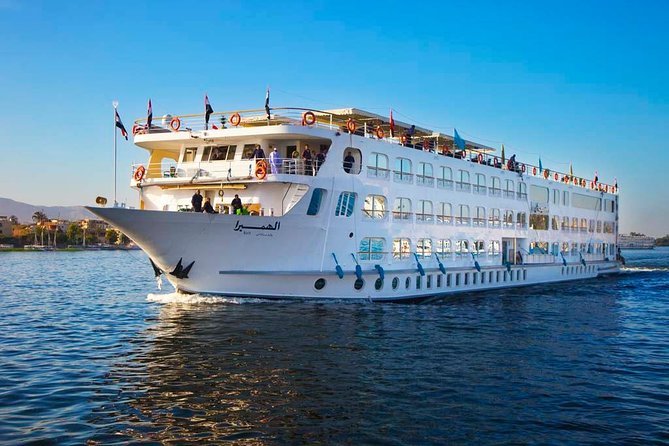
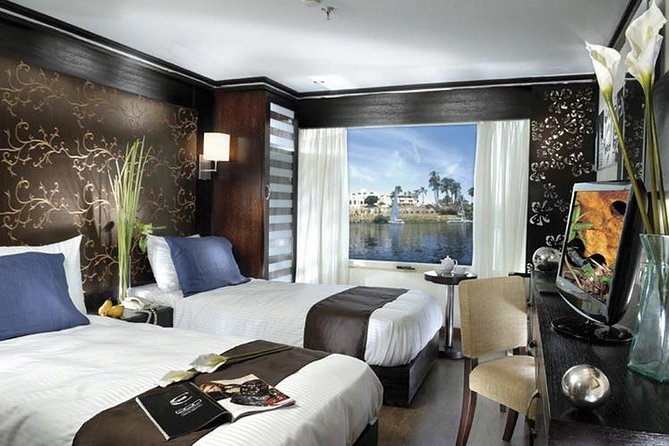
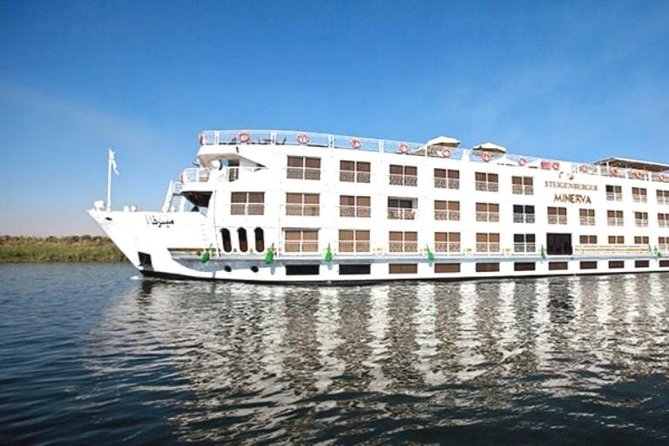
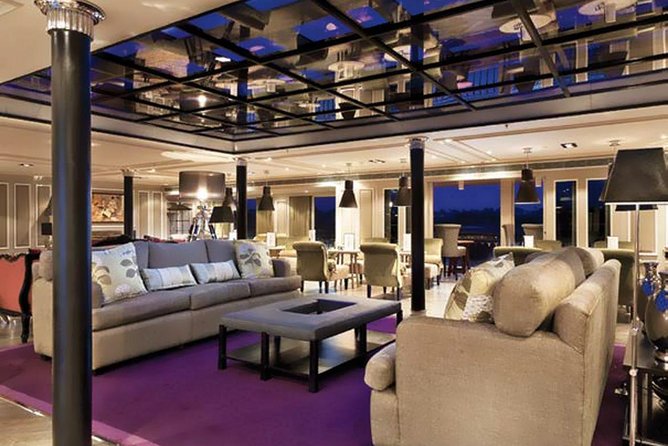
Here’s the realistic note: this doesn’t guarantee every cabin feature or ship standard will match your personal definition of luxury. One comment complained about cleanliness on a named Nile boat, and another praised a different ship as comfortable with updated furniture and spacious rooms. So treat this as luxury-by-inclusions and overall experience, not a promise that every boat will be perfect.
Day 1: High Dam, Philae Temple, and a Felucca Break in Aswan
Day 1 is your Aswan warm-up, mixing a modern landmark with some of the most atmospheric temple time on the Nile.
Aswan High Dam: the “why the Nile changed” stop
You start with Aswan High Dam, with pickup from your Aswan train station, airport, or hotel. After you check in and have lunch on board, you visit the High Dam with admission included. This is a smart first stop because it frames the Nile’s modern reality: Egypt’s water management is tied to agriculture, power, and settlement patterns. It’s also a contrast to the ancient temples you’ll see right after.
Philae Temple: temple first, then you slow down
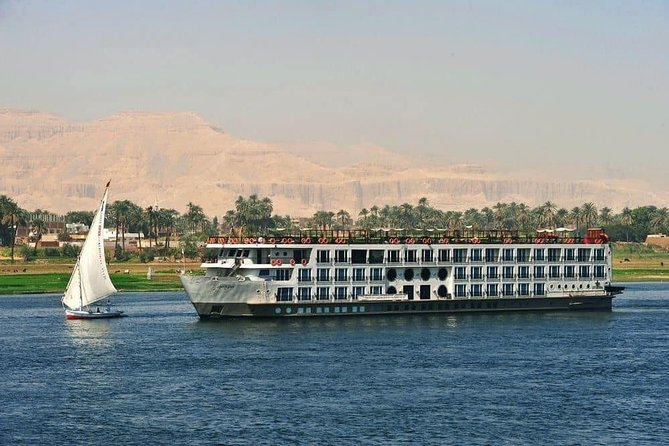
Next is Philae Temple. You’ll visit the temple and then enjoy a felucca ride on the Nile. That combo is more than a photo moment. Philae sits in a place that feels like it belongs on a postcard, and the boat ride gives you a break from walking—plus you’re on the water in the light when the river looks its best.
Dinner is on board, then you overnight in Aswan.
Nile River time: get the water rhythm
The day ends with sailing time on the Nile River in Aswan. This helps the cruise feel like more than a hotel with views. It’s also a good moment to reset after a full day of transfers and temples.
Potential drawback to consider: Day 1 is packed. If you’re arriving from long travel, plan for an early bedtime. You’ll get more out of the next days if your energy holds.
Day 2: Kom Ombo Temple, Edfu Temple, and a Galabya Party Night
Day 2 is where the cruise starts to feel like a journey, not just a list of stops.
Kom Ombo Temple: two gods, one temple layout
After breakfast on board, you sail to Kom Ombo and visit Kom Ombo Temple. This site is famous for its dual dedication—so it can feel like two temples sharing a wall. With an Egyptologist guide, that detail is easier to catch because you’ll understand why the iconography is arranged the way it is.
After Kom Ombo, you continue sailing to Edfu.
Edfu Temple: the Horus hit
Lunch is on board, then you visit Edfu Temple, dedicated to Temple of Horus. This is a strong stop if you like temple architecture and reliefs. The guide’s storytelling matters here because Edfu isn’t just old stone—it’s a coherent religious statement from its time.
Afterward, you sail onward to Luxor. You’ll also have tea time and a Galabya Party night with overnight included.
What this means for you: That tea and dress-up element (galabya party) is a nice change of pace. It breaks the rhythm of temples and gives you a chance to enjoy the cruise socially, even if you’re not the type who usually joins group activities.
Day 3: Valley of the Kings, Hatshepsut, and the Colossi of Memnon
Day 3 goes for the iconic trio—tombs, a queen’s temple, and two famous statues.
Valley of the Kings: tombs where time feels slow
After breakfast on board, you visit the Valley of the Kings. You’ll have about 2 hours here. With an Egyptologist, you can focus on the purpose of the valley and the logic behind tomb placement, rather than just following the crowds from one painted wall to another.
This stop is also weather-sensitive in how you experience it. If the sun is strong, you’ll want water and a sun plan. If it’s cooler, you’ll move slower and take better photos.
Deir el Bahari: Hatshepsut’s temple with command presence
Next is Temple of Hatshepsut at Deir el Bahari, about 1 hour 30 minutes. This temple always works because it combines scale and composition. Hatshepsut’s story matters too, and a good guide helps you see why this temple is not just pretty—it’s political messaging carved in stone.
Colossi of Memnon: stop short, leave with a strong image
Then comes Colossi of Memnon, with about 30 minutes. This is a short visit by design, and it works best if you treat it like a “signature photo and orientation” stop. The sheer size hits fast, and then you head back to the Nile cruise.
Tradeoff to consider: Day 3 is emotionally intense. Tombs and royal monuments can stack up. If you’re prone to museum burnout, bring something to keep you grounded—music, a notebook, or simply a moment of quiet between sites.
Day 4: Karnak and Luxor Temple, Finished by Noon
Day 4 is built for a final monument sweep—then you’re off to your next step.
Karnak Temple: the big one
After breakfast, you visit Karnak Temple for about 2 hours with admission included. Karnak can feel overwhelming if you don’t have a guide to help you pick what matters. Here, that guide role is valuable: you’ll learn how to read the temple complex instead of walking it like a maze.
Luxor Temple: close the loop
Then it’s Luxor Temple, finishing with time to explore and wrap up the experience. Your service ends by 12 noon, and you’ll transfer to Luxor Airport or your Luxor hotel.
Why noon matters: It gives you options the same day—lunch, shopping, or a short self-guided stroll—depending on your schedule. It also reduces the “one last day of suffering” feeling that some Nile tours create.
Price and Logistics: Is $830 Worth It?
For a first-time Aswan-to-Luxor trip, $830 can be fair value because so much is included. You’re not just buying boat rides. You’re paying for:
- Private A/C transfers between major points
- An Egyptologist guide across all key sites
- Entrance fees to every included attraction
- Accommodation plus meals for the full run
If you tried to build this yourself, you’d quickly spend money on separate transportation, guides, and entry tickets. The savings aren’t always obvious until you price each piece.
That said, luxury should mean consistent quality. Based on feedback patterns you can’t ignore, I’d treat the “luxury” label as a baseline—then verify the specifics that affect comfort:
- the exact ship name and condition
- cabin details
- guide approach and communication style
Guide Quality and Ship Reality Checks (So You Can Relax)
Two themes show up strongly in the experience reports you’ll want to learn from.
First: the guide can make or break the history experience. One review criticized guide storytelling and history knowledge, saying the information felt weaker than expected. Another praised a guide by name—Ashraf Elbadry—as accommodating, especially for a traveler with a bad knee. There’s also mention of a Japanese guide named Mohammed Taison, described as attentive and helpful with photography.
Second: ship standards can vary. One person reported a specific cruise option being dirty and falling short of their expectations. Another praised comfort, clean rooms, and good food.
So here’s the practical move: before you pay, confirm the exact boat name and cabin type you’re assigned. If your comfort needs are specific (mobility, quiet room preference, etc.), tell the provider early. With a good guide match, the schedule becomes an advantage instead of a treadmill.
Practical Tips to Get More From Every Temple
Temple days run on light, shoes, and patience. A few practical habits help you enjoy this route more:
- Start strong, slow down intentionally. Karnak and Valley of the Kings can blur together if you don’t pause between stops.
- Hydrate like it’s part of the itinerary. You’ll be outside a lot, and you’re moving between river and monuments.
- Use the guide time for photos and context. Ask for the one or two details that make a relief or doorway meaningful, then take your pictures with purpose.
- Plan for an active Day 1. Aswan High Dam plus Philae Temple plus felucca plus sailing time means you should pack for warmth and sun.
- If you have mobility concerns, mention them up front. One guide was specifically praised for working with a bad knee, which suggests flexibility is possible.
Also, if you’re the type who likes to travel with fewer surprises, pay attention to the fact that this tour includes mobile ticketing. It’s a small detail, but it tends to reduce the “where is my paper?” stress.
Who This Tour Fits Best
This Nile cruise is a good fit if you want:
- a guided, structured Aswan-to-Luxor route
- private transfers in an air-conditioned vehicle
- major sights covered in a tight timeline without you coordinating everything
- meals and entry fees handled so your budget stays calmer
If you’re the kind of traveler who likes total independence, you might find the structure limiting. But for first-timers—or anyone who wants to hit the highlights without logistical chores—this is built for you.
Should You Book This Aswan to Luxor Nile Cruise?
I’d book it if you want a smooth, guided overview of the Nile classics with included entry fees and meals. The itinerary hits the core monuments people travel for: Aswan High Dam, Philae, Kom Ombo, Edfu, Valley of the Kings, Hatshepsut, Colossi of Memnon, Karnak, and Luxor Temple—then it ends cleanly by noon on Day 4.
I’d pause and verify details first if you’re picky about ship condition or you care deeply about guide storytelling style. The positive feedback is strong enough to be hopeful, and the mixed comments are enough to justify a quick check of the exact boat and guide plan.
If you’re traveling with a parent or someone with mobility limits, this is also one of those trips where a helpful, accommodating guide can change everything. Bring those needs to the provider early, and you’ll stack the odds in your favor.
FAQ
What time does the tour start in Aswan?
The start time is 8:30am.
Where does pickup happen?
Pickup is available in Aswan from the train station, airport, or hotel.
Are entrance fees included for the sites visited?
Yes. Entrance fees to all mentioned sights are included.
Are meals included during the cruise?
Yes. Breakfast (3), Lunch (3), and Dinner (3) are included.
Do I have to share the tour with other people?
This is listed as a private tour/activity, so only your group will participate.
When does the tour end and where will I be transferred?
The service finishes by 12 noon on Day 4, and staff will transfer you to Luxor Airport or your Luxor hotel.
What about tipping and optional activities?
Gratuities (tipping) and optional activities are not included, and personal expenses are also not included.