REVIEW · MOSHI
8-Day Essence of Tanzania Safari – Luxury
Book on Viator →Operated by Gosheni Safaris (T) Limited · Bookable on Viator
Want a safari with real variety? This one hits four top northern parks plus Lake Eyasi. I love the private, guide-led pace and the way the route strings together elephants, tree-climbing lions, big cats, and a crater day that feels like a natural amphitheater. I also like the value angle: park fees and most meals are included for $6,785 per person, not just the driving. One thing to plan for: days are long and you’ll do a lot of time in the safari vehicle, so bring patience (and snacks for yourself, since only the stated meals are included).
From Kilimanjaro International Airport, you transfer into Arusha, then you start working north with smart stops and well-timed game drives. In the field, guides like Jovin Mbasa, Edward Masaki, and Andrew Steven show up in feedback for strong spotting and a knack for explaining what you’re seeing—useful if this is your first Tanzanian safari.
In This Review
- Key Things I’d Prioritize on This Safari
- What This Luxury Tanzania Route Gets You In 8 Days
- Arrival in Arusha (After Landing Near Kilimanjaro)
- Tarangire National Park: Elephants, Birds, and a Quieter Safari Feel
- Lake Manyara: Tree-Climbing Lions and 400+ Bird Species Day
- Serengeti via Olduvai Gorge: Big Cats, Lion Density, and Sundowner Time
- Ngorongoro Conservation Area: Maasai Village Visit and Crater Country Setup
- Ngorongoro Crater and Lake Magadi: The Volcano Bowl With Hippos and Flamingos
- Lake Eyasi Hadzabe Bushmen Hunting Experience: A Different Kind of Safari Morning
- Price and Value: What $6,785 Covers (and What You Still Handle)
- Guides and Spotting: Why People Keep Naming Jovin Mbasa and Edward Masaki
- What the Daily Timing Feels Like (So You’re Not Surprised)
- Who This Safari Fits Best (And Who Might Want Something Else)
- Should You Book This 8-Day Luxury Tanzania Safari?
- FAQ
- Where does the tour start?
- Which national parks and areas are included?
- What’s included in the price?
- Is pickup included?
- Are tips included?
- What kind of group is this?
- Do I need good weather for this to run?
Key Things I’d Prioritize on This Safari
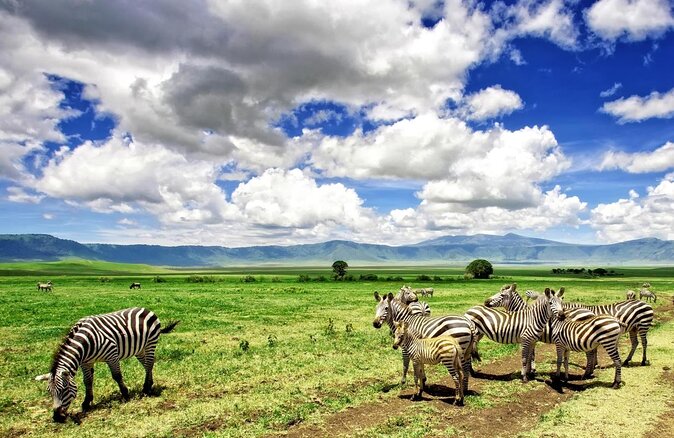
- Four parks in eight days so you’re not stuck doing only one ecosystem
- Serengeti timing with a sundowner moment planned in, not just early starts
- Ngorongoro crater focus plus Lake Magadi bird and hippo time
- Birding and elephants at Tarangire in a quieter-feeling park
- Lake Manyara’s tree-climbing lions alongside 400+ recorded bird species
- Lake Eyasi bushmen hunting experience for a different kind of safari day
What This Luxury Tanzania Route Gets You In 8 Days
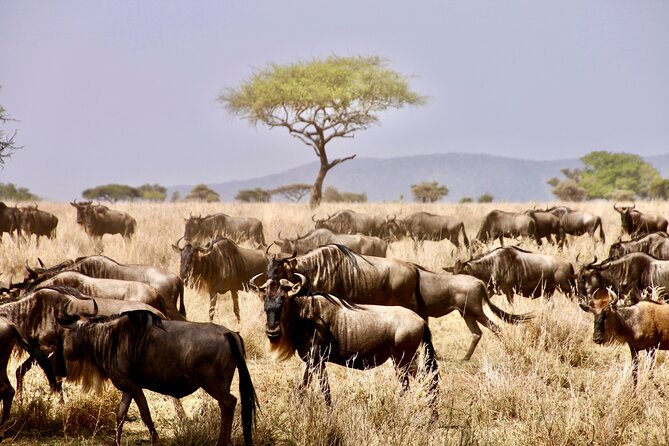
This safari is built for people who want the classic northern circuit, but without the usual “only one park feels real” problem. You move through Tarangire, Lake Manyara, Serengeti, Ngorongoro, and then end at Lake Eyasi. That gives you a full range: open plains, forest edges, crater country, and human culture around the Eyasi ecosystem.
It’s also marketed as luxury, and you can feel that in the rhythm: lodges and camps bookend your days, with dinners and breakfasts arranged so you’re not scrambling. You’ll get a professional driver/guide, plus the driver handles the driving while you focus on wildlife and photos.
The best part for your enjoyment is the balance between game drives and built-in culture and scenery moments (Olduvai Gorge on the way into Serengeti, Maasai village visit near Ngorongoro, and Hadzabe bushmen hunting experience at Lake Eyasi).
You can also read our reviews of more tours and experiences in Moshi.
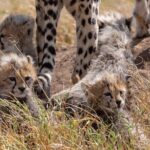
Arrival in Arusha (After Landing Near Kilimanjaro)
You meet your guide after you land at Kilimanjaro International Airport, then you transfer to a hotel in Arusha for your first overnight. Arusha sits at the base of volcanic Mt. Meru and works as the gateway town for safari logistics in northern Tanzania.
This first day is light on purpose. You’re not jumping straight into long drives and game viewing the moment you land, which matters if your flight timing has you tired or jet-lagged. It’s also a good day to get your head in the right place: hot weather, different rhythms, and the reality that wildlife days are measured in hours, not minutes.
Practical tip: if you’re a first-timer, use the arrival night to charge devices, organize lens cloths, and confirm you know what to do when you’re called for early mornings.
Tarangire National Park: Elephants, Birds, and a Quieter Safari Feel
On day two you head from Arusha to Tarangire National Park for a full-day game drive. Tarangire is slightly off the main safari route, which is why it often feels calmer than the busiest circuits. If you want that authentic “we’re really in the bush” vibe, this is one of the stops that helps create it.
Tarangire’s big draw is its elephant migration, plus excellent birding. You’re also less likely to feel rushed here, because the park is described as quiet and often skipped by people who do only a short pass through northern parks.
You’ll do a game drive with lunch, then in the evening you drive to your lodge for sunset dinner. That combination matters: sunset dining isn’t just for comfort—it gives you a natural “reset” between long wildlife tracking sessions.
Watch for: Tarangire’s reputation for birds means you’ll want some time when the action is slow. If you focus only on the chance of big cats, you might miss why birdlife is such a highlight here.
Lake Manyara: Tree-Climbing Lions and 400+ Bird Species Day
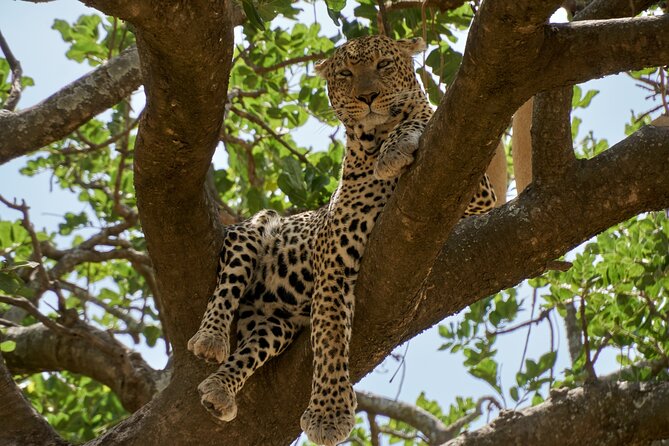
Day three shifts to Lake Manyara National Park. You’ll enjoy a game drive in the park, lunch provided by your guide in the afternoon, then more driving and another lodge night.
Manyara is one of Tanzania’s best “first impression” parks for birdlife. More than 400 bird species are recorded, and the area can be rewarding even for people who are new to birding. Inland of the floodplain, there’s a narrow belt of acacia woodland that’s known for two standout wildlife situations: tree-climbing lions and impressively tusked elephants.
For your photos, this park can be a gift because the action isn’t only about distance. You’re in a setting where animals sometimes appear in unusual places—tree branches, edges of woodland, and the floodplain’s changing light.
One consideration: Manyara can feel busy depending on where sightings concentrate that day. The upside is that it’s still packed with wildlife and birds, even when big-cat moments aren’t instant.
Serengeti via Olduvai Gorge: Big Cats, Lion Density, and Sundowner Time
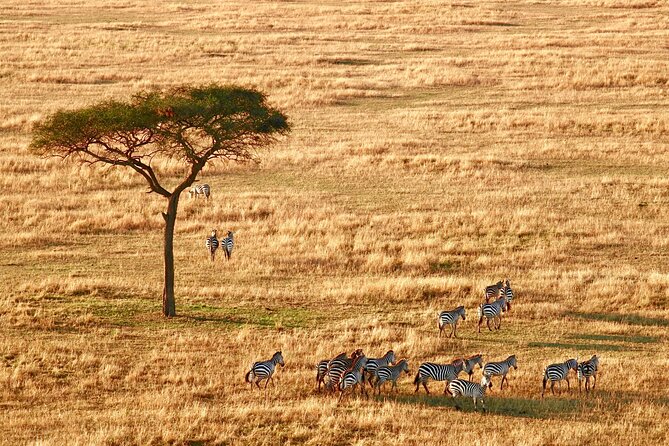
Day four is a longer travel-and-viewing day into Serengeti National Park, with Olduvai Gorge on the route. You’ll have lunch along the way, then continue with a game drive in central Serengeti.
Serengeti is the main event here, and the numbers behind it are part of the reason it’s famous. The ecosystem holds a very strong resident lion population, with more than 3,000 lions cited for the area. Leopards are present too, often linked with regions like Seronera but not limited to one spot.
Day five gives you another full-day game drive in Serengeti, and this is where you get a planned mood shift: your guide prepares sundowner cocktails before heading back for dinner and sleep. That kind of timing makes a difference. It slows the day down long enough for you to actually take it in, not just chase sightings.
What I’d do with this day: set expectations for variety, not a single target. In Serengeti, a “perfect” day might be a mix—lions in one area, something smaller and interesting elsewhere, and then a final dramatic moment near dusk.
Ngorongoro Conservation Area: Maasai Village Visit and Crater Country Setup
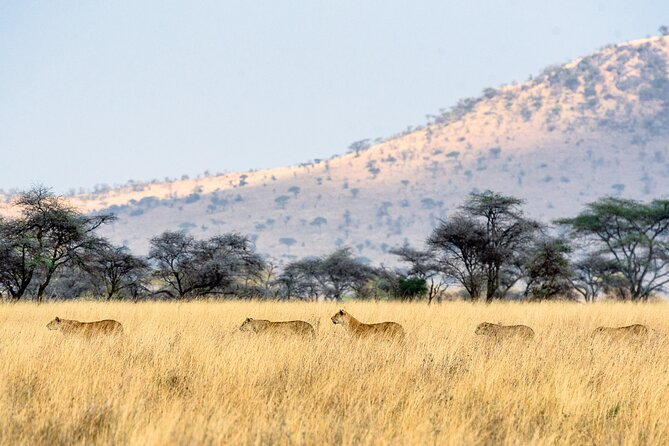
On day six you start with a Serengeti game drive, then you’ll have lunch prepared by your guide. In the late afternoon, you head to Ngorongoro, with a Masai village visit included, then you check into a camp for dinner and overnight.
This is where the trip shifts from “only wildlife” into “wildlife plus people.” The village stop adds context for how local communities live with the land around major conservation areas.
Logistically, it also positions you for the next day’s crater-focused experience. Ngorongoro is the kind of destination where seeing the place matters as much as seeing animals inside it.
A heads-up: crater days tend to be visually intense. Even if wildlife is slow at first, you’ll still have a lot to watch—movement across the crater floor, changing light, and the way the terrain funnels attention.
Ngorongoro Crater and Lake Magadi: The Volcano Bowl With Hippos and Flamingos
Day seven takes you toward the crater area for game viewing, then includes hot lunch in the afternoon. After that, you drive to Lake Eyasi and check into your lodge for dinner and overnight.
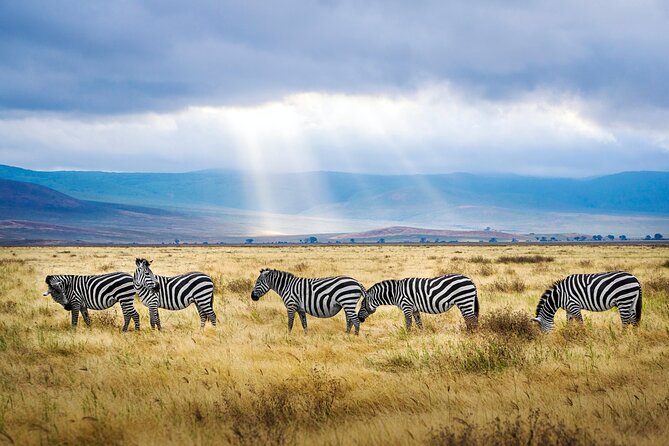
The Ngorongoro Crater is described with specific scale details: about 20 km across, around 600 meters deep, and roughly 300 sq km in area. It’s called the largest unflooded and unbroken caldera, which is a fancy way of saying the “bowl” is intact and dramatic.
You’ll also visit Lake Magadi, a shallow alkaline lake in the crater area. This is where you often find water activity: hippo and flamingos are commonly mentioned, along with other water birds. If you’re a photography person, don’t just aim for the animals—aim for the reflections and the way birds gather around shorelines.
Consideration: conditions can change fast in crater country. Plan for strong sun earlier in the day and cooler air later. Bring layers you can manage without fuss.
Lake Eyasi Hadzabe Bushmen Hunting Experience: A Different Kind of Safari Morning
On day eight you depart early for a hunting experience with bushmen, then return to your lodge for breakfast. After that, you drive back to Arusha with a lunch stop and then transfer to the airport to end the tour.
Lake Eyasi is where the trip gets human again, but in a way that’s tied to the local environment. The Hadzabe bushmen live around Lake Eyasi, and their language is noted for click sounds similar to other bushmen further south in the Kalahari. The information also mentions the Hadzabe population was threatened during Julius Nyerere’s era under the Ujuma policy.
This is not the same kind of “wildlife viewing” as Serengeti. It’s more about understanding survival knowledge and daily life patterns tied to the bush. That makes the morning valuable if you want the safari to be more than a photo checklist.
Practical note: early departures can be hard if you’re not a morning person. Still, this day’s early start is what makes it possible to fit the bushmen experience and then comfortably reach the airport later.
Price and Value: What $6,785 Covers (and What You Still Handle)
At $6,785 per person for eight days, this is positioned as luxury—but the value is easiest to see in what’s included. The tour covers park fees for non-residents, a professional driver/guide, and your meals: breakfast (7), lunch (7), and dinner (6).
That meal count matters because safaris can otherwise become expensive through constant add-ons. Here, you’re not constantly searching for food stops. You also aren’t paying separate park-fee line items once you’re in Tanzania, since those fees are included.
What you still pay for: international flights, any accommodation before or after the tour, and tips. The guideline given is US$10 per person per day. Personal items and visa fees are also not included, so budget for that before you go.
My take: if you want luxury comfort but don’t want to play fee-chess all week, this package looks well-structured. If you’re traveling with tight control over totals, you’ll still need to budget for the items listed as not included.
Guides and Spotting: Why People Keep Naming Jovin Mbasa and Edward Masaki
The quality of a safari guide is the difference between seeing animals and seeing animals well. In the feedback you provided, guide names like Jovin Mbasa and Edward Masaki come up with a consistent theme: strong wildlife spotting and clear explanations about what’s happening in front of you.
Photography also seems to be part of the guiding style. One review highlights a guide with an eye for photography and the ability to position the vehicle for a good shot. Another mentions guides spotting leopard and lion far away and helping guests understand where to look and why.
You’ll feel the benefit in the day-to-day decisions: when to pause, how to read animal movement, and how to keep the group oriented when the bush looks like… just bush. Even if you’re not a hardcore wildlife person, better guidance means less guessing and more time watching.
If you want to maximize the guide effect: ask questions at the start of each day, not just after a sighting. The more you know what you’re looking for, the more you’ll enjoy the slow moments too.
What the Daily Timing Feels Like (So You’re Not Surprised)
This itinerary moves at a safari tempo: game drives fill major chunks of daylight, and lodges/camps handle the evening side of life. Day two includes a sunset dinner at the lodge, day five adds sundowner cocktails, and most nights end with dinner plus overnight stays.
Because the trip covers multiple parks, you’ll also have travel time built into the route. That’s normal, but it’s also why comfort matters and why a professional driver/guide is included.
My advice for comfort: pack for heat and sun, but also for early mornings. You’ll want layers you can adjust fast, and you’ll want a routine for protecting your phone or camera from dust.
Who This Safari Fits Best (And Who Might Want Something Else)
This tour fits best if you:
- Want a luxury northern safari with multiple ecosystems in one trip
- Like the idea of a private experience where your guide can focus on your pace
- Care about wildlife and want culture stops (Maasai village plus Lake Eyasi bushmen experience)
- Want a strong chance of seeing big cats across Serengeti plus crater sightings
It might feel like too much if you want a super-restful vacation with minimal driving time. This is an active route with long days, and the reward comes from patience and staying engaged.
Should You Book This 8-Day Luxury Tanzania Safari?
I’d book this if you want the core northern Tanzania highlights—Tarangire, Manyara, Serengeti, Ngorongoro—and you also want your guide to do more than drive. The included park fees and meals help the $6,785 price feel more “real” rather than mostly added later. And the guide spotting reputation—names like Jovin Mbasa and Edward Masaki—suggests you won’t be left guessing in the vehicle.
I’d think twice if you’re extremely sensitive to long driving days or if your budget can’t handle tips and items not included (visa, flights, personal costs). If that sounds like you, you might consider a shorter route to cut travel time.
FAQ
Where does the tour start?
The tour starts at Kilimanjaro Airport.
Which national parks and areas are included?
You’ll spend time in Tarangire National Park, Lake Manyara National Park, Serengeti National Park, Ngorongoro Crater/Ngorongoro area, and Lake Eyasi.
What’s included in the price?
The price includes park fees for non-residents, a professional driver/guide, and meals: 7 breakfasts, 7 lunches, and 6 dinners.
Is pickup included?
Yes, pickup is offered.
Are tips included?
No. A tipping guideline of US$10 per person per day is provided.
What kind of group is this?
This is a private tour/activity, so only your group participates.
Do I need good weather for this to run?
Yes. The experience requires good weather, and if it’s canceled due to poor weather, you’ll be offered a different date or a full refund.