REVIEW · MOSHI
7-Day Magical Tanzania Safari -Premium High End Package
Book on Viator →Operated by Gosheni Safaris (T) Limited · Bookable on Viator
A luxury safari in Tanzania feels a bit like cheating. You get high-end tented camps, a private driver-guide, and serious game-viewing time across Tarangire, Lake Manyara, Serengeti, and Ngorongoro. It’s the kind of trip where the wild is the main event, but the comfort keeps you focused on it.
I love the walking safaris with an armed ranger at Tarangire and Lake Manyara. You also get practical comfort on game drives: your driver sets up a real table for a hot lunch with soup, bread rolls, fruit salad, and a drink.
One consideration: this is a premium plan, and it moves on a schedule. Expect early starts (hello, 5:00am balloon pickup) and remember the balloon is weather-dependent, so you should stay flexible.
In This Review
- Key highlights worth your attention
- What this premium 7 days really means for you
- From Kilimanjaro Airport to Arusha: a smooth start that buys you energy
- Tarangire National Park: walking with an armed ranger and lunch on a table
- Lake Manyara: birdlife plus a second walking safari day
- Serengeti National Park: migration hunting over two safari days
- 5:00am hot air balloon over Central Serengeti: the trip’s early-morning magic
- Serengeti to Ngorongoro Conservation Area: Big Cats hunting time
- Ngorongoro Crater: full-day crater tour with shaded picnic lunch
- Guides make it real: the names you’ll hear and the style you should expect
- Price and value: what $10,250 buys you (and what it doesn’t)
- Who this safari suits best
- Should you book this 7-Day Magical Tanzania Safari?
- FAQ
- Where does the safari start?
- Which national parks are included?
- Are airport transfers included?
- What meals are included during the safari?
- Is a hot air balloon safari part of the plan?
- Is the tour private?
Key highlights worth your attention
- Private safari time: only your group goes out, with a professional driver-guide driving and guiding each day.
- Walking safari with an armed ranger in Tarangire and Lake Manyara (not just vehicle viewing).
- Hot lunch served table-side during drives: soup, bread rolls, main dish, fruits salad, plus tea/coffee or wine.
- Serengeti migration-focused days with afternoon game drives after long, wildlife-heavy mornings.
- 5:00am Central Serengeti hot air balloon pickup plus breakfast and a champagne-style celebration after landing.
- Ngorongoro crater full-day drive plan with a shaded picnic setup and long crater time.
What this premium 7 days really means for you
This is not the cheapest way to see Tanzania. At $10,250 per person, you’re paying for three things that matter in the bush: time, service level, and logistics handled cleanly.
First, you’re not bouncing around like a backpacker shuttle. You’re based in lodges/tented camps each night and you keep the same style of rhythm—breakfast, safari time, hot meal, more wildlife time, then dinner.
Second, the package leans into comfort in a very specific way. Your driver doesn’t just hand you snacks and hope for the best. During several afternoons, the team sets up a full hot lunch with proper table service. That turns long days into “all day safari” instead of “all day survival.”
Third, you’re getting park-hopping across four major zones: Tarangire, Lake Manyara, Serengeti, and Ngorongoro. That’s a lot to pack into a week. The value comes from not having to plan every transfer and timing detail yourself.
The main tradeoff is pace and cost. If you want maximum spontaneity and lowest price, this isn’t that style.
You can also read our reviews of more tours and experiences in Moshi.
From Kilimanjaro Airport to Arusha: a smooth start that buys you energy
Your day begins at Kilimanjaro International Airport. You’ll have a meet-and-greet and assistance for visa support and luggage, plus welcoming refreshments. Then you’re driven to dinner and an overnight stay in Arusha.
Why I like this setup: it reduces the most stressful part of arriving in a new country—figuring out where to go and what comes next—so you can actually use your first hours of vacation to settle in.
Arusha itself sits below Mount Meru on the edge of the Great Rift Valley and has a temperate climate, which helps after long flights. It’s also close to the parks in this circuit, so the transfers are workable rather than brutal.
If you’re prone to jet lag, this kind of first-day buffer matters more than you think. You land, you eat, you sleep. Then you earn your safari days.
Tarangire National Park: walking with an armed ranger and lunch on a table
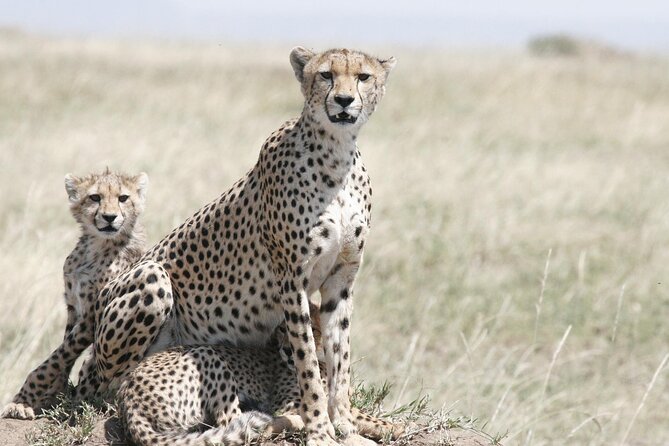
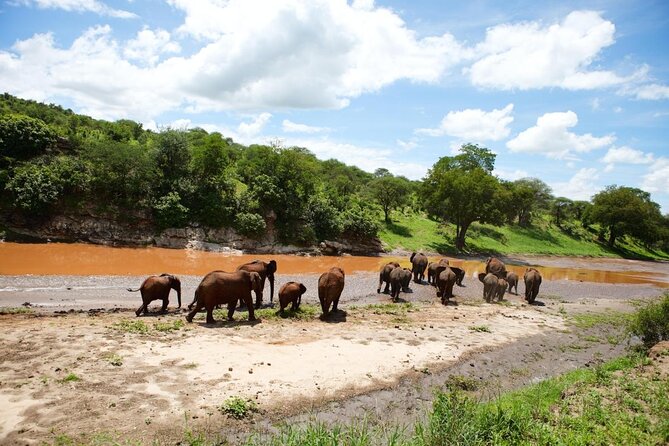
Tarangire is famous for wildlife concentration in the dry season, because the Tarangire River is a permanent water source when other areas dry out. In plain terms: you often don’t have to drive forever to find animals, and the scenery feels varied—open spaces with a river-life focus.
On this trip, you get two modes:
- Morning walking safari in Tarangire, escorted by an armed ranger.
- Afternoon game drive with a long, comfort-forward lunch.
Here’s what makes that walking safari valuable. It’s not about “seeing everything on foot.” It’s about slowing down just enough to notice tracks, birds, and smaller behaviors you miss from the vehicle. And having an armed ranger with you isn’t a small detail—it’s part of how Tanzania handles safety during walking safaris.
For lunch, your driver prepares a full hot meal right in the middle of the day: soup, bread rolls, main dish, fruits salad, and a glass of wine or tea/coffee. That matters because the middle of a safari day is when people start feeling drained. This schedule keeps you functional.
A small practical tip for you: bring a hat and sunscreen anyway. Even with lodge time built in, walking safari hours are still sun hours.
Lake Manyara: birdlife plus a second walking safari day
Lake Manyara is a classic “more than you expected” park. It’s strongly associated with birdlife—more than 400 species have been recorded—and it also delivers good wildlife when conditions line up.
Like Tarangire, you get a morning walking safari escorted by an armed ranger, then an afternoon of game driving. The day continues with the same kind of structured comfort: the driver sets up a hot table lunch again, with soup, bread rolls, main dish, fruits salad, and tea/coffee or wine. After lunch, you keep driving until evening, then enjoy dinner and overnight at your lodge.
What I like about repeating this pattern (vehicle plus walking) is that it gives you balance. You don’t only chase the biggest animals. You also learn the park’s “signals”—where activity is happening, what the birds are doing, and how the habitats change across the day.
A consideration here: walking safaris add a different type of fatigue. You don’t have to be an athlete, but you should be ready to walk in park conditions. Your comfort on that walk depends a lot on your own pace, sun protection, and footwear.
Serengeti National Park: migration hunting over two safari days
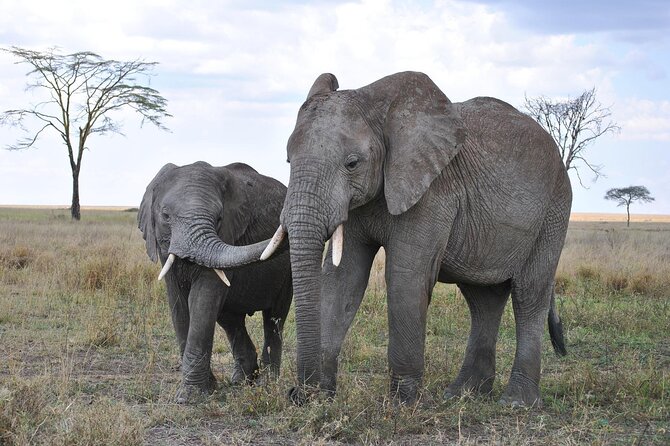
Serengeti is the headline act, and this plan treats it like one. You spend more than one day there, which is the smart move. Wildlife doesn’t show up on command. More hours increase the odds of “wow” moments.
You’re set up for migration chances with a drive pattern that focuses on timing and attention. After breakfast you drive toward Serengeti with the goal of spotting the migration, and later you enjoy another structured hot lunch. One note from the schedule: at lunchtime you may meet other guests from other companies, and the lunch style at that point may be sandwich or cold. The premium service approach is still in place, but this is one of the moments when you might share space with other groups.
In the afternoon, you drive again looking for migration activity.
Then the next day brings a second round of Serengeti game driving after the balloon.
Why two days are a big deal: you’re not limited to one chance. You can read the park better too—how herds move, where predators cluster, and what areas are producing action that day.
If you’re hoping to photograph, plan to keep your camera/phone charged and ready. The schedule has long driving stretches, and sightings can be sudden. When the action is there, you’ll want to be ready.
5:00am hot air balloon over Central Serengeti: the trip’s early-morning magic
On the balloon day, pickup from your lodge is at 5:00am. That’s early enough to make you question your life choices—right up until you’re lifting into the sky.
The schedule includes:
- hot air balloon safari
- landing celebration with champagne-style moments
- breakfast after landing
- then afternoon game drive in the Central Serengeti / Seronera area until lunchtime
- back to the lodge for dinner and overnight
The reason this is such high value is simple: balloon time changes your search game. From above, you can spot animal movement and track patterns faster than you can from a vehicle. Even if the migration feels quiet on a given day, Serengeti still delivers strong wildlife viewing, and the air view often makes you feel like you’re watching a living map.
One practical caution: balloon rides depend on conditions. Your plan specifically says it requires good weather, and if it’s canceled due to weather, you’re offered an alternate date or full refund. So keep this day flexible in your mind, even if your calendar feels locked in.
Serengeti to Ngorongoro Conservation Area: Big Cats hunting time
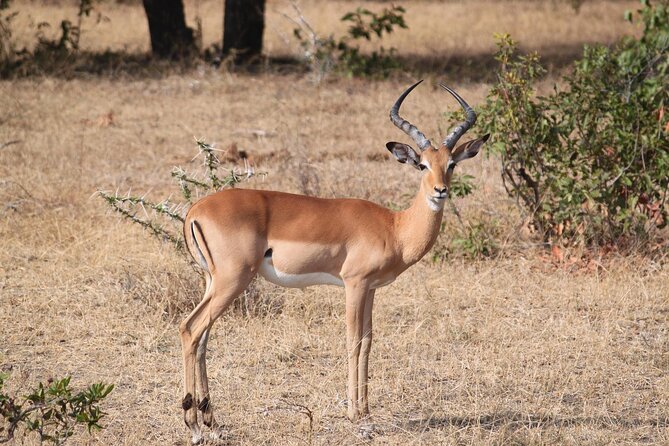
After another breakfast, you shift gears toward the Ngorongoro Conservation Area. The day includes game driving in Central Serengeti with an emphasis on searching for big cats / Big Five, then another hot lunch setup, then late-afternoon drive toward Ngorongoro for dinner and overnight.
This is where the safari starts feeling like a full system. Serengeti is wide and open in its own way; Ngorongoro is different—more compressed, more dramatic, and often more intense because the crater environment concentrates wildlife.
What makes this transition day worthwhile: you’re still hunting in Serengeti first, so you’re not “wasting” the last morning there. Then you arrive at Ngorongoro in time to settle and be ready for the crater day.
Ngorongoro Crater: full-day crater tour with shaded picnic lunch
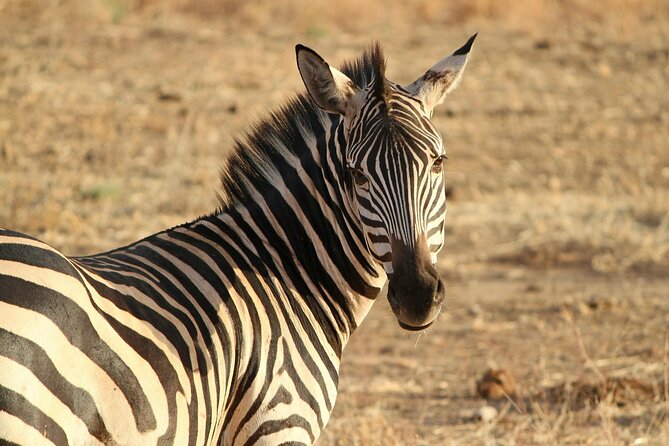
Ngorongoro Crater is the payoff. It’s described as a deep volcanic crater—about 20 km across and 600 m deep—and it’s a major viewing stage in Tanzania.
You get:
- morning game drive in Ngorongoro Crater
- full-day crater tour
- a packed hot lunch prepared under your car shade
- then another game drive until late afternoon
- drive back to Arusha and drop-off at the airport
The schedule also mentions a stop at Lake Magadi during the crater day. That’s a nice touch because it breaks up the crater drive into multiple interest points rather than a single loop.
Why this is a standout day: Ngorongoro often feels like the animals are “closer” in experience. You’re not trying to cover distance as much—you’re scanning and waiting for the crater’s wildlife to reveal itself.
Practical note for you: crater days can feel long. Dress for layers. Even if the air feels warm when you start, temperatures can change as you go.
Guides make it real: the names you’ll hear and the style you should expect
In safari planning, the guide is everything. This package is built around a professional driver-guide, and the guide experience shows up in the details people praise again and again—spotting animals from far away, finding the right viewpoints, and keeping the day feeling smooth.
A handful of guide names that come up strongly include Ombeni, Andrew, Dennis Victor, Omary, Michael, Juma, Roderick, Albert, Calvin Kileo, Zadock, Rahim, Francis, William, and James clh. The common thread in those experiences is the same: sharp eyes, calm driving, and an ability to place you where the sightlines are best.
I also like the operator support angle. People mention help from staff such as Norah (itinerary advice) and Cindy (support during the trip). That matters because safari days run on timing—if something needs adjustment, you want someone who can handle it without making you stress.
The walking safari detail with an armed ranger also signals a safety-first approach on foot, not just on paper.
Price and value: what $10,250 buys you (and what it doesn’t)
Let’s talk value without sugarcoating it.
At $10,250 per person, the included parts are meaningful:
- roundtrip airport transfer
- a professional driver-guide
- park fees
- breakfast/lunch/dinner during most of the days (the package lists 6 breakfasts, 6 lunches, 6 dinners)
- meals are served as hot meals during key drive times, not just snacks
The schedule also includes experiences that cost real money in Tanzania, like the balloon ride being planned on day 5 (you should confirm how it’s packaged), plus multiple parks in one tight circuit.
What’s not included is also clear:
- international flights
- extra accommodation before/after
- tips (a tipping guideline is listed as US$20 per person per day)
- some meals outside what’s specified
- personal items and travel insurance
So is it worth it? If you want a “no logistics headaches” safari with premium comfort and multiple parks done efficiently, the price starts to make sense. If you’re comfortable handling transfers yourself and want the cheapest possible routes, you can spend less. But you’d be trading away the table-side lunch style, the tight planning, and the guided focus.
Who this safari suits best
This is a great fit if:
- you want a private Tanzania safari with your own group
- you enjoy the idea of walking safari days, not just vehicle viewing
- you care about comfort during long driving days (hot lunches and prepared setups)
- you want Serengeti and Ngorongoro in one week without turning it into a frantic travel project
It may not be the best fit if:
- you’re extremely budget-driven
- you hate early mornings (5:00am balloon day is the clearest example)
- you’re hoping for a completely unstructured schedule with spontaneous stops
If you like a guided plan that still leaves room for wildlife surprises, you’ll likely feel at home.
Should you book this 7-Day Magical Tanzania Safari?
My take: book it if you want the classic northern Tanzania safari route done with a premium touch—hot meals in the field, high-end lodges/tented camps, walking safari time, and serious Serengeti + crater focus.
Before you pay, do two quick sanity checks:
- confirm what exactly is included for the hot air balloon (the plan includes it, but you want the package terms clear)
- ask how the company handles weather changes for the balloon day, so you’re not guessing when you’re already in Tanzania
If those boxes are clean for you, this package is a strong choice. You’re paying for the kind of safari where the details are handled, the timing is thought through, and you can spend your energy on the animals and the moments that are hard to recreate.
FAQ
Where does the safari start?
The tour starts at Kilimanjaro Airport. You’ll have a meet-and-greet with assistance for visa and luggage, then be driven to dinner and an overnight stay in Arusha.
Which national parks are included?
The program covers Tarangire National Park, Lake Manyara National Park, Serengeti National Park, and Ngorongoro Crater (within the Ngorongoro Conservation Area).
Are airport transfers included?
Yes. The package includes roundtrip airport transfer.
What meals are included during the safari?
The included list covers 6 breakfasts, 6 lunches, and 6 dinners. Some meals may not be included depending on the day-by-day schedule.
Is a hot air balloon safari part of the plan?
Yes. The schedule includes a hot air balloon safari with pickup from your lodge at 5:00am, followed by landing celebration and breakfast, then continued game drive time. Confirm the exact inclusion details when booking.
Is the tour private?
Yes. It’s a private tour/activity, meaning only your group participates.