REVIEW · MOSHI
10-Day Predators Tanzania Safari Luxury Package
Book on Viator →Operated by Gosheni Safaris (T) Limited · Bookable on Viator
Wildlife here keeps surprising you. This 10-day luxury-style predator safari links the Tarangire, Serengeti, Ngorongoro, and Lake Eyasi areas in a tight loop from the Kilimanjaro side, with a setup that keeps you fed and moving while chasing cats and more. I especially like how lunch is handled in a real, no-rush way with proper hot food, tea/coffee, and even wine, so your game drive time stays productive instead of turning into snack-drama.
The second thing I like is the walking safari with an armed ranger in Tarangire, which adds a grounded, get-your-bearings-fast feel to your predator hunt. The main drawback to consider is simple: you’re in a vehicle for long stretches, and it’s a big-country itinerary, so you’ll want comfortable seats, good hydration habits, and patience for road time.
In This Review
- Key Highlights Worth Paying Attention To
- Kilimanjaro Arrival: A Real Start in Arusha (Not Just Airport Hassles)
- Day 2–3 in Tarangire: Elephants, Predators, and a Walking Safari That Changes Your Perspective
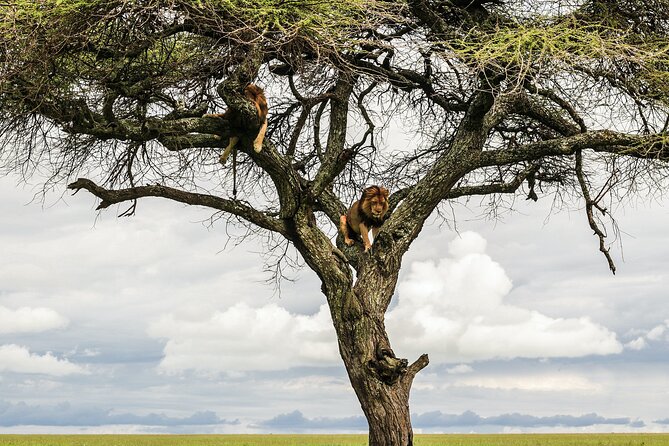
- Day 4 in Manyara: Birding Energy and Lions That Love the Trees
- Days 5–7 in Serengeti (Seronera): Big Cats, Big Numbers, and Migration Timing
- Day 8 Transfer to Ngorongoro: When the View Changes and the Game Tightens
- Day 9 Ngorongoro Crater + Lake Magadi: The World’s Largest Caldera Bowl
- Day 10 Lake Eyasi Cultural Visit: A Short, Focused Stop for Local Life
- What’s Included (and Why That Matters on a Safari)
- Price and Value: $8,074 Per Person, and What You’re Actually Buying
- Guides and Safety: Why the Driver’s Eyes Matter as Much as the Route
- Who This Trip Fits Best (and Who Should Think Twice)
- Should You Book This Luxury Predator Safari?
- FAQ
- Where does the tour start?
- Is this tour private?
- What’s included in the cost?
- What meals are provided on the safari?
- Are park fees included?
- Do I need to pay tips?
- What if the weather is bad?
Key Highlights Worth Paying Attention To
- Full hot lunches at the game-drive stop (not just boxed food), often with wine plus tea/coffee
- Tarangire walking safari escorted by an armed ranger for a different kind of wildlife viewing
- Serengeti Central Seronera focus for predator chances and migration timing
- Ngorongoro crater day with Lake Magadi for flamingos, hippos, and crater-scale wildlife
- Lake Eyasi cultural visit (Datoga and Busmen communities) built into the final day
Kilimanjaro Arrival: A Real Start in Arusha (Not Just Airport Hassles)
Your trip starts at Kilimanjaro Airport, where you get a meet-and-greet and help with visa or passport-control issues if needed. From there, you transfer to Arusha for dinner and an overnight, which matters because it gets you into the safari rhythm without wasting time.
Arusha is the gateway town for northern Tanzania, sitting at the base of Mount Meru. It’s also a good landing point for first-time Tanzania visitors, since you’re not immediately thrown into long drives without context.
You can also read our reviews of more tours and experiences in Moshi.
Day 2–3 in Tarangire: Elephants, Predators, and a Walking Safari That Changes Your Perspective
Tarangire National Park is one of those parks that makes you feel like you found something before the crowd. It sits slightly off the main safari route, and that “quieter” vibe is part of why it’s such a smart choice for a predator-focused itinerary: you’re not spending half your day stuck in traffic or parked among too many cars.
On your first full day, you get a game drive that runs through the morning into afternoon, with lunch prepared at your stop. Tarangire’s signature is elephant movement and dry-season riverbeds, including areas where herds scratch for underground streams, which is one reason the park can feel so alive even when the landscape looks dry.
Day 3 adds a morning walking safari escorted by an armed ranger, which is not a small detail. Walking changes how you read the bush—your attention shifts to tracks, calls, and the smaller signs you’d miss from a vehicle. After that, you return to a classic day-drive format, again with lunch set up for you.
If you care about predator potential, Tarangire also earns its place. You’re in a place where dry-country antelope like oryx and garenuk can show up regularly, and that kind of prey mix is where predator action gets easier to predict.
Day 4 in Manyara: Birding Energy and Lions That Love the Trees
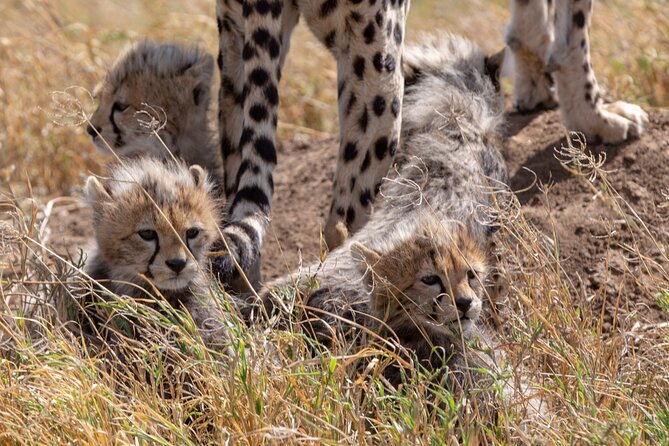
Manyara is a different flavor of safari, and that’s a good thing on a 10-day trip. It’s known for birdlife—over 400 species recorded, with many visitors spotting around 100 species in a day—so even if you’re chasing cats, your eyes will stay busy the whole time.
You’ll do a full day of game drives, with lunch arranged at your stop under shelter from the car. Manyara’s famous tree-climbing lions are part of why the park feels like a mini mystery box: you can never fully assume where things will happen until you’re out there watching.
Manyara’s acacia woodland belt is also where you can pick up elephants moving through and lots of other small “wildlife moments” that don’t make headlines but absolutely make the day feel real.
Days 5–7 in Serengeti (Seronera): Big Cats, Big Numbers, and Migration Timing
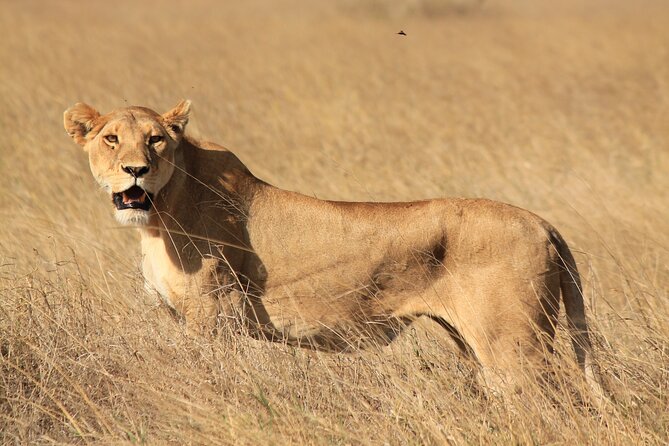
Serengeti is the main event, and this itinerary keeps you in the Central Seronera area for multiple days. That matters because predator sightings often come down to timing, local movement, and where your guide decides to focus your search. Staying in one base area for more than a single day also increases your odds of learning the rhythms of the landscape.
Day 5 transitions you from Tarangire/Manyara into the Serengeti with a game drive and an afternoon/evening schedule that gets you into the camp rhythm. Day 6 is another full day, with time for migration viewing, and you also check in for dinner and overnight.
Day 7 keeps the Serengeti search going with another full day of drives, aimed at big cats and big five chances, before returning late afternoon.
Here’s what I think makes this Serengeti setup work: you have enough days to go beyond one “lucky drive.” In Africa, one day can be amazing and another can feel quiet. With three Serengeti days in the same region, you’re spreading your chance across time instead of betting everything on day five.
You can also take real comfort in the track record of the guides associated with this style of trip. For example, Ombeni has been praised for strong predator-finding and even unusual sightings like a nocturnal porcupine, while guides like Cleopa, Dennis, and William David are described as professional, safe, and fast at turning location decisions into results. In practical terms, that means you’re not just following a map—you’re following someone’s eyes and instincts.
Day 8 Transfer to Ngorongoro: When the View Changes and the Game Tightens
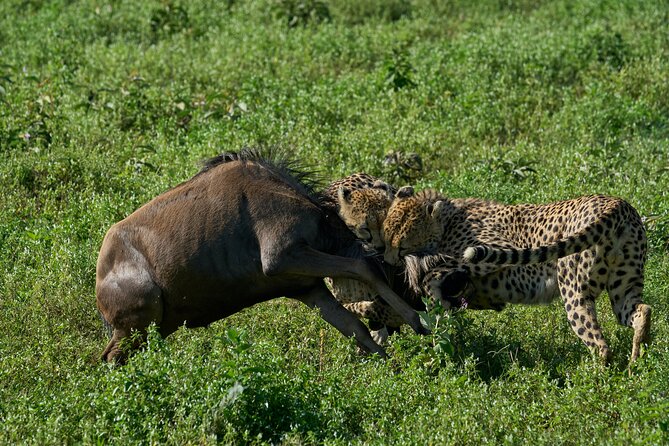
By Day 8, you’re still in safari mode, but the scenery starts to shift toward the Ngorongoro side. Your day is built around a Serengeti drive first, then you head to your camp for dinner and overnight.
This day is less about ticking off another park and more about pacing. It gives you a bridge between ecosystems so the switch to a crater-viewing style of safari doesn’t feel abrupt.
If your priority is predator sightings, this transition day can help you reset energy. You don’t want to arrive at Ngorongoro mentally worn out, because that crater day moves fast and you’ll want your attention sharp.
Day 9 Ngorongoro Crater + Lake Magadi: The World’s Largest Caldera Bowl
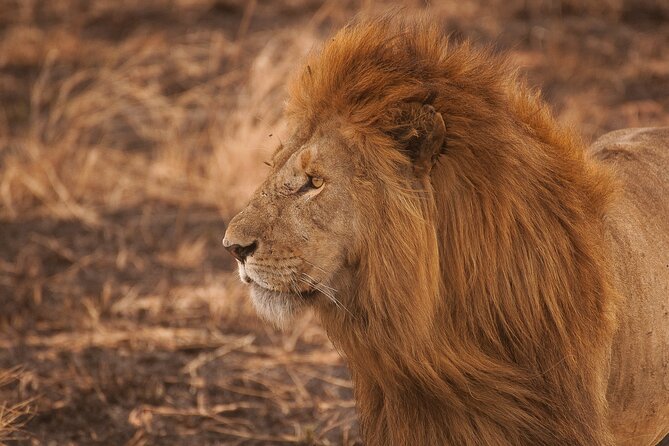
Ngorongoro is why people plan Tanzania trips around the crater. You’ll do a morning game drive inside the crater, followed by a full crater tour.
The provided stats are the kind that make you look up from your notes: it’s about 20 km across, around 600 meters deep, and roughly 300 sq km in area. That scale helps explain why wildlife viewing feels so concentrated—you’re watching an entire system in one enormous bowl.
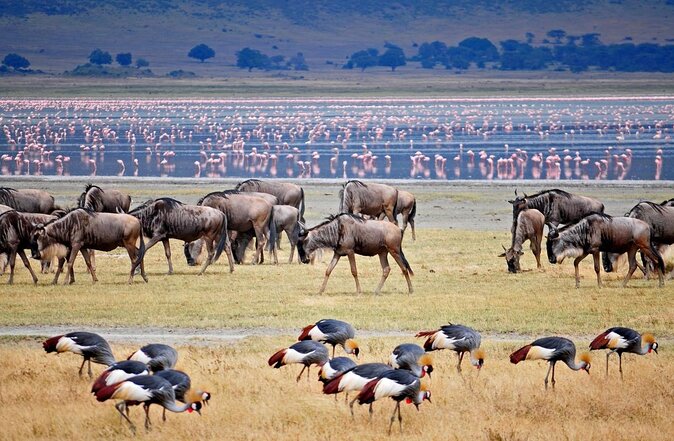
The tour also includes a stop at Lake Magadi in the crater’s south western corner. This is a great add-on if you like variety beyond predators: Lake Magadi is alkaline and shallow, and it’s known for flamingos and other water birds, with hippos often in the mix.
Day 10 Lake Eyasi Cultural Visit: A Short, Focused Stop for Local Life
Your last day starts with breakfast, then you head to Lake Eyasi for a cultural visit. The program includes time with Datoga and Busmen communities, and the itinerary specifies an introduction that covers hunting activities as part of the visit.
This is about a 2-hour visit, and the admission ticket is included. You’ll then return to the lodge for lunch, and after lunch you drive back to Arusha and drop off at the airport.
One practical note: keep your expectations realistic here. A cultural stop is usually time-limited, and it’s designed to introduce you to people and practices rather than replace a dedicated cultural trip. If you go in with curiosity and respect, it tends to land well at the end of an intense safari schedule.
What’s Included (and Why That Matters on a Safari)
This safari includes a lot of the “hidden hassle” that can ruin good value.
You get a professional driver/guide, park fees for non-residents, and all transportation (unless something is marked optional). You’re also covered for meals in a big way: the itinerary includes 10 breakfasts, 9 lunches, and 9 dinners across the trip.
That meal coverage isn’t just about comfort. On safari, food timing can control your day. If lunch is late or slow, your afternoon game drives get shortened. Here, lunch is built in with a proper setup—soups, main dishes, fruit salad, plus tea/coffee, and often wine—so you can keep your schedule intact.
Also, this is set up as a private tour/activity, meaning only your group participates. That’s a real advantage when you want pace control and fewer compromises, especially when wildlife sightings don’t follow a timetable.
Price and Value: $8,074 Per Person, and What You’re Actually Buying
At $8,074 per person for a 10-day safari, the headline price is high. But safari pricing in Tanzania is high for a reason: park access, logistics, vehicles, guides, and meals add up fast—especially when you’re covering multiple major areas rather than repeating one region.
What makes this one feel like a value play is the combination of:
- Park fees and transportation included, so you don’t get surprise add-ons mid-trip
- Multiple parks across the predator circuit, including Tarangire + Serengeti + Ngorongoro
- Meal planning that supports long drive days, which is where many budget safaris quietly lose value
The luxury-style part is less about fancy words and more about execution: lunch stops that are actually set up, plus a service level that’s been described as 5-star-plus during safari days. When you’re spending hours scanning for wildlife, those details make your day feel smoother.
The cost consideration is also straightforward: if you’re the type who hates vehicle time, this route will feel like work. If you’re okay with long days for big sightings, the price starts making more sense quickly.
One item that’s not included: tips. The guideline given is US$10 per person per day, and that’s worth budgeting so it doesn’t become awkward at the end.
Guides and Safety: Why the Driver’s Eyes Matter as Much as the Route
On a predator safari, the route matters, but the search matters more. The guidance you get here has been consistently praised across different named guides—Juma, George, William David, James, Ombeni, Calvin Kileo, Edward Masaki, Cleopa, Dennis, and Samir.
Several reviews highlight a few repeat themes that you can use to choose wisely:
- Safety driving and careful vehicle handling
- Strong wildlife awareness, including identifying animals and birds
- Flexibility when someone in the group isn’t feeling well
- Kid-friendly communication, which can be a bigger deal than people expect
Even something like an open canopy during drives has been noted as a plus, because it helps you see better and get clearer photo angles. If you’re picky about sightings, you’ll appreciate the way a good guide uses position and timing instead of only chasing the loudest rumors.
Who This Trip Fits Best (and Who Should Think Twice)
This experience is a strong fit if you want a classic Tanzania big safari circuit without cutting corners on meal support. It works well for first-time visitors because the itinerary walks you through wildlife variety: Tarangire elephant and dry-country antelope, Manyara birds and possible tree-climbing lion moments, Serengeti predator and migration viewing, and Ngorongoro crater concentration.
It’s also a good choice if you care about guide quality. If your priority is seeing the big five and understanding what you’re looking at, you’ll benefit from a guide who can keep your search active and safe.
It may not fit as well if you’re sensitive to long days in the car. This is a packed itinerary, and you should be comfortable with early starts and road time.
Should You Book This Luxury Predator Safari?
I’d book it if your goal is a serious Tanzania safari circuit with solid meal planning, a Tarangire walking component, and enough time in Serengeti to keep predator odds alive across days.
I’d pause and reconsider if you’re looking for a slow, restful vacation. This is safari-first travel, not a beach-and-spa schedule, and the value depends on you being ready for long game-drive days.
If you want, tell me your travel month and whether you’re prioritizing big cats, birds, or culture. I can suggest the best way to time this itinerary and what to pack so the days feel easier.
FAQ
Where does the tour start?
The tour starts at Kilimanjaro Airport. You’ll get a meet-and-greet and help if you have visa or passport-control issues, then transfer to Arusha.
Is this tour private?
Yes. It’s listed as a private tour/activity, and only your group participates.
What’s included in the cost?
Included items are a professional driver/guide, park fees for non-residents, transportation (unless optional), and meals: 10 breakfasts, 9 lunches, and 9 dinners.
What meals are provided on the safari?
You’ll have breakfast each day (10 breakfasts total), plus lunch and dinner during the safari days (9 lunches and 9 dinners total).
Are park fees included?
Yes. Park fees for non-residents are included.
Do I need to pay tips?
Tips are not included. A tipping guideline of US$10 per person per day is provided.
What if the weather is bad?
The experience requires good weather. If it’s canceled due to poor weather, you’ll be offered a different date or a full refund.