REVIEW · SANTIAGO
Wine wonders at Concha y Toro premium tour
Book on Viator →Operated by Full Tour · Bookable on Viator
Wine and vineyards do a lot with four hours.
This tour is a solid way to get your bearings in Chile’s wine world: a vineyard walk that explains how grapes are grown, plus a guided cellar tasting of three estate wines with practical, sommelier-style tips on how to evaluate what’s in your glass. I also like the pace for a first visit to Concha y Toro—enough time outdoors to enjoy the views, then structured time in the winery so you leave with real learning, not just sipping. One watch-out: depending on the season (I’ve seen winter notes about the vines not being as visible), you may not get the same “grape-on-the-vine” look.
You’ll ride in an air-conditioned van with a small group (up to 10), and the guides really affect the experience. People I read about specifically praised leaders like Leonardo (Léo DiCaprio) and Carla, plus attentive drivers such as Mário—exactly the sort of service that makes a short tour feel smooth. My other mild caution is food: at least some versions seem to focus on the tasting, so if you’re the type who feels better with bites between wines, plan accordingly or ask what’s provided on your day.
In This Review
- Key Things That Make This Concha y Toro Tour Worth Your Time
- Getting to Concha y Toro From Santiago: What the Ride Feels Like
- The Vineyard Walk: Seeing How Chile Grows Grapes
- Concha y Toro Cellar Time: Three Wines and a Real Tasting Lesson
- The Casillero el Diablo Moment: Why the Legend Works on Real People
- Your Take-Home Souvenir: The Personalized Wine Glass
- Price and Value: Does $100 Deliver Real Payoff?
- Who Should Book This Concha y Toro Tour
- FAQ
- FAQ
- How long is the Wine wonders at Concha y Toro premium tour?
- Where does the tour take place?
- What is included in the price?
- Do I get a souvenir?
- Is pickup included?
- What’s the group size limit?
- Are meals included?
- What are the tour hours?
- Can I cancel for a full refund?
- Should I book this tour?
- Should You Book This Concha y Toro Tour?
Key Things That Make This Concha y Toro Tour Worth Your Time
- Small group size (max 10) keeps the pace friendly and the guide’s attention on you, not the whole bus.
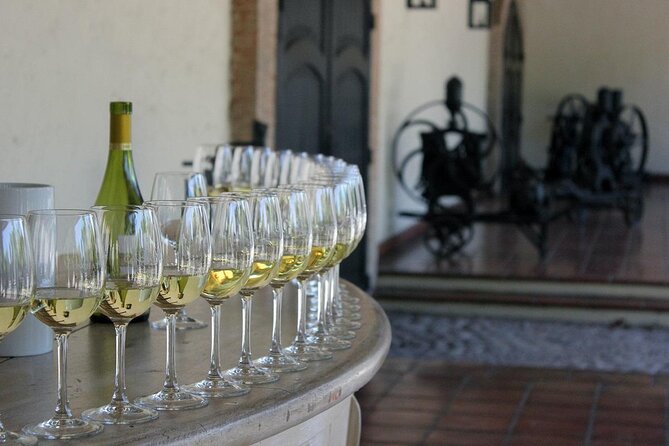
- Three wine tastings on the estate come with instruction, so you learn what to look for, not just what to drink.
- Vineyard walk first, then cellar—an easy way to connect growing grapes to what ends up in the bottle.
- Legend time, including Casillero el Diablo, adds personality to the visit beyond the technical stuff.
- Personalized wine glass souvenir is included, making it a real takeaway, not a generic token.
Getting to Concha y Toro From Santiago: What the Ride Feels Like
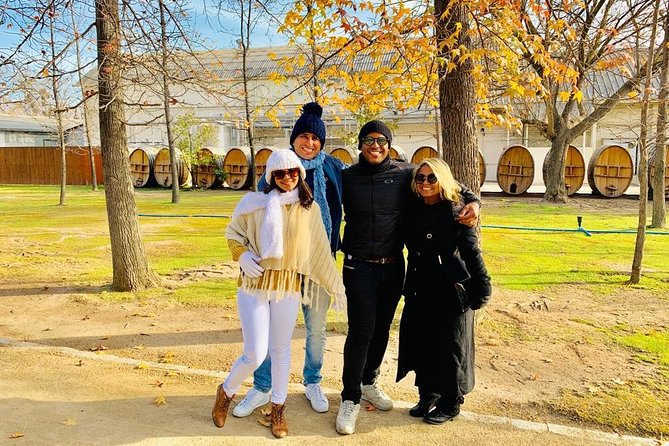
Most people in Santiago want two things on a tour day: easy start times and no stress. This one is built around that. The tour runs Monday through Sunday, with departures in the 8:30 AM to 3:00 PM window, and it’s timed for a half-day experience that doesn’t steal your whole day.
You’ll also get pickup offered and travel in an air-conditioned vehicle, which matters in Chile when the sun is strong and the walk is active. The practical upside of pickup is you don’t have to figure out transport or parking on your wine day. People noted clean, new vehicles and professional drivers, and that shows up in the small things: smooth timing, a comfortable ride, and a guide who seems ready to go instead of rushing at the last minute.
Because the group is capped at 10 travelers, you’re less likely to feel swallowed by a crowd. That’s a big deal in wineries where the physical space can be compact—more people usually means more stopping, more waiting, and less attention when you ask a question. Here, you can actually follow along when the guide is explaining how Chile grows grapes and how the tasting lesson works.
If you’re traveling on a tight schedule, the short duration is part of the value. This is not a full-day “wine safari.” It’s a focused route that tries to teach you something and still let you enjoy the setting outdoors.
You can also read our reviews of more tours and experiences in Santiago.

The Vineyard Walk: Seeing How Chile Grows Grapes

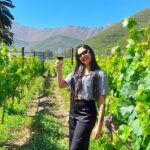
The experience starts outdoors, with a walk through the vines. This is where you get the context that most short wine tours skip. Instead of jumping straight into the cellar, you learn how grapes are grown before you taste anything. That makes the tasting feel more meaningful because you’re connecting the plant in front of you to the wine in your glass.
You’ll also get to take in the natural views around the estate. That’s not just for photos. When you’re walking the vines, it’s easier to understand why certain areas and practices produce certain flavors. Chilean wine is known worldwide for quality, and tours like this help you see why the country puts so much emphasis on viticulture—because the growing stage sets the stage for the final wine style.
One detail to plan for: seasonal changes. In winter, some operations can look different, and I’ve seen notes that grapes might not be as visible depending on vineyard conditions (for example, repairs). So if your personal “must-do” is spotting grapes hanging on the vines, consider that timing can affect what you see. Even when the vineyard looks more muted, the lesson and the walk can still be worthwhile—you’ll still learn how the vines are managed and what you should pay attention to in a tasting.
Also, bring comfortable shoes. The tour includes walking time, and the terrain can be uneven. If you’re prone to blisters, deal with it now—because you’ll want your feet to feel good when the guide starts pointing out details in the vineyard.
Concha y Toro Cellar Time: Three Wines and a Real Tasting Lesson
After the vineyard walk, the tour moves into the winery area for tasting. This part is the heart of the price. You’ll visit the cellar and enjoy three different wines made on the estate, with a guided lesson designed to help you taste like a professional sommelier.
What I like about instruction-based tastings is that they give you a method. Without that, wine tasting can feel like a guessing game. With it, you start tasting with purpose—paying attention to smell, acidity, structure, and balance. You’re not trying to memorize tasting terms. You’re training your senses to notice what’s actually happening in the glass.
The tour also includes storytelling. You’ll hear about the vineyard and its production, plus the famous Casillero el Diablo legend. Even if you’re not a history buff, it’s a good way to make the winery feel human. The legend adds flavor to the visit—pun avoided, but you get the idea.
One practical consideration: food and hydration during tasting. Some experiences include snacks, and some guests noted them. But there’s also at least one complaint that no water was served between wines and that a version they booked felt short on added food. Your best move is simple: drink water before you arrive, and eat a light meal beforehand if you’re worried about feeling hungry. If you’re coming straight from lunch plans, you should still be fine, but don’t assume there will be a full pairing menu.
And if you prefer very technical explanations (fermentation steps, exact production details), know that a short tour can only cover so much. The tour does provide a guided lesson and a tour of the estate process, but if you’re the type who loves deep winemaking mechanics, you may want to ask your guide to focus on the production steps you care about most.
Guides can make this part shine. People highlighted guides like Leonardo (with standout Portuguese skills) and Carla for clear explanations and attention to the group. That kind of coaching is the difference between a tasting you remember and one you forget by the next day.
The Casillero el Diablo Moment: Why the Legend Works on Real People
Casillero el Diablo isn’t just marketing folklore. It’s the kind of story that gives you a mental hook. Instead of treating the cellar visit like a checklist, the legend helps you stay engaged.
Here’s why that matters: wine tours can drift into “facts and glassware.” But a good story turns those facts into something you can recall later. When you leave the winery and you’re standing in a Santiago wine shop, you’re more likely to remember the winery’s identity. You may also start asking better questions, like why certain blends or styles became famous, or what the estate is proud of beyond the bottle.
If you enjoy wine culture and local traditions, this element is especially satisfying. It’s not just a tour of plants and tanks—it’s part of how Chileans talk about wine as part of daily life and regional identity.
Your Take-Home Souvenir: The Personalized Wine Glass
The tour includes a personalized wine glass souvenir. That sounds small, but it’s a practical win. Bottle souvenirs are risky for travel. Glassware is meaningful because it turns the memory into something you can use later.
It also helps you justify booking the tour as a “real experience,” not just a tasting event. If you’re traveling with friends or want something Chile-specific to bring home, the wine glass is an easy, included option.
Just remember you’ll be in a tasting environment for a few hours. If you’re packing carefully, plan for the souvenir right away. Ask the staff how they handle transport or wrap-up so you don’t end up improvising on the spot.
Price and Value: Does $100 Deliver Real Payoff?
At $100 per person, this is not a bargain tasting. But it also isn’t overpriced for what you get—especially if you’re new to Chilean wine and want structure.
Here’s what’s included:
- Three wine tastings with alcoholic beverages
- A guided cellar lesson focused on tasting techniques
- A vineyard walk as part of the learning experience
- Air-conditioned vehicle transport as part of the experience
- A personalized wine glass souvenir
- GST included
What’s not included:
- Lunch
- Private transportation
So the value comes from the combination: transport + guided learning + multiple tastings + a souvenir, all in a tight 4-5 hour window.
If you were to recreate this yourself—getting to the estate, paying for guided tasting separately, and figuring out timing—you’d likely spend more time and probably more money. The math gets especially friendly when you remember this is a small group format, not a huge crowd situation.
One more value signal: it’s booked fairly ahead on average (about 34 days). That suggests it’s popular and sessions can fill. If you know your Santiago dates, don’t wait for the last minute.
Who Should Book This Concha y Toro Tour
This tour is a great match if you:
- Want a first taste of Chile’s wine culture without building an itinerary from scratch
- Like learning in a hands-on way—vineyard walk plus tasting technique
- Prefer small group tours where your questions get answered
- Appreciate winery storytelling, including the Casillero el Diablo legend
It’s also a smart fit if your travel style is “see, learn, taste, move on.” The total time is long enough to feel real, short enough to still enjoy the rest of Santiago the same day.
You might reconsider or add a different tour if:
- You only want scenery with visible grapes; seasonal vineyard conditions can change what you see
- You expect a full food pairing experience with water and bites between every pour
- You’re looking for very deep technical winemaking details in a single session
FAQ
FAQ
How long is the Wine wonders at Concha y Toro premium tour?
It lasts about 4 to 5 hours.
Where does the tour take place?
The tour is in Santiago, Chile at Concha y Toro.
What is included in the price?
The tour price includes 3 wine tastings, an air-conditioned vehicle, and GST.
Do I get a souvenir?
Yes. You take home a personalized wine glass.
Is pickup included?
Pickup is offered.
What’s the group size limit?
The tour has a maximum of 10 travelers.
Are meals included?
No. Lunch is not included.
What are the tour hours?
Tours run Monday–Sunday from 8:30 AM to 3:00 PM.
Can I cancel for a full refund?
Yes. You can cancel up to 24 hours in advance for a full refund.
Should I book this tour?
If you want a short, structured winery experience with three tastings and a guided tasting lesson, this is a good choice—just plan to eat before you go if you prefer having food during the tasting.
Should You Book This Concha y Toro Tour?
Yes, if you want an efficient, well-paced introduction to Chilean wine that mixes outdoors time with a real tasting lesson. The biggest reasons to book are the three estate wine tastings, the guided sommelier-style approach, and the fact it’s organized for small groups so the guide can actually work with you.
If you’re booking for pure vineyard scenery, consider the season. In winter, grape visibility may not match what you imagine. And if you’re the kind of person who likes water and bites between pours, plan ahead by having a light snack before you arrive or ask your guide what’s provided that day.
Book it when you want something practical, memorable, and not too long. Then spend the rest of your Santiago day using the tasting skills you just learned—because the best part of a wine tour is turning curiosity into confidence.