REVIEW · SAN DIEGO
San Diego Whale/Dolphin Watching Cruise Aboard Luxury Vessel
Book on Viator →Operated by Wild Pacific Whale Watch · Bookable on Viator
Sea life, close up, no effort. I love the comfort of the luxury Peregrine and the way onboard naturalists like Melissa turn whale watching into a learn-as-you-go experience. You cruise in air-conditioned comfort with a smooth ride, plus plenty of room to watch from inside or out.
One caveat: the ocean can still get choppy. If you’re prone to motion sickness, plan to take it seriously (some people feel sick even when the boat is designed to be stable), and sitting outside can make a big difference.
For about 3.5 hours from San Diego Bay, this is a good-value way to chase whales without spending your day on a bus. Dolphins can be the stars of the show, but the crew hunts for whales and keeps the search going as conditions allow.
In This Review
- Key Highlights You’ll Actually Feel On the Cruise
- San Diego Whale Watching That Starts at H&M Landing
- Peregrine Comfort: Air-Conditioned Inside and Deck Views Outside
- The Real Itinerary: How the 3.5 Hours Work on the Water
- Whale Chances: What Species Are on the Radar
- How the Naturalists and Captains Make It More Than Just Spotting
- Sea Sickness Reality Check and What Helps
- Drinks and Snacks: What’s Included and What You’ll Need to Plan
- Price and Value: Is $76 a Fair Deal?
- Who This Cruise Fits Best (and Who Might Reconsider)
- Should You Book This San Diego Whale and Dolphin Cruise?
- FAQ
- How long is the San Diego whale and dolphin cruise?
- Where does the tour start and where does it end?
- What animals might you see?
- Is the tour offered in English?
- Is there a restroom on board?
- Are snacks and soft drinks included?
- What’s the maximum group size?
- What happens if the weather is poor?
- Can I cancel for a full refund?
- What if I get sea sick?
Key Highlights You’ll Actually Feel On the Cruise
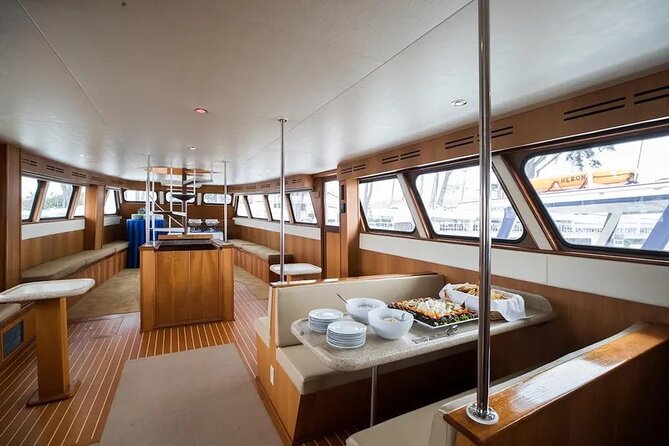
- Peregrine comfort: air-conditioned indoor seating plus spacious outdoor decks for spotting
- Smoother ride by design: industry-leading stabilizers help reduce the punchy feeling of waves
- Naturalist-led narration: expect ongoing wildlife talk from onboard marine biologists
- Real wildlife focus: gray whales, blue whales, humpbacks, dolphins, sea lions, and seabirds are all on the radar
- Smaller feel for the category: maximum of 140 travelers, so you’re not shoulder-to-shoulder everywhere
San Diego Whale Watching That Starts at H&M Landing
This cruise is built around a simple idea: get you from San Diego Bay onto the water fast, then let the ocean do the rest. You start at 2803 Emerson St, San Diego, CA 92106, at H&M Landing, and the trip ends back at the same meeting point. That back-to-basics setup matters because it cuts down the hassle factor on a day that’s really about being outside.
The vessel is set up for easy onboard comfort. There’s a restroom on board, and the ride includes air-conditioned vehicle time, so you’re not left baking before you even hit the open water. The meeting point is also near public transportation, which is a plus if you’d rather not wrestle with parking.
This isn’t a high-intensity hike. The activity asks for moderate physical fitness, which mostly means you should be comfortable moving around the boat and stairs/paths you may encounter.
You can also read our reviews of more tours and experiences in San Diego.



Peregrine Comfort: Air-Conditioned Inside and Deck Views Outside
If you’ve ever done a coastal cruise where you spend half the trip cramped in one spot, you’ll appreciate how this one is laid out. The Peregrine offers climate-controlled indoor seating plus spacious decks so you can switch depending on what you want: narration and shelter indoors, or maximum sightlines outside.
The stabilizers are a big deal on whale trips. Ocean swells are real, and even when you’re not “sick,” constant rolling can wear you down fast. The ship’s stabilizers are designed for a smoother ride, and it shows in how long you can comfortably scan the water for blows, back arcs, and telltale movement.
Here’s the practical tip I’d give you: don’t force yourself to stay in one place. If you start feeling off, move. Some people do better outside on deck, especially if the boat is rocking more than expected.
The Real Itinerary: How the 3.5 Hours Work on the Water
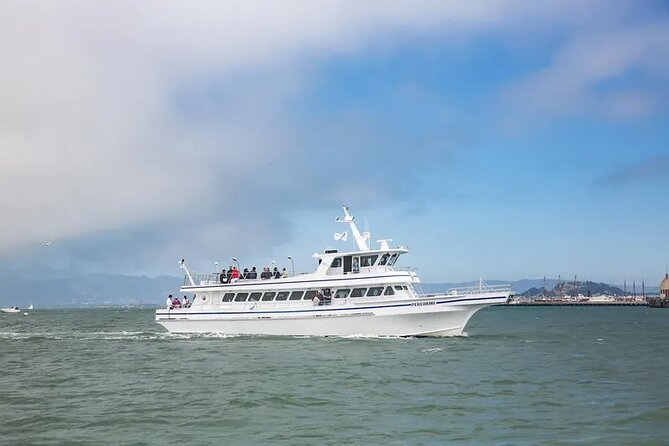
The schedule is straightforward: you step aboard Peregrine for the cruise, head out to the rich waters off Southern California, and spend the afternoon searching for marine wildlife. You’ll have onboard naturalists and an expert crew narrating what you’re seeing—or what you’re looking for next.
Even though there’s one main “stop” (San Diego Bay as your launch point), the experience has phases:
Phase 1: Settling in and scanning. You’re usually focused on familiarizing yourself with the water—where the crew is watching, how sightings get communicated, and what kinds of surfacing marks to look for.
Phase 2: The search pattern. The captain and crew keep working. On successful outings, you’ll get multiple sightings with time to observe behavior up close from the proper distance.
Phase 3: Staying with the action. When the crew finds dolphins or other wildlife, you’re not rushed through it. On some trips, the boat stays with a pod long enough for the behavior to unfold—turning it from a quick “spot and go” into an experience you actually remember.
The narration throughout is part of the value. It’s not just names of animals. You get conservation-focused context and plain explanations that help you connect what you’re seeing to why these animals matter.
Whale Chances: What Species Are on the Radar
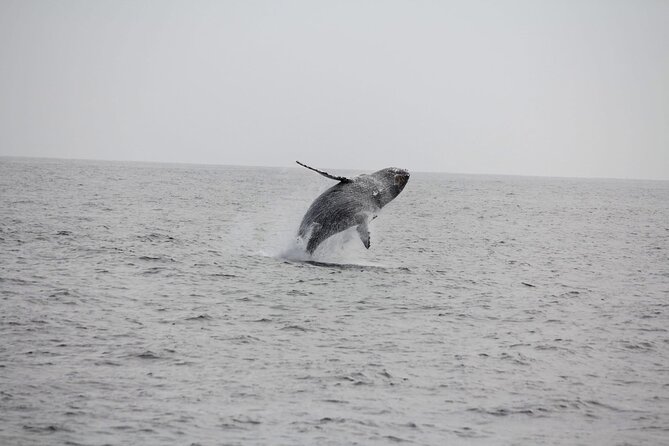
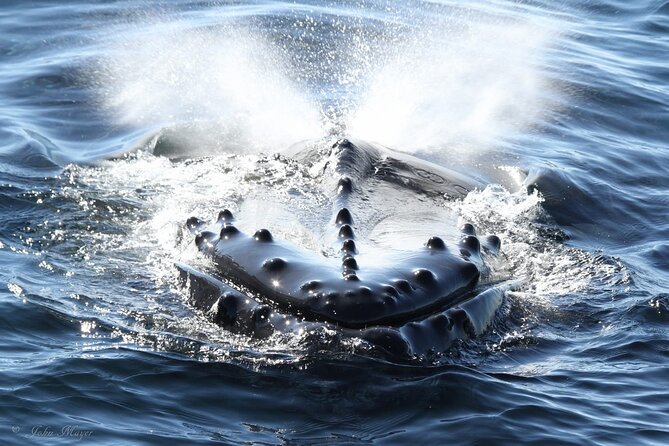
This cruise aims at several big names: gray whales, blue whales, and humpbacks, plus dolphins, sea lions, and seabirds. The important thing to understand is this: whales are wild animals. You’re not guaranteed a whale sighting on any ocean cruise.
So how do you set your expectations? I recommend thinking of it like a two-layer game:
- Layer one (possible): whales like gray and humpbacks, with blue whales also in the mix.
- Layer two (likely): dolphins and other marine life, especially when pods are active and feeding.
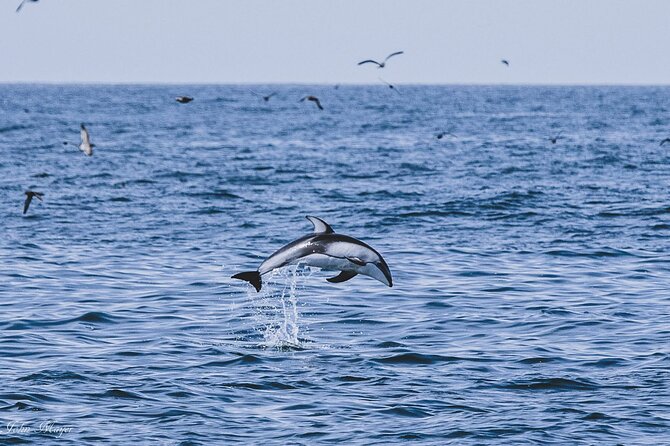
That’s exactly why people describe dolphins as a highlight. Pods can come together fast, move with energy, and give you repeat opportunities to spot them—jumping in the wake or moving along the boat’s path. It’s a better experience if you let dolphins be the win while still hoping for whales.
One more practical note: whales can surface at a distance. You may see blowholes and spouts more than close-up action. When that happens, the crew’s ability to locate animals matters. The Peregrine’s captain and crew are active about searching and positioning so you get a fair chance to see what’s out there.
How the Naturalists and Captains Make It More Than Just Spotting
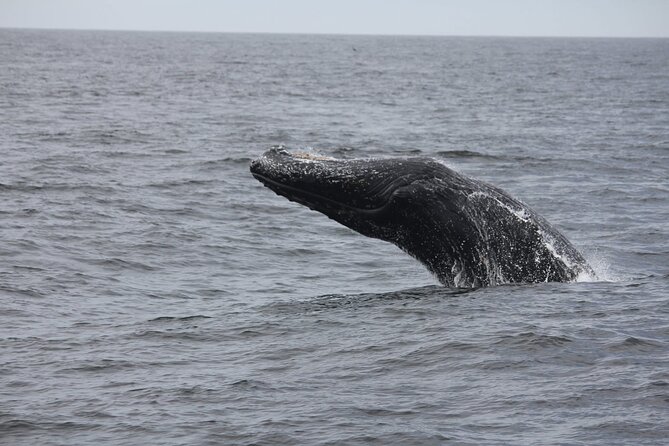
Part of why this cruise gets strong ratings is the human factor: the way the crew communicates and the way the naturalists translate animal behavior into something you can understand.
On past sailings, you’ll hear familiar names connected with the onboard team—people like Melissa as a marine biologist, Captain Quinn, Blake on the crew side, and in other cases captains such as John. Not every trip will have the same staff, but the general approach is the same: they’re paying attention, and they’re explaining what you’re seeing in real time.
Two things I think you’ll value:
- They help you read the water. Once you know what to look for—blows, body angle, movement timing—you spend less time staring and more time actually finding patterns.
- They focus on respect, not chasing. The goal is to watch animals in their habitat, not to pressure them into changing behavior just to make the show work.
That matters for both ethics and experience. When a captain and crew approach sightings responsibly, you’re more likely to have longer, calmer viewing moments.

Sea Sickness Reality Check and What Helps
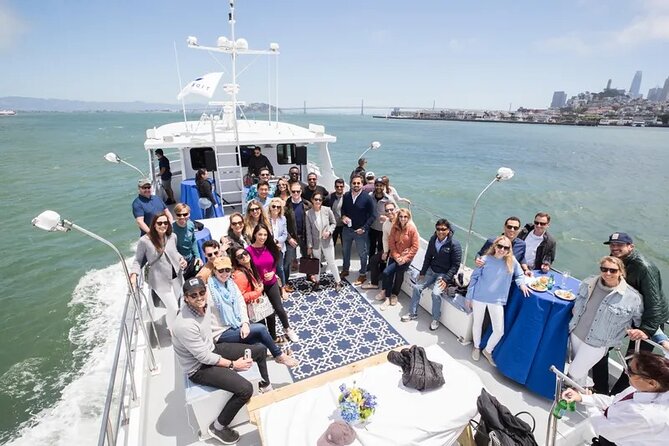
Let’s talk about the thing nobody wants to admit until it happens: motion sickness. The boat is designed to be stable, but the ocean still controls the day. Some departures feel smooth; others can get rough enough that people get sick.
So I’d plan like this:
- If you’re sensitive to motion, bring your own prevention strategy (many visitors use standard motion-sickness medication).
- Choose your seat wisely. If you start feeling off, moving to the outside deck has helped some people more than staying indoors.
- Ask the crew for help if needed. On some trips, the staff has motion-sickness support available for passengers who get uncomfortable.
The good news: even when conditions aren’t perfect, the onboard team tends to stay focused on making sure you still get a chance at sightings, and they’re attentive to anyone who’s not feeling great.
Drinks and Snacks: What’s Included and What You’ll Need to Plan
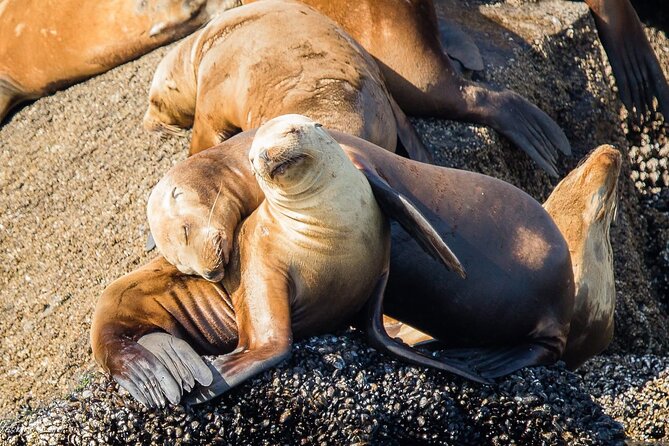
The cruise includes the essentials to keep you comfortable: restroom on board, and the comforts of the air-conditioned setup. What’s not included is the fun stuff you might expect to come with a ticket price—alcoholic beverages, soda/pop, and snacks are listed as not included.
That’s not a dealbreaker, but it changes how you plan. I’d eat before you board so you’re not hungry while you’re trying to focus on spotting blows and fins. If you like to nibble during the trip, you’ll want to plan ahead based on what you expect you can buy onboard.
Price and Value: Is $76 a Fair Deal?
At $76 per person for roughly 3 hours 30 minutes, this price lands in the “serious fun” category. The key for value is what’s included. Your ticket covers things like fuel surcharge, landing and facility fees, and gives you air-conditioned comfort plus a restroom on board. You’re also paying for active wildlife searching and narration by onboard specialists.
A second value point: the cruise size caps at 140 travelers. Whale and dolphin boats can get crowded fast. A smaller maximum helps keep the deck experience more usable.
One more timing note: this type of San Diego cruise is often booked ahead (on average about 25 days in advance). If your trip dates are fixed, booking earlier makes sense.
Bottom line: if you want a comfortable boat, real narration, and the chance to see multiple species, the $76 works better than a cheaper, more cramped alternative.
Who This Cruise Fits Best (and Who Might Reconsider)
This is a strong fit if you:
- want comfortable whale watching rather than a bare-bones boat ride
- like wildlife education as part of the outing (the onboard naturalist narration is a major strength)
- want a mix of chances at whales and dolphins, not just one species
It can be a tough fit if you:
- get motion sickness easily and don’t want to plan around it
- expect whale sightings to be guaranteed every time
A practical bonus: the tour is offered in English, and service animals are allowed. You’ll also have options to switch between indoor and outdoor seating depending on weather and how you feel physically.
Should You Book This San Diego Whale and Dolphin Cruise?
If your goal is an honest shot at wildlife from a comfortable, well-run boat, I think you should book it. The Peregrine setup—air-conditioned comfort, stabilizers, and deck space—makes this feel like a real outing, not a survival test. And even when whales are elusive, dolphins and other marine life can still turn the day into something memorable.
Just go in with a smart mindset:
- Expect dolphins and sea life as the most consistent payoff.
- Hope for gray, blue, and humpback whales, but don’t treat it as a promise.
- If you’re motion-sensitive, plan for it from the start.
FAQ
How long is the San Diego whale and dolphin cruise?
The cruise lasts about 3 hours 30 minutes (approx.).
Where does the tour start and where does it end?
It starts at 2803 Emerson St, San Diego, CA 92106 (H&M Landing) and ends back at the same meeting point.
What animals might you see?
The tour targets gray whales, blue whales, humpbacks, dolphins, sea lions, seabirds, and other wildlife.
Is the tour offered in English?
Yes, it is offered in English.
Is there a restroom on board?
Yes, there is a restroom on board.
Are snacks and soft drinks included?
No. Alcoholic beverages, soda/pop, and snacks are not included.
What’s the maximum group size?
The maximum is 140 travelers.
What happens if the weather is poor?
This experience requires good weather. If it’s canceled due to poor weather, you’ll be offered a different date or a full refund.
Can I cancel for a full refund?
Free cancellation is available. You can cancel up to 24 hours in advance for a full refund.
What if I get sea sick?
The ride is designed to be smoother with stabilizers, but if you’re prone to motion sickness, consider taking prevention and be ready to move to a more comfortable area on deck if needed. Some passengers report the crew helps with motion-sickness remedies.