REVIEW · ROME
Rome Pasta and Tiramisu Making Experience with Premium Wine
Book on Viator →Operated by EC Tours · Bookable on Viator
Piazza Mattei smells like fresh pasta. This half-day class is interesting because you work side-by-side with the chef on pasta dough from scratch and a classic tiramisu layering technique, then you get to eat it right after. I also like the small, friendly setup in the heart of Rome, but one drawback to plan for is that it’s not recommended for people with celiac needs.
You’ll spend about 3 hours in an English-speaking class with a maximum of 12 people, and you’ll return to the same Piazza Mattei meeting point when it’s over. It costs $118.94 per person, and while it’s not the cheapest activity in Rome, the hands-on food, wine, and full tasting at the end are what make it feel like real value.
In This Review
- Key Things I’d Actually Notice Here
- Arriving at Piazza Mattei and Getting Into the Italian Rhythm
- What You’ll Do First: Pasta Dough From Scratch (No Shortcuts)
- Ravioli Crafting: Filling and Folding Without Losing Your Mind
- Tiramisu Time: The Layering Technique That Makes It Work
- The End Tasting and Premium Wine: Eat What You Made
- Price and Timing: Is $118.94 Worth It?
- Logistics That Matter (And Don’t Waste Your Day)
- Dietary Needs: What You Should Know Before You Go
- Who This Rome Cooking Class Fits Best
- Should You Book It? My Practical Take
- FAQ
- How long is the Rome pasta and tiramisu making experience?
- Where do we meet for the class?
- Is hotel pickup included?
- Is the class offered in English?
- What’s the group size?
- What food will we make during the class?
- Is there a tasting at the end?
- Can dietary restrictions be accommodated?
- FAQ
- Is free cancellation available?
- What do I need to bring?
- When will I get confirmation?
Key Things I’d Actually Notice Here
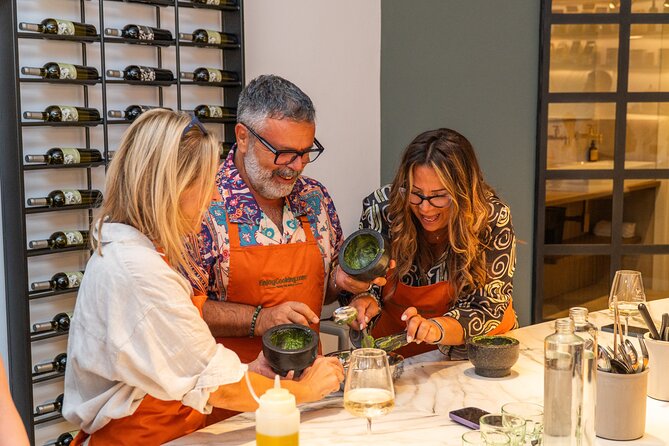
- Chef-led, hands-on pasta dough: you learn the process from dough to shaping, not just watching.
- Two types of handmade pasta: think ribbon-style pasta plus filled ravioli parcels.
- Ravioli folding practice: you build the filling and learn how to seal parcels.
- Classic tiramisu, layered correctly: the recipe is guided step-by-step.
- End-of-class tasting with premium wine: you’ll eat what you made instead of just leaving with recipes.
Arriving at Piazza Mattei and Getting Into the Italian Rhythm
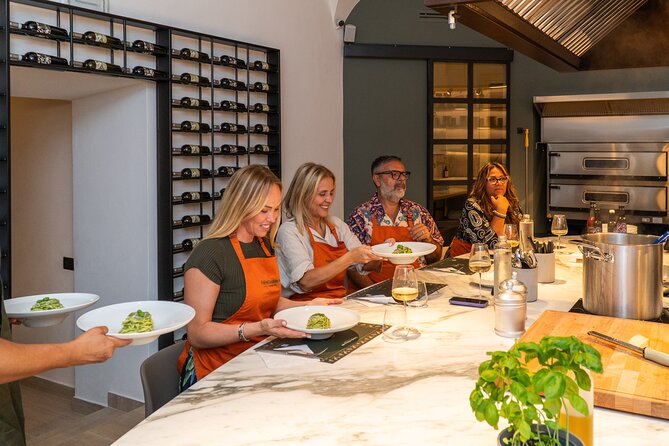
Piazza Mattei is a great place to start because it’s central, lively, and very “real Rome.” Your class meets at Piazza Mattei (00186 Roma RM), and it ends back there, so you’re not dealing with cross-town logistics.
I like that this is a cozy, chef-run venue experience instead of a giant production. The class size is capped at 12, which matters: you get time to ask questions when something feels tricky, like rolling dough thin enough or getting ravioli edges sealed.
You don’t need hotel pickup either. That means you can plan your morning around the class, then go back out on foot afterward without waiting for a bus.
You can also read our reviews of more tours and experiences in Rome.



What You’ll Do First: Pasta Dough From Scratch (No Shortcuts)
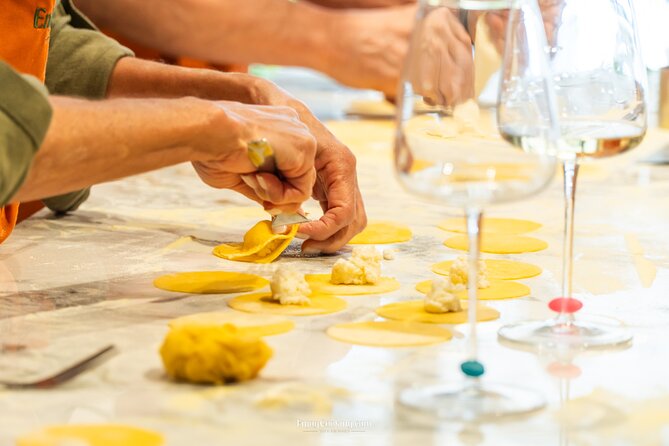
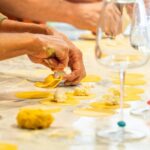
The main focus starts with pasta-making basics, taught like a skill you can repeat later at home. You’ll begin with a detailed demonstration on making dough from scratch, and you’ll learn how the dough should look and feel before it ever hits the rolling stage.
Rolling is where most home cooks get stuck, so I like that you’re taught the “how” of rolling dough to the right thickness. The key is learning that pasta dough isn’t just flour and water—it’s texture control. If you can nail that, everything else gets easier.
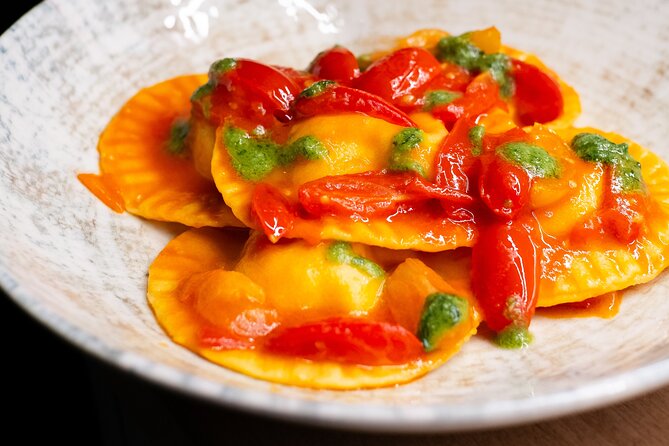
The class is designed around making handmade pasta—typically two types—so you’re not just stuck on one format. In practice, this often means you’ll work with both ribbon-style pasta and filled ravioli, so you get variety without the chaos of too many different techniques.
Ravioli Crafting: Filling and Folding Without Losing Your Mind
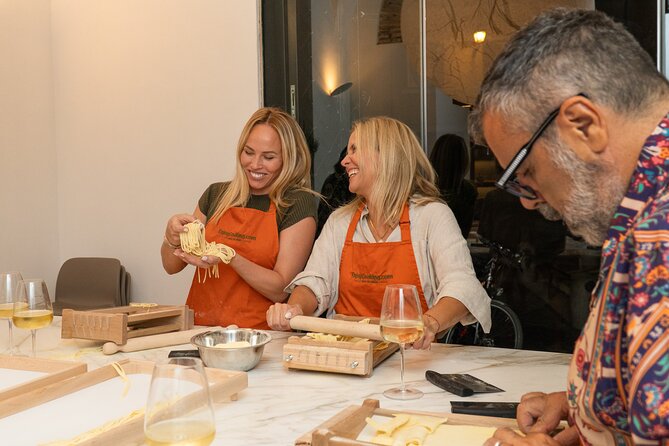
Next comes ravioli. This part matters because it’s not only about the ingredients—it’s about structure. You’ll prepare a traditional ravioli filling and then learn how to shape and fold the parcels so they actually hold together.
Ravioli folding has a learning curve. The good news is you’re guided through it, and you’re given the chance to practice rather than being stuck watching someone else do it perfectly. I also like that the class is built around the idea that you’ll make at least some of the food yourself, not just assemble components.
You’ll also get the practical sense of what makes a good seal. If your edges aren’t pressed properly, the ravioli won’t behave when cooked. If your filling is too wet or overstuffed, it can leak. This is the kind of kitchen troubleshooting you can carry forward into your own cooking.
In sessions with different instructors, the teaching style can vary a bit, but you may work with chefs and assistants such as Alessandro, Jacopo, or Davide, plus support staff like Dana or Sous Sabbir (depending on the day). Either way, the setup is consistently geared toward clear instruction and keeping you moving.
Tiramisu Time: The Layering Technique That Makes It Work
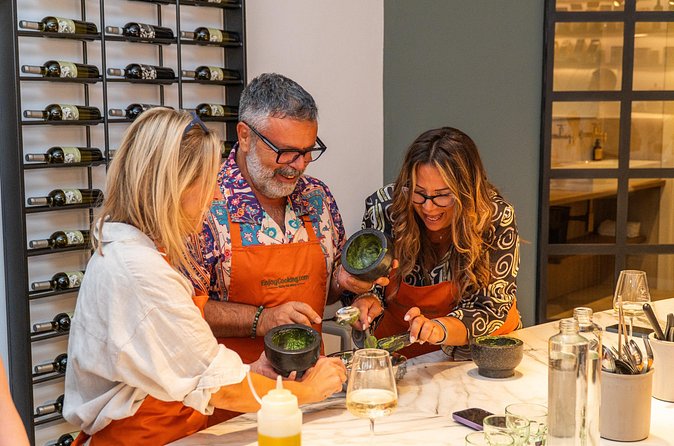
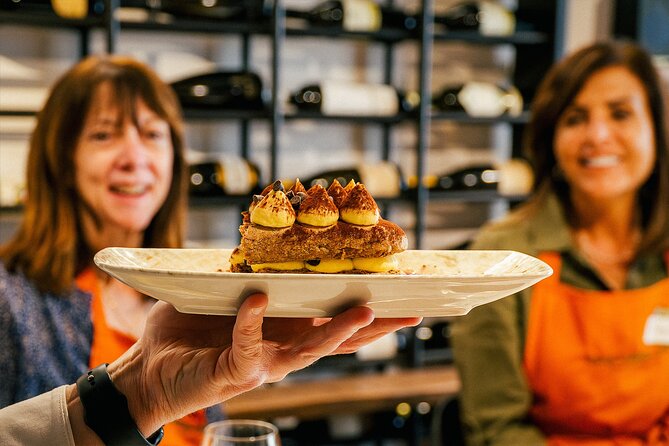
After pasta, you’ll shift to dessert: classic tiramisu. What makes this segment valuable is that it’s not treated like a vague “mix and done” recipe. You’re shown the specific layering process, and you learn what the layers are supposed to do when the tiramisu sets.
Tiramisu often fails at home for simple reasons: uneven layering, rushed assembly, or wrong timing. Here, you get coached on how to build the dessert so the cream and structure actually hold their own.
You’ll make tiramisu with guidance, so you can see how the ingredients behave as you work. This is one of those skills where watching someone do it fast isn’t enough—you want the chance to try it yourself while the chef can correct technique.
And yes, dessert plus pasta is a lot. That’s also why this class typically includes an end-of-class tasting. You’ll need it, and you’ll appreciate that you aren’t sent off hungry with just a bag of uncooked optimism.
The End Tasting and Premium Wine: Eat What You Made
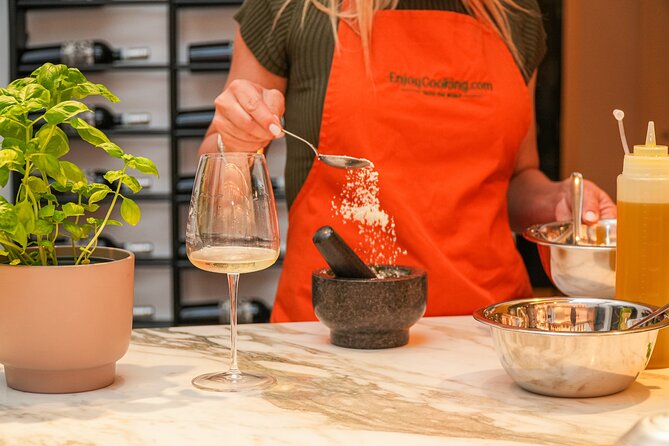
At the end of the class, you’ll enjoy a tasting session and try what you created. This is a big deal for two reasons.
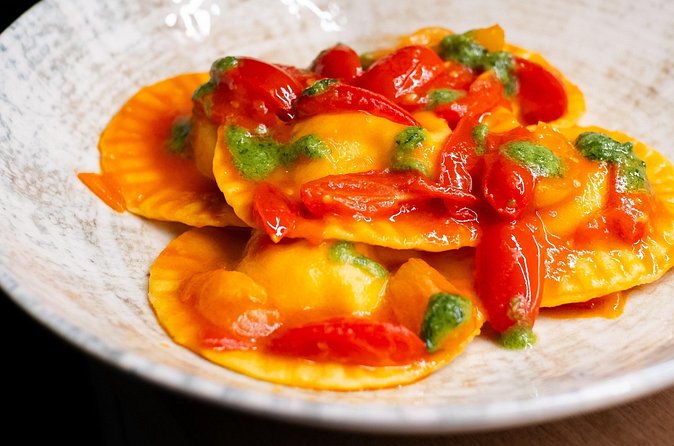
First, it closes the loop. You learn how your dough turned out, whether your pasta cooked the way it should, and how your ravioli fared. Second, you get a more realistic sense of portioning and taste—not just “recipe learning,” but actual eating.
The experience is described as including premium wine, and wine also shows up alongside the extra items during the session. The tasting vibe is meant to be celebratory, not stiff. People often leave feeling like they’ve had a full meal, not a short snack.
You might also encounter extra food along the way, depending on the flow of the day. One example from an instructor-led session included additional items such as pizza and cheese, plus wine. Don’t plan your whole day around those extras, but it’s good to know the experience can feel generous.




Price and Timing: Is $118.94 Worth It?
At $118.94 per person for about 3 hours, this isn’t a bargain-basement cooking class. But it also isn’t priced like a fancy restaurant experience where you pay for service and ambiance only.
You’re paying for:
- hands-on instruction with a small group (max 12)
- fresh pasta work from scratch
- a classic tiramisu lesson with guided layering
- an end-of-class tasting that lets you eat what you made
- instruction in English
That combination is the real value. In Rome, you can spend money on tours that show you things and you take photos. Here, you take home technique—and you get the payoff of eating your results while you’re still in the class.
Booking trends are another small clue: it’s commonly booked about 21 days in advance. That doesn’t mean you can’t find availability later, but it does suggest this is popular enough that you’ll likely want to lock in your slot if your dates are firm.
Logistics That Matter (And Don’t Waste Your Day)
This is a straightforward setup, which I appreciate. You meet at Piazza Mattei, no hotel pickup is included, and you end back at the meeting point.
The class is offered in English, and it uses a mobile ticket. That’s helpful if you’re already juggling walking routes and museum tickets and don’t want more printed stuff.
One practical note: you’re working with food and you’ll get messy. The experience includes staff support to help clear up the mess, so you’re not stuck cleaning up like you’re the only one who spilled flour. Still, wear something you don’t mind getting pasta-life on.
Dietary Needs: What You Should Know Before You Go
The experience can accommodate dietary restrictions, but it’s specifically not recommended for celiac people. If you’re managing gluten issues, you’ll need to contact the operator before booking so they can clarify what’s possible.
If you’re not celiac but you have other restrictions, tell them ahead of time. The best outcome comes from being clear early, especially with a class built around fresh flour-based pasta.
Who This Rome Cooking Class Fits Best
This is ideal if you want more than a tasting tour. If you like learning by doing—kneading, rolling, sealing, layering—this feels built for you.
It also works well if you want a social experience without being stuck in a huge group. With a small limit of 12, you can actually talk to your chef and get corrections when needed.
If you’re traveling with kids, this can be a good pick because the class is family-friendly in spirit and includes plenty of hands-on tasks. Just keep your expectations realistic: it’s a cooking class, not a fine-dining ceremony.
And if you love authenticity, this ticks the box by focusing on traditional techniques: pasta dough, ravioli parcels, and tiramisu layering.
Should You Book It? My Practical Take
Yes, you should book this class if you want a memorable Rome food experience that’s active, not passive. The biggest reasons are simple: you make the food, and you eat it at the end with wine.
I’d skip it or ask extra questions first if you’re celiac or need strict gluten-free handling. Also, if you prefer purely sightseeing with minimal mess and effort, this will feel too hands-on.
If your goal is to leave Rome with skills you can use again at home—pasta dough confidence and tiramisu layering technique—this is a strong choice.
FAQ
How long is the Rome pasta and tiramisu making experience?
It runs for about 3 hours.
Where do we meet for the class?
The meeting point is Piazza Mattei, 00186 Roma RM, Italy.
Is hotel pickup included?
No, hotel pickup and drop-off are not included. The activity ends back at the meeting point.
Is the class offered in English?
Yes, it’s offered with an English-speaking activity guide.
What’s the group size?
The experience has a maximum of 12 travelers.
What food will we make during the class?
You’ll make handmade pasta from scratch (two types of pasta) and prepare classic tiramisu.
Is there a tasting at the end?
Yes, there’s a tasting session at the end where you can try what you made.
Can dietary restrictions be accommodated?
The experience can accommodate dietary restrictions, but it’s not recommended for people with celiac needs. If you need details for your situation, you should contact the provider.
FAQ
Is free cancellation available?
Yes. You can cancel up to 24 hours in advance for a full refund.
What do I need to bring?
The tour uses a mobile ticket, but the provided details don’t list any specific items. Dress for a hands-on cooking activity where you might get flour on your clothes.
When will I get confirmation?
Confirmation is received at the time of booking.