REVIEW · ROME
Premium Colosseum, Palatine Hill & Roman Forum Private Tour
Book on Viator →Operated by Anno Domini Tours · Bookable on Viator
Three monuments. One smooth afternoon. I love the Colosseum tickets handled for you so you skip the ticket scramble, and I love that your private guide can slow down on what you want to see across the Forum and Palatine Hill. One real consideration: the experience depends a lot on the specific guide assigned, and a few past customers noted uneven pacing or clarity.
On a hot Rome day, details like shade and timing matter. This route hits the big three in about 3 hours, with a quick breather at the Arch of Constantine before you settle into the Forum’s maze and the viewpoints from Palatine Hill. Names that kept popping up with top marks include Renata, Alla, Anna, Sev, Maria, and Gianluca Ferris.
In This Review
- Key things that make this tour work
- Why this Colosseum–Forum–Palatine route is a smart way to spend 3 hours
- Price and value: what your money buys besides a tour name
- Meeting at Via del Tempio della Pace: the small logistics that prevent big headaches
- Entering the Colosseum with reservation entry (and using your time well)
- The Arch of Constantine: a 5-minute context stop that shouldn’t be rushed
- Roman Forum Archaeological area: where you start connecting the dots
- Palatine Hill: the views help the whole story land
- The real differentiator: your guide’s style and clarity
- Who this tour is best for (and who should think twice)
- Should you book this private Colosseum–Forum–Palatine tour?
- FAQ
- How long is the tour?
- Is this a private tour?
- What sights are included?
- Are tickets included?
- Where is the meeting point?
- Do I need hotel pickup?
- What language is the guide?
- What ID do I need?
- Is there a mobile ticket?
- Is this tour refundable?
Key things that make this tour work
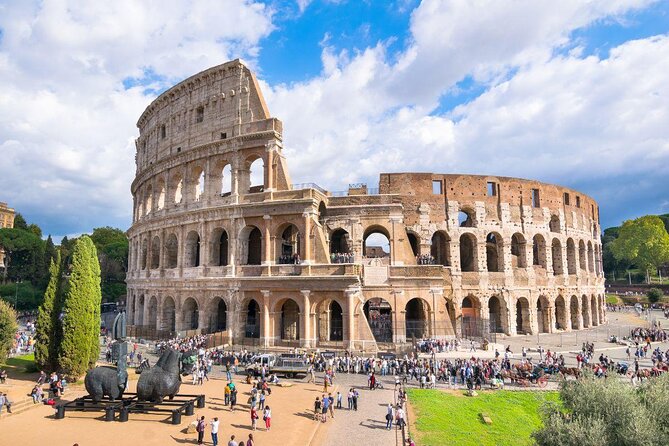
- Tickets included for the Colosseum (ticket + reservation fee), so you don’t waste energy buying and lining up
- Direct entrance with reservation, which helps you beat the worst queues
- Private pacing at the Forum and Palatine Hill, where there’s no such thing as seeing everything in a hurry
- A guide who brings visuals: some guides use photo references (iPad or printed book) to show how the ruins looked before
- Heat-smart touring: multiple guides are praised for finding shade and working with your tempo
- A short Arch of Constantine stop that gives context without stealing time from the Forum
Why this Colosseum–Forum–Palatine route is a smart way to spend 3 hours
Rome’s ruins can feel like a scattered puzzle until someone gives you a map for your brain. This tour is designed for exactly that moment: you get your bearings at the Colosseum, then you move into the Roman Forum and end with Palatine Hill views that explain why this area mattered so much.
You’re not stuck in a rigid loop. The Colosseum gets about 2 hours, while the Roman Forum and Palatine Hill each get around 1 hour. That balance matters, because the Colosseum is the showpiece, but the Forum and Palatine Hill are where you start understanding how power, daily life, and politics actually connected.
The private format also changes the feel. Instead of headphones and crowd herding, you can ask questions as you go and linger when something catches your eye—whether that’s a particular archway, a layout feature, or a view down the slopes.
If you’re booking during peak season, plan ahead. This experience averages booking about 21 days in advance, which tells me it’s in demand.
You can also read our reviews of more tours and experiences in Rome.



Price and value: what your money buys besides a tour name
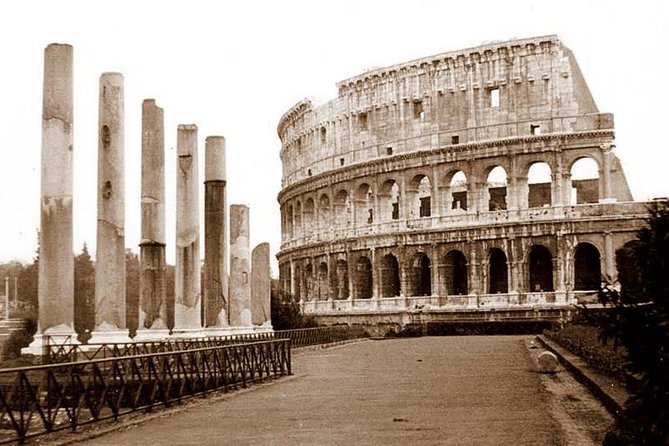
At $336.41 per person for about 3 hours, this isn’t a bargain tour. But the cost does include real, practical components: you get a professional private guide, direct entrance with reservation, and your Colosseum entrance ticket plus reservation fee (listed values are €18 for the ticket and €2 for the reservation fee).
That matters because the Colosseum is where time and stress add up fast. Even with reservations, you still want someone who knows how to get you in efficiently and how to use the entrance flow so you spend more time inside and less time stuck in uncertainty.
Here’s how I’d think about the value: if you’d otherwise pay for tickets on your own and spend time coordinating, the included tickets and reservation support reduce friction. Then the rest of the price is for the guide’s work—reading the space, shaping your route, and turning stone and inscriptions into something you can actually picture.
Also, group discounts exist in the pricing structure, even though the experience is private. If you’re traveling with family or friends and you can bundle together, it’s worth checking how that changes the per-person cost.
Meeting at Via del Tempio della Pace: the small logistics that prevent big headaches
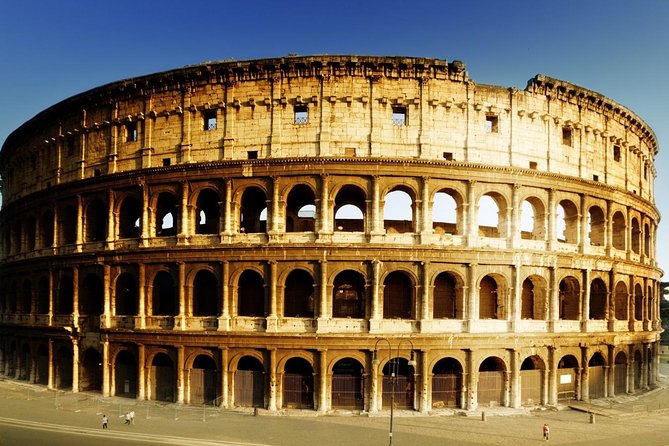
This tour meets at Via del Tempio della Pace, 1, 00184 Roma RM and ends back at the same meeting point. There’s no hotel pickup or drop-off, so you’ll want to plan your route using public transport or a short walk.
Two practical tips can save you a lot of stress:
- Arrive early enough to settle your ticket details. The entrance to the Colosseum and Roman Forum is strict about matching names.
- Bring the ID you used at booking. Each traveler must present a valid passport or ID document that matches the name provided at booking.
This isn’t just bureaucratic nitpicking. The tour notes specifically say that if your voucher with all travelers’ full names isn’t handled properly at the ticket office before entry, you may be denied entry to the Colosseum and Roman Forum.
If you’re traveling as a group with kids, it’s smart to double-check that everyone’s full names were entered exactly as on their ID.
Entering the Colosseum with reservation entry (and using your time well)
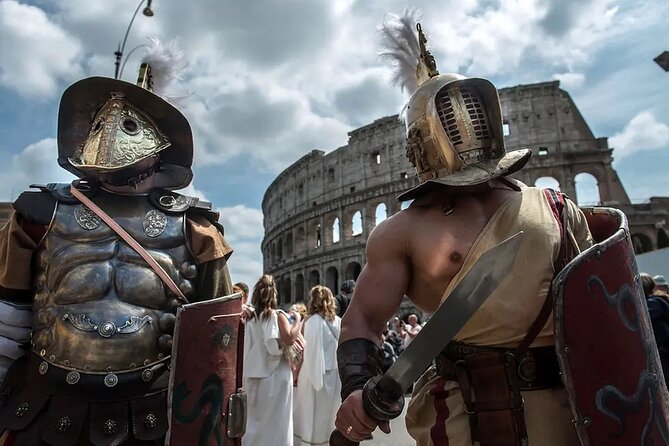
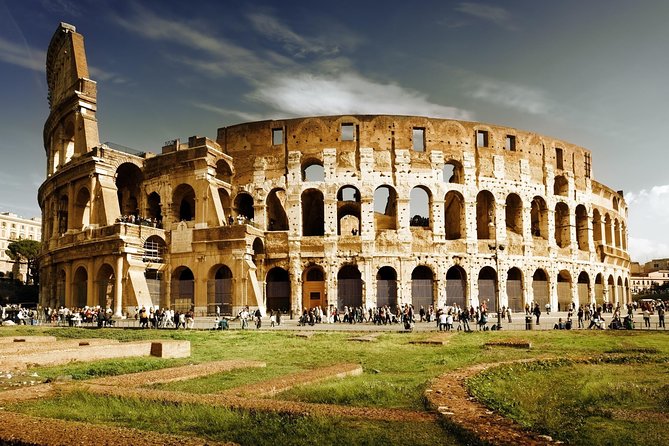
The Colosseum stop is about 2 hours and includes admission. The biggest win is direct entrance with reservation, which means you’re aiming to skip the worst waiting.
Once you’re inside, a good guide makes the space feel ordered instead of overwhelming. You’ll get an orientation to the Flavian Amphitheater, plus the big narrative beats that connect architecture to the political showmanship Rome loved.
What I’d pay attention to during those two hours:
- How the seating and circulation work: you can usually picture crowds better when someone points to the logic of access and sightlines
- The parts you can actually read from where you stand: inscriptions, structural elements, and design choices aren’t just details; they’re clues
- Where shade and resting spots happen: if your guide is the shade-and-water type, your tour will feel easier in real life than it sounds on paper
Some guides in this experience are praised for bringing reference images. For example, guides such as Renata and Alla are noted for using iPad or book-based photo references so you can see what you’re looking at in a before-and-after way. That kind of visual can turn an empty stretch of stone into a scene you can picture.
One caution: the Colosseum is physically demanding. If you’re sensitive to heat or have mobility limitations, you should plan for fatigue. One past guest specifically said Palatine Hill and the Forum had to be removed due to exhaustion related to mobility needs.
The Arch of Constantine: a 5-minute context stop that shouldn’t be rushed
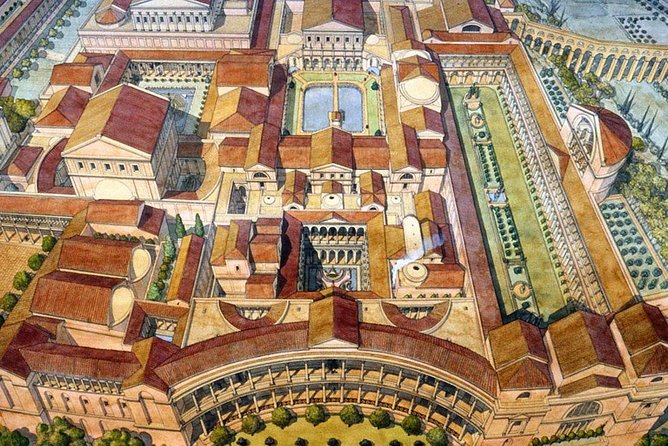
The Arch of Constantine gets about 5 minutes. It’s short on purpose, and that’s a good thing—because this arch is about meaning, not time.
In a small window, you want your guide to point out the main takeaways:
- What the arch is celebrating
- How it fits into the visual language of power
- What details to notice while you’re standing in the right spot
Think of this stop as a palette cleanser between the grand scale of the Colosseum and the dense, story-driven lanes of the Forum.
If you’re a detail person, you can still ask questions here, but don’t expect a full deep-dive. This is designed to keep your total tour on track.


Roman Forum Archaeological area: where you start connecting the dots
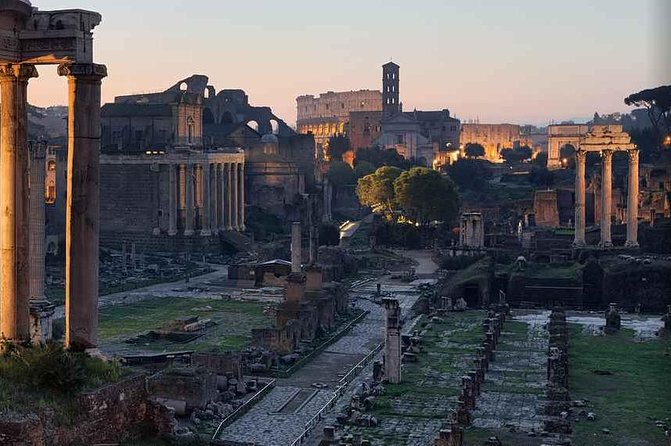
The Roman Forum stop is about 1 hour and includes admission. This is where most first-timers feel both excited and lost. The Forum doesn’t behave like a museum corridor. It’s spread out, uneven, and full of fragments.
That’s why having a guide is worth it. Your guide should help you get your bearings fast—who did what, where major civic actions happened, and how the street-level layout relates to the buildings you see now.
You’ll likely get the kind of guidance that turns “ruins” into a timeline. Past customers praised guides for clarity and pacing here, including people like Alla and Anna, who are described as balancing time pressure with enough explanation to make the space click.
One extra advantage: the Forum is often where a good guide will steer you toward photo opportunities and calmer pockets when crowds spike. In heat, those micro-pauses matter. Even small breaks keep you from feeling like you’re sprinting through history.
Palatine Hill: the views help the whole story land
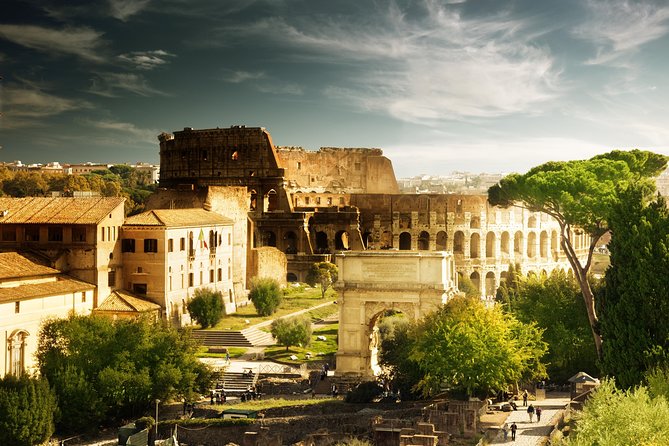
Palatine Hill is the final main archaeological stop, also about 1 hour and included. This is the moment when Rome starts to feel like it had a center.
The value here is practical: Palatine Hill is where viewpoints help you understand why elites wanted this location and why it became tied to Roman identity. Even if you’ve read about it before, standing up there tends to make the geography obvious.
Guides are praised for keeping the tour paced and not rushing through the viewpoints. Some tours also mention planning for heat—finding shade and working around where your energy is.
If your group includes kids or someone who needs a less heavy approach, this part is often the easiest to enjoy. A few guests singled out guides like Sev for keeping children engaged, which tells me some guides intentionally adapt their explanation style to keep everyone onboard.
The real differentiator: your guide’s style and clarity
This is a private tour, but the guide assignment is still the biggest variable. In the best cases, you get:
- A friendly, engaging guide who answers questions and keeps you moving without feeling rushed
- Visual aids that show how buildings used to look (photo references on an iPad or in a book)
- Humor and warmth, which is a big deal in places that can otherwise feel dry or too technical
Names that stood out with strong praise include Renata (relaxed pacing and making things easy to follow), Alla (strong use of visual references and staying flexible with pace), Sev (especially strong with kids and family groups), Anna (fun and expert explanations), Maria (great for families), and Gianluca Ferris (excellent English and lots of answers).
Now the caution side, because it’s important: a few unhappy experiences pointed to guide issues like limited engagement, shade-chasing when the group wanted more direction, or language clarity problems. There’s also at least one report of a guide not showing up, which is rare but serious.
My advice if you want the best odds: if booking options let you see the guide name, pick a slot with a guide who matches your style—especially if you care about family-friendly humor or you want more narrative than architectural detail.
And if you do anything else, do this: communicate early and arrive on time. The meeting point is specific, and Rome doesn’t do sympathy for late arrivals.
Who this tour is best for (and who should think twice)
This tour is a strong fit if you:
- Want to cover the Colosseum, Roman Forum, and Palatine Hill without spending your day piecing things together
- Prefer a private guide who can slow down for your questions
- Travel with kids, because several guides here are noted for working hard to keep children engaged
- Want a “highlights plus context” plan in about 3 hours
It may be less ideal if you:
- Have mobility constraints and need a route with very careful pacing. One guest with mobility issues said the heat and long walking inside the Colosseum was exhausting enough that Palatine Hill and the Forum had to be skipped.
If you’re in the middle—less mobility but still able—talk to your guide on the day. A good guide can sometimes adjust pace and help you find entry options and rest points, but this is still Rome, and these areas involve a lot of walking and uneven ground.
Should you book this private Colosseum–Forum–Palatine tour?
I’d book it if your goal is to leave with the places actually making sense. The combination of reservation entry, tickets included, and a guide who can adapt your pacing is what turns this from another sightseeing afternoon into a real Rome story.
Skip it only if you’re looking for a low-cost option or you know you’ll be frustrated by the variability that comes with guide assignment. If you’re the kind of traveler who gets picky about storytelling versus details, take a moment to check the guide name and choose accordingly.
If you’re ready to pay for fewer headaches and a more personal route, this tour is one of the more sensible ways to hit Rome’s headline ruins in a short time.
FAQ
How long is the tour?
The tour is about 3 hours.
Is this a private tour?
Yes. It’s a private experience with only your group.
What sights are included?
You visit the Colosseum (with admission), the Arch of Constantine (free admission), the Roman Forum (with admission), and Palatine Hill (with admission).
Are tickets included?
Yes for the Colosseum. The tour includes the Colosseum entrance ticket and the Colosseum reservation fee.
Where is the meeting point?
The meeting point is Via del Tempio della Pace, 1, 00184 Roma RM, Italy. The tour ends back at the meeting point.
Do I need hotel pickup?
No. Hotel pickup and drop-off are not included.
What language is the guide?
The tour is offered in English.
What ID do I need?
You need a valid passport or ID document, and the name must match what you provided at booking.
Is there a mobile ticket?
Yes. A mobile ticket is included.
Is this tour refundable?
No. This experience is non-refundable and cannot be changed for any reason.