REVIEW · PORTO
PRIVATE Porto walking tour with historian
Book on Viator →Operated by Casta Tours · Bookable on Viator
Porto history hits different when someone explains the why, not just the what. This private walking tour pairs a professional historian with included Porto Cathedral access (including the climb to the tower) and a smart loop through the old center, São Bento, and major viewpoints. I like that it keeps Porto’s story tied to the real mix of politics, economy, and architecture instead of sounding like a memorized script. I also love the small scale: it’s private, with a cap of 10 travelers, so you can ask questions and actually get answers. One consideration: this is still a walking tour with stairs and heights at the cathedral and viewpoints, so pack comfortable shoes and don’t plan on it being an easy stroll.
If you want to get your bearings fast, this tour is built for that. You’ll move from the riverfront skyline landmarks to the interior of one of Porto’s most important churches, then out again for the city views—so you don’t just learn, you see. A possible drawback is simple: it depends on good weather for the outdoor parts and viewpoints, so you might need a little flexibility if conditions are rough.
If the guide is named Renato in your time slot, that’s a big plus—reviews highlight him as enthusiastic, attentive, and willing to tailor the route to your interests.
In This Review
- Key Highlights You’ll Feel on This Private Porto Walk
- Why This Porto Tour Works Better Than a Big-Group Script
- Starting at Vímara Peres and Getting Oriented Fast
- Inside Porto Cathedral: Romanesque Bones and Golden Baroque Drama
- The Route Through Key Porto Landmarks Without the Detour Chaos
- Dom Luís I Bridge: More Than a Skyline Photo
- São Bento Railway Station: Azulejos With a Point
- Praça da Liberdade to Clerigos: Porto’s Power, Taste, and Taste Buds
- Praça da Liberdade: The City’s Formal Mood
- Clérigos Church: A Landmark You Feel in Your Chest
- Miradouro da Vitória: Where the Whole Lesson Lands
- What Makes the Cathedral + Bridges + Stations Combo So Valuable
- The Private Historian Factor: You Can Actually Ask Questions
- Practical Expectations: Timing, Pace, and What to Wear
- Value: Why $102.12 Can Make Sense Here
- Who This Tour Suits Best (And Who Should Skip It)
- Should You Book This Private Porto Cathedral and City History Walk?
- FAQ
- What’s the duration of the Porto private walking tour?
- Is the tour private?
- What language is the tour offered in?
- Do I get tickets included for Porto Cathedral?
- What major sights are covered during the walk?
- Where does the tour start?
- Where does the tour end?
- Is there a mobile ticket?
- Is confirmation provided right away?
- What happens if weather is bad?
Key Highlights You’ll Feel on This Private Porto Walk
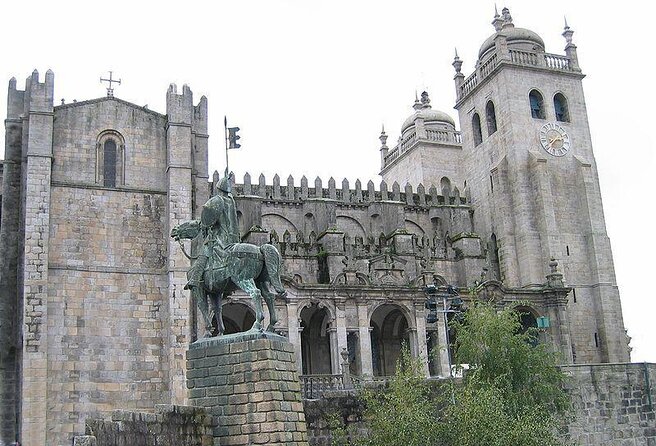
- Porto Cathedral with tower views: romanesque spaces, baroque altarpieces, gothic cloisters, and a climb for city-wide panoramas
- Private format, max 10 people: more time for questions and less time waiting for the group to catch up
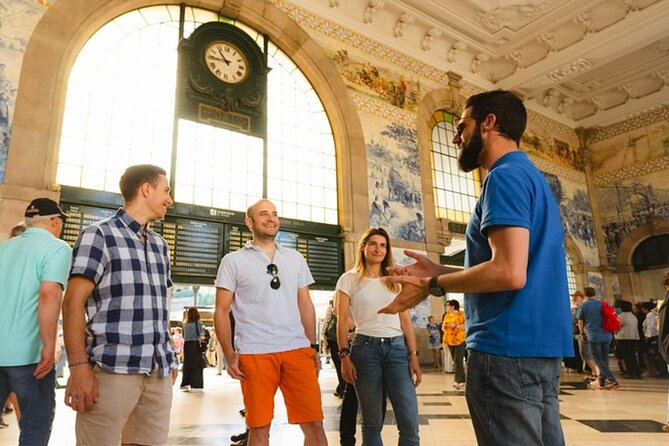
- São Bento Railway Station explained well: you’ll connect the station’s famous azulejo art to Porto’s story
- Dom Luís I Bridge and riverfront context: landmark views with real historical meaning, not just photos
- A focused loop through major landmarks: Clérigos Church, Praça da Liberdade, and Miradouro da Vitória—planned to keep momentum
- Useful food and drink direction: you’ll leave with a practical list of places to eat, plus bars, museums, and galleries to fit your mood
Why This Porto Tour Works Better Than a Big-Group Script
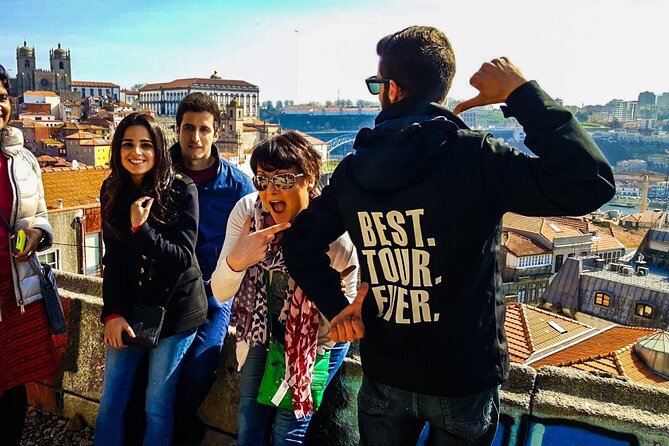
Porto can feel like a postcard city—until you learn what you’re actually looking at. This tour is designed to connect the dots: why certain buildings were built, how power and money shaped what you see today, and how Portuguese history shows up right in the streets.
The private setup is a major value here. With a maximum of 10 travelers and a historian guiding you, you’re not stuck listening from the back while someone tries to juggle timing for 25 people. You can ask the follow-up questions that usually pop up once you notice details—carvings, layout, materials, and the way the city is arranged around its hills and river.
The other thing I like is the balance of big themes and hands-on places. You get the major landmarks, but you also get context that turns them from stops into chapters. It’s the difference between seeing a bridge and understanding why that bridge mattered.
You can also read our reviews of more tours and experiences in Porto.


Starting at Vímara Peres and Getting Oriented Fast
You meet at the Statue of Vímara Peres on Calçada de Vandoma. That’s a smart starting point because it puts you in the thick of the old city’s logic. Porto’s streets don’t follow a neat grid, so a good orientation early helps. By the time you reach the bigger monuments, you’ll already understand which directions the city favors and where the slopes matter.
In a private tour, the first minutes also set the tone. A historian-style walkthrough here usually matters because it primes you to look at what’s in front of you: the urban form, the building rhythm, and the historic layers that overlap in Porto.
Practical tip: plan to arrive a few minutes early so you’re not rushing through greetings while everyone else is already walking.
Inside Porto Cathedral: Romanesque Bones and Golden Baroque Drama
This is the centerpiece, and it’s the reason I think this tour is worth the ticket price. You’ll go inside Porto Cathedral and get guided access through multiple “eras in one place”: romanesque architecture, baroque golden altars, gothic cloisters, and the sacristy.
What makes this stop valuable isn’t just that it’s famous. It’s that a historian can help you read the building. You’re not just looking at pretty details—you’re learning what changed over time and what those changes tell you about Porto’s religious and political life.
Then comes the part that turns the cathedral into a viewpoint experience: you can climb to the 12th-century towers for breathtaking views across the city. That climb is part of the included experience, so you’re not spending extra time or money hunting for a separate ticket later.
Small consideration: the tower climb means stairs and uneven surfaces. If you’re someone who struggles with steps, mention that at the start so your guide can adapt how you pace.
The Route Through Key Porto Landmarks Without the Detour Chaos
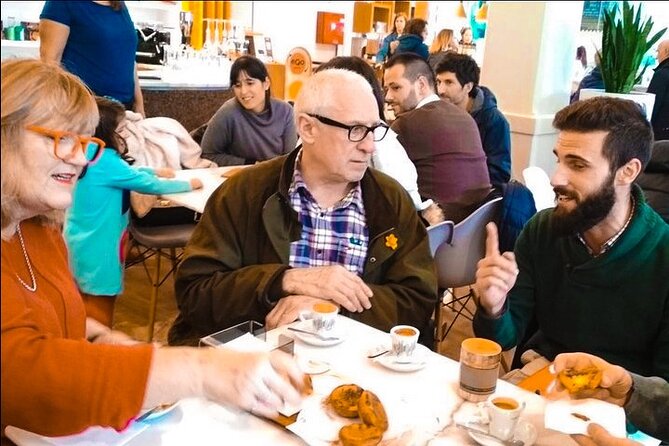
After the cathedral, the tour keeps moving—so you get momentum instead of bouncing in circles. Here’s what each major stop tends to add to your understanding.
Dom Luís I Bridge: More Than a Skyline Photo
You’ll cross or view Dom Luís I Bridge, one of Porto’s signature landmarks. The practical value of explaining this bridge on-foot is that you connect river geography to city growth. Bridges aren’t only engineering feats; they change how people live, trade, and move. With a historian talking you through it, you’ll see the bridge as a turning point rather than a postcard frame.





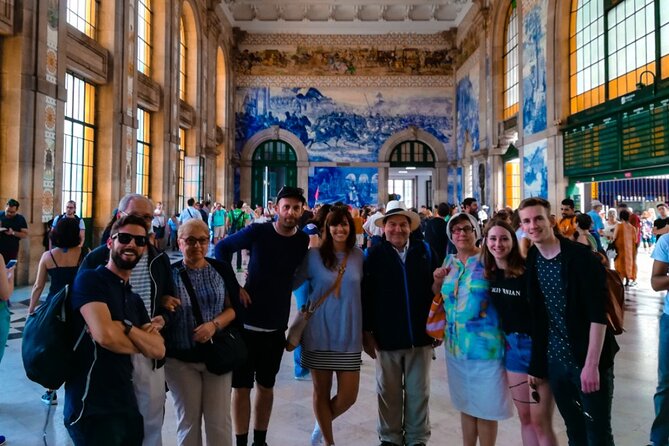
São Bento Railway Station: Azulejos With a Point
São Bento Railway Station is an excellent place for a historian-led stop because it pairs art with place. You’ll explore the station as part of the broader historic center loop, and you’ll get explanations that help you understand what you’re looking at—so the famous blue tiles feel meaningful instead of decorative.
This stop is also a break from walking. Stations give you a chance to pause, stand, and absorb while still being “in the story.”
Praça da Liberdade to Clerigos: Porto’s Power, Taste, and Taste Buds
The tour then shifts into a more architectural and urban-style walk, connecting the formal parts of the center to the places where people gather.
Praça da Liberdade: The City’s Formal Mood
Praça da Liberdade helps you understand how Porto presented itself at different moments. Even if you only linger briefly, it’s a useful contrast point after the older cathedral spaces and the patterned feel of the station. It’s where the city’s civic energy shows.
Clérigos Church: A Landmark You Feel in Your Chest
Clérigos Church is another anchor stop. The point here isn’t only the exterior you photograph; it’s the way a major church can signal ambition—religious influence, artistic direction, and the city’s skyline identity.
This is also one of those stops where a good guide makes a big difference. Porto has plenty of churches. A historian helps you sort out what’s distinctive about this one and why it belongs on your must-see list.
Miradouro da Vitória: Where the Whole Lesson Lands
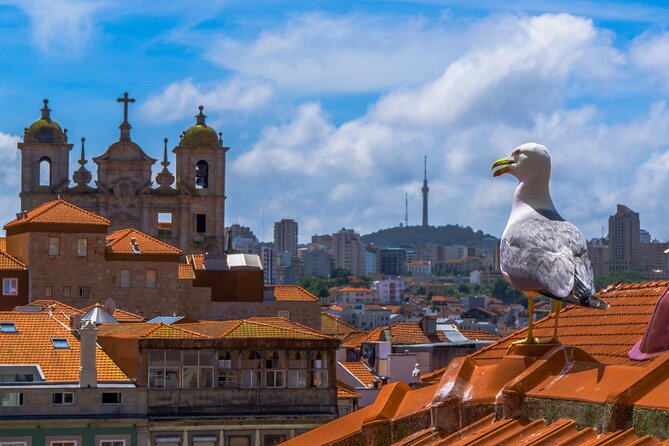
Every great city tour needs a viewpoint, and this one includes Miradouro da Vitória. It’s where the walking route becomes a map in your head.
From a viewpoint, you start linking the dots: the river’s role, the slope layout, the density of the historic core, and how landmarks sit in relation to one another. If you’ve been paying attention to the architectural notes, the view lets you confirm what those details imply.
Practical note: viewpoints are outdoors. If weather is poor, plan for possible rerouting or rescheduling through the operator’s policies.
What Makes the Cathedral + Bridges + Stations Combo So Valuable
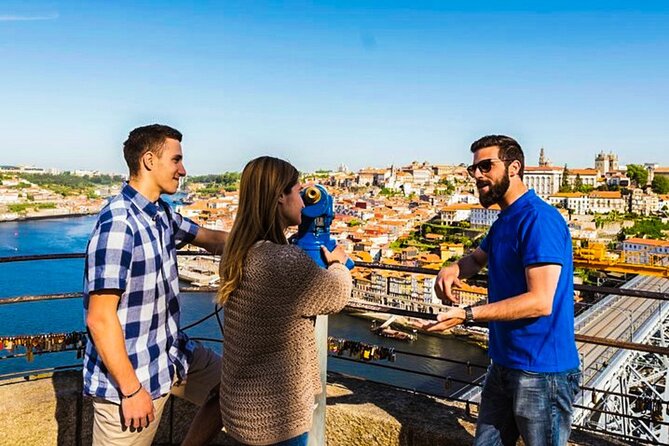
A lot of tours in Porto either go full museum or full “street photos.” This one mixes interiors (cathedral), landscape landmarks (bridge and viewpoints), and cultural signage/art (São Bento). That combination matters because Porto isn’t one thing. It’s a layered city.
Here’s how the pieces fit together for you:
- Porto Cathedral teaches you how Porto organized faith, art, and prestige over time, and then rewards you with tower views.
- Dom Luís I Bridge gives you the river context behind the city’s growth and movement.
- São Bento makes history visible through public art, not just written dates.
- Clérigos and Praça da Liberdade translate power and taste into recognizable city shapes.
- Miradouro da Vitória gives you the mental map that makes the rest of your trip easier.
When you leave with a clear mental map, you waste less time later asking strangers where things are. You can just walk with confidence and steer yourself toward the neighborhoods you actually want.
The Private Historian Factor: You Can Actually Ask Questions
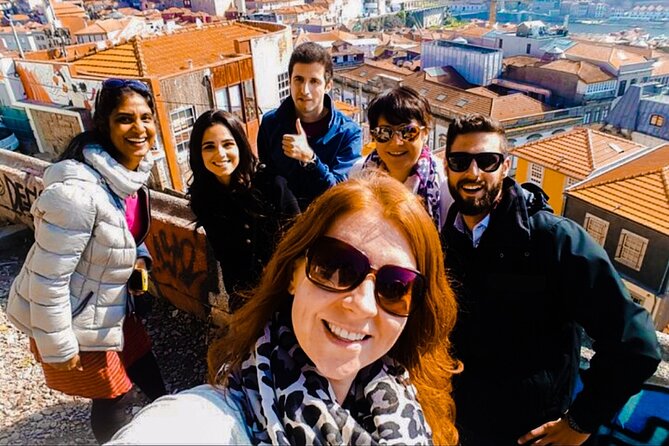
This tour is private, and it’s built around a historian who can answer. That’s not a small detail. It changes the quality of the experience, especially in a city like Porto where small architectural choices carry big historical meaning.
The reviews also emphasize tailoring. In past experiences, guides like Renato have been praised for tailoring the tour to interests and answering questions even when they felt casual or oddly specific. That’s exactly what you want from a historian: not just facts, but flexible conversation.
A smart move: come with 1–2 topics you care about—Portuguese politics, how Porto became so influential, church art, or why the city’s neighborhoods look the way they do. The tour is structured to support those questions.
Practical Expectations: Timing, Pace, and What to Wear
The tour is about 3 hours. That’s long enough to see meaningful sections of the center, but short enough that you’re not spending your whole day in one “organized” bubble.
Because there’s an indoor cathedral portion and outdoor viewpoints, plan for mixed conditions. Wear comfortable walking shoes. If your legs aren’t great with stairs, be ready for the tower climb and some vertical steps around historic buildings.
Also, because it’s offered in English and uses a mobile ticket, it’s straightforward to manage on the day. You’re not juggling paper slips or hunting for a desk once you’re already in the city.
Group size cap (10 travelers) keeps things from getting too crowded, but it’s still a walking tour—meaning you’ll want to keep a steady pace.
Value: Why $102.12 Can Make Sense Here
Price is always personal, so here’s how I’d judge value for this one: you’re paying for (1) a private historian, (2) included entry to Porto Cathedral areas, and (3) the special payoff of the tower climb and city views during the same tour window.
If you try to DIY this, you’d likely spend time buying tickets and figuring out the order to avoid backtracking—plus you’d miss the context that makes the cathedral and station worth more than a quick stop. A private guide compresses all that into a single, guided loop.
At roughly three hours, you’re also buying an efficient introduction to a lot of key Porto highlights without turning the day into a marathon.
One caution on value: this tour makes most sense when you want deeper explanation. If you only want a quick highlight sweep, there may be cheaper options that fit your style better. But if you’re the type who likes to ask why a building looks the way it does, this is where the money tends to land well.
Who This Tour Suits Best (And Who Should Skip It)
This experience is a strong match for:
- People who want a guided walk with real historical context, not just photo stops
- Travelers who prefer smaller groups and a private setting
- First-time visitors who want to learn Porto’s layout fast—especially around the historic center
- Anyone excited by church architecture, viewpoints, and explained art (hello São Bento)
You might think twice if:
- You dislike stairs or have mobility limits that make tower climbs tough (the cathedral tower is a core included moment)
- You want a fully relaxed, no-questions sightseeing day—this is built for explanation and interaction
- Weather is a big unknown for your dates, since outdoor viewpoints depend on conditions
Should You Book This Private Porto Cathedral and City History Walk?
I’d book it if you want Porto to make sense quickly. The mix of Porto Cathedral interiors + tower climb, major landmarks like Dom Luís I Bridge and São Bento, plus viewpoints at Miradouro da Vitória gives you a well-rounded “history with your feet” experience.
It’s also a good choice when you value a private historian who can tailor the pace and answer questions. The price can feel fair because the cathedral access and the tower views are baked into the experience—so you’re not paying extra for the parts that usually require planning.
If you’re short on time and want to hit the right places in the right order, this tour is built for that.
FAQ
What’s the duration of the Porto private walking tour?
The tour lasts about 3 hours.
Is the tour private?
Yes. It’s private, and the maximum group size is 10 travelers.
What language is the tour offered in?
The tour is offered in English.
Do I get tickets included for Porto Cathedral?
Yes. The tour includes tickets to Porto’s cathedral.
What major sights are covered during the walk?
You’ll cover key highlights including Porto, Porto Cathedral, Dom Luís I Bridge, São Bento Railway Station, Praça da Liberdade, Clerigos Church, and Miradouro da Vitória.
Where does the tour start?
It starts at the Statue of Vímara Peres, Calçada de Vandoma, 4000-013 Porto, Portugal.
Where does the tour end?
It ends back at the meeting point.
Is there a mobile ticket?
Yes, the tour provides a mobile ticket.
Is confirmation provided right away?
Confirmation is received within 48 hours of booking, subject to availability.
What happens if weather is bad?
The experience requires good weather. If it’s canceled due to poor weather, you’ll be offered a different date or a full refund.
—
If you tell me your travel dates and your fitness level (especially stairs), I can help you decide whether this is the right style of Porto tour for you.