REVIEW · BUENOS AIRES
Premium Day Trip to Colonia del Sacramento
Book on Viator →Operated by Tours Buenos Aires · Bookable on Viator
Two countries, one cobblestone day. This premium Colonia del Sacramento day trip from Buenos Aires turns the long border day into a smooth plan, with hotel pickup and a guided route through the UNESCO-listed old town. I like how the guide explains why the Portuguese look-and-feel matters, and I also like that you’re not left wrestling ferry tickets and check-in alone. One caution: at $248 per person, the price can sting if you expect lots of free time or lots of guided hours.
You start early (7:00 am), and the day runs long (about 12 hours). You’ll need a current passport, and your passport details are required at booking. The upside is a small group size (maximum 15), so you’re more likely to get real answers and practical tips, not just pass-by photos.
In Colonia, you’ll get a guided circuit through key monuments—then time to wander, eat, and shop at your own pace. Expect cobblestones, walking, and time for customs and immigration on both sides of the river. If you’re sensitive to long travel days, build in patience before you book.
In This Review
- Key Highlights That Make This Day Trip Worth Your Time
- Why Colonia Del Sacramento Feels Like a Time Machine (and a Border-Run)
- The Real Schedule: A 7:00 am Start and Border Time Both Directions
- Hotel Pickup and Ferry Tickets: Where Value Shows Up
- The Colonia Walking Circuit: A Guided Intro That Actually Makes Stops Make Sense
- Stop 1 Theme: Colonia’s Core Monuments (Where the Story Starts)
- La Calle de los Suspiros: The Narrow Street With a Clever Drain Channel
- Puerta de la Ciudadela: A 1745 City Gate Built for War and Trade
- Faro de Colonia: The Lighthouse Built on Older Ruins
- Basilica del Santisimo Sacramento: Portuguese-Brick Detail and a Backlit Monstrance Alcove
- The Free Time Part: Lunch, Shops, and Taking Colonia at Your Own Speed
- What Guides Can Change: Jesús, Lily, and Alejandra’s Impact
- Price and Logistics: When $248 Per Person Feels Fair (or Not)
- Practical Tips That Make the Day Smoother
- Who This Tour Suits Best (and Who Should Skip It)
- Should You Book the Premium Colonia Day Trip?
- FAQ
- What time does the tour start?
- How long is the day trip?
- What’s included in the price?
- Do I need to bring a passport?
- How big is the group?
- Is food included?
Key Highlights That Make This Day Trip Worth Your Time
- Small group max 15 keeps the experience personal and easier to manage
- Door-to-port hotel transfers + ferry tickets remove the most annoying parts of crossing the river
- Guided walking tour of Colonia’s standout monuments with history stitched into what you’re seeing
- Portuguese-style old-town details like drain-canal street design that many people miss
- Free time for lunch and wandering right after your historic overview
- Guides with strong English (including examples like Jesús, Lily, and Alejandra) make the day easier to follow
Why Colonia Del Sacramento Feels Like a Time Machine (and a Border-Run)
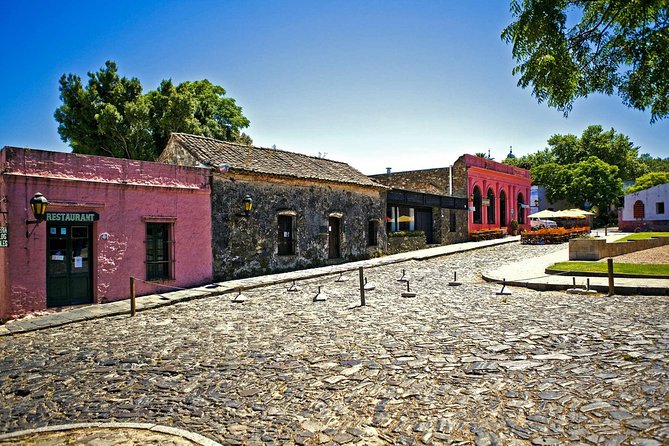
Colonia del Sacramento is famous for Portuguese-flavored architecture and streets that make you slow down. It’s on the Río de la Plata (Uruguay’s side), founded in 1680, and it earned UNESCO World Heritage status in 1995. Even on a tight day schedule, it has that rare “old world” feeling you can’t fake with a museum visit.
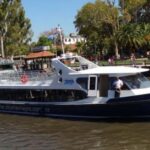
The practical magic here is the structure. You’re crossing from Buenos Aires into Uruguay for the day, and the tour handles the big moving pieces: transfers, ferry tickets, and a guided route once you’re there. That’s what turns a potentially chaotic border day into something you can actually enjoy.
You can also read our reviews of more tours and experiences in Buenos Aires.

The Real Schedule: A 7:00 am Start and Border Time Both Directions
This tour starts at 7:00 am, and you should plan for a long day. The itinerary includes round-trip ferry time plus hotel pickup and drop-off. On top of that, you’ll go through customs and immigration, and it can take a while both going and coming back.
A good mental model: even if the ferry ride itself is short, the line work around the border is the variable. One of the most useful things you can do is arrive early at the ferry check-in area so you’re not rushing. Also, bring a few calm-hour vibes—this trip is more about the whole process than just the destination.
Hotel Pickup and Ferry Tickets: Where Value Shows Up
The tour includes hotel pickup and drop-off, plus ferry tickets. That sounds simple, but it matters. Buenos Aires has its own morning rhythm, and coordinating taxis, ferry schedules, and ticket logistics on your own is where a day trip can quietly turn into stress.
When the guide or driver is organized, the process becomes: go to the port, get checked in, board, and then get matched with a guide at arrival. In the feedback, people praised how guides like Jesús helped make the ferry process smoother, especially when customs and immigration felt chaotic.
The Colonia Walking Circuit: A Guided Intro That Actually Makes Stops Make Sense
Once you’re in Colonia, the tour is built around a short guided walk and then time on your own. The guided portion is designed to give you the “why” behind the “what,” so you don’t just point and move on.
From the start, you’ll see key old-town landmarks connected to Colonia’s colonial-era identity on the river. You’ll also learn how the town’s defensive and religious buildings reflect Portuguese influence—so the architecture reads like a story, not just pretty facades.
Stop 1 Theme: Colonia’s Core Monuments (Where the Story Starts)
Your visit anchors around major historic points inside Colonia. The big-ticket site is the Church Matriz, noted as the oldest church in the country. You’ll also hear about the Municipal Museum and the 17th-century port area, which connects the town’s daily life to the Río de la Plata.
This first stretch is where you get orientation. If you’re new to Uruguay’s colonial timeline, this part helps everything else click: street layout, where people gathered, and why certain buildings were built where they were.


La Calle de los Suspiros: The Narrow Street With a Clever Drain Channel
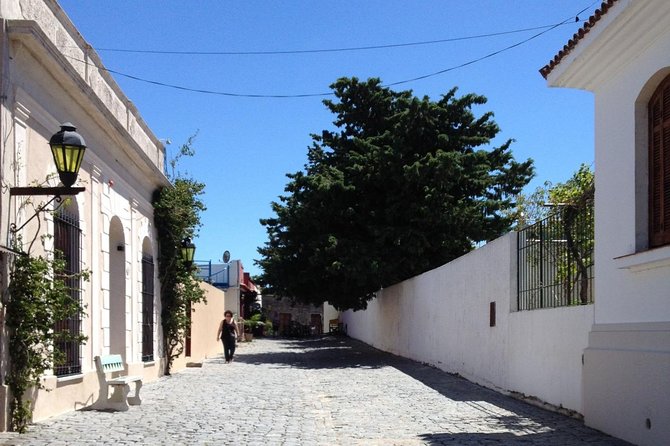
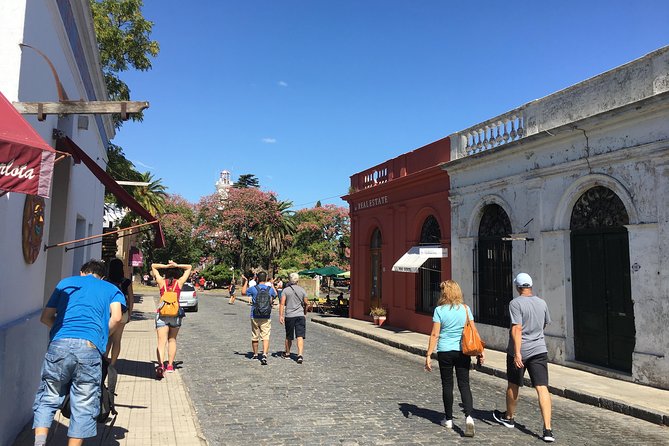
One of Colonia’s most photogenic walks is La Calle de los Suspiros—a narrow, cobbled lane built with Portuguese character. It runs from the Plaza Mayor down toward the Río de la Plata, and it doesn’t have sidewalks in the usual sense. The sides tilt inward to create a drainage channel, which is practical design hiding in plain sight.
Here’s why I like this stop for a day trip: it shows you how people adapted to real conditions. You’re not just looking at an old street—you’re seeing how old engineering shaped the street’s feel and function.
Puerta de la Ciudadela: A 1745 City Gate Built for War and Trade
Next is Puerta de la Ciudadela, built in 1745 under Portuguese governor Vasconcellos. In origin, it served as an entrance with military-style protection, and thick walls surrounded the colony at the time. That mattered because pirate attacks and cross-border tensions were real threats.
You’ll get a sense of the town as something more than a postcard. The gate makes it easier to understand Colonia as a strategic river outpost. It’s a quick stop on paper (about 15 minutes), but it adds context that changes how you view the rest of the old center.
Faro de Colonia: The Lighthouse Built on Older Ruins
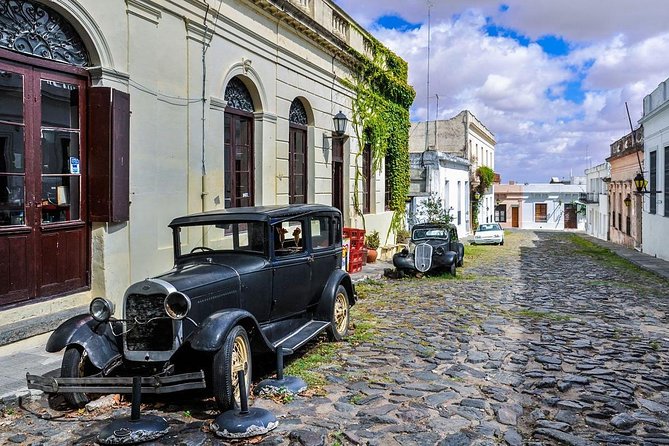
Then comes Faro de Colonia del Sacramento, constructed in January 1857. It’s a circular white masonry tower with a dome and red-and-white radial stripes. One neat technical detail: it gives two red flashes every nine seconds, with a luminous range of 7.8 nautical miles.
What I like here is the layering. The lighthouse uses one of the old towers from the Convent of San Francisco, with the ruins located near its base. Even if you’re not a lighthouse person, it’s an easy stop to connect religion, ruins, and navigation—especially in a town defined by its river.
Basilica del Santisimo Sacramento: Portuguese-Brick Detail and a Backlit Monstrance Alcove
The last major architectural stop is the Basilica del Santisimo Sacramento. The standout feature is its altar design, including a backlit semi-circular alcove holding a large monstrance. Outside brickwork shows Portuguese influence, which ties back to Colonia’s broader style identity.
This is a short stop, but it’s the kind of sight that sticks after you leave. It’s also the sort of detail your eyes might miss if you’re strolling without context.
The Free Time Part: Lunch, Shops, and Taking Colonia at Your Own Speed
A key part of why this works for many people is the time you get after the guided walk. You’re given a window to eat lunch and explore beyond the main monuments. In practice, that free time tends to be a few hours, which is enough to sit down, cool off, and wander different streets without feeling rushed.
You’ll find plenty of restaurants and shops around the old center area. The best approach: use the guided history to understand what you’re looking at, then let your feet lead you to quieter corners. Colonia rewards wandering—especially when you step away from the most obvious photo lines.
A practical reminder: food and drinks are not included, so you’ll pay for your own lunch. And if it’s hot, plan on taking breaks. Cobblestones add to the walking comfort needs, too.
What Guides Can Change: Jesús, Lily, and Alejandra’s Impact
The tour experience is very dependent on guide quality, and the strongest feedback highlights how much guides matter. People specifically mentioned Jesús for punctual, helpful support in Buenos Aires and a smooth handling of ferry process details. Others singled out Lily for her storytelling and long-term local knowledge, plus thoughtful recommendations for where to eat and shop.
Another common name was Alejandra (often shortened to Ale), praised for explaining both Colonia and Uruguayan culture and history in a way that helped people feel oriented fast. The pattern is clear: when the guide is confident and engaging, even a short day trip starts feeling like a proper visit.
If you want the best version of this day trip, that’s the thing to prioritize when booking: you’re not paying only for the sites—you’re paying for an interpreter of the sites.
Price and Logistics: When $248 Per Person Feels Fair (or Not)
Let’s talk money honestly. At $248 per person, this is not a budget excursion. If you’re imagining this as “a quick transfer plus a two-hour walk,” you might feel like it’s overpriced. One piece of feedback even called out the cost as high compared to the time spent on certain logistics.
But here’s how I’d frame value for your decision. The price includes:
- round-trip hotel pickup and drop-off
- fast ferry tickets
- a professional guide
- a city tour in Colonia
So you’re paying for friction removal. You’re also paying for a guided route that turns monuments into a coherent story instead of scattered stops. If you’d otherwise spend time figuring out tickets, directions, check-in lines, and meeting points, the cost can start to look more reasonable.
If you can handle long border processes and you’re comfortable arranging your own ferry and local transport, you could do it cheaper. If you’d rather buy peace of mind and spend the day focused on architecture and history, this price can feel like paying for a clean plan.
Practical Tips That Make the Day Smoother
This trip crosses into Uruguay and back, so your prep matters.
- Bring your passport and make sure the details match what you submit at booking. A current valid passport is required.
- Plan for customs/immigration time on both sides. Even if the ferry ride is quick, the border steps can stretch.
- Wear comfortable shoes. The old town is cobbled, and you’ll walk enough that foot comfort is not optional.
- Consider having Uruguayan currency for anything you might pay for on site. One practical note from the experience: some museum-related costs may require local currency, and there’s a bank in town if you need to exchange.
- If you want more comfort on the ferry, check seating class options when available. Feedback suggested upgrading for more spacious seating.
And if you’re the kind of person who likes small surprises: Colonia has stray dogs, and local care is part of the town’s rhythm. It’s not a “tour feature,” but it’s part of the lived-in feel.
Who This Tour Suits Best (and Who Should Skip It)
This day trip fits best if you:
- want a high-guidance way to visit a UNESCO old town
- prefer organized transfers over DIY logistics
- like history that connects to visible buildings, not just lectures
- want a calm break from Buenos Aires’s pace without sacrificing a full day
It may not fit you as well if you:
- hate early mornings and long days
- only want minimal walking and maximum free time
- expect the cost to act like a simple ferry ticket with a guide attached
If you’re traveling with kids, it’s listed as kid-friendly, which helps. Still, cobblestones and border time apply to everyone.
Should You Book the Premium Colonia Day Trip?
I’d book this if you want the practical parts handled: pickup, ferry tickets, guide meeting points, and a guided route that makes Colonia’s architecture click. The guide names people praised—Jesús, Lily, and Alejandra—point to a real strength: interpretation that helps you see more than you would on your own.
Skip it or reconsider if you’re trying to keep costs low or you’re the type who enjoys building your own itinerary from scratch. At $248 per person, the trip is paying for convenience and story, not just for a list of sites.
If your priority is a worry-free Uruguay day with the old town as the main event, this one makes sense.
FAQ
What time does the tour start?
It starts at 7:00 am.
How long is the day trip?
The duration is about 12 hours.
What’s included in the price?
You get a professional guide, hotel pick-up and drop-off, ferry tickets, and a Colonia del Sacramento city tour.
Do I need to bring a passport?
Yes. You need a current valid passport, and your passport name, number, date of birth, and country are required at booking.
How big is the group?
The tour has a maximum of 15 travelers.
Is food included?
No. Food and drinks are not included.