REVIEW · BUENOS AIRES
Buenos Aires: Tigre Premium with Boat Ride
Book on GetYourGuide →Operated by Gray Line Argentina · Bookable on GetYourGuide
Paraná Delta water time is the best kind of reset. This Buenos Aires to Tigre boat experience gives you big river views—like the Río de la Plata panorama and River Plate Stadium—then delivers photo-worthy architecture in San Isidro and Tigre’s English-style buildings. I especially like the way the tour strings together multiple river atmospheres, so it doesn’t feel like one long loop where you’ve seen it all halfway through.
Two things I’d choose this for: first, the chance to photograph the Neo Gothic Cathedral of San Isidro from the water; second, Tigre’s distinctive English-style look, which feels different from the rest of Greater Buenos Aires. One consideration: the experience involves a van ride between segments, and it’s worth mentally preparing for possible timing hiccups and extra waiting time.
If you want a calm day on the rivers with real commentary (guide plus audio), this can be a very good use of 5 hours. And if you’re the type who hates delays, aim for a flexible mindset—because comfort on the boat is the payoff, not the ground transport.
In This Review
- Key highlights to pay attention to
- Premium boat vs. city bustle: what this 5-hour Tigre tour feels like
- Getting to Cecilia Grierson 400 (and the “no hotel pickup” catch)
- Río de la Plata panoramas: Buenos Aires skyline, River Plate Stadium, San Isidro
- San Fernando and the rowing identity you’ll notice from the water
- Entering the Paraná Delta via San Antonio River (then the five-river tour)
- Tigre’s English-style architecture: what to photograph (and what to skip)
- Fruit Port stop: the included break you’ll want to plan for
- Guides and audio: bilingual live narration plus trilingual details
- Price and value at $999 per person: what you’re paying for
- Who this tour is best for (and who should skip it)
- Should you book the Tigre Premium with Boat Ride?
- FAQ
- Where does the tour start and where does it end?
- How long is the tour, and how long is the boat cruise?
- What landmarks will you see from the boat?
- Which rivers are included in the cruise?
- What languages are offered for the guide and audio?
- What is included besides the boat ride?
- Are food and drinks included?
- Is hotel pick-up and drop-off included?
- Can I cancel for a refund, and can I reserve without paying now?
Key highlights to pay attention to
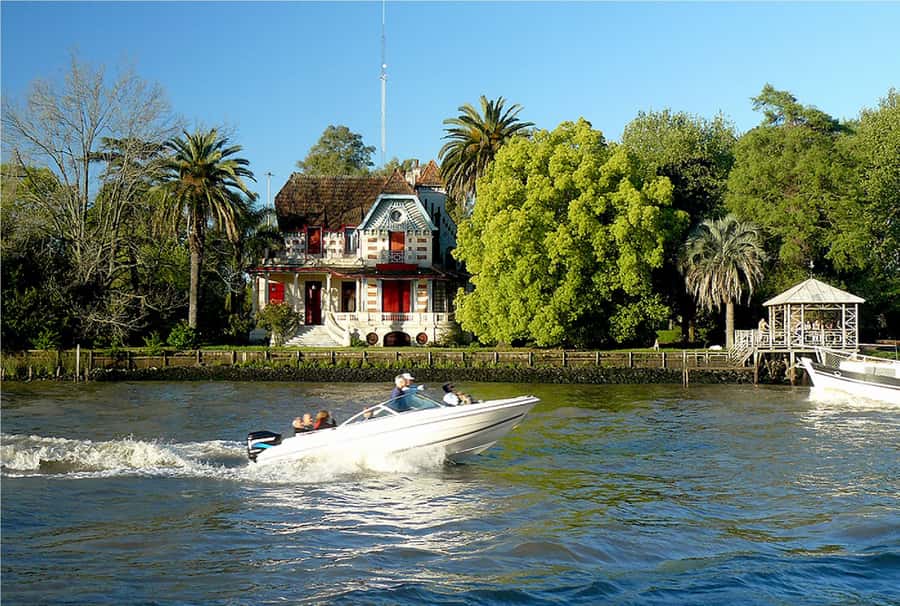
- Río de la Plata to Tigre route: you get skyline views plus classic river landmarks before you enter Tigre
- Cathedral of San Isidro photo angles: the Neo Gothic cathedral is a named highlight, so plan your camera time
- Five rivers of the Paraná Delta: the tour focuses on how island life connects to the water and nature around it
- Tigre River Station ending point: the cruise doesn’t just turn around—you sail toward Tigre’s station area
- Fruit Port visit: a specific included stop, not just a vague snack break
- Bilingual guide + trilingual audio: English/Spanish live guide, plus English/Spanish/Portuguese audio narration
Premium boat vs. city bustle: what this 5-hour Tigre tour feels like
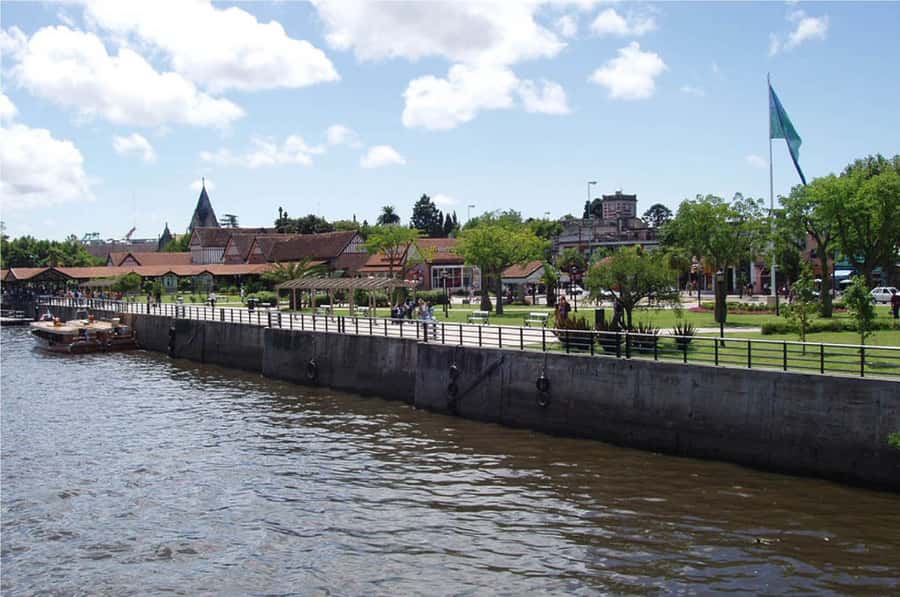
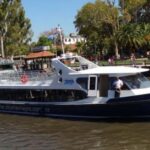
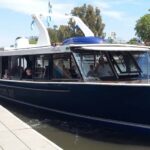
This is built like a half-day “change of scene” trip. You start in Buenos Aires Province at Cecilia Grierson 400, then you spend your time on a premium boat traveling through the Paraná Delta waterways and getting river views of Greater Buenos Aires from the water.
What makes it feel special is that the tour doesn’t treat Tigre as an isolated stop. You move from Río de la Plata panoramas into Tigre’s river network, and the narration ties it together—helping you notice why different waterways feel different, not just where you are on a map.
The experience is also structured for photo moments. San Isidro’s cathedral is clearly called out, and Tigre’s architecture is part of the pitch—so if you’re the type who likes to take pictures in sequence, this tour’s flow supports that.
You can also read our reviews of more tours and experiences in Buenos Aires.
Getting to Cecilia Grierson 400 (and the “no hotel pickup” catch)
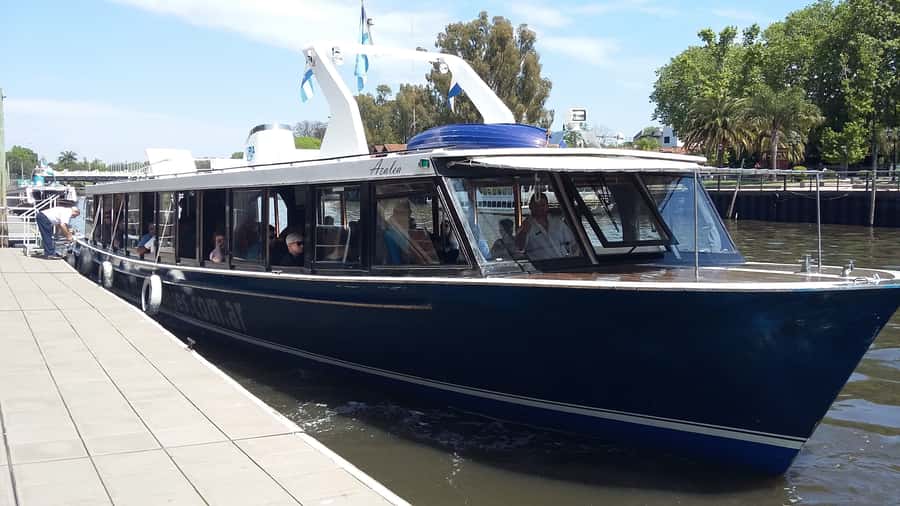
Your meeting point is Cecilia Grierson 400 in Buenos Aires, and the tour ends back at the same meeting point. There’s no hotel pick-up or drop-off included, so you’ll want to plan your own way there and back.
Also, the tour uses a mix of transport: you return to the city by bus after the cruise portion. That matters because if you’re hoping for a smooth, door-to-door experience, this isn’t that. It’s closer to a classic day-trip model: meet at a fixed spot, ride to the water, cruise, then regroup and head back.
Practical tip: show up a bit early so you can handle the check-in pace without rushing. When tours run tight schedules, early arrivals reduce stress.
Río de la Plata panoramas: Buenos Aires skyline, River Plate Stadium, San Isidro
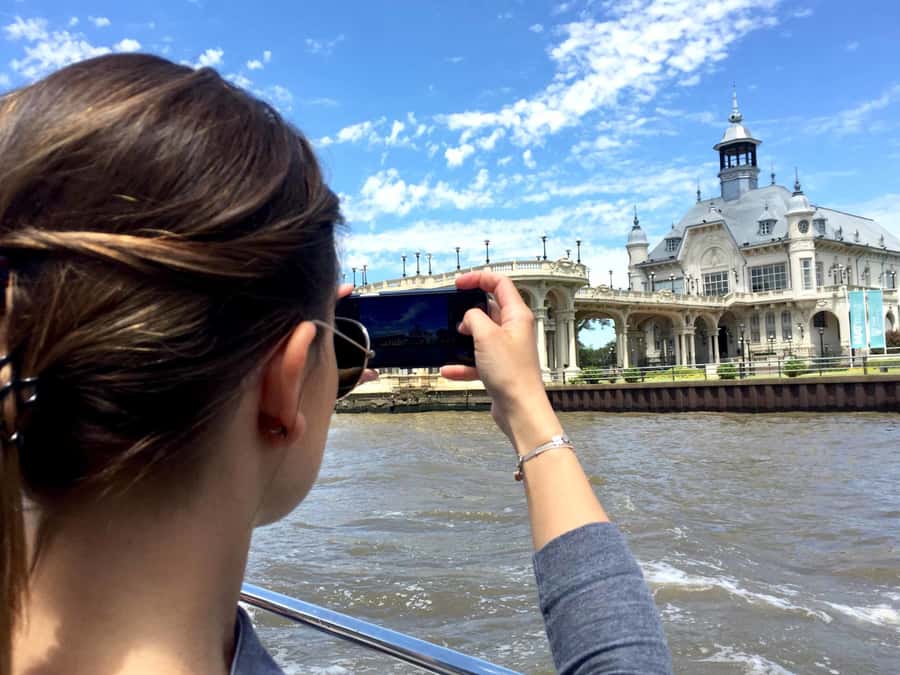
The navigation begins on the Río de la Plata with a set of named sights that help you orient fast. From the boat, you’ll get panoramic views of Buenos Aires, including River Plate Stadium, plus views of the city of San Isidro and the surrounding waterfront areas.
San Isidro is where the photo stops start to feel concrete. The highlight here is the Neo Gothic Cathedral of San Isidro, which you’ll be able to admire from the water. If you care about architectural photos, this is one of the strongest reasons to pick the tour: the cathedral is the kind of building that looks good in wide shots and also rewards patience while you’re moving slowly by it.
You’ll also see the San Fernando neighborhood, described as the capital of rowing. Even without long explanations, the label gives you a lens for what to notice along the waterfront.
San Fernando and the rowing identity you’ll notice from the water
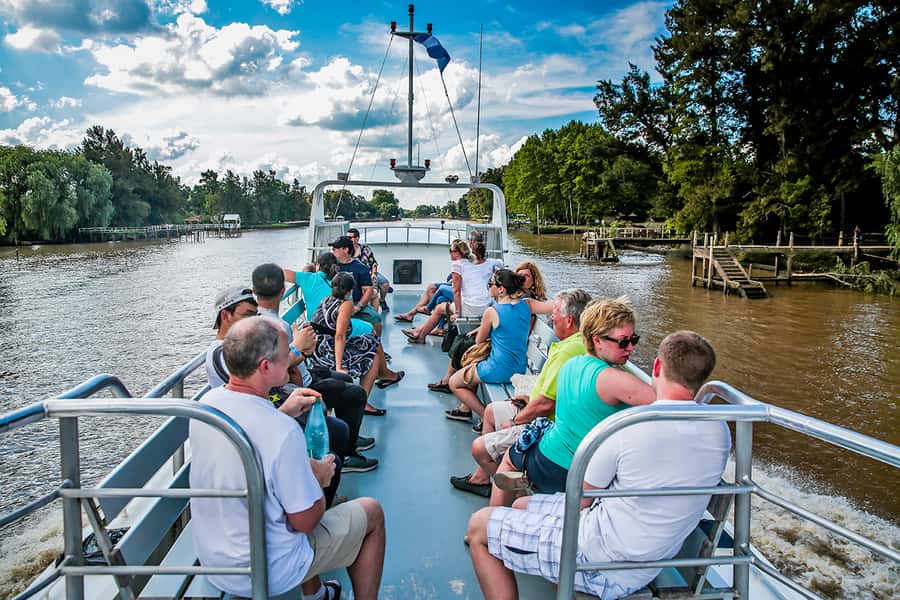
San Fernando gets its own named mention, and that’s useful. It means the route is not only about scenery; it’s also about cultural identity tied to the water.
On a boat, rowing is the sort of detail you can pick up through subtle cues—boats, waterfront activity, and the overall maritime feel. Even if you don’t plan to research the local rowing scene afterward, the tour’s framing helps you treat the passing shoreline like more than background.
This is also where a bilingual guide adds value. Live commentary helps you connect what you’re seeing to why it matters in Tigre and delta life later.
Entering the Paraná Delta via San Antonio River (then the five-river tour)
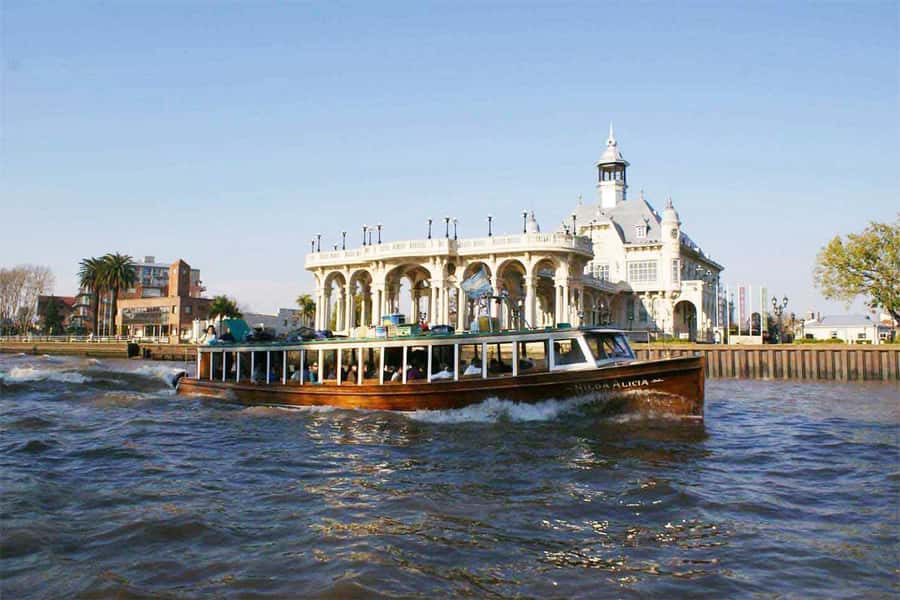
Once you enter Tigre through the San Antonio River, the trip becomes about the Paraná Delta’s “maze” effect. The tour continues through multiple waterways—specifically Capitán Sarmiento and the Luján River—before you end at the Tigre River Station area.
The itinerary calls out travel through five rivers of the Paraná Delta, and that number matters. It suggests you’re not doing a short shuttle. You’re actually moving through a network, which changes the feel of the scenery and the rhythm of the narration.
You’ll also learn about the unique life of the islanders and how their environment connects to the living nature around them. That part is less about a single landmark and more about context: why these homes, waterways, and daily patterns exist where they do.
If you like nature-meets-culture travel (without turning it into a hiking expedition), this is the sweet spot.


Tigre’s English-style architecture: what to photograph (and what to skip)
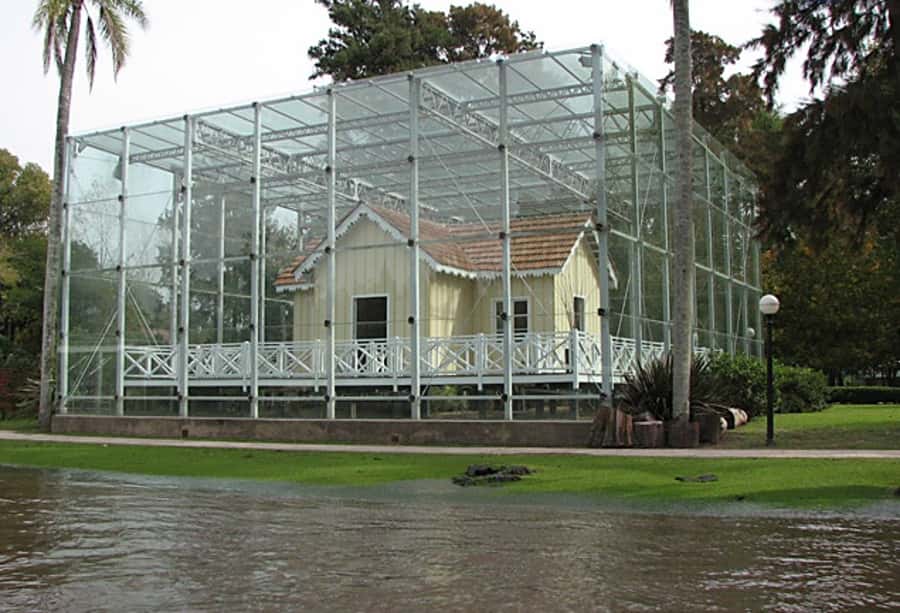
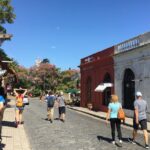
Tigre is famous for its look, and this tour calls it out directly: English-style architecture on the delta islands. That’s important because it sets expectations. You’re not coming for only “boats and reeds.” You’re coming to see building styles that feel out of place compared to most of Buenos Aires.
In terms of photography, focus on two things:
- Wide angles that show building silhouettes against river lines
- Street-and-facade details where the architecture is easiest to recognize from the viewpoint you get
One note: the best photos often come when you have a moment to steady yourself. Boat trips can be a little bouncy, and you’ll be more comfortable if you keep your camera strap secure and avoid fumbling with lenses mid-movement.
And while the cathedral in San Isidro gets the headline, the Tigre architecture is the other big reason to pick this specific cruise. If that’s what you’re chasing, the structure of the day is aligned with that goal.
Fruit Port stop: the included break you’ll want to plan for
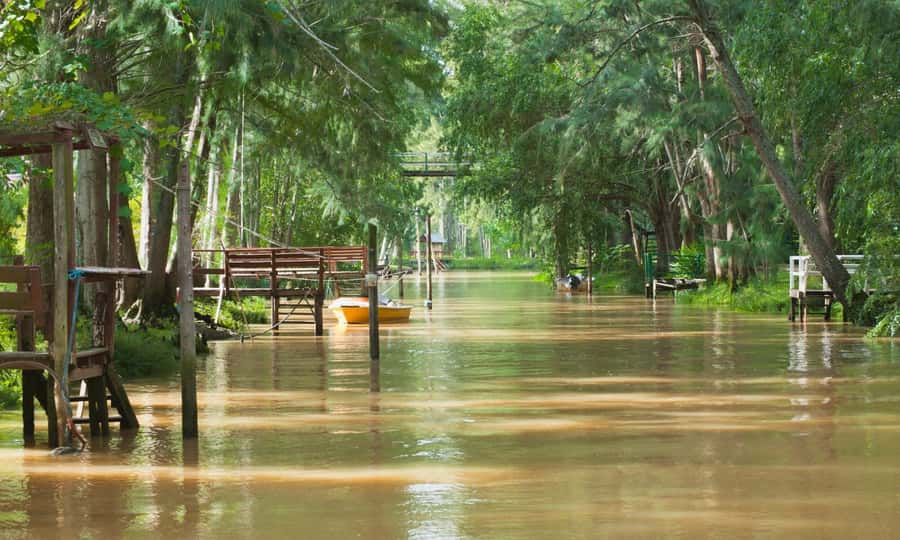
The tour includes a visit to the Fruit Port. This sounds simple, but included food markets or port stops can be the difference between a “pretty cruise” and a more satisfying day.
What to do here: treat it as a time to slow down, reset your legs, and enjoy the hands-on side of the delta economy—since the earlier narration about island life and waterways sets that theme. If you’ve been only watching scenery from the boat, this port stop helps ground the experience.
One practical caution: food and drinks aren’t included on the tour. So if you want a snack or something to drink during the day, plan around what’s available on-site rather than expecting it to be covered.
Guides and audio: bilingual live narration plus trilingual details
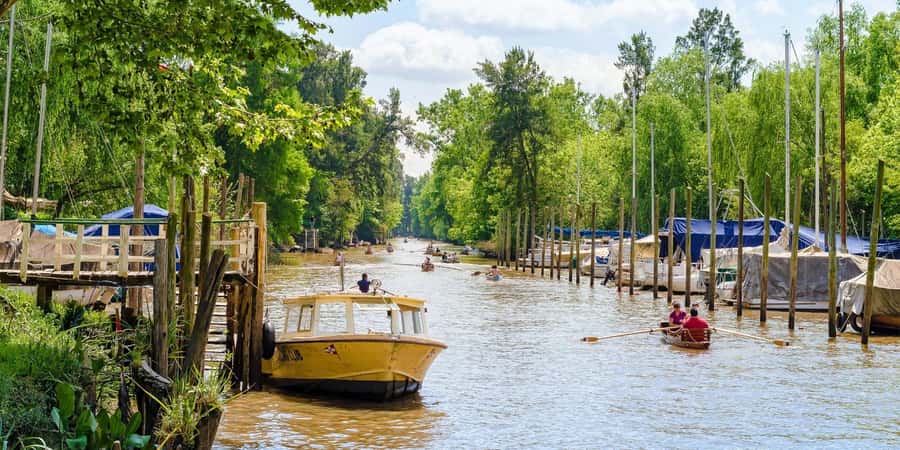
This is where the tour gets more “real” than a generic cruise. You’ll have a professional guide in Spanish and English, accredited by the City Government in the Delta. That accreditation detail matters because it suggests the tour isn’t just a casual narration; it’s tied to local standards.
On top of the live guide, there’s a trilingual audio guide included for the navigation portion, listed as English, Spanish, Portuguese. Translation is often where river tours fall apart—too much mumbling, or info you can’t follow. Here, the audio system is part of the package, so you have backup.
If you’re traveling with someone who reads better than listens, or you want to hear the same information in a different language, the setup is a practical advantage.
Price and value at $999 per person: what you’re paying for
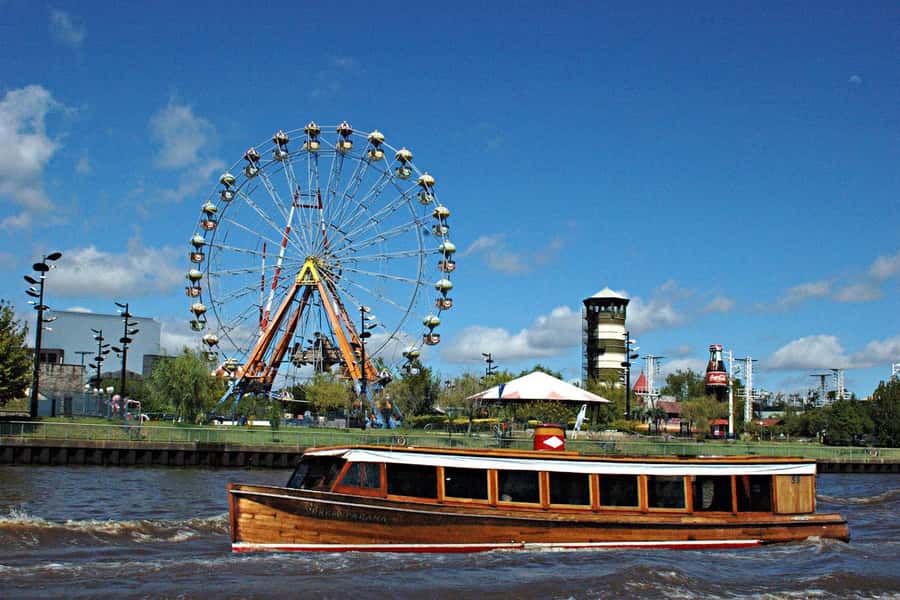
At $999 per person, this is not a bargain tour. The value question is less about “can I see Tigre cheaper” and more about what’s included and how much time you spend on the core experience.
What you’re paying for, based on the tour description:
- A premium boat experience with a structured route through Río de la Plata into the delta
- Live bilingual guide (English/Spanish)
- Trilingual audio narration for the navigation segment (English/Spanish/Portuguese)
- A named port stop (Fruit Port)
- The cruise experience that lasts about 5 hours total, with a 3-hour cruise segment in Tigre
What reduces the value for some people:
- No hotel pick-up or drop-off (you’re responsible for getting to and from the meeting point)
- No food or drinks included
- There can be wasted time on land between segments, which hurts the “premium” feeling if you’re used to tight scheduling
My take: if Tigre architecture, San Isidro’s cathedral views, and a guided delta cruise are your priority, the included guide + audio + multi-river route can justify the cost. If you only want a quick taste of the delta and would rather spend less, this price is a barrier.
Who this tour is best for (and who should skip it)
This tour fits best if:
- You want a calm half-day on the water with real narration
- You care about architecture photos, especially San Isidro Cathedral and Tigre’s English-style buildings
- You like learning how island life connects to rivers and nature, not just seeing one dock and leaving
You might think twice if:
- You dislike any extra time spent waiting during transfers
- You expect food and drinks to be handled
- You want a door-to-door service from your hotel (this doesn’t include that)
It’s also a good pick for travelers who want structure. The route is specific: San Antonio River in, Capitán Sarmiento and Luján River along the way, and Tigre River Station to end the navigation.
Should you book the Tigre Premium with Boat Ride?
Book it if your goal is a guided, photo-friendly delta day where the main event is the river cruise. The strongest reasons are the named sights—especially Neo Gothic San Isidro and Tigre’s English-style architecture—plus the fact that you’re traveling through multiple delta waterways rather than doing a short, repetitive loop.
Think carefully before booking if you’re very time-sensitive. One reported weak spot is uneven organization on the ground, including communication issues and extra van time, which can make the day feel less smooth than you’d expect for a premium-priced tour.
If you can arrive with flexibility and focus on what happens on the boat, this can be a satisfying way to see Buenos Aires from a different angle—and then leave the city behind for the Paraná Delta.
FAQ
Where does the tour start and where does it end?
The tour starts at Cecilia Grierson 400, Buenos Aires and ends back at the same meeting point.
How long is the tour, and how long is the boat cruise?
The full experience lasts 5 hours. The Tigre portion is listed as a 3-hour boat cruise, with additional navigation on the Río de la Plata included.
What landmarks will you see from the boat?
From the water you’ll have panoramic views of Buenos Aires, River Plate Stadium, San Isidro and its Neo Gothic Cathedral, and the San Fernando neighborhood. You’ll also enter Tigre via the San Antonio River.
Which rivers are included in the cruise?
The route enters Tigre through the San Antonio River, then follows waterways including Capitán Sarmiento and the Luján River, traveling through five rivers of the Paraná Delta and ending at the Tigre River Station.
What languages are offered for the guide and audio?
The live guide is available in English and Spanish. The included audio guide is available in English, Spanish, and Portuguese.
What is included besides the boat ride?
In addition to the guided navigation and cruise, the tour includes a visit to the Fruit Port.
Are food and drinks included?
No. Food and drinks are not included.
Is hotel pick-up and drop-off included?
No. Hotel pick-up and drop-off are not included.
Can I cancel for a refund, and can I reserve without paying now?
Yes. You can cancel up to 24 hours in advance for a full refund, and you can reserve now & pay later (book your spot and pay nothing today).