REVIEW · PARIS
Paris Watercolor Workshop – Premium Small-Group Art Experience
Book on Viator →Operated by Atelier CREAA: Watercolor Experience in Paris · Bookable on Viator
Watercolor along the Seine feels like time travel. This premium small-group plein-air watercolor workshop pairs a calm, guided painting session with two iconic views in Paris, from the Musée d’Orsay area to the riverside. I especially like that you get professional, step-by-step help even if you’re brand-new, and you leave with a finished piece that’s framed for you. The one thing to keep in mind is that it’s an outdoor experience, so you’ll want to dress for spring weather and plan for a bit of damp cool air near the water.
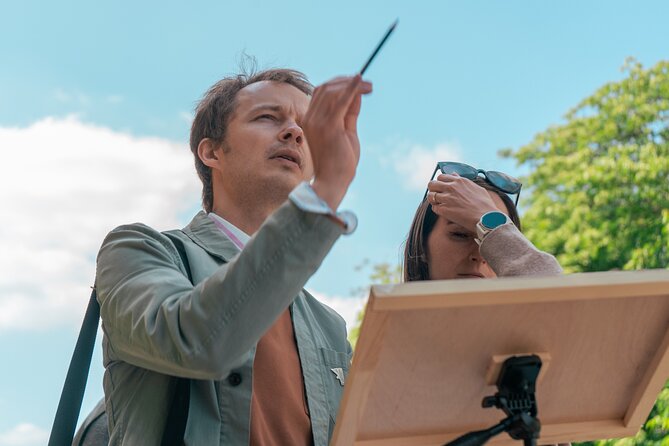
Artem from Atelier CRÉAA teaches with a patient, practical, step-by-step approach, and that matters in watercolor where beginners can get stuck fast. I also like that your teacher demonstrates core moves like washes, blending, and layering, so you’re not guessing what to do next. You’ll finish with photos and a custom frame, which turns a fun afternoon into a souvenir that actually lasts.
If you’re craving a quiet, creative break from ticket lines and constant sightseeing, this hits the mark. Just remember the cost reflects more than paint time: it includes all materials, guidance, and framing, so it’s a premium experience rather than a DIY activity.
In This Review
- Key points that make this workshop worth your time
- How this Paris Watercolor Workshop Fits Real Travel Time
- Starting at Terrasse du Bord de l’Eau: Easy to reach, easy to relax
- Musée d’Orsay: painting a Paris landmark with step-by-step help
- Moving to the Seine: plein-air calm, right where the light changes
- The technique you actually use: washes, blending, and layering
- Washes
- Blending
- Layering
- Finishing touches: custom framing and photos that make it a real souvenir
- Price and logistics: what you get for $226.37
- Who this Paris watercolor session is best for
- Quick tips to get better results (and enjoy it more)
- Should you book the Paris Watercolor Workshop?
Key points that make this workshop worth your time
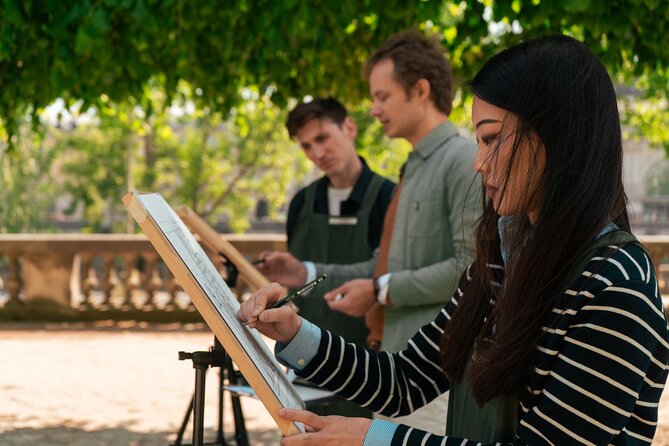
- Small group size (max 6) keeps the teaching personal and the pace unhurried.
- Museée d’Orsay to the Seine gives you two kinds of Paris scenes in one session.
- Step-by-step technique coaching covers washes, blending, and layering without prior experience.
- All supplies included means you show up and paint, no hunting for paper or brushes.
- Framing + photos at the end turns your watercolor into a ready-to-display keepsake.
- Folding stool provided adds real comfort when you’re painting outdoors.
How this Paris Watercolor Workshop Fits Real Travel Time
This is built for people who want to do something creative without turning the day into a logistics puzzle. The total session runs about 2 hours 50 minutes, with art instruction, painting time, and finishing touches. That time window is long enough to learn a few useful techniques, but short enough that you can still enjoy the rest of your Paris day.
The schedule is also traveler-friendly: Tue–Fri at 10:00 AM and Mon & Sat at 2:30 PM. There’s a seasonal note too: early March dates open on Monday, Wednesday, and Saturday at 2:30 PM, kicking off the outdoor season. If you’re in Paris around that shoulder season, you’ll get the bonus of spring light (the workshop description calls it out), without having to commit to a full day trip.
And yes, it’s offered in English, with a mobile ticket after booking. You don’t need to translate art terms or decode sketchy instructions. You just paint.
You can also read our reviews of more tours and experiences in Paris.

Starting at Terrasse du Bord de l’Eau: Easy to reach, easy to relax
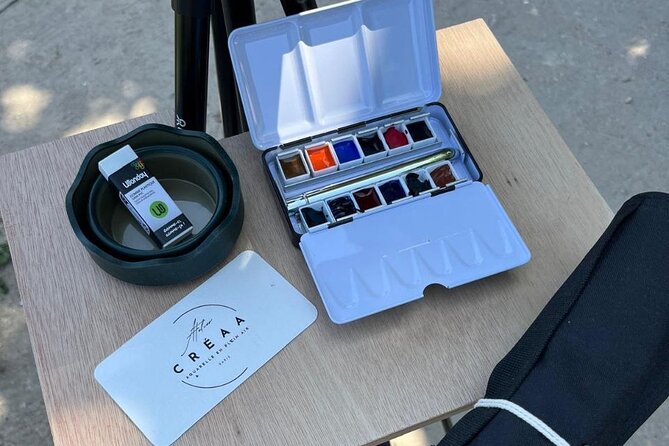
The workshop meets at Terrasse du Bord de l’Eau, 75001 Paris. One practical advantage of this meeting point: it’s described as being near public transportation, and the session returns to the starting area at the end. That means you’re not stuck figuring out how to get back with a framed piece in tow.
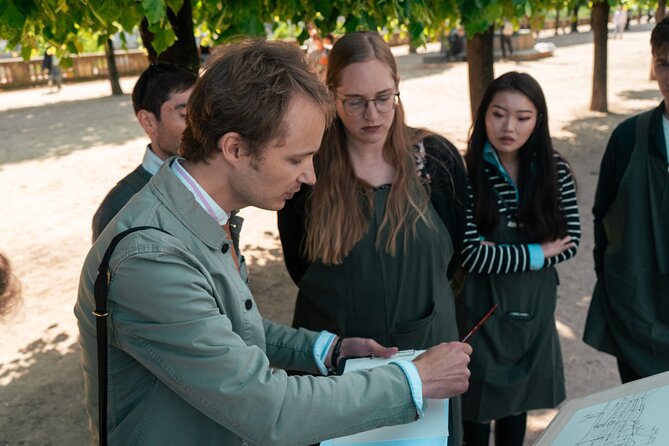
Also, the activity is designed so most travelers can participate. That’s important because watercolor can feel intimidating. Here, the structure helps you get started quickly: a short introduction, then technique guidance, then you paint your own Paris-inspired scene at your pace.
One small comfort detail that I value for outdoor activities: you’re given a compact folding stool. You’ll be surprised how much it changes the experience when you’re not trying to balance on hard ground for almost three hours.
Musée d’Orsay: painting a Paris landmark with step-by-step help
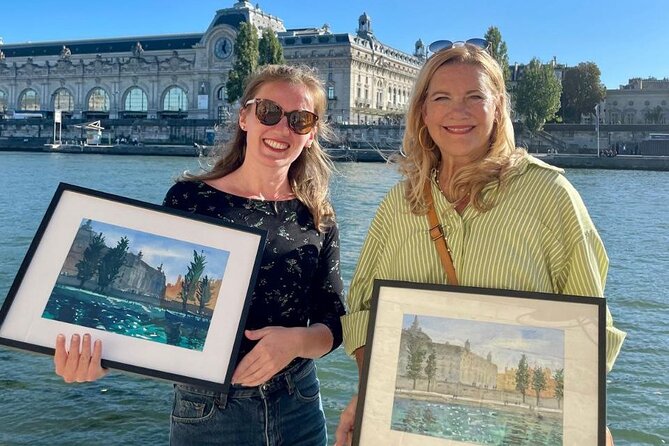
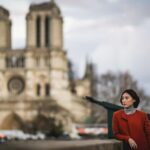
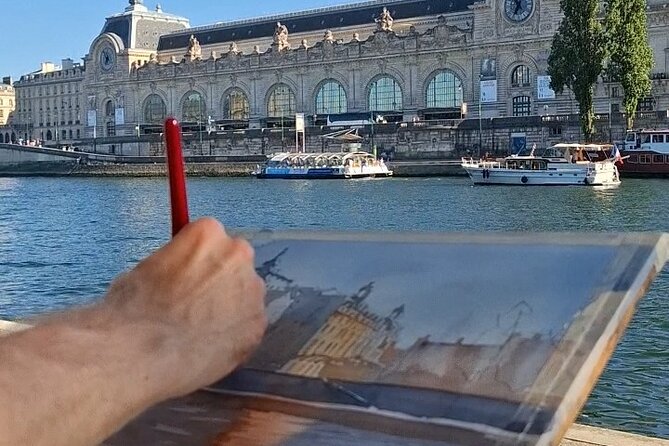
The first stop is the Musée d’Orsay. This matters because it’s not just a pretty backdrop. It’s a place where you can practice seeing shapes, edges, and light cues instead of trying to copy every detail.
Here’s how the workshop makes that doable:
- You begin with a short introduction to the location and materials.
- Artem demonstrates core watercolor methods: washes, blending, and layering.
- Then you follow a step-by-step process to paint your own version.
In plain terms, the teacher isn’t throwing you into a blank page. Watercolor can look simple until you’re trying to control the flow of pigment. A wash that’s too strong stains the paper. A layer added too soon turns muddy. A blend that’s too rushed hardens into streaks. The workshop is designed to prevent those beginner traps by guiding you through each move in order.
A bonus from the feedback: the host’s patience is a recurring theme. One reviewer explicitly said Artem was highly patient and that the step-by-step method worked well even as a beginner. That’s exactly what you want for a technique-based class in a public, outdoor setting.
Possible drawback here: the museum-adjacent setting can feel like you’re painting near other sights and foot traffic. If you’re someone who needs total silence to focus, you might find the environment a little active. The trade-off is you’re painting somewhere unmistakably Parisian.
Moving to the Seine: plein-air calm, right where the light changes
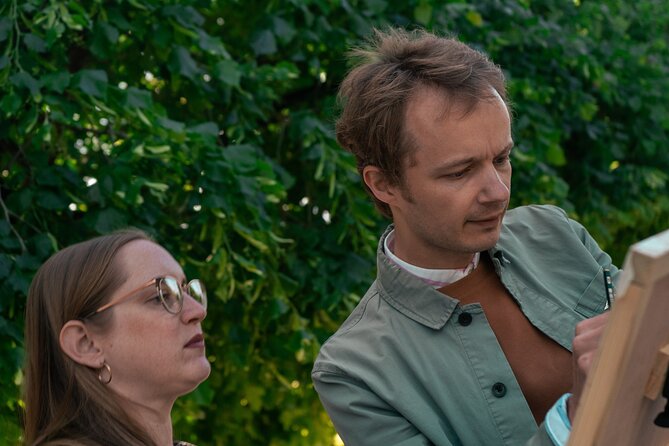
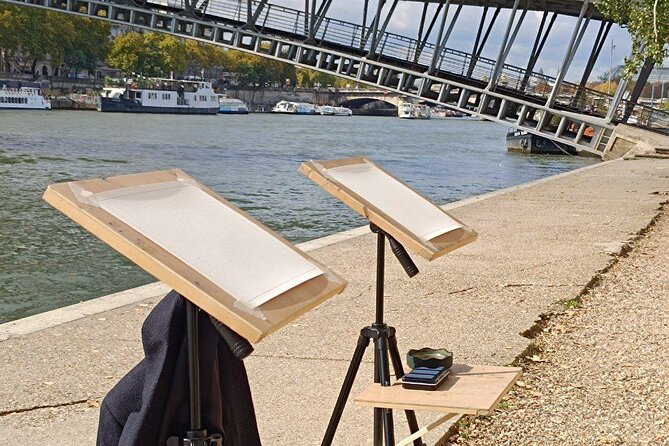
After the first scene work, you’ll head to the Seine for the plein-air part of the day. This shift is clever. Musée d’Orsay gives you a more “structured” subject with architecture cues. The riverside gives you softer visual rhythms—water reflections, bridges, sky tones, and that general Paris atmosphere that’s hard to describe but easy to feel.
The workshop’s big promise is peaceful creativity. In practice, the Seine setting helps because it invites a less rigid approach to detail. Your teacher’s guidance on blending and layering is particularly useful outdoors, where conditions change fast and your goal becomes capturing impressions rather than perfect lines.
And since the group is capped at 6 travelers, the pace stays calm. You’re not doing watercolor in a crowded classroom with a dozen opinions and a rushed teacher. You’re working with enough attention to correct technique before you lock in a mistake.
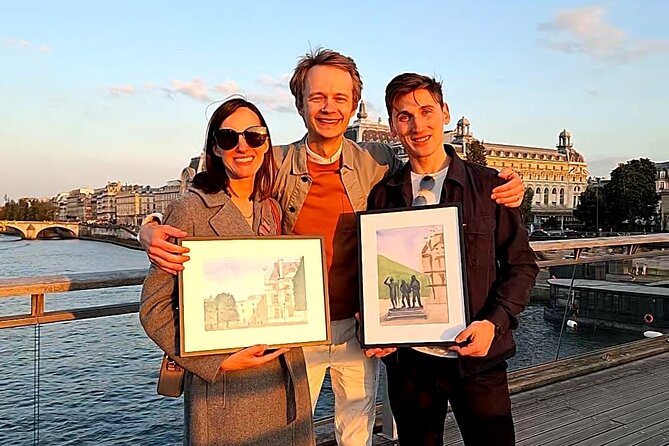
The end of the session includes photos together. That’s not a minor perk. It’s a way to remember the context—the spot, the season, the moment—so the framed paper doesn’t just become something you stored in a drawer.
The technique you actually use: washes, blending, and layering
This workshop is built around a few watercolor skills that translate directly to real results.



Washes
A wash is your base tone. If you can get a clean wash, you can stop fighting the paper. Artem’s demonstration includes how to use washes to establish mood without overworking the page. That’s the key for beginners: you’re learning how to start, not just how to fix mistakes.
Blending
Watercolor blending can go two ways: smooth transitions or hard edges that look accidental. You’ll practice blending so your layers talk to each other instead of fighting for control.
Layering
Layering is where paintings gain depth. The workshop’s approach is designed to help you build one stage at a time. Reviews praise the step-by-step method as effective for new painters, and that matches what layering requires: order and timing.
The practical takeaway for you: you’ll probably leave with at least one technique you can reuse later, even after you’re back in your hotel. That’s the difference between a one-off craft activity and a skill-building workshop.
Finishing touches: custom framing and photos that make it a real souvenir
One of the biggest reasons I think this experience is premium is what happens at the end.
Your finished watercolor gets:
- Framed for you via a custom frame
- Photos taken together
Instead of taking home loose paper that you have to figure out how to preserve, you get a finished piece ready for living room wall duty. For a city trip, that’s ideal. You avoid the chaos of shopping for frames later or worrying about corners bending in your bag.
Price-wise, this is where a chunk of the value is hiding. At $226.37 per person, it’s not just for the time at the easel. You’re paying for:
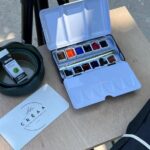
- professional art supplies (paper, paints, brushes, easel)
- guided instruction from a professional artist
- stool and outdoor comfort support
- and the custom framing step
That framing alone can be expensive if you price it à la carte. When you include guidance and materials, the overall cost starts to make sense for travelers who want a meaningful, display-ready keepsake rather than a souvenir you’ll never hang.
Price and logistics: what you get for $226.37
Let’s talk value like a realist.
This is a premium small-group workshop, not a budget craft class. The trade-off is you get an experience designed to work for beginners, with strong teaching structure and all supplies included. You also get two scenes in one session, which is efficient if you’re only in Paris for a short trip.
What’s not included:
- food and drinks
- transportation to/from the meeting point
That last part is more than trivia. You’ll want to plan to arrive on time using public transit or a short walk. The workshop does start at a specific meeting spot on Terrasse du Bord de l’Eau, and it ends back there.
My practical advice: treat this as a focused afternoon or morning activity. Eat before you go (or plan snacks separately). Then give yourself a calm start so you can fully enjoy painting rather than thinking about where to grab coffee afterward.
Who this Paris watercolor session is best for
This workshop makes sense if you fall into one of these categories:
- You’re a beginner who wants real guidance and doesn’t want to waste time guessing.
- You want a quieter, more hands-on side of Paris, not just sightseeing photos.
- You want an actual keepsake that’s framed and photographed, not just a skill you tried once.
It may be less ideal if:
- You need fully indoor comfort all the time, since it’s an outdoor plein-air session.
- You prefer fast, high-energy group tours where you’re moving constantly. This one is meant to slow down and paint.
And because the group is capped at 6, it’s a good fit for travelers who like personal attention without feeling like they’re in a private lesson bubble.
Quick tips to get better results (and enjoy it more)
You’ll get the best experience if you show up ready to paint, not ready to improvise.
- Dress for the river area. Even in spring, it can feel cool near water.
- Bring your full attention to the first technique demo. If you nail washes early, everything gets easier.
- Don’t aim for every tiny detail. The approach is built for capturing Paris light and atmosphere, not copying every brick.
- Take the photos seriously. When you get them at the end, you’re also documenting the learning moment.
If you’ve never painted before, that’s not a problem. Reviews highlight that Artem’s teaching is effective for beginners, especially because the method is step-by-step and patient.
Should you book the Paris Watercolor Workshop?
If you want a small-group, beginner-friendly Paris watercolor workshop with real instruction and a finished, framed painting at the end, I think it’s an easy yes. The best parts are the focused teaching approach from Artem at Atelier CRÉAA, the calm pace for up to 6 people, and the fact that you leave with a souvenir you can display immediately.
Book it if you’re in Paris around the dates offered and you’re looking for an afternoon that feels different from museum-hopping. Consider skipping it only if outdoor conditions would bother you too much or if you’d rather spend less and accept a simpler craft outcome.
For many travelers, this is one of the few activities that turns Paris into more than photos. It turns the city into something you can hold.