REVIEW · PARIS
Covered passages: secrets, luxury and modernity
Book on Viator →Operated by Matteo Allavena · Bookable on Viator
One Paris secret that’s actually fun to hunt is the covered passage. This walk strings together Paris street life, grand boulevards, and tucked-in corridors, so you see the city’s luxury and modernity in the same breath. It starts at Porte Saint Denis and ends back where you began, with the route reaching the Louvre area.
I especially love how the route connects the student-and-local vibe of the 10th arrondissement with the big-deal energy of the boulevards. I also like that you’re not just looking at pretty interiors; you’re seeing how different passages reflect different parts of daily Paris life. The guide, Matteo Allavena, brings that to life in a way that feels genuinely enthusiastic.
One possible drawback: this is a walking tour with moderate fitness required, and it depends on good weather. If you hate walking, or you’re traveling with limited mobility, you may want to consider a less foot-heavy option.
In This Review
- Key highlights you’ll care about
- Paris Covered Passages Are the Perfect Start Point for First-Time Clues
- Route Shape, Timing, and Group Size (So You Don’t Guess)
- Start at Porte Saint Denis: A Different Paris Behind the Arch
- Passage Brady: Where Paris Feels Social, Not Staged
- Passage Jouffroy: A 19th-Century Feel With Modern Street Momentum
- Passage des Panoramas and Passage Verdeau: The Boulevard Era in Covered Form
- Jardin du Palais Royal: A Calm Reset Before the Intellectual Zone
- Richelieu Library (Site Richelieu): Where Money and Ideas Touch
- Ending Near the Louvre: Big Paris Recognition Without the Chaos
- Price and Value: Paying $24.08 for a Smart Mix of Stops
- Who This Walk Is For (And Who Might Want a Different Style)
- Should You Book This Paris Covered-Passage Walk?
- FAQ
- What language is the tour offered in?
- How long is the walk?
- Where do I meet the guide, and where does it end?
- How big is the group?
- Is it suitable if I have moderate walking ability?
- What happens if the weather is poor?
Key highlights you’ll care about

- Matteo Allavena: a guide with serious knowledge and clear enjoyment of the subject
- Small group (max 20): easier questions and a smoother pace through tight spots
- Major stops in famous covered passages: Passage Brady, Passage Jouffroy, Passage des Panoramas, Passage Verdeau
- Real Paris in-between moments: Porte Saint Denis street energy and the shift toward the Louvre area
- Richelieu library visit: ideas and finance meet in one walk
Paris Covered Passages Are the Perfect Start Point for First-Time Clues
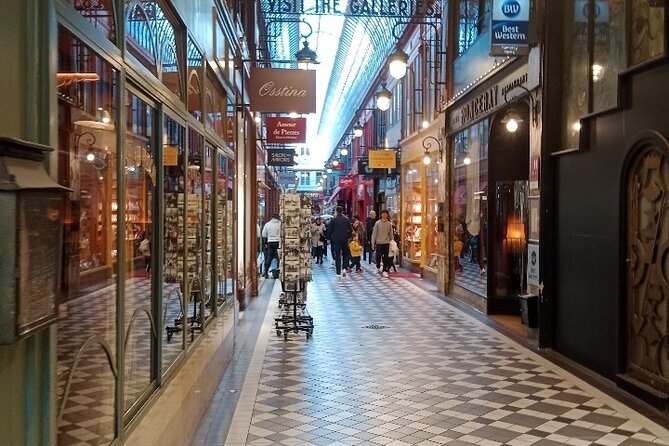
Paris has a “front stage” people know well. Then it has the in-between world: passageways that act like indoor streets, tucked just off the big thoroughfares. This tour is built for catching those clues fast.
It’s also a good reality check for what Paris really feels like day to day. You’ll move from lively local life near Porte Saint Denis into the more polished commercial rhythm of the boulevards, then toward a quieter, bookish zone around the stock exchange district and Bibliothèque de recherche – Site Richelieu. That mix is the point: you see Paris as both everyday and theatrical.
And at just around 2 hours, it’s the kind of walk you can fit into almost any trip rhythm without burning half a day.
You can also read our reviews of more tours and experiences in Paris.


Route Shape, Timing, and Group Size (So You Don’t Guess)
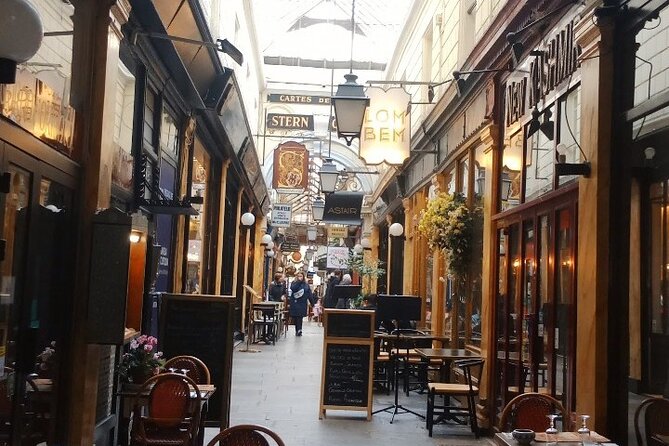
This is an English guided walk in a small group of up to 20 people. The tour runs about 2 hours, and it’s designed as a steady walk rather than a series of long museum stops.
A practical detail: it uses a mobile ticket, which keeps the whole process simple once you’re on the ground. Confirmation comes at booking time, so you’re not waiting around for a separate email later.
Finally, plan for walking. The tour lists moderate physical fitness as the expectation, so you’ll want comfortable shoes. Covered passages can feel tight and busy, and you’ll want to move with the group rather than stopping for long stretches.
Start at Porte Saint Denis: A Different Paris Behind the Arch
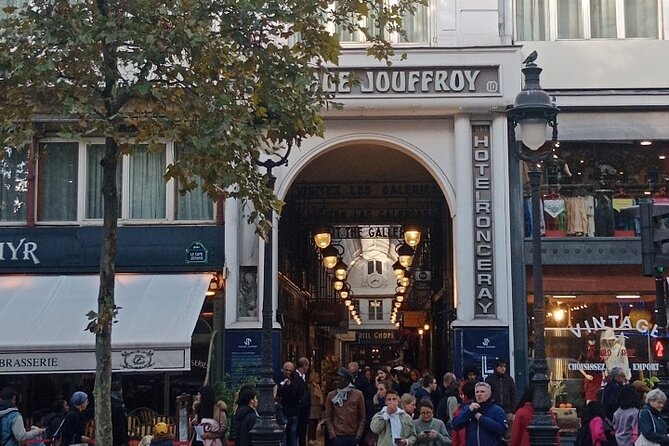
You begin near Métro Strasbourg St Denis (lines 4, 8, 9) on Bd de Bonne Nouvelle. From there, you get your first shift in mood quickly: instead of starting with the most obvious tourist icons, the walk begins in the 10th arrondissement around Porte Saint Denis.
Why this matters: you see the “real” city texture early. The area sits behind major monuments, but it’s not just monuments. It’s student and popular life—lively, human, and less rehearsed than the postcard center.
Look around as you walk. Notice how people move between streets and entrances into covered passages. This tour’s theme is contrast, and this opening segment is the contrast calibration. It’s Paris with wheels on it.
Passage Brady: Where Paris Feels Social, Not Staged
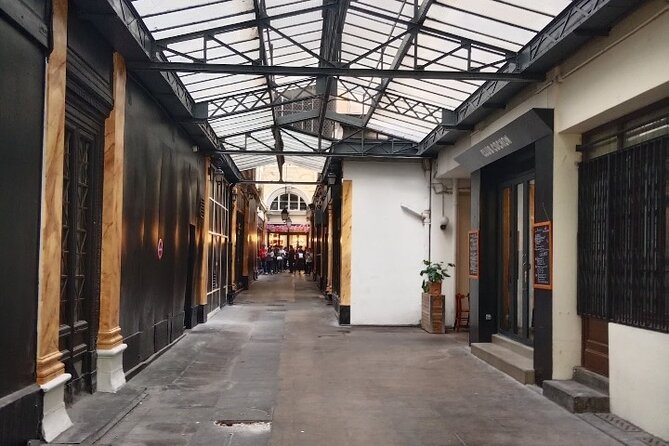
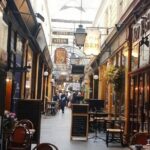
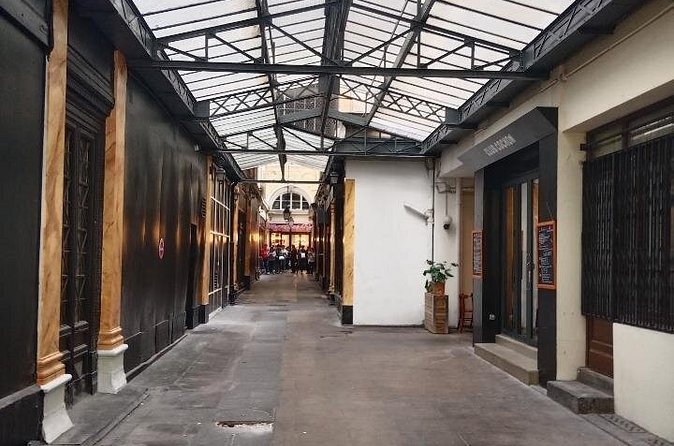
Passage Brady is the first dedicated covered passage stop. Covered passages aren’t just decorative; they’re practical city corridors that used to help shoppers and small businesses move through bad weather and busy streets without giving up the urban pulse.
In this tour’s approach, Passage Brady isn’t treated like a “check the box” stop. It’s a doorway into how Paris supports different social scenes in one neighborhood—especially in areas that feel less polished on the surface but rich in everyday culture.
What you can do here: take a slow look at how storefronts and foot traffic shape the passage atmosphere. If you like street-level observation, this first passage gets you into the right mindset for the rest of the walk.
Possible consideration: because these passage interiors can get busy, you’ll want to be comfortable following the group and listening rather than reading every sign like you’re in a library exhibit.
Passage Jouffroy: A 19th-Century Feel With Modern Street Momentum
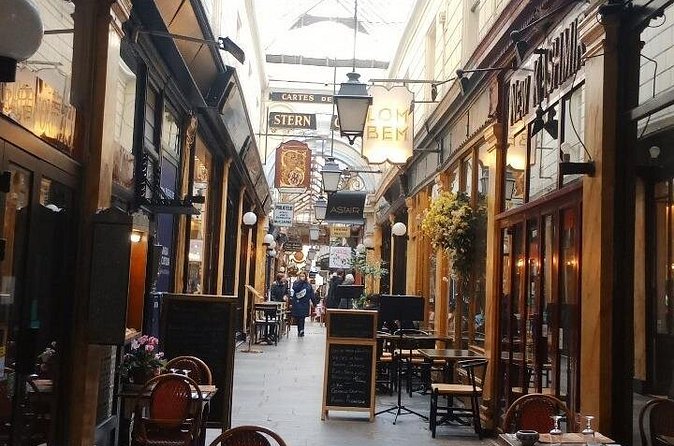
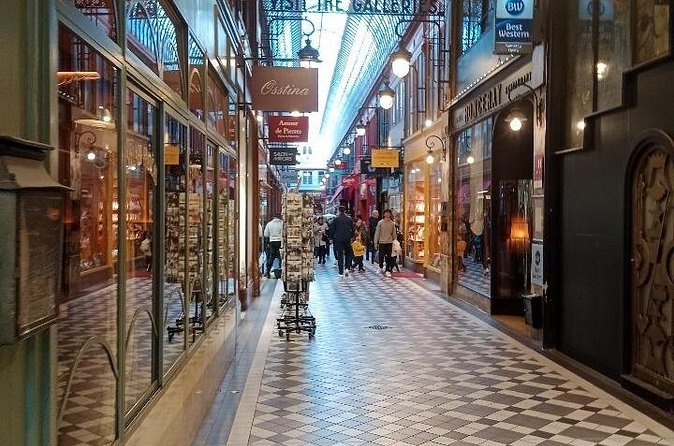
Next is Passage Jouffroy. This is one of the passages the tour frames as part of that 19th-century Paris impression. In other words, you’re not just walking through a corridor—you’re walking through a different architectural mood.
The big idea is that these passages preserve a kind of “old-world” vibe even as the surrounding city runs modern. That’s where the luxury and modernity theme becomes real. Paris doesn’t flip a switch from old to new. It overlays them.
How to enjoy this stop: stay alert for contrast. Look at the passage structure and then glance out toward the surrounding boulevards. You’ll start to see the passages as bridges—between different eras, and between different kinds of people.
And yes, Passage Jouffroy fits the tour’s overall promise: it’s a way to understand Paris culture without needing a formal museum ticket.





Passage des Panoramas and Passage Verdeau: The Boulevard Era in Covered Form

Then you hit two more major covered passages: Passage des Panoramas and Passage Verdeau. The tour connects these with the feeling of reliving 19th-century Paris, and that’s exactly what they tend to deliver: an older kind of street scale, wrapped into an indoor setting.
This is also where the boulevard story grows stronger. The tour spends time moving through the commercial and festive rhythm of central Paris—big-name culture like Cinema Rex, the department store Lafayette, and theaters along the main boulevards. When you step into passages right after that kind of street energy, you feel the shift. It’s like changing rooms without leaving the party.
At Passage des Panoramas and Passage Verdeau, I’d treat your attention like this:
- Notice how the coverage changes sound and light
- Watch how the space channels people
- Think of it as shopping and social life, not just architecture
You’ll also get a stronger sense of why these passages have stayed relevant. They’re practical urban spaces, even when the look is historical.
Jardin du Palais Royal: A Calm Reset Before the Intellectual Zone
After the passages, the walk moves toward Jardin du Palais Royal. This is a different kind of stop: a pause from the corridor-and-shop flow.
Why it works in the tour: it gives your brain a reset. After the covered passage stops—which can all feel like variations on a theme—you shift into an outdoor garden moment. It’s not a random break. It’s a change in tempo that keeps the rest of the walk enjoyable.
Use this segment to regroup and look up. In central Paris, open spaces can change how you read the architecture around you. And because the tour later reaches the library, this garden stop acts like a transition toward quieter, more studious energy.
Richelieu Library (Site Richelieu): Where Money and Ideas Touch
The tour’s next major stop is Bibliothèque de recherche – Site Richelieu. This is set in the district level of the stock exchange area, where finance and intellectual life share the same neighborhood.
That’s a fascinating pairing. Big banks sit close by, and then you’re at a library that’s described as one of the oldest and most beautiful in Paris. Whether you care deeply about books or not, the contrast is worth experiencing in person.
In this section, I’d encourage you to listen closely to Matteo’s commentary. The best part of this stop isn’t just the building name—it’s the way the tour frames why a place like Richelieu matters. Paris has always mixed commerce and culture, and this is where the idea becomes tangible.
Also, take in the surroundings. Even if you’re focused on the library itself, look around afterward and you’ll feel how close the different worlds are.
Ending Near the Louvre: Big Paris Recognition Without the Chaos
The tour finishes in the Louvre area, but the activity itself is described as ending back at the meeting point. Practically, you should expect that you’ll return to the starting neighborhood zone rather than getting dropped in the far end of a different district.
Either way, ending after Richelieu with the Louvre area in view makes sense. By that point, you’ve already trained your eyes to notice contrasts:
- covered passage life vs. main boulevard culture
- street noise vs. quieter interior spaces
- local energy vs. high-power finance districts
That last stretch helps the Louvre land differently in your mind. You’re not ending with a blind leap into a major tourist magnet. You’re ending with context.
Price and Value: Paying $24.08 for a Smart Mix of Stops
The price shown is $24.08 per person for about 2 hours. For a small group with an English guide, that’s strong value—especially because the tour includes multiple “character stops” rather than just one highlight.
What makes it feel worth the money:
- You’re paying for interpretation, not just walking
- The stops are varied (passages, boulevards, garden, library)
- You’re capped at 20 people, which improves the experience quality
- You get a guide who, per the feedback you’ll hear about, brings real energy and depth—Matteo Allavena
One note: the tour depends on good weather. If the forecast is bad, you’re likely to be rescheduled or refunded, so check conditions before you go out of your way.
Who This Walk Is For (And Who Might Want a Different Style)
This tour is ideal if you like:
- architecture that’s functional, not just photographed
- “side Paris” neighborhoods that still connect to the center
- learning how urban spaces reflect culture
It’s also a good option for people who want a guided overview without a long day. Two hours is plenty of time to change your mental map of Paris, especially if you’re pairing it with other sightseeing later.
If you dislike moderate walking or you’re traveling with limited mobility needs, you might find the pacing challenging. The tour is built for people who can keep a steady walking rhythm through passage interiors and city blocks.
Should You Book This Paris Covered-Passage Walk?
I’d book it if you want an organized way to see Paris covered passages, secret street energy, and the shift toward finance and the Louvre area—without spending your whole day in “big ticket” crowds. The strongest selling point is the combination of small group size and a guide like Matteo Allavena, who clearly cares about explaining the difference between each passage and what that says about Paris culture.
Skip it if you hate walking, or if your trip is so packed that weather-related changes would stress you out. Also consider alternatives if you’re looking for a slow, sit-down experience with long stops.
If you’re the kind of person who enjoys noticing the city’s in-between spaces, this is a very smart use of your time.
FAQ
What language is the tour offered in?
The tour is offered in English.
How long is the walk?
It lasts about 2 hours.
Where do I meet the guide, and where does it end?
You meet near Métro Strasbourg St Denis (lines 4, 8 and 9), Bd de Bonne Nouvelle, 75002 Paris. The activity ends back at the meeting point.
How big is the group?
The tour has a maximum of 20 travelers.
Is it suitable if I have moderate walking ability?
Yes. The tour lists moderate physical fitness as the expectation.
What happens if the weather is poor?
This experience requires good weather. If it’s canceled due to poor weather, you’ll be offered a different date or a full refund.