REVIEW · MARRAKESH
Marrakech to Fes 3-Day Sahara Desert Tour
Book on GetYourGuide →Operated by Desert Family Tour · Bookable on GetYourGuide
Sahara magic starts before breakfast. This 3-day drive turns into a full-on desert rhythm: you cross the Tizi n’Tichka Pass high in the Atlas, then you ride camels into the Erg Chebbi dunes.
I really like how the tour connects big Morocco icons with real time on the ground, not just photos. One thing to plan for: lunch and drinks aren’t included, and meal stops can be pricey, so budget a bit extra and don’t assume every lunch will be great value.
In This Review
- Key Highlights You Should Not Miss
- Why This Marrakech to Fes Sahara Route Feels Like Morocco’s Best Hits
- Day 1: High Atlas Over Tizi n’Tichka, Ait Ben Haddou, and a Night in Dades or Tinghir
- Day 2: Todra Gorges, Berber Cooperatives, and Erg Chebbi by Camel
- Merzouga Desert Camp Night: Tents, Drums, and Timing for Sunrise and Sunset
- Day 3: Camel Back, Ziz Valley Views, and Arrival in Fes
- Price, Comfort, and Food: What $118 Covers and What You Should Budget
- Who This Small-Group Tour Works For (and Who Should Skip It)
- Should You Book This 3-Day Sahara Desert Tour from Marrakech to Fes?
- FAQ
- How long is the Marrakech to Fes Sahara Desert Tour?
- How much does the tour cost?
- Is pickup from Marrakech included, and what if I’m staying in the Medina?
- Where do we stay overnight?
- What Sahara activities are included?
- Are meals included?
- Is there a vegetarian option?
- Is the tour suitable for everyone?
Key Highlights You Should Not Miss
- Tizi n’Tichka Pass: One of North Africa’s highest road crossings, with lots of photo pull-offs.
- Ait Ben Haddou Kasbah: UNESCO-listed fortress town, visited with about an hour on site.
- Todra Gorges walk: A canyon stroll with a local guide, stretching your legs after the long drive.
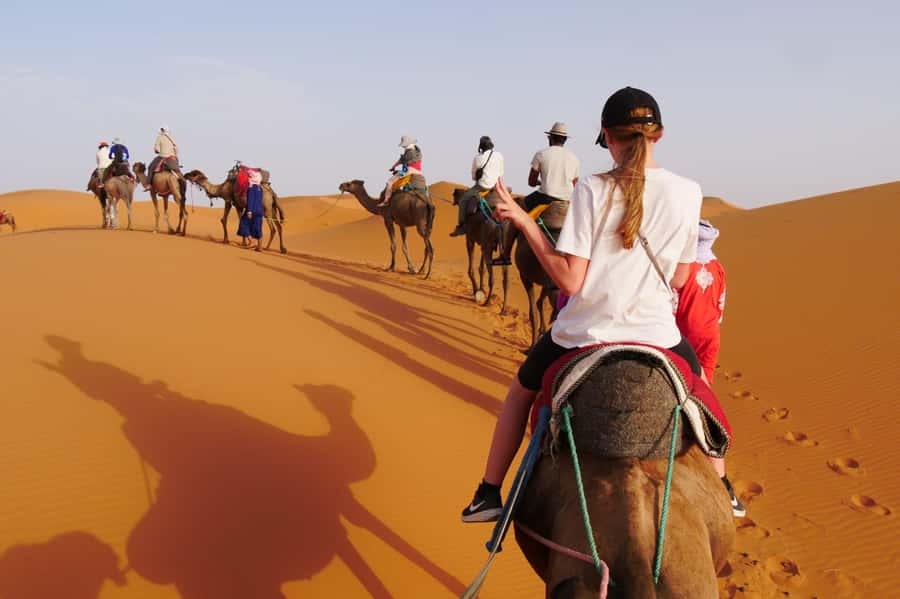
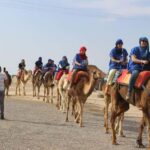
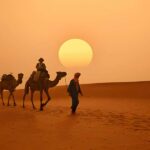
- Camel trek at Erg Chebbi: Ride into the dunes and end the day with desert lighting at golden hour.
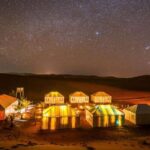
- Merzouga camp night: Traditional Berber tents, dinner, and drum music under a sky full of stars.
- Sunrise timing: Wake early for morning light over the dunes, then camel back before heading to Fes.
Why This Marrakech to Fes Sahara Route Feels Like Morocco’s Best Hits
This is a cross-country tour that actually earns its name Sahara. You start with Marrakech pickup, then head east through the High Atlas and out toward Merzouga, with the trip paced to include real stops (not just a nonstop bus ride). The two strongest “worth it” moments are the Atlas pass day and the desert day—everything else supports those.
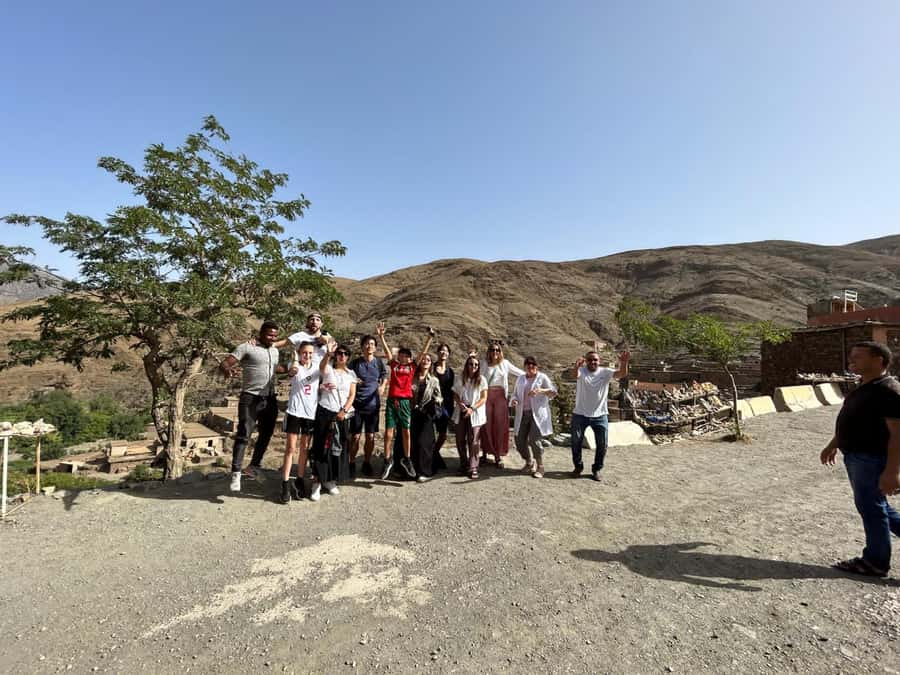
I also like the small-group setup (limited to 17 participants). In practice, that usually means fewer awkward moments in crowded minivans and a smoother switch between driving and local walks. On the people side, you’ll ride with an English-speaking driver/guide, and I’ve seen names like Hamza, Youssef, Hassan, Oussama, and Mohamed Rasta show up—so the experience can feel personal rather than totally factory-style.
The tradeoff: you’re still traveling a lot. Day 3 in particular is a long haul from Merzouga to Fes (around 8 to 9 hours, depending on stops and road conditions). If you get antsy in the car, pack for it—water, something to snack on, and a way to handle heat if the van’s air isn’t cooperating.
You can also read our reviews of more tours and experiences in Marrakesh.
Day 1: High Atlas Over Tizi n’Tichka, Ait Ben Haddou, and a Night in Dades or Tinghir
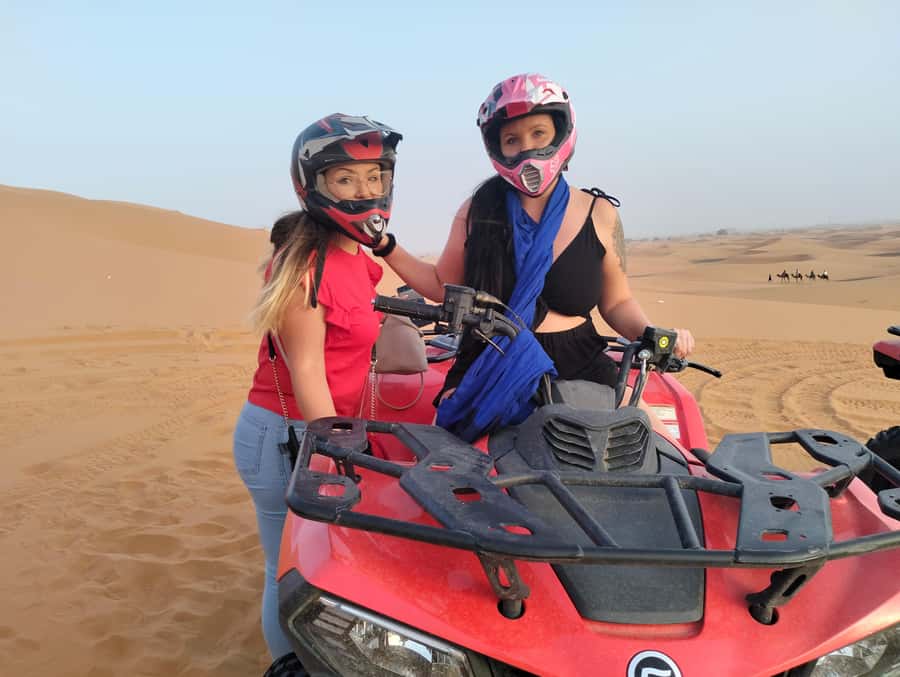
You start early in Marrakech, with pickup from your hotel or the closest car-accessible meeting point if you’re inside the Medina. From there, you drive east through villages and rural scenery, with frequent chances to step out for photos and a quick break—plus a coffee stop along the way.
The big moment on Day 1 is crossing the Tizi n’Tichka Pass. This isn’t just a “get over the mountain” moment; it’s where the altitude and changing terrain really hit. Plan for cool mornings early and warmer afternoons as the day changes, and keep your phone ready for wide shots when the van slows for viewpoints.
After the pass, you visit Ait Ben Haddou Kasbah, a UNESCO World Heritage site and a star location for major films. You’ll have about one hour on site. The tour notes the kasbah visit as outside-focused; there’s also an optional local guide fee mentioned (around 2 € per person) if you want deeper explanations. If you’re the type who likes asking lots of questions, it helps to come with a few: how it functioned, why it was strategic, and what you’re seeing as you walk through.
Then you continue toward Ouarzazate and Klaa Mgouna, passing through areas like the Dades Valley before checking in to a hotel in Dades or Tinghir. Dinner is arranged, including a dinner stop connected to the Rose Valley area. It’s a “settle in and recover” kind of evening—because Day 2 is where the desert really starts.
Day 2: Todra Gorges, Berber Cooperatives, and Erg Chebbi by Camel
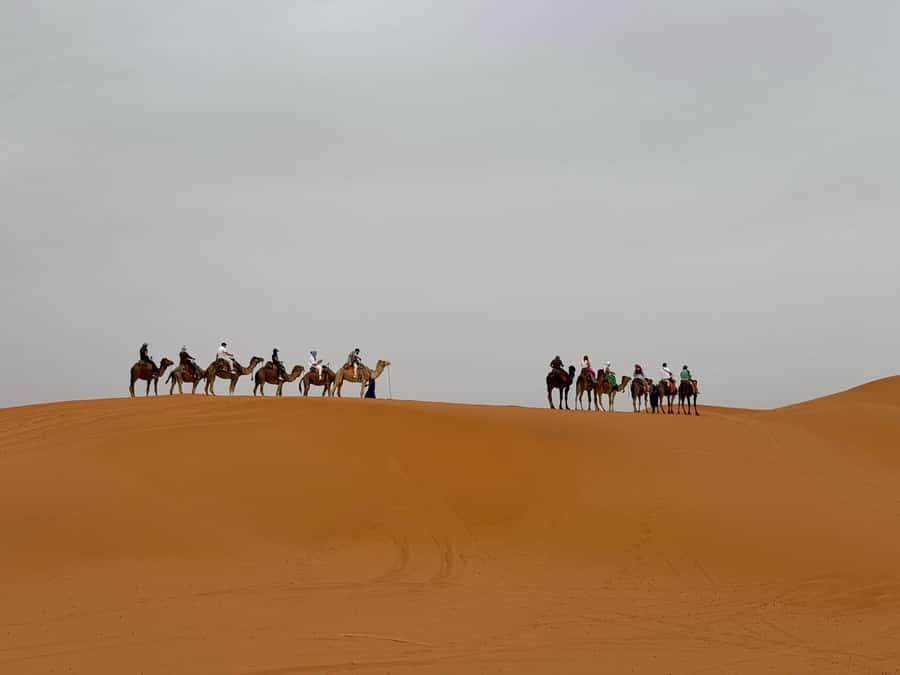
Day 2 is the bridge day from mountains and valleys to real Sahara dunes. After breakfast, you head toward Merzouga and the Erg Chebbi dunes, passing through towns like Tinghir, Tinjdad, and Erfoud. The pacing stays travel-focused but not frantic—there are scheduled stops, and you get time to look and walk.
One of the best stretch-your-legs stops is Todra Gorges. You’ll do a guided canyon walk, so you’re not just looking from the road. It’s the kind of place where your brain starts shifting gears: you can feel how rock and water shaped the routes people built around here.
Next, you visit a local cooperative where you can learn about regional crafts and products. This is one of those stops that can either feel meaningful or feel like a sales stop, depending on your expectations. What helps is asking questions like how products are made and what the cooperative does for the community.
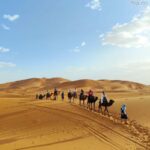
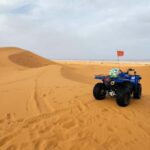
As you near Merzouga, things gradually turn into desert-feeling terrain. Once you arrive, you relax briefly, then pack a small overnight bag (big luggage stays in the vehicle). Then comes the main show: the camel trek into the dunes and onward to a traditional Berber desert camp.
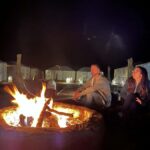
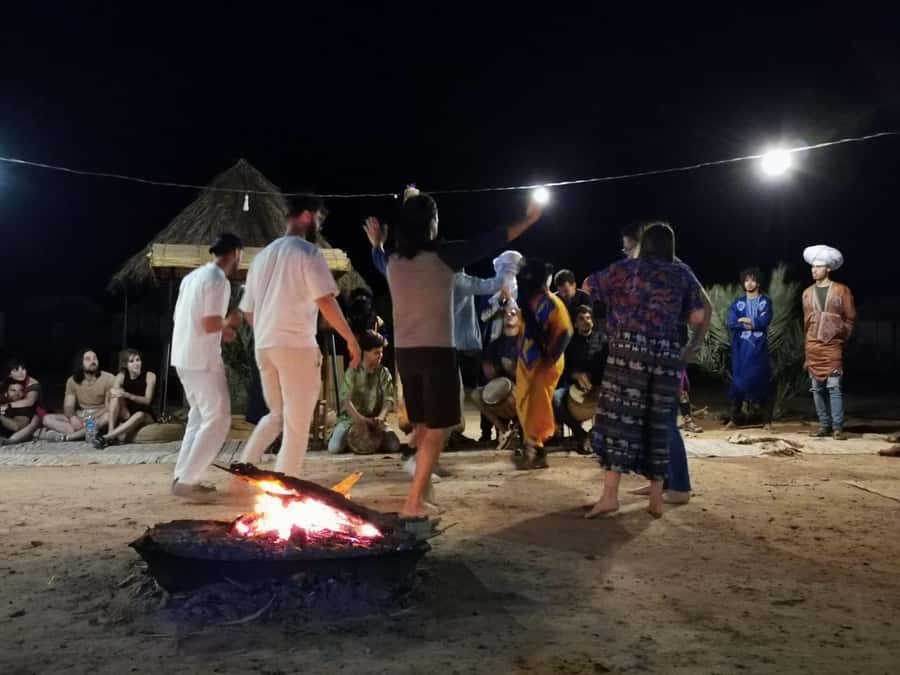
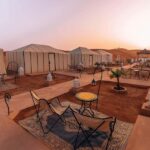
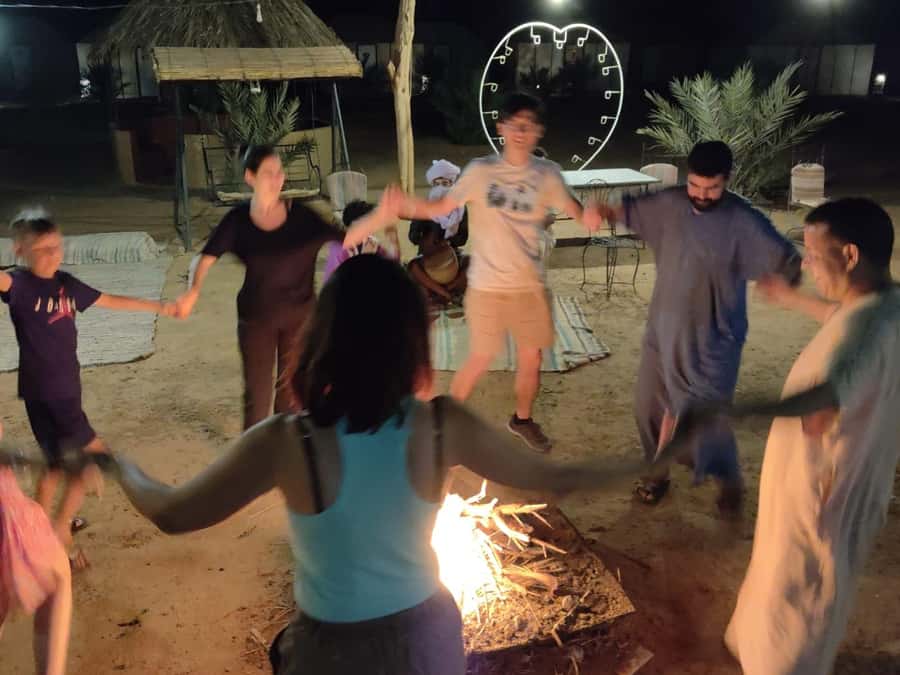
You’ll reach camp in time for the sunset, walk up the dunes to watch the light change, and then enjoy dinner with traditional drum music around the campfire. You sleep in comfortable nomad-style tents with camp staff support and desert camp services. If sandboarding is available at the camp, it’s included too—but availability depends on what the camp has on hand.
Merzouga Desert Camp Night: Tents, Drums, and Timing for Sunrise and Sunset
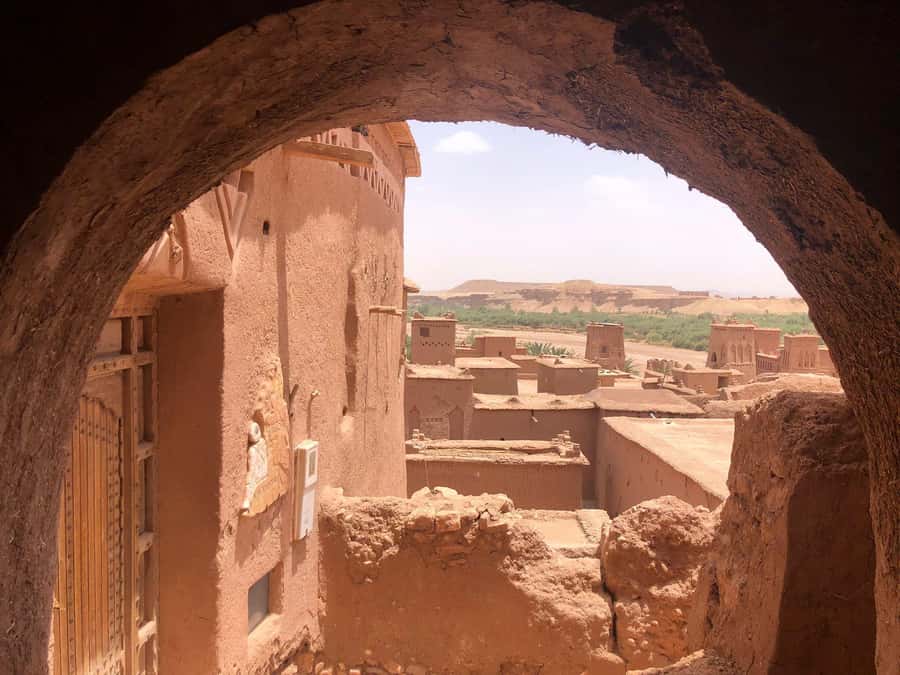
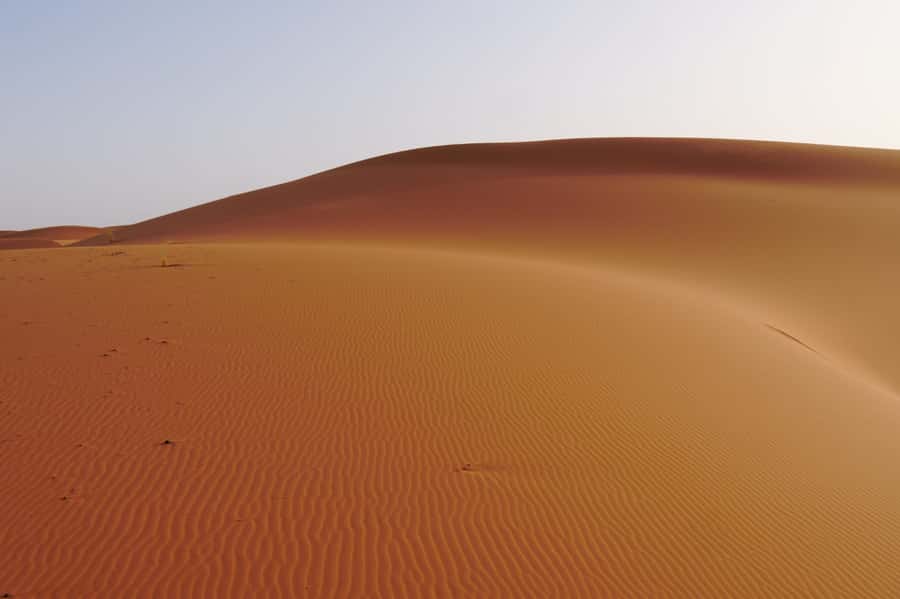
The desert camp night is the reason many people pick this tour, and for good reason. The day is designed around sunset and sunrise, meaning you’re not only seeing the dunes—you’re seeing them when they’re at their most dramatic. Late-day shadows stretch hard, then the dunes cool down, and by morning the colors shift again.
The experience is traditional: Berber nomad tents, a shared dinner setup, and drum music that sets the tone for the night sky. You’re sleeping in the desert environment, so expect a more basic but special setup than a hotel bed—and lean into it. Stars are a major part of the appeal, and the timing is built in rather than optional.
A practical note: some people have said that at times the camel-handling and on-camel support can be basic. So if you’re nervous about mounting or balance, ask the handlers for a careful assist before you climb. If you’re traveling with someone who gets motion sick, plan for that early because the trip involves long drives and then time on camel backs.
Food is dinner and breakfast included on both nights, but lunches and drinks aren’t included. And while dinner is included, some folks have reported problems with certain food stops along the route. I can’t promise that will happen to you, but it’s smart to be cautious: keep water with you, and if you’re sensitive, consider carrying a small travel kit of essentials like soap or any stomach-calming basics you prefer.
Day 3: Camel Back, Ziz Valley Views, and Arrival in Fes
Day 3 starts early for sunrise over the dunes. Then you return to Merzouga by camel, followed by breakfast. The camel portion is part of the overall package, but it’s also a chance to take the desert at a slower pace compared to Day 2’s arrival rush.
After breakfast, it’s straight into the drive toward Fes. You’ll cross the Ziz Valley through Errachidia and continue through the Middle Atlas Mountains. This is the long day, and the schedule allows for stops and road conditions, which is why the transfer can be about 8 to 9 hours.
When you arrive in Fes late afternoon, you’re dropped off at your accommodation or the closest accessible location. That’s useful because many riads and hotels are in areas where big vehicles can’t go.
One more reality check: you’re finishing with a major city transfer right after a desert morning. If you value a calm arrival, plan a light evening. Keep it simple—check in, hydrate, and wander a little only if you still feel human.
Price, Comfort, and Food: What $118 Covers and What You Should Budget
At around $118 per person for three days, you’re paying for a package that combines transport, one hotel night, one desert camp night, and the key desert activities (camel trekking plus sunrise/sunset). For this kind of route—Marrakech to Merzouga and then onward to Fes—that’s not an outrageous price.
But value depends on how you handle the extras. Lunches and drinks aren’t included, and you’ll be stopping at places along the way. Multiple people have described lunch stops as overpriced, and some felt they were pressured to eat there. You’re not totally powerless: keep your budget flexible, have some cash ready, and be willing to make your own decision about where you eat.
Comfort-wise, the minivan is described as comfortable, and you travel with an English-speaking driver/guide. Still, some riders have reported AC not working at points, so if you travel in hot months, dress with layers and bring water. Also, keep in mind that luggage is handled with a simple rule: pack a small overnight bag for camp, and larger bags stay in the vehicle.
For a smoother trip, this is a smart planning list:
- Bring your own water bottle and expect lunches to cost extra.
- Pack a small overnight kit for camp (not a full suitcase).
- If you’re sensitive to food, be selective at paid meal stops.
- Keep a phone power bank charged for long drive days.
Who This Small-Group Tour Works For (and Who Should Skip It)
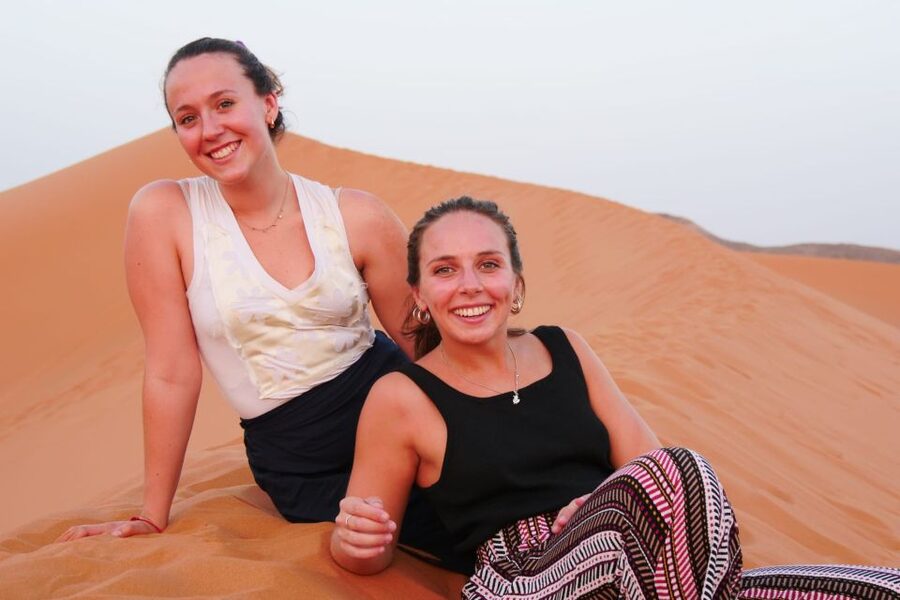
This tour fits best if you want a clear Morocco highlight path with minimal planning. You like road trips that also include guided walks (Todra Gorges), a major cultural site (Ait Ben Haddou Kasbah), and a classic desert night (Erg Chebbi dunes with camel trekking).
It’s also a good match for people who prefer a small group rather than a giant coach. With up to 17 participants, you’ll usually get easier coordination for viewpoint stops and camp logistics.
It may not fit if you dislike early mornings. Day 2 is active, Day 3 is early, and you’ll spend long stretches on the road. Also, the tour explicitly notes it’s not suitable for pregnant women.
If you’re traveling with kids, the data you have doesn’t specify an age range, so you’d need to check fit carefully. If you have mobility issues or expect constant short walks, still know the desert day involves stairs of sand and a canyon walk—short, but real.
Finally, if you’re the type who wants deep historical storytelling at every stop, bring your curiosity. Some on-site guides can be more scripted than interactive, so ask follow-up questions if you care about the details you’re seeing.
Should You Book This 3-Day Sahara Desert Tour from Marrakech to Fes?
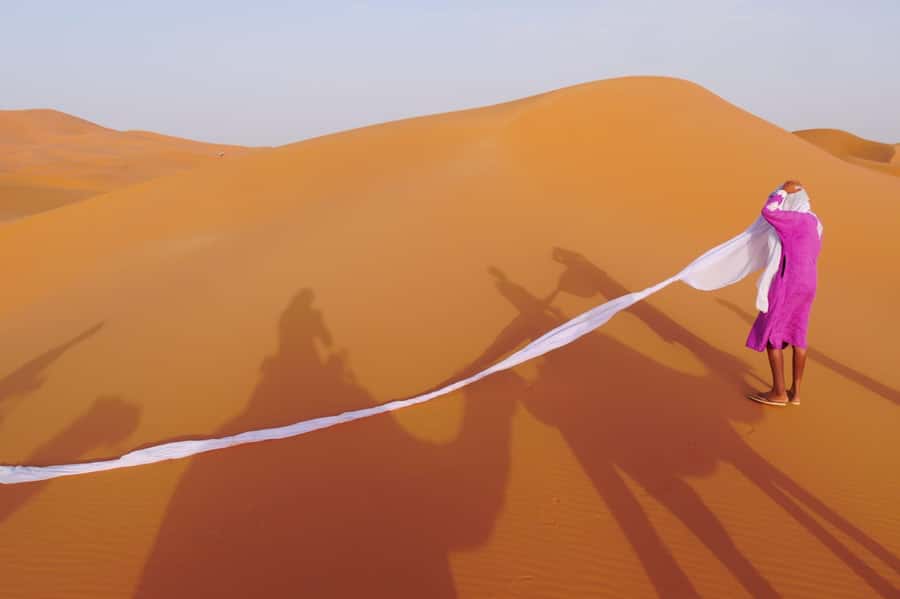
Book it if your priority is real desert time—camel trekking, sunrise and sunset at Erg Chebbi, and one night in a Berber camp with dinner and drum music. This itinerary is built around the big moments, not around filler.
Consider a different option if you’re very budget-tight or highly sensitive about food. Lunches and drinks are on you, and meal stops can be uneven. Also, if car comfort is a must, keep in mind reports of AC issues and the long drive day into Fes.
My practical take: if you go in with the right expectations—plan for paid lunches, pack a small overnight bag, and treat the desert day as the main event—you’ll feel like $118 bought you a genuine change of scenery. For many people, that’s the point.
FAQ
How long is the Marrakech to Fes Sahara Desert Tour?
It’s a 3-day tour.
How much does the tour cost?
The price is $118 per person.
Is pickup from Marrakech included, and what if I’m staying in the Medina?
Yes, pickup is included from any hotel or riad in Marrakech, but if your place is inside the Medina, you’ll meet at the closest accessible point by car.
Where do we stay overnight?
You stay one night in a hotel in Dades or Tinghir, and one night in a traditional Berber desert camp in Merzouga.
What Sahara activities are included?
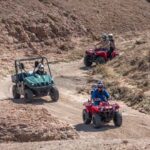
Camel trekking into the Erg Chebbi dunes, desert sunset and sunrise, and sandboarding if it’s available at the camp.
Are meals included?
Dinner and breakfast are included on both nights. Lunches and drinks are not included.
Is there a vegetarian option?
Yes, a vegetarian option is available if you advise the provider at the time of booking.
Is the tour suitable for everyone?
No. It is not suitable for pregnant women.