REVIEW · MARRAKESH
Marrakech: 3-Day Desert Trip to Merzouga with Luxury Camp
Book on GetYourGuide →Operated by Sahara Desert Trip · Bookable on GetYourGuide
Three days, two camel rides, one desert night. This trip pairs High Atlas Mountain road views with Morocco’s signature desert color at Erg Chebbi, plus two guided nature hits like Todra Gorge and the Tinghir Oasis. I like how the schedule balances big sights with real time on the move, and I also like the included desert camp night for that proper off-grid feel. One heads-up: the drive is long, and the heat can be intense in summer, so pack for comfort and manage expectations about accommodations.
What really makes this work is the pacing. Day 1 is a visual warm-up through mountain roads and kasbah country, then you sleep in Boumalne Dades. Day 2 switches to oasis-and-cliff scenery, ending with a sunset camel trek into the dunes. Day 3 is sunrise camel time, plus a short lunch stop before you return to Marrakech.
There are a few practical limits. It’s not suitable for wheelchair users, pregnant women, or anyone over 70, and camel treks plus bumpy roads aren’t a great mix for everyone. If you’re sensitive to heat or you expect everything to feel fully modern and hotel-grade, it’s smart to ask questions before you go.
In This Review
- Key things I’d plan around
- Marrakech to the Atlas: Tizi n Tichka and the road rhythm
- Ksar Ait Benhaddou and Ouarzazate stops: culture, not just photos
- Boumalne Dades: the one-night pause before the desert shift
- Tinghir Oasis with a local guide: where the tour slows down
- Todra to Merzouga: the long drive that earns its payoff
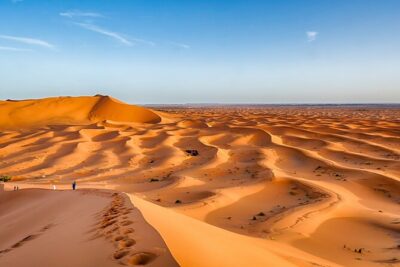
- Sunset camel trek in Erg Chebbi: the moment you came for
- The desert camp night: fire, stars, and realistic comfort
- Sunrise camel trek: why timing matters
- Sandboarding and the return road to Marrakech
- Who should book this Merzouga desert trip
- Value check: what you get, and what to budget
- Should you book the tour?
- FAQ
- How long is the Marrakech to Merzouga desert trip?
- What nights are included?
- Are camel rides included?
- Is sandboarding included?
- Do I get lunch included?
- What meals are included?
- Are entry tickets included?
- Do I get a guide at every attraction?
- What should I bring?
- Is the tour suitable for everyone?
Key things I’d plan around
- Tizi n Tichka photo stop for quick mountain-road views with entry included
- Ksar Ait Benhaddou visit with entry included, but no guide included there
- Tinghir Oasis + Todra Gorges with local guiding included for both stops
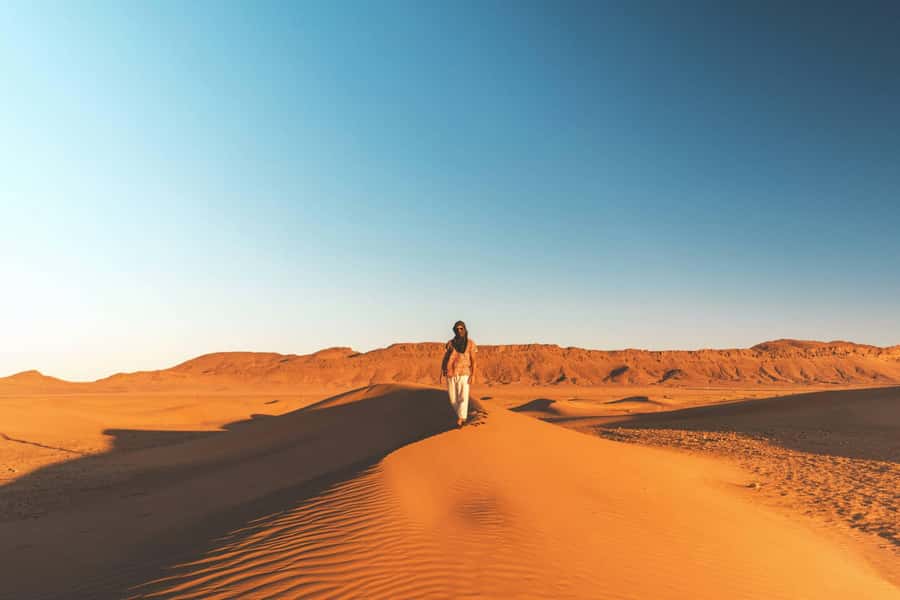
- Erg Chebbi sunset and sunrise camel treks as the centerpiece of the whole trip
- Sandboarding included, with occasional reports it may be treated as an add-on by some camps
- Camp night details: stars and fires are a big part of the experience, but comfort can vary
Marrakech to the Atlas: Tizi n Tichka and the road rhythm
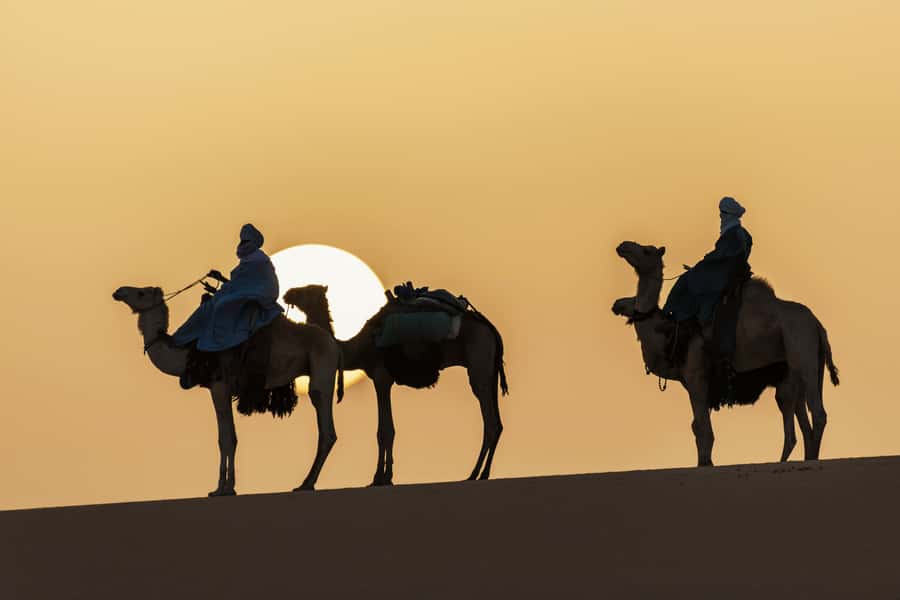
The trip starts with pickup in Marrakech and a roundtrip minibus ride (either an 8-seat or 17-seat vehicle). You’re not just traveling from A to B. You’re buying time to see Morocco’s altitude changes, and the mountain route does most of the work for you.
A standout early moment is the short stop at Tizi n Tichka. You’ll get about 10 minutes to take in views and grab photos, and the entry is included. It’s not a long hike stop, so don’t plan on stretching legs for long, but it’s a great quick hit of the High Atlas feel.
Also, your best “road-trip strategy” matters here. One theme that comes up again and again: this is a long drive, especially on Day 2 and the return. Bring something for the ride like offline music, a book, or movies, because you’ll spend hours on winding roads. If you like having a smooth day, you’ll thank yourself for planning for the bus time.
You can also read our reviews of more tours and experiences in Marrakesh.
Ksar Ait Benhaddou and Ouarzazate stops: culture, not just photos
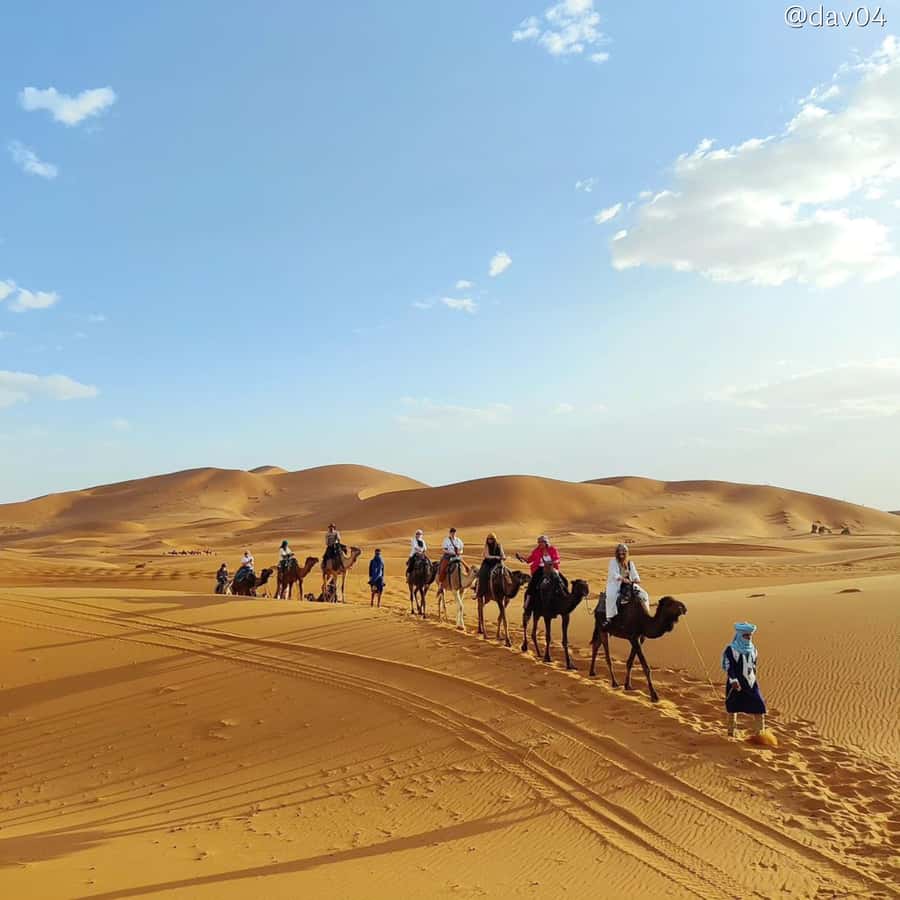
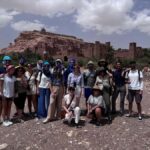
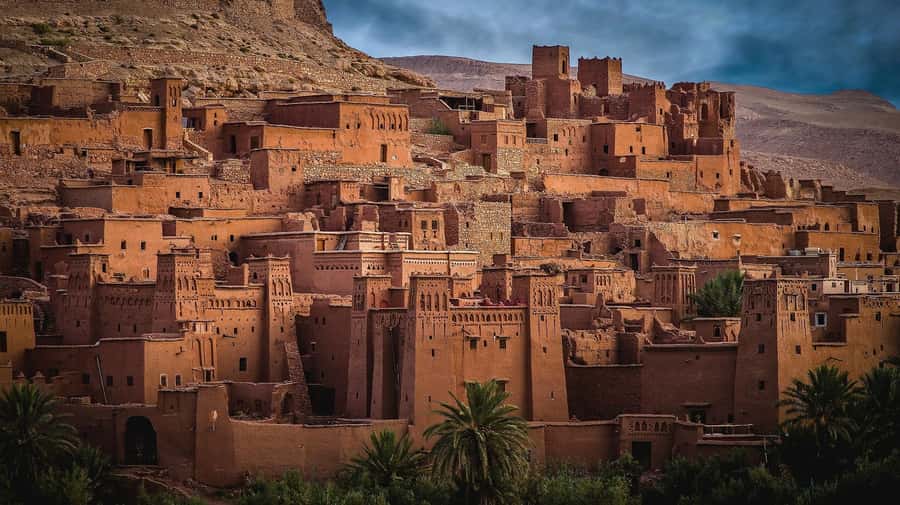
Day 1 then moves into kasbah country. You’ll arrive at Ait Benhaddou, one of Morocco’s most famous ksars, and spend about two hours there. Entry tickets are included, but the guide at this specific site is not included, so you’ll rely on your general tour guidance and whatever local interpretation you can find on-site.
That two-hour window is enough to do two things well: walk at a relaxed pace through the key structures and look for the views that make Ait Benhaddou so photogenic. If you’re the type who likes to understand what you’re seeing, you can also use this time to ask questions of your tour team when you’re within earshot, since the Ksar itself won’t have a dedicated guide included.
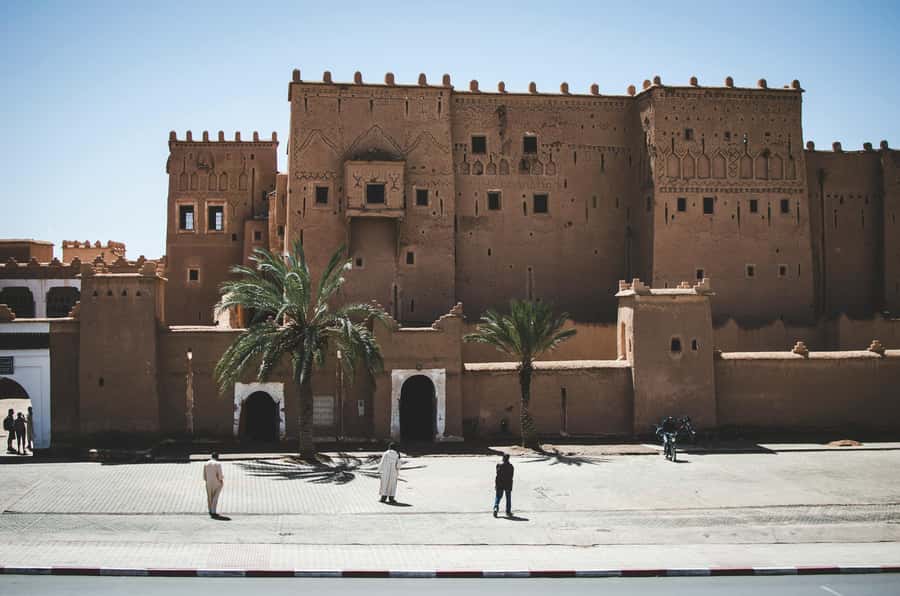
After that, you’ll pass through Ouarzazate. The Kasbah Taourirt visit is marked as optional, so you should treat it as a bonus stop rather than a must. If it’s included for your group, it adds another layer of kasbah life and architecture beyond the ksar.
Finally, you’ll reach Boumalne Dades for dinner and the first overnight. This is where expectations matter most: accommodations can range from basic to better, depending on the place used for your departure. A few people praised smooth organization and comfort, while others reported that certain hotel standards were disappointing. If having reliable bedding, hot water, and functioning air-conditioning is a priority for you, ask which exact hotel you’ll be staying in before you commit.
Boumalne Dades: the one-night pause before the desert shift
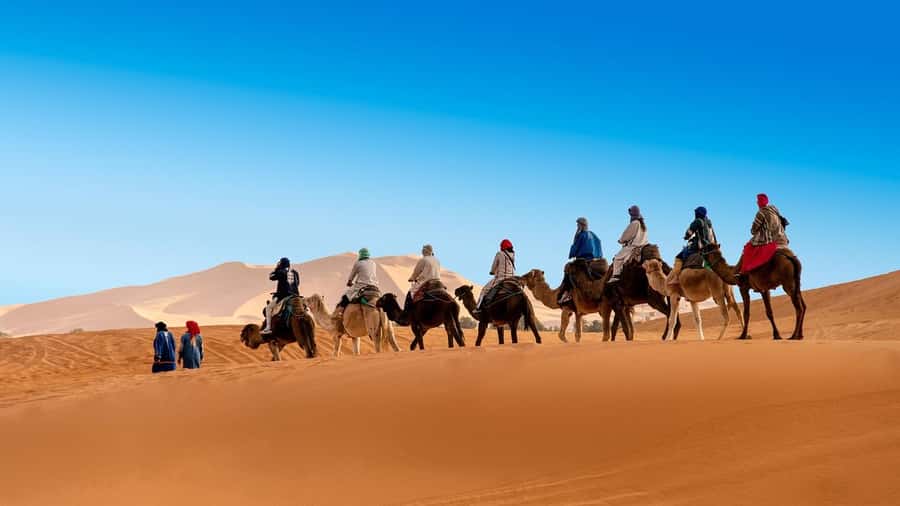
That overnight in Boumalne Dades is your reset. The timing is practical: you’ll sleep here so you’re not rushing straight into Merzouga the same night. It also breaks up the drive so you’re less likely to arrive exhausted.
But I’d be honest about comfort. Some reports describe solid, clean stays with private rooms. Others have mentioned issues like cleanliness, poor bedding conditions, and hot-water problems at certain properties used on the route. That doesn’t mean every departure is bad, but it does mean you should not treat this stop like a guarantee of a modern resort.
If you’re going to be picky about sleep quality, pack the small fixes: a light sleep layer, earplugs if you’re sensitive, and anything that makes you feel clean and settled (wipes help). It’s not glamorous, but it makes the next day more enjoyable.
Tinghir Oasis with a local guide: where the tour slows down
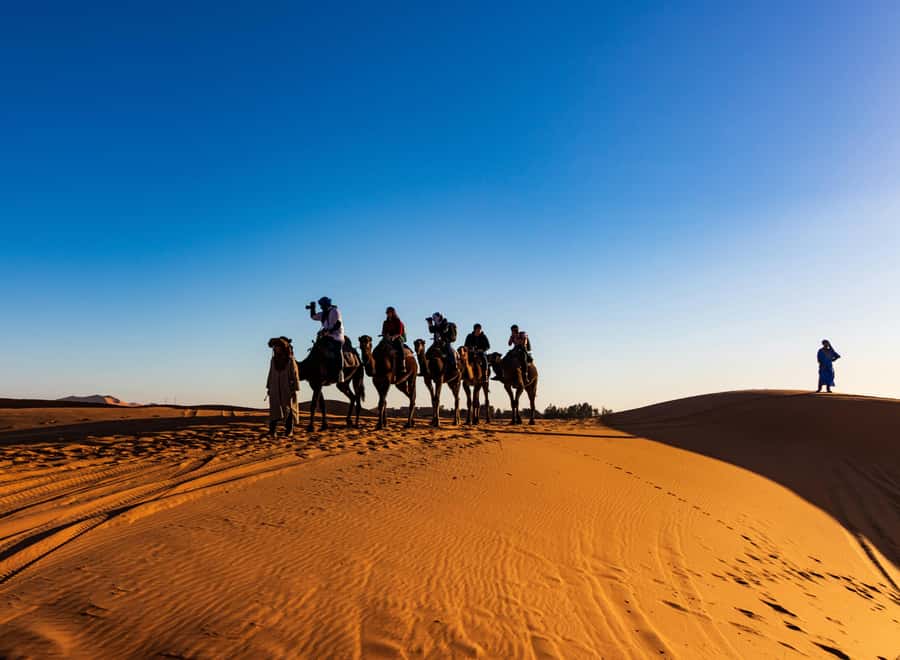
Day 2 begins after breakfast, then goes straight to Tinghir Oasis. This stop is designed to be more than a quick roadside glance. You’ll explore with a local guide for about an hour, and entry is included.
I like this kind of stop because it gives you context. Oasis life is Morocco at its most human-scaled: shade, water, and farming patterns shaped by geography. Even if you’re not a big “history lecture” person, a guide helps you notice what you’d otherwise miss.
Then you continue to Todra Gorges, again with local guiding included. The guide time is shorter here, about 15 minutes, but Todra Gorges is the main event visually. Entry tickets are included, so you’re paying for access as well as interpretation.
One practical note: gorge time can be a bit warmer in the middle of the day, and the walking is uneven in places. Wear shoes that you trust on rocky ground, not just sandals, and keep water nearby.
Todra to Merzouga: the long drive that earns its payoff
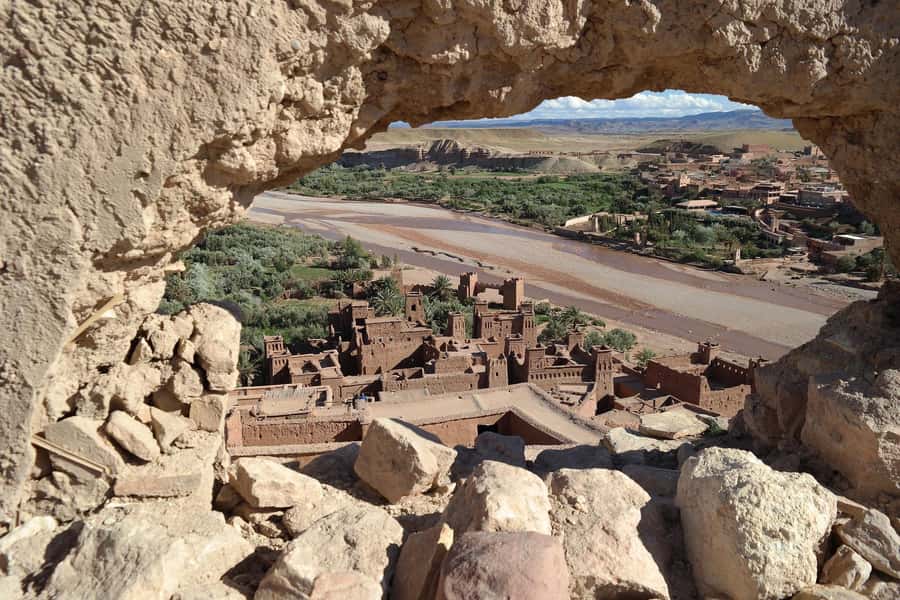
After Todra, you’re heading toward Merzouga and the dunes of Erg Chebbi. This is the stretch where a lot of people feel the fatigue. Roads take longer than you expect, and the terrain can mean slower progress.
Your best move is mental. Don’t fight the schedule. Treat the drive as part of the experience. People recommend bringing entertainment for the ride, but even better is using the stops wisely: if you’re offered chances to buy lunch or stretch, do it. Lunch is not included, so you’ll need to purchase it on the way if you want a meal.
Also, check your attitude about heat. In summer, temperatures can be punishing even when the sun drops. Hydrate early and don’t assume the evening will feel cool right away.
Sunset camel trek in Erg Chebbi: the moment you came for
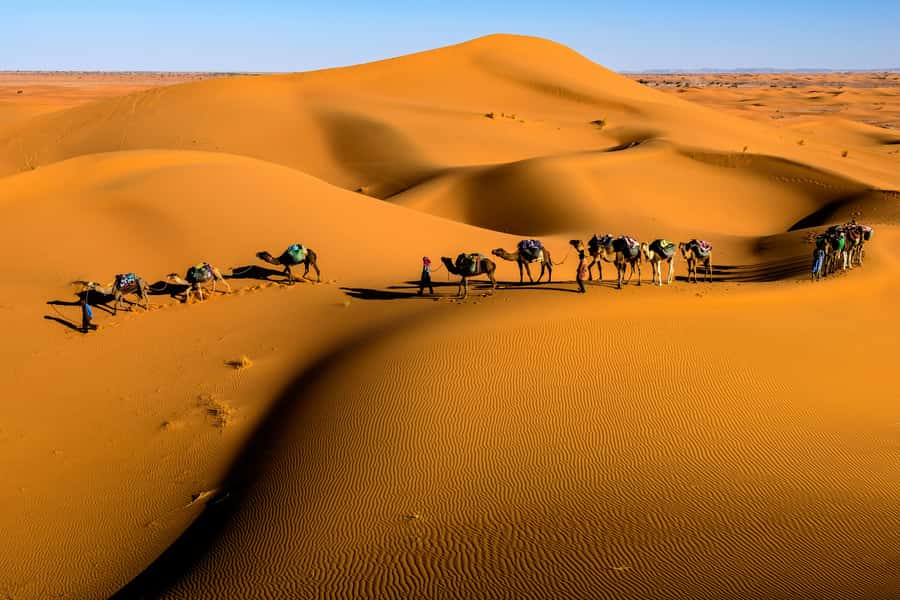
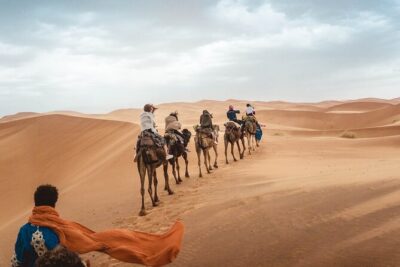
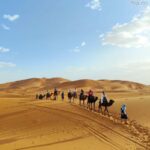
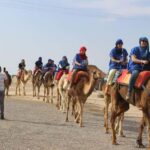
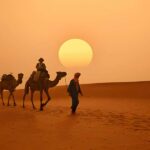
Then comes the centerpiece: a sunset camel ride in Erg Chebbi. You’ll ride through dunes as the light changes, and this is where the tour stops being a sightseeing circuit and becomes a desert story.
Camel treks can feel intimidating if you’ve never done one. The good news is that the timing is planned to be more comfortable than midday. Many people also praise the care and professionalism of drivers and guides who keep the group together and make sure you arrive safely on schedule.
Still, your body will feel the ride. Go easy with expectations: you’re not walking through a museum. It’s a moving seat for a stretch of time, on uneven sand, under changing light. A light sun hat helps, and loose breathable clothing is your friend.
The desert camp night: fire, stars, and realistic comfort
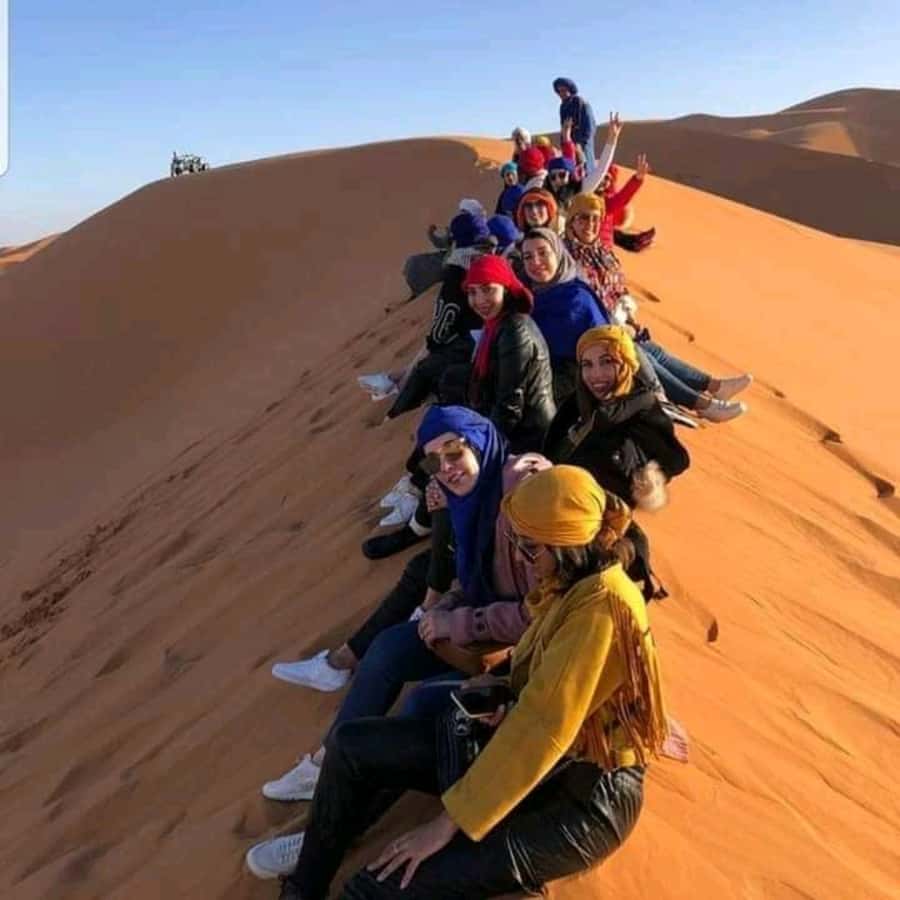
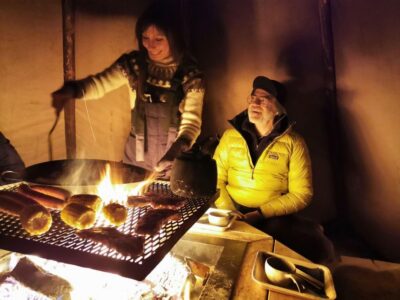
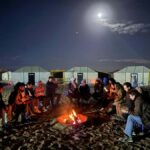
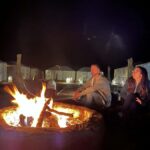
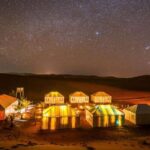
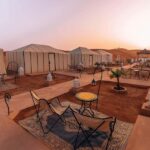
At the end of Day 2, you sleep at a camp outside Merzouga. It’s described as a luxury camp, and many experiences include a bonfire vibe with music and a friendly atmosphere. People talk about the evening firepit and music as a highlight, and it’s easy to see why: you feel cut off from noise, and the stars can be the kind you don’t get back home.
But here’s the honest angle: camp comfort can vary. Some people loved the cleanliness and neat tents, while others reported tent conditions like lack of air-conditioning or fans, and even small issues like insects. If you’re booking for comfort, it’s smart to ask what your tent setup includes for your departure and to bring what you can for the temperature swings.
What to bring for the night:
- sun protection for day + warm layer for the evening
- basic personal comfort items (wipes help)
- a flashlight/headlamp, since desert light drops fast after sunset
If you hate dust, know that desert camps mean sand exists everywhere. You can’t eliminate it, but you can control how much it bothers you with a hat and simple routine.
Sunrise camel trek: why timing matters
Day 3 starts with breakfast and then another camel ride at sunrise in Erg Chebbi, for about two hours. Sunrise on the dunes is pure payoff. The sand cools, the sky changes fast, and the whole place feels quieter.
This is also where timing makes your whole trip feel worth it. If sunset was the colorful postcard moment, sunrise is the calm one. Even if you’re not a morning person, you’ll be glad you showed up.
For your comfort, wear layers. Early desert temperatures can surprise you, and you’ll be exposed during the ride. Again: trust shoes, not slippers.
Sandboarding and the return road to Marrakech
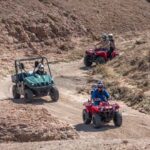
Sandboarding is included in the experience package, and it’s often treated as one of the fun add-ons of the day. Some people report it directly as part of the desert activities, while a few mention sandboarding being added separately with an extra payment. That means you should budget a little flexibility and confirm what’s covered for your specific camp.
After the morning desert time, you stop for lunch in Kelâat M’Gouna for about an hour. Lunch is not included, so plan to pay for food here as needed. This is a good moment to refuel before the final long push back to Marrakech.
The return can feel tiring. It’s a long road and you’re already coming off two days of moving. If you know you get carsick, bring your usual remedies and sit where you feel steadier in the vehicle.
Who should book this Merzouga desert trip
This is a great fit if:
- you want the classic Morocco route from Marrakech into desert country
- you like a “big sights + real desert night” blend
- you’re comfortable with long driving days and want the tradeoff of seeing more
It might not be ideal if:
- you need wheelchair access or you’re traveling with someone who can’t manage uneven ground
- you’re pregnant
- you’re over 70
- you expect every accommodation stop to be spotless and fully modern in every detail, especially on the hotel night and desert camp
Value check: what you get, and what to budget
For value, look at the package you’re actually buying. This trip includes pickup and drop-off, roundtrip minibus transport, one night in Boumalne Dades, one night at the Merzouga camp, and both camel treks (sunset and sunrise). You also get entry tickets, plus local guiding for Tinghir Oasis and Todra Gorges. Two dinners and two breakfasts are included, which helps keep the day from turning into constant meal hunting.
What you’ll likely pay extra for:
- lunch (purchased at stops, including Kelâat M’Gouna)
- drinks
- any additional fees that pop up on optional activities like sandboarding, depending on how your camp runs it
If you want the smoothest experience, do this before you go: ask for the exact hotel name for the Boumalne Dades night, and confirm what’s included for sandboarding at your camp. That small bit of homework can prevent a lot of frustration.
Should you book the tour?
If your dream is to connect Marrakech with the real desert—dunes at sunrise, dunes at sunset, and a night under a sky that feels bigger than anything indoors—this is a strong choice. The itinerary hits the well-known icons (Ait Benhaddou and Todra Gorges) while saving the emotional climax for the time you’ll actually remember.
Just book with clear eyes. The road is long. The weather can be hot. Comfort at the hotel stop and camp can vary, so don’t assume every detail will match your home standards. If you’re flexible and you pack smart, you’ll come away with a desert night that feels like a separate world.
FAQ
How long is the Marrakech to Merzouga desert trip?
It’s a 3-day trip from Marrakech to Merzouga, with pickup and drop-off included.
What nights are included?
You get 1 night accommodation in Boumalne Dades (hotel) and 1 night accommodation at a desert camp in Merzouga.
Are camel rides included?
Yes. You’ll do a sunset camel trek in Erg Chebbi and a sunrise camel trek at Erg Chebbi.
Is sandboarding included?
Sandboarding is listed as included, but it’s smart to confirm on the ground since some departures may treat it as an extra.
Do I get lunch included?
No. Lunch is not included, but you’ll have stops where you can purchase lunch yourself.
What meals are included?
The package includes 2 dinners and 2 breakfasts.
Are entry tickets included?
Yes. Entry tickets are included for the stops listed, including places like Tizi n Tichka and the guided sites.
Do I get a guide at every attraction?
You get a local guide for Tinghir Oasis and Todra Gorges. A guide at Ksar Ait Benhaddou is not included.
What should I bring?
Bring your passport or ID card and a sun hat.
Is the tour suitable for everyone?
No. It’s not suitable for pregnant women, wheelchair users, or people over 70.