REVIEW · FRANCE
Luxury Tour of Château de La Dauphine
Book on Viator →Operated by Chateau de la Dauphine · Bookable on Viator
Royal wine, minus the stuffiness. At Château de La Dauphine in Fronsac, you get an 18th-century château visit paired with a real look at how wine is made today, plus a 3-wine tasting to cap it off. I love the way the tour connects old-school château glamour with practical, working winemaking.
I also love the estate’s farming approach: BIO & biodynamie, managed plot-by-plot, with the philosophy explained in plain terms. One possible drawback is the timing: this is a focused 1 to 1.5 hour visit, so if you want a long, wandering vineyard day, you’ll likely feel a bit “on schedule.”
In This Review
- Key highlights to know before you go
- Château de La Dauphine: a château visit where wine actually happens
- Why Fronsac feels special: names and power behind the wine
- Inside the 18th-century château: what you’re likely to notice
- The vineyard and biodynamie philosophy: what BIO & biodynamie means here
- Technical buildings and vats: the modern side that keeps it real
- The 3-wine tasting: how to get more from the included pour
- Price and timing: why $17 can be a smart value in Bordeaux wine country
- Group size and guide quality: small moments that matter
- Weather and comfort: what to do if conditions change
- Who should book this Luxury Tour
- Quick planning notes (without the headache)
- Should you book the Luxury Tour of Château de La Dauphine?
- FAQ
- FAQ
- How long is the Luxury Tour of Château de La Dauphine?
- What is included in the ticket?
- Is the ticket mobile?
- What are the opening hours?
- When will I get confirmation after booking?
- Can most travelers participate?
- Is the experience refundable or changeable if I cancel?
- What language options are available?
Key highlights to know before you go
- Château + vats in the same tour: you’ll see the beauty of the château and then walk into the modern technical buildings.
- BIO & biodynamie, explained plot-by-plot: you don’t just hear a label; you hear how it’s practiced.
- Taste 3 estate wines: included, with time to ask questions during the tasting.
- Award-winning wine tourism: the experience earned a Gold prize at the Best of Wine Tourism competition in 2014.
- Guides with strong wine and soil stories: names that show up in past tours include Gaspard, Carissa, and Pascal V.
- Often small-group feel: at least some tours have been done with groups around five adults, which helps keep it interactive.
Château de La Dauphine: a château visit where wine actually happens
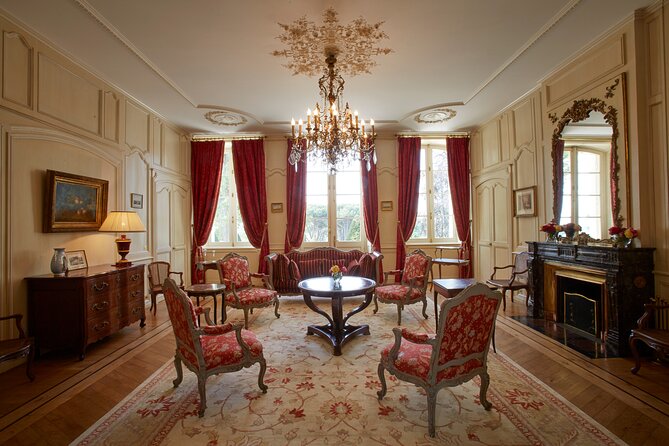
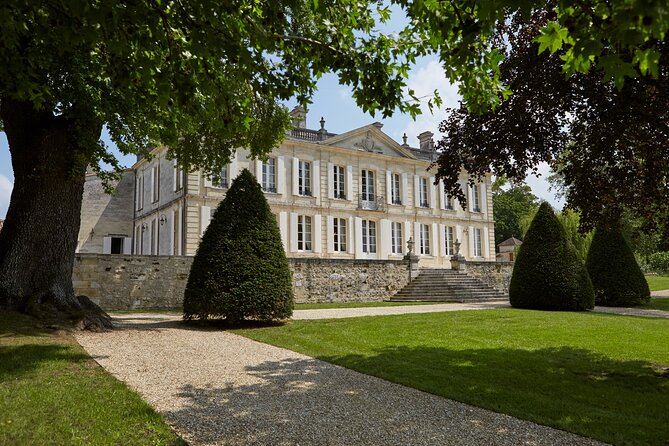
The first surprise at La Dauphine is the balance. You start with the château park and the interior, and it feels like stepping into a French heritage setting. Then the tour moves into the working side of the estate, with technical buildings that show modern winemaking in action.
This combo is what makes the Luxury Tour satisfying. You’re not only looking at pretty rooms or pretty vines; you’re seeing the production side right where the grapes become wine.
The overall pace is quick but not rushed. Expect to cover the château grounds, the interior portion, the vineyard and environmental philosophy, and then a look at the vats and barrels before you taste.
You can also read our reviews of more tours and experiences in France.


Why Fronsac feels special: names and power behind the wine
Fronsac isn’t just a pretty stop on the map. It’s described as an ancestral wine region tied to the world of Cardinal Richelieu and his grand-nephew—where Fronsac’s wine became one of the kingdom’s most prestigious.
Then the château name ties it even tighter to royalty. Château de La Dauphine references a royal stay connected to Marie-Josèphe de Saxe, Dauphine of France, and mother of the last kings, including Louis XVI. You’ll hear that thread during the château portion, which gives the visit a “why this place matters” feeling beyond architecture.
If you like history, this background adds context fast. If you’re more interested in wine than politics, you can treat the history as a welcome framing device and focus on what’s happening in the vineyard and cellar.
Inside the 18th-century château: what you’re likely to notice
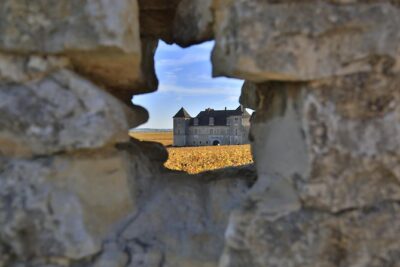
You’ll visit the park and then the interior of the 18th-century château, where La Dauphine de France is linked to the time she stayed at the estate. The goal isn’t to overwhelm you with dates; it’s to connect the rooms to the identity of the property.
In practice, the château visit works best if you pay attention to how the estate tells its story. The château isn’t presented as an isolated monument. It’s part of an operating vineyard estate, and that’s the point.
And yes, the setting has a romantic reputation. One past couple even shared a dream proposal moment while visiting the grounds. Even if romance isn’t your plan, it’s good to know the estate can feel like a special occasion without trying too hard.
The vineyard and biodynamie philosophy: what BIO & biodynamie means here
La Dauphine’s winery philosophy is built around a simple idea: quality is in the details—and those details show up on a plot-by-plot basis. The estate is described as covering 66 hectares of BIO & biodynamie vineyard, and the tour includes a walk that explains the environmental approach.
Here’s why that matters for you as a visitor: when a guide can connect farming choices to vineyard results, your wine tasting stops feeling random. You’ll likely taste with more curiosity because you’ve heard what’s being attempted in the ground.
Also, the tour format helps. Instead of a lecture, you get a guided flow: vineyard setting first, then how it ties into production. Past visitors specifically call out clear biodynamie explanations, including how the soil is discussed.
Technical buildings and vats: the modern side that keeps it real
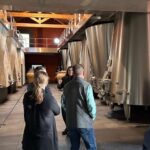
One of the most praised parts of the experience is the cellar-style walkthrough. After the château and vineyard sections, you’ll go through the technical buildings where wine production happens, including a tour of the vats.
This is where La Dauphine’s identity turns practical. You’ll see an approach that mixes tradition with modern structure. One review highlights that the vats are organized in coupole-style domes, which makes the technical part feel architectural rather than purely industrial.
Guides also tend to explain the logic behind the process. You can expect talk about barrels and how they differ, plus what the vats are doing in the winemaking chain. If you like hands-on understanding, this is the portion that turns a sightseeing tour into a real wine education session.


The 3-wine tasting: how to get more from the included pour
The tour ends with a tasting of 3 wines from the estate, included in your admission ticket. Tastings are often where people either zone out or learn the most. You’ll get more out of it with one simple strategy: ask about what you’re tasting while it’s still fresh in your nose and glass.
A couple of practical tips for tasting time:
- Start by asking your guide what each wine is showing right now—structure, fruit, or balance—rather than just where it comes from.
- If you’ve just visited vats and heard about barrel differences, ask how that connects to the flavors you’re noticing.
- If you’re buying wine to take home, taste with that in mind. You’ll remember what each bottle felt like during the cellar walk.
The tasting typically happens at the château shop area, based on how the tour has been described. That’s useful because it gives you an easy moment to ask questions and consider purchases without feeling rushed.
Price and timing: why $17 can be a smart value in Bordeaux wine country
At $17 for an included-admission tour lasting about 1 to 1.5 hours, you’re paying for a tight package: château access, vineyard context, cellar walkthrough, and three wines. In a region where many wine experiences charge heavily for less content, this is the practical value story.
You also get a mobile ticket, which removes stress on arrival. No paper chase, no last-minute sorting.
Timing matters. Opening hours run 9:30 AM to 3:30 PM, Monday through Sunday, for the date range listed (from 11/01/2024 through 10/31/2025). So you’re not stuck doing an evening plan. This makes it easier to fit into a Bordeaux-area day without cutting your day in half.
One more value note: you’re not only tasting. You’re tasting after hearing the vineyard and production thinking. That usually leads to more confident wine choices later, whether that means picking a bottle to order or deciding you’re more interested in one style than another.
Group size and guide quality: small moments that matter
Many wine tours either feel scripted or feel personal. Here, you’re more likely to get personal because guides spend real time explaining.
Past tours mention guides such as Gaspard (with friendly, informative explanations of vineyard soil), Carissa (with excellent English and detailed history plus a strong explanation of the modern process), and Pascal V. (with clear biodynamie explanations). That pattern shows up for a reason: the tour structure gives them places to connect answers to what you’re seeing.
If you’re traveling as a couple, this format also works because you can talk directly with your guide instead of just being carried along. One group even described a tour for friends with children, with the guide being clear and patient—so it’s not only for hardcore wine people.
Weather and comfort: what to do if conditions change
The provided itinerary doesn’t promise lunch, but one past visitor shared that when weather wasn’t suitable for outdoor lunch plans, the team handled it by moving the reception indoors and offering lunch with a bottle of rosé.
So here’s the practical takeaway: if you’re the type who hates plans ruined by rain, this estate may be flexible, but don’t assume additional food is automatically included for every departure. The core tour elements stay the same: château, vineyard and environmental philosophy, technical buildings, and the 3-wine tasting.
If you’re sensitive to rain or sun, bring a light layer. France weather can change quickly, and the tour includes outdoor vineyard walking.
Who should book this Luxury Tour
This is a strong match if you:
- Want a château experience plus a real winemaking look in the same 1 to 1.5 hour block
- Like the idea of tasting wines after hearing how BIO & biodynamie is practiced
- Prefer tours where guides explain the thinking behind the process, including soil and barrel/vat differences
- Want good value at a price that doesn’t feel like a luxury tax
It may be less ideal if you:
- Want a long, slow vineyard day with hours of free wandering
- Expect a full-day meal and entertainment schedule as part of the standard tour
Quick planning notes (without the headache)
Plan your day around the hours: 9:30 AM to 3:30 PM. With a focused visit, you’ll want a clear time slot rather than stacking two long activities back-to-back.
Also, this is non-refundable and can’t be changed if you cancel or amend. So lock your timing with confidence.
Finally, the experience says most travelers can participate, which is good news if you’re trying to keep your Bordeaux-area plans practical.
Should you book the Luxury Tour of Château de La Dauphine?
Yes, you should book if you want an efficient but thoughtful wine stop in Fronsac: a real château setting plus a cellar walkthrough and a meaningful tasting of three estate wines. The value is the big hook—$17 for château + vineyard philosophy + modern technical buildings + tasting.
If you’re deciding between “pretty photos only” and “learn something you can taste,” this sits firmly on the learning side. And if you’re lucky with your guide, you’ll get clear explanations that connect soil, farming choices, and what ends up in your glass.
FAQ
FAQ
How long is the Luxury Tour of Château de La Dauphine?
It runs about 1 hour to 1 hour 30 minutes.
What is included in the ticket?
Admission to the experience is included, and the tour includes a tasting of 3 wines from the estate.
Is the ticket mobile?
Yes, the tour uses a mobile ticket.
What are the opening hours?
From 11/01/2024 to 10/31/2025, it’s open Monday through Sunday from 9:30 AM to 3:30 PM.
When will I get confirmation after booking?
Confirmation is received within 48 hours of booking, depending on availability.
Can most travelers participate?
Yes, most travelers can participate.
Is the experience refundable or changeable if I cancel?
No. It is non-refundable and cannot be changed for any reason.
What language options are available?
The provided details don’t list languages. Past experiences show tours have been done in multiple languages, but you should confirm the language available for your specific date when booking.