REVIEW · OMAN
Luxury Overnight Desert Safari in Salalah
Book on GetYourGuide →Operated by Arabian Travel Service · Bookable on GetYourGuide
The desert gives you quiet, then real excitement. I love the stop at Wadi Dawkah with the world’s largest frankincense trees, and I love how the night ends with stargazing by the fire. One thing to plan for: the “luxury” here mostly means comfort on the drive and a well-run setup, but the camp can still feel rustic, and nights can get cold.
You’ll also enjoy the human touch. With English-speaking local guides like Ali and Mohammed (including Mohammed Al Mahdali), the trip adds context—incense, culture, and the why behind the places—not just checklists. The only real drawback I’d flag is that bathroom setups can be more basic than you expect, depending on how the camp organizes facilities.
In This Review
- Key Highlights You’ll Actually Feel
- Luxury Overnight Desert Safari in Salalah: The Value of Doing It Properly
- Hitting the Desert the Right Way: Salalah to the Rub Al Khali Experience
- Wadi Dawkah: Frankincense Trees That Put Oman’s Past Into Focus
- Ubar in the Desert: UNESCO and a Legendary Trade Route Stop
- Empty Quarter Dune Bashing: 3 or 4 Runs With a Pro Driver
- Sunset in the Dunes: Arabic Coffee, Dates, and the Timing Magic
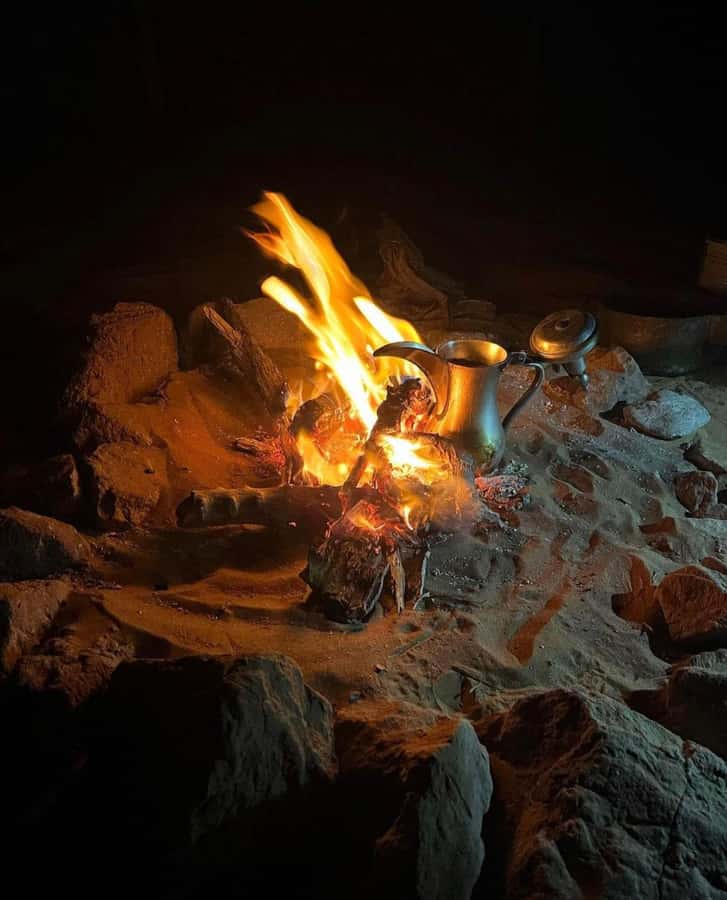
- Your Arabic Traditional Desert Camp Night: Bonfire, Shisha, and Stars
- Private Tent Comfort vs. Camp-Style Reality
- Camel Moments and a Few Desert Surprises
- Sunrise in the Middle of the Desert: The Moment You’ll Remember
- Food on the Desert Table: Local Dinner and Breakfast
- Transportation, Small Comforts, and Why They Matter More Than You Think
- Price and Logistics: Is $245 a Smart Deal?
- Who Should Book This Safari (and Who Should Skip It)
- Final Verdict: Should You Book the Luxury Overnight Desert Safari in Salalah?
- FAQ
- What does the tour include for an overnight desert camp?
- Is dune bashing included, and how many times do you do it?
- Will I have a private tent during the night?
- What major sightseeing stops are part of the itinerary?
- Do they provide food and drinks during the tour?
- What languages are available?
- Is this tour suitable for everyone?
Key Highlights You’ll Actually Feel
- Wadi Dawkah frankincense giants: a rare chance to see why this region matters
- Ubar, the UNESCO site: stop on a legendary trade route
- 3 or 4 dune-bashing runs in the Empty Quarter: built for sunset timing
- Arabic setup at sundown: tea/coffee, dates, and the desert in full color
- Bonfire + shisha + stargazing: the night program is the point, not an afterthought
- Private family tent with shower/toilet facilities, plus a reality-check on camp-style bathrooms
Luxury Overnight Desert Safari in Salalah: The Value of Doing It Properly
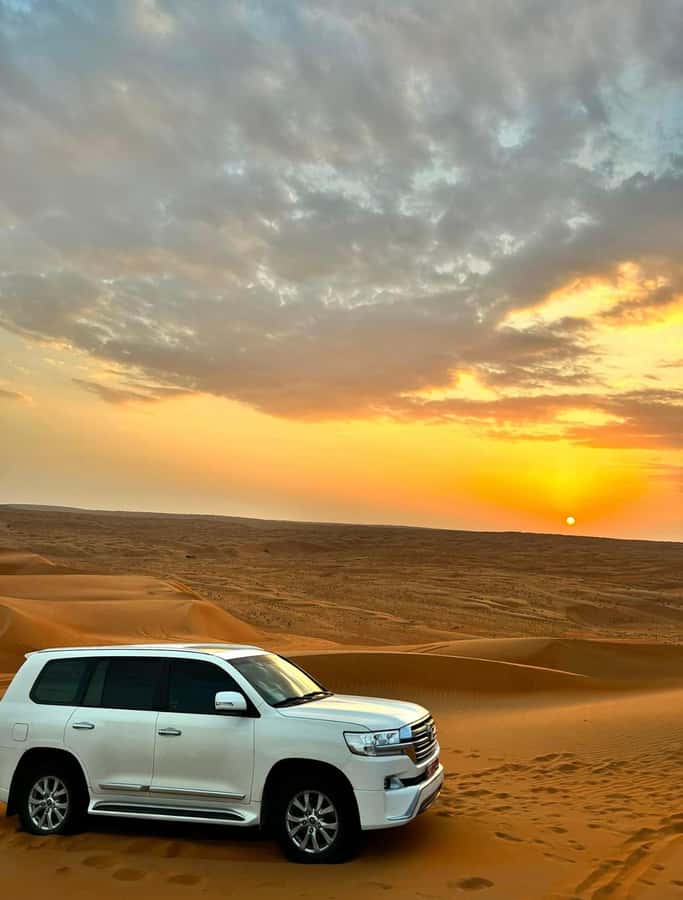
This is the kind of overnight that makes sense if you care about two things: comfort and atmosphere. You’re not just riding into the sand and waiting. You’re traveling through key Dhofar and Empty Quarter stops, then finishing with a full Bedouin-style night—bonfire, shisha, dinner, stargazing, and a sunrise that’s hard to describe until you see it.
At $245 per person, it’s not “cheap,” but the value comes from the pieces you can’t easily DIY. You get a professional guide (English language), newer vehicle models with comfort options, planned dune bashing (not random driving), and an overnight camp with a real program. If you’ve ever tried to recreate a desert overnight on your own, you know how quickly costs and hassle add up.
That “luxury” word can be tricky. In this experience, it usually means: better transport, smoother organization, and a camp setup that’s designed for comfort. It does not automatically mean hotel-level warmth or hotel-level bathrooms. So go in with the right expectations, pack for desert temperatures, and you’ll likely come away very happy.
You can also read our reviews of more tours and experiences in Oman.
Hitting the Desert the Right Way: Salalah to the Rub Al Khali Experience
The day begins with a guided desert safari approach rather than a drive-and-figure-it-out plan. You’ll be in latest vehicle models with comfort options, and you’ll have water and soft drinks on board free of charge. That matters because desert trips live and die by logistics. When everyone’s hydrated and the schedule is paced, you can actually enjoy the views instead of counting minutes.
English-speaking local tour guides are a major part of the quality here. One guide, Ali, was praised for explaining the country, incense, and the historical development behind it all. Another guide, Mohamed, was described as attentive without being intrusive—exactly the balance you want when you’re traveling with a family or just want your space.
Practical tip: bring layers even if you think you’ll be warm. The drive can be comfortable, then the desert night changes the temperature fast.
Wadi Dawkah: Frankincense Trees That Put Oman’s Past Into Focus
One of the most special stops is Wadi Dawkah, known for the world’s largest frankincense trees. This isn’t just scenery. Frankincense is tied to trade, culture, and the story of the region—so it’s a meaningful first chapter before you head deeper into desert country.
Why it’s worth your time: a quick photo stop doesn’t do it justice. The scale of these trees helps you understand why Oman mattered to ancient routes. If your guide is on form (and the guide quality here is consistently highlighted), you’ll likely learn how incense shaped livelihoods and connections long before modern borders.
Drawback to consider: like many meaningful stops, it can feel slower than pure thrill tourism. If you mainly want dunes and speed, this part may feel like a “warm-up.” I’d still call it a smart one—because it makes the rest of the trip click.
Ubar in the Desert: UNESCO and a Legendary Trade Route Stop
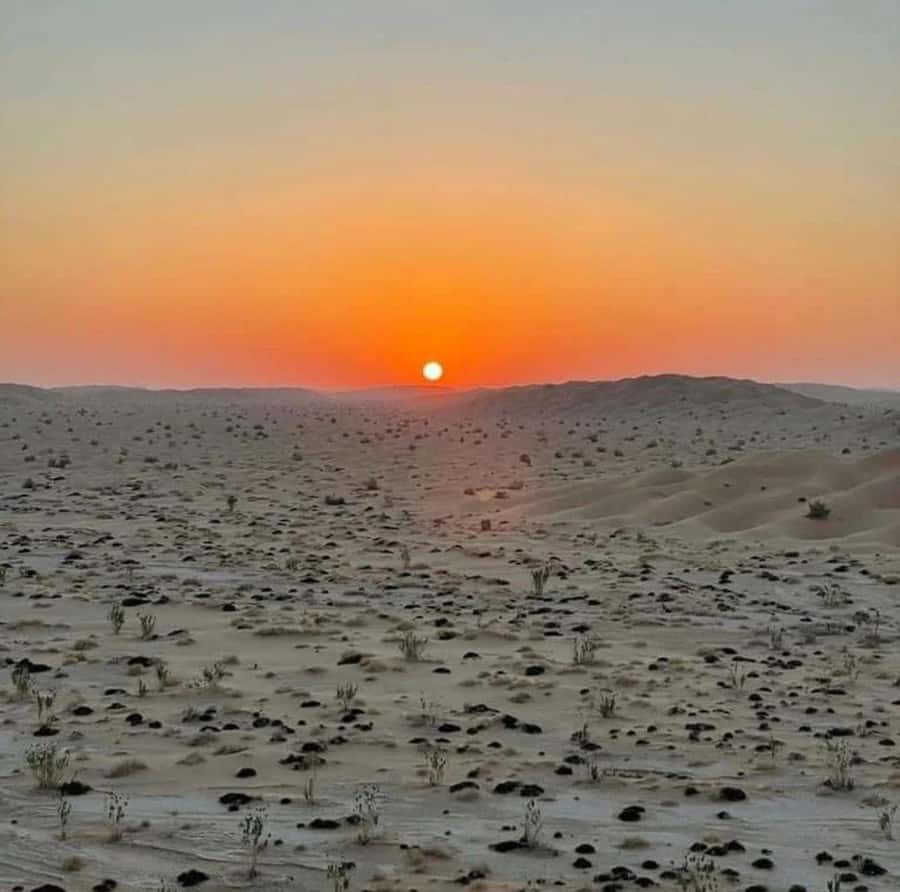
Next comes Ubar, a UNESCO World Heritage site. Ubar is famous in the way legends are famous: it’s tied to trade routes, ancient stories, and the idea of lost or forgotten cities in harsh terrain.
You don’t need a history degree here. What you do need is a willingness to let the landscape tell a story. In the desert, the emptiness is the point. It turns a place-name into a feeling: why people would take risks, why caravan life mattered, and how cities could grow around movement and commerce.
If your guide has a good explanation style (several guides here were praised for culture and tradition talk), Ubar can become one of those stops you remember later because it gives the landscape context.
Empty Quarter Dune Bashing: 3 or 4 Runs With a Pro Driver
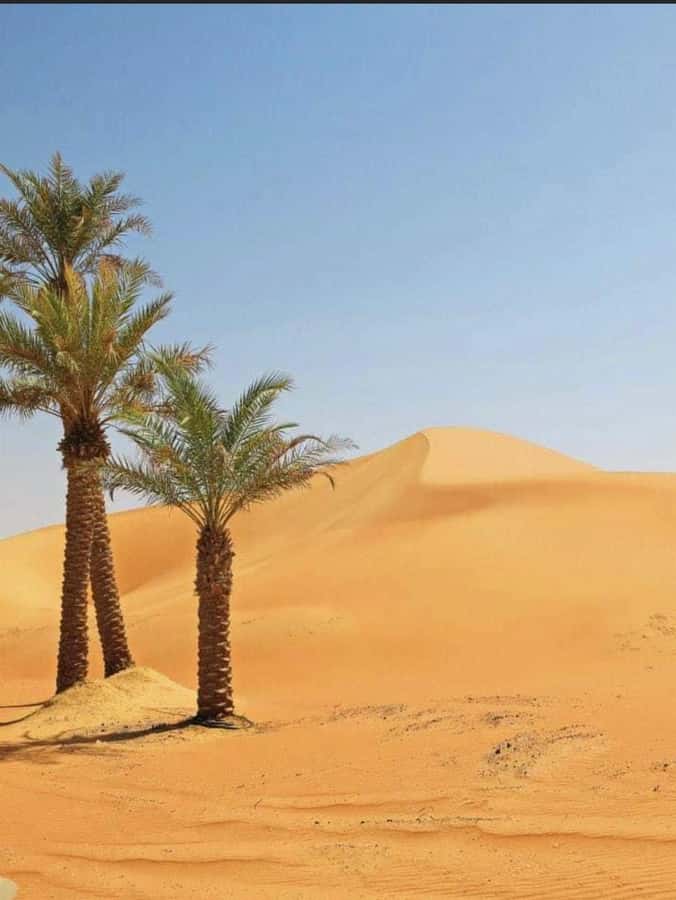
The adventure culminates in the Empty Quarter, with 3 or 4 times dune bashing. This is where you’ll feel the “serious safari” part. You’re not just driving along a flat track. You’re experiencing the dunes the way they’re meant to be crossed—by skilled drivers who know how to position the vehicle for traction, comfort, and safety.
One thing to calibrate: intensity can vary. Some trips deliver longer, hair-raising runs; others keep it shorter and more controlled depending on conditions and timing. Either way, 3 or 4 sessions is enough to give you that classic dune experience without turning the night into one long motion sickness problem.
Practical tip: if you’re prone to motion sickness, consider bringing your usual remedy. The ride is part of the fun, but your body still gets a vote.
Sunset in the Dunes: Arabic Coffee, Dates, and the Timing Magic
Just before night fully takes over, the program lines up for the best sunset in the desert. This is a big deal because sunset needs timing. Too early and the light isn’t right. Too late and you’re racing your dinner.
You’ll have an Arabic setup during sunset time: Arabic coffee or tea and dates. It’s simple, but it’s also very desert. One traveler described the coffee stop as straightforward, and another expected a more café-style setup. Translation: don’t treat the coffee moment like a barista experience—treat it like a ritual pause.
What I like about this part is how it transitions you from action to stillness. The dune bashing is adrenaline. Sunset is perspective.
Your Arabic Traditional Desert Camp Night: Bonfire, Shisha, and Stars
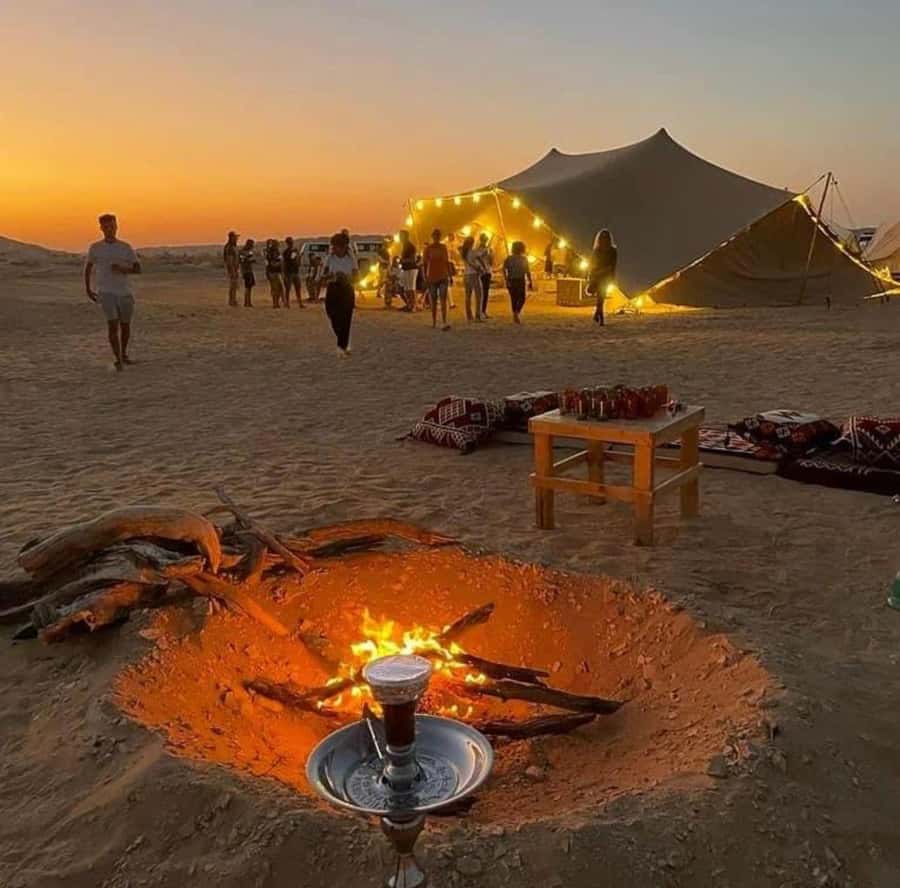
Overnight happens at an Arabic traditional desert safari camp. The camp night includes local Arabic dinner, breakfast, a bonfire, shisha, and stargazing. That’s a strong mix for a one-night desert stay because it covers food, fire, and the night sky.
Why it works: many desert overnights stop at dinner and a quick sit. Here, the evening is built like a program, so the night doesn’t feel empty or rushed. The stargazing piece is the kind of luxury that doesn’t need fancy gear. Dark skies + calm time = you actually notice the stars.
One travel-friendly warning: the music and evening vibe can vary. In one case, the music felt spontaneous and didn’t set the mood. That doesn’t spoil the core activities (fire, shisha, stars), but if you’re sensitive to sound, you might want to bring earplugs just in case.
Private Tent Comfort vs. Camp-Style Reality
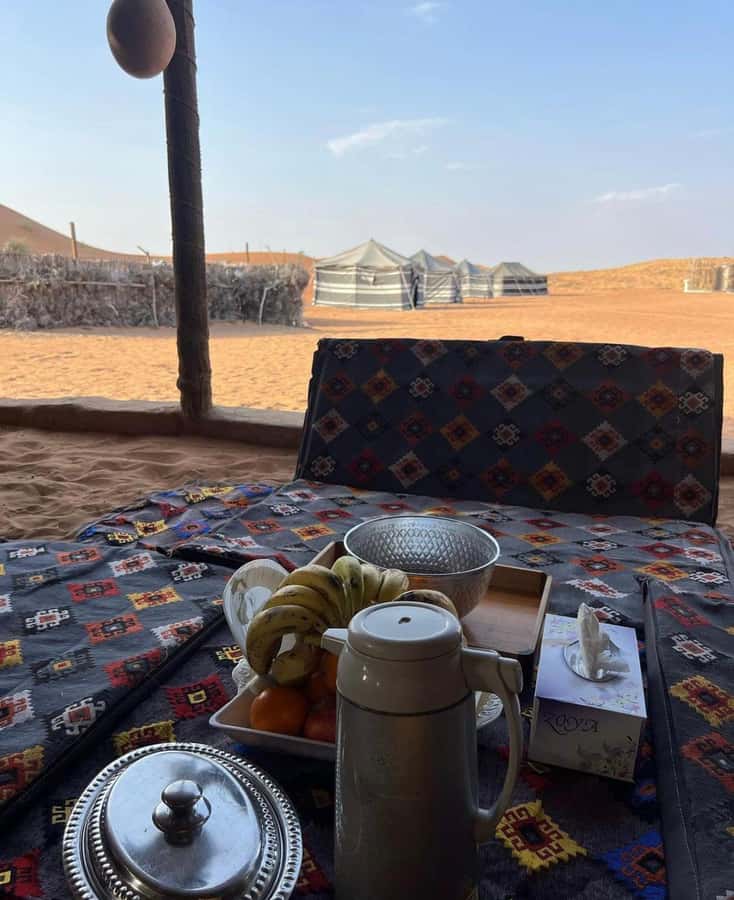
This is the part where you should read carefully and pack smart. The experience includes a private tent for each family, with excellent facilities including shower and toilets. That sounds very comfortable, and it likely is in many setups.
Still, desert camps can organize bathrooms in different ways. One traveler specifically noted shared showers/toilets and that the bathrooms were a short walk from the tents. That doesn’t mean you’ll have a bad stay. It means you should plan for camp life, not a hotel resort.
Also: tents may not be heated. During colder seasons, you’ll want warm clothes. One review called out that tents weren’t warmed, even though blankets were provided. So yes, bring layers, and don’t rely on your body heat doing all the work.
If you’re sensitive to cold nights, this is your “comfort check” moment.
Camel Moments and a Few Desert Surprises
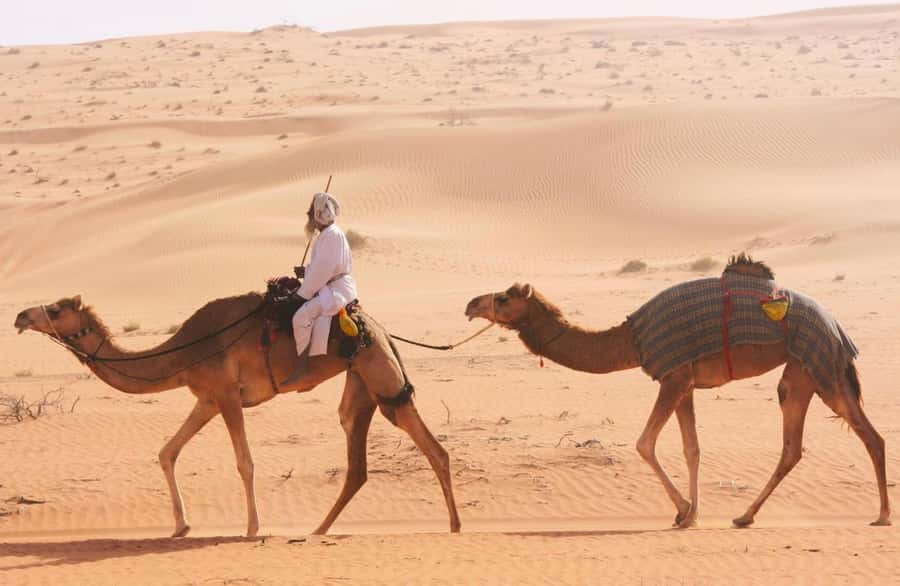
A few touches add texture to the Bedouin experience:
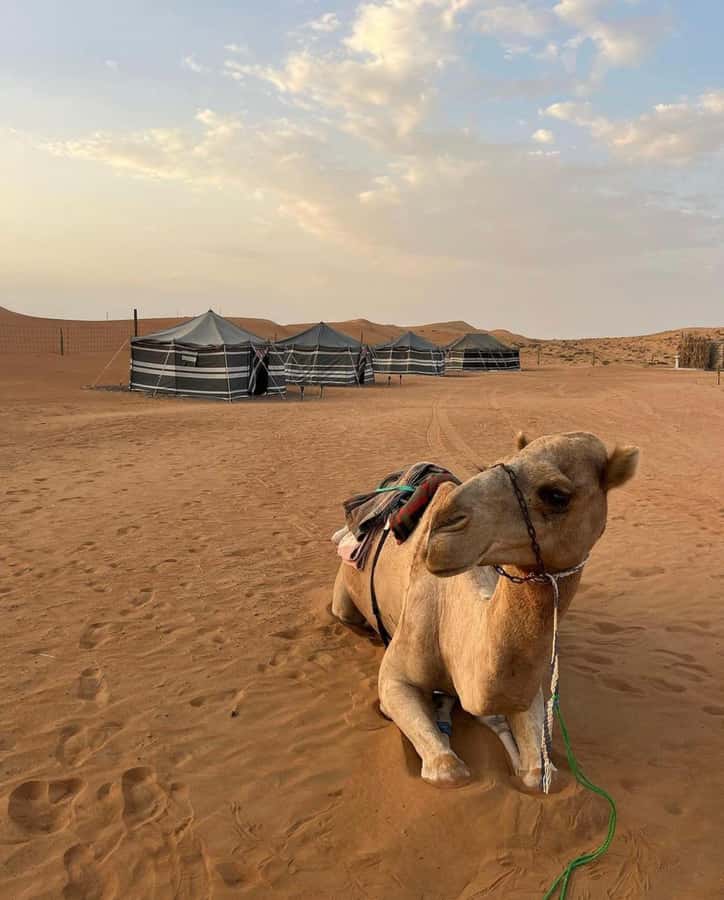
- You’ll have a camel meet
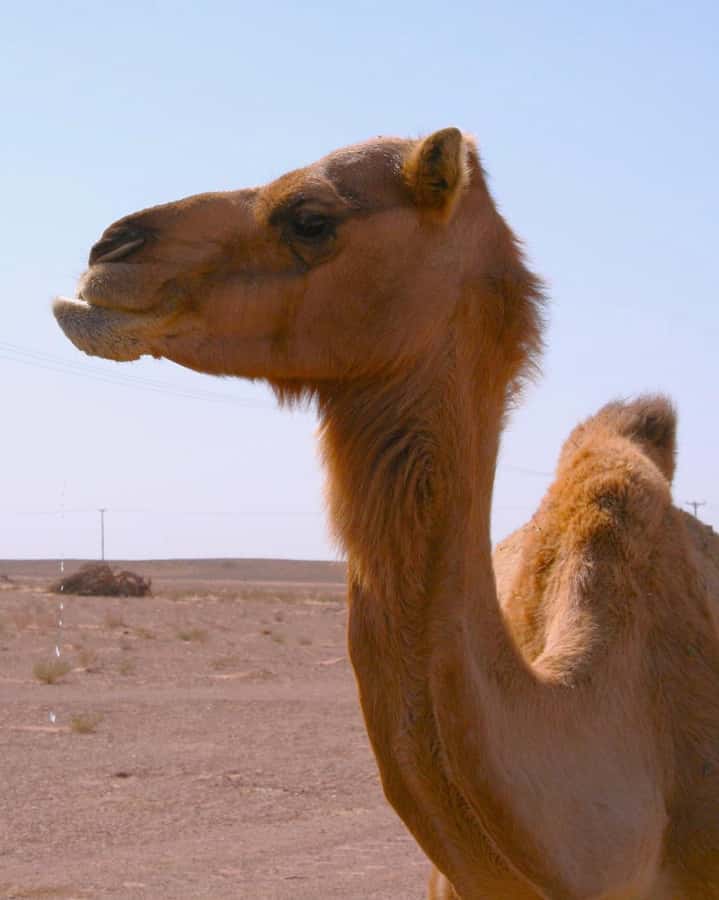
- You’ll get a stop to see black color camels (a rare sight in desert conditions)
- You’ll also get an Arabic setup and planned timing for sunset and sunrise
These are the kind of details that make the trip feel grounded in the desert, not staged for tourists. A camel encounter is also a great break from sitting in vehicles—small changes in your day keep it from feeling monotonous.
Sunrise in the Middle of the Desert: The Moment You’ll Remember
The trip is built around that classic desert arc: sunset, dinner, stargazing, then sunrise. You’ll watch the sunrise in the desert and then head to breakfast.
Why sunrise matters: daytime desert can look like “sand and sky.” Sunrise gives you texture—soft light, long shadows, and a dramatic color shift. It also sets the final tone of the trip, especially after the night calm.
One logistical consideration: after sunrise and breakfast, departure can feel a bit stressful if you’re not mentally prepared to move quickly. If you’re someone who likes to linger, plan on being flexible with timing.
Food on the Desert Table: Local Dinner and Breakfast
You’ll enjoy a typical Bedouin-style meal: local Arabic dinner that includes camel meet and other different types of food for everyone. Breakfast is included as well.
Food in desert settings can be simple, but it often tastes better because you’re hungry and the whole day has built up to it. One traveler highlighted that the food was tasty and very Arabic, with camel meat offered around the fire.
If you have dietary restrictions, this is where you should communicate clearly ahead of time. The tour data doesn’t list specific menus beyond typical Arabic dinner and breakfast, so you’ll want confirmation on what exactly is served for your needs.
Transportation, Small Comforts, and Why They Matter More Than You Think
This experience includes several comfort upgrades that make a real difference:
- Latest vehicle models with comfort options
- Private tent for each family
- Water and soft drinks on board free of charge
- Guided information during the tour
One traveler mentioned a newer Land Cruiser V6, which matches the idea that you’re not rattling around in a beat-up vehicle for hours. That matters for morale. When your ride is stable and organized, you arrive at the dunes ready to enjoy them.
Also, you’ll get guided tour with all information and details, including culture and country context. In practice, this turns the trip from entertainment into understanding.
Price and Logistics: Is $245 a Smart Deal?
Let’s talk value without hype. At $245 per person, you’re paying for:
- professional English-speaking guiding
- structured desert stops (Wadi Dawkah, Ubar, dune bashing)
- a full overnight camp program (bonfire, shisha, stargazing)
- meals (dinner and breakfast)
- transport in newer vehicles
- on-board water/soft drinks
If you tried to book these parts separately, you’d likely spend similar money—or more—once you price in guide services, vehicle hire, and the cost of arranging an overnight camp with a real program.
The reason you might hesitate is the “luxury” label versus rustic camp reality. If your top goal is a warm, hotel-like night, you may feel let down. If your top goal is a well-run desert experience with serious moments—frankincense valley, legendary Ubar stop, dune bashing, sunrise, and stars—then this price starts to look fair.
Who Should Book This Safari (and Who Should Skip It)
This trip fits best if you:
- want an overnight desert experience with a proper program
- enjoy culture context alongside dunes
- travel with family and want a private tent setup
- care about having an English-speaking local guide
It’s also a good choice if you like the “one night, big memories” format. You’ll get both sunset and sunrise—plus stargazing—without turning it into a multi-day camping marathon.
Skip or reconsider if:
- you’re pregnant (not suitable)
- you have back problems (not suitable)
Those limits are important. Dune bashing can be rough, even with pro drivers, and your body needs to be able to handle that.
Final Verdict: Should You Book the Luxury Overnight Desert Safari in Salalah?
I’d recommend booking if you want the desert to feel intentional. This isn’t just transport to sand and back. You’re getting meaningful stops in Dhofar and the Empty Quarter—Wadi Dawkah, Ubar, controlled dune bashing, and a night built around fire, shisha, dinner, and stars.
Before you say yes, do two quick checks:
1) Pack for cold desert nights. Even with blankets, tents may not be heated.
2) Set expectations for camp bathrooms. The setup is described as comfortable in the private tent, but the camp-style reality can vary.
If those points don’t scare you, you’re likely to come away with that rare mix of awe and good organization—plus a sunrise and stargazing session that you’ll keep thinking about long after you’re back in Salalah.
FAQ
What does the tour include for an overnight desert camp?
It includes an Arabic traditional desert safari camp experience with bonfire, shisha, stargazing, local Arabic dinner, and breakfast.
Is dune bashing included, and how many times do you do it?
Yes. The experience includes 3 or 4 times dune bashing with professional desert safari tour guides.
Will I have a private tent during the night?
Yes. The tour includes a private tent for each family with shower and toilets facilities, as described in the included details.
What major sightseeing stops are part of the itinerary?
You’ll visit Wadi Dawkah (famous for the world’s largest frankincense trees) and Ubar, a UNESCO World Heritage site, before the Empty Quarter dune-bashing and desert camp night.
Do they provide food and drinks during the tour?
Yes. You’ll have typical Bedouin dinner and breakfast, plus water and soft drinks on board free of charge. You’ll also get Arabic coffee or tea with dates during the sunset setup.
What languages are available?
The tour is listed as English.
Is this tour suitable for everyone?
No. It is listed as not suitable for pregnant women and not suitable for people with back problems. The tour also notes a cancellation option up to 24 hours in advance for a full refund.