REVIEW · MUSCAT
Premium Muscat half day excursion-Italian guide
Book on Viator →Operated by OMAN SAFARI · Bookable on Viator
Muscat can feel big, but this half day makes it manageable. In a few hours you hit the city’s signature landmarks, from a jaw-dropping mosque to the trade energy of Mutrah Souq.
I like that you get port pickup and drop-off, so the timing stays smooth even on a cruise day. I also like the Italian guide angle: in a small group (up to 40), you’re not just taking photos, you’re getting context and stories.
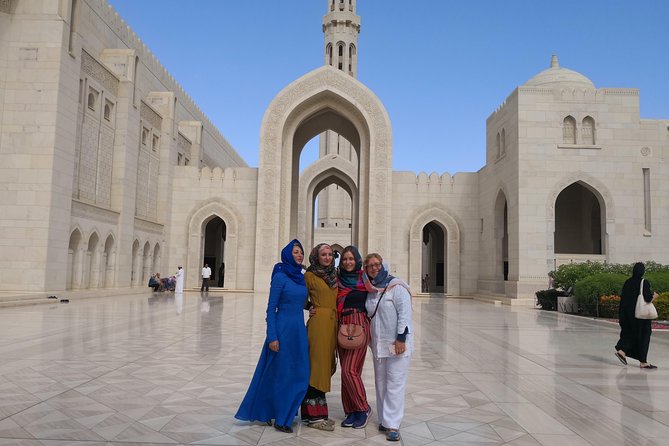
One thing to plan for: the dress code. For worship sites (and some other stops) you’ll need shoulders and knees covered, so pack accordingly or you could get turned away.
In This Review
- Key points at a glance
- Price and what $162 buys you in real terms
- Port-to-town timing: how the half day feels on the clock
- Sultan Qaboos Grand Mosque: the scale hit you feel immediately
- Dress code matters here
- Mutrah Souq: shopping the traditional way (with modern payment options)
- Royal Opera House Muscat: modern Oman in a short stop
- Al Alam Palace and the forts: ceremonial views you can circle
- Why an Italian guide changes the quality of this excursion
- What to wear and pack so you don’t lose time
- Shopping strategy for Mutrah Souq in only 45 minutes
- Who this tour suits best (and who might want a longer day)
- Group size and pace: what to expect with up to 40 people
- Mobile ticket and bottled water: the small comforts that matter
- Should you book this Muscat half day with an Italian guide?
- FAQ
- How long is the Premium Muscat half day excursion?
- Where does the tour pick up and drop off?
- What are the main stops during the tour?
- Are entrance tickets included for all the stops?
- What does the tour price include?
- Is there a dress code?
- Is this tour offered with an Italian guide?
- Is vegetarian food available?
- How many people are in the group?
- Who can join?
Key points at a glance
- Port transfers that keep you on schedule during short shore days
- Sultan Qaboos Grand Mosque with admission included and photo-friendly scale
- Mutrah Souq shopping time with practical tips for bargaining and payment
- Royal Opera House as a quick, modern counterpoint to Old Muscat
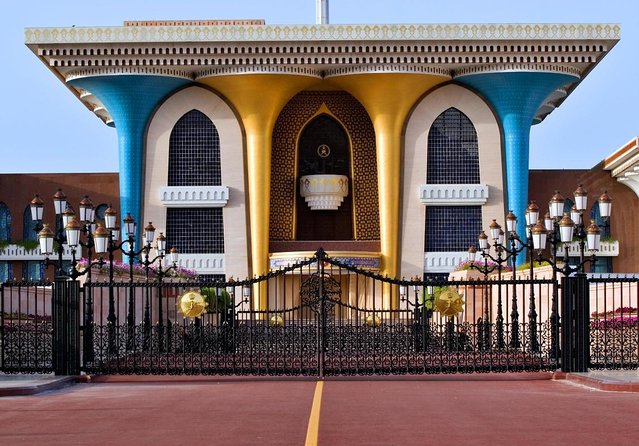
- Al Alam Palace area for an outside look at Oman’s ceremonial center
- Small group feel (max 40) with an Italian-speaking guide option
Price and what $162 buys you in real terms
At $162 per person for a 3 to 4 hour outing, this isn’t a budget skim. You’re paying for organization you’ll notice: a professional guide, port pickup and drop-off, bottled water, and admission included for two major stops.
Here’s the value math that matters on a cruise day. You’re not spending time figuring out transport, and you’re not missing the big sights. Two sites include admission (the mosque and the souq), while other stops are primarily exterior/photo stops. If your goal is a smart first look at Muscat, the price starts to make sense.
Port-to-town timing: how the half day feels on the clock
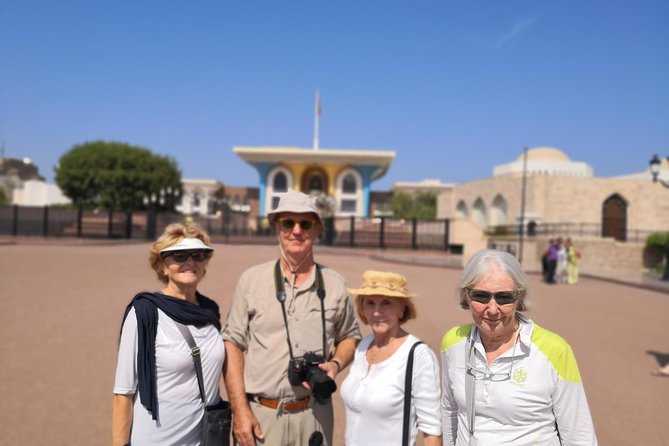
This is built for a short window. The whole experience runs about 3 to 4 hours, with a clear sequence of stops and plenty of photo pauses. The tour also uses a mobile ticket, which tends to reduce standing around.
Also: since it’s designed for cruise ship days, your port timing matters. You’ll want to keep an eye on your ship’s disembark window and get to the pickup point promptly. One review experience highlighted that the guide was there right after the ship debarkation, which is exactly what you want when your time ashore is limited.
Sultan Qaboos Grand Mosque: the scale hit you feel immediately
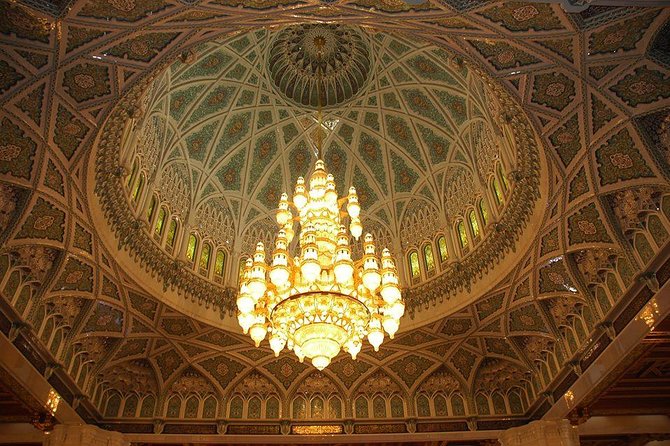
Your first major stop is Sultan Qaboos Grand Mosque, and it earns its reputation fast. This place is massive, built with 300,000 tonnes of Indian sandstone, and the visual math is wild: a central dome that rises about 50 meters above the floor, plus minarets that include the main one at roughly 90 meters and four flanking minarets.
What you’ll love here is not just the size, but how the design gives you layers to study. The main prayer hall is square (about 74.4 by 74.4 meters), and the dome sits at the heart of that geometry. The complex itself covers 416,000 m², so even your walk around the area feels intentional.
A couple practical notes:
- Admission is included, so you don’t have to hunt down tickets.
- Plan on time for both photos and the etiquette side. This is an active place of worship.
Dress code matters here
You’ll need shoulders and knees covered for entry into places of worship and selected museums. That means no shorts and no sleeveless tops for men or women. If you’re unsure what to wear, go with long pants or trousers and a top with sleeves. If you’ve only packed beachwear, bring a light layer.
Mutrah Souq: shopping the traditional way (with modern payment options)
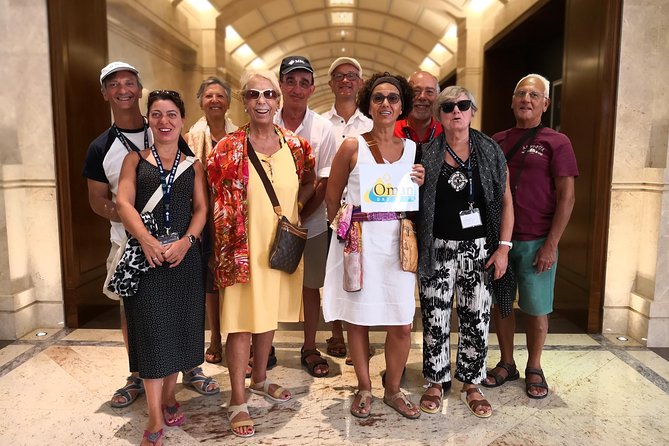
Next comes Mutrah Souq, the kind of stop that turns a sightseeing tour into a real memory. The souq sits by the Mutrah Corniche, and it keeps the chaotic, traditional market feel even with modern wooden roofs over many sections.
This is where you can pick up local souvenirs—jewelry, fabrics, hardware-type goods, and the usual mix of antiques and shopfront displays. Bargaining is part of the process. The discounts may not be huge, but negotiating can still help you find a fair price.
A few practical details that help:
- Cards are accepted in many shops, but you may get better offers by paying with money exchanged in euros or dollars. (So if you’re doing this, do it with a quick comparison rather than guessing.)
- Start at the main entrance through the Corniche area, opposite a pedestrian traffic light, so you don’t waste time circling.
You’ll have about 45 minutes here. That’s enough to browse, ask prices, and buy something if you’re decisive. If you want to compare every stall like it’s your full afternoon plan, you’ll feel rushed.
Royal Opera House Muscat: modern Oman in a short stop
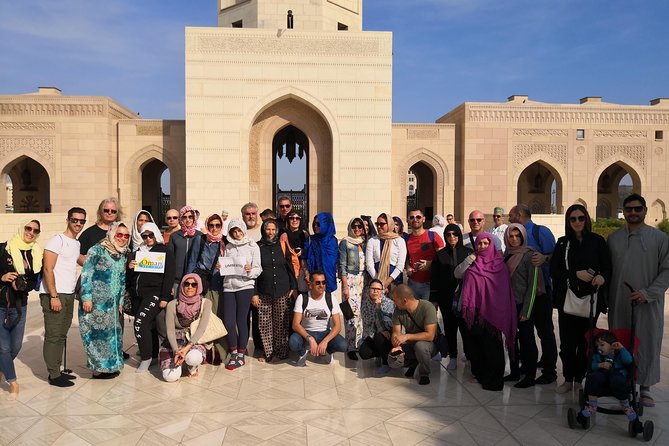
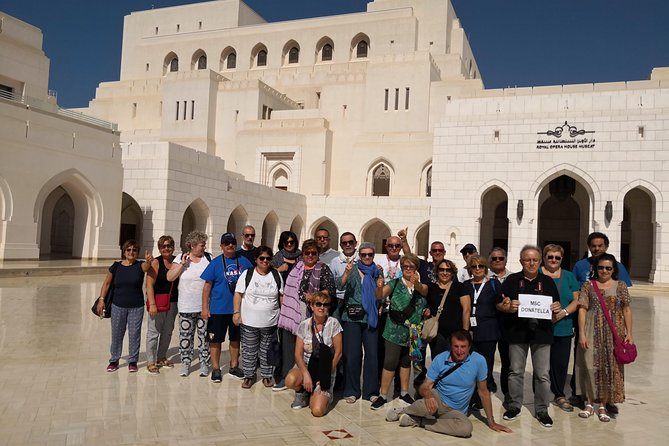
After the souq’s older trade rhythm, you’ll move to the Royal Opera House Muscat. This isn’t just a quick photo opportunity; it’s a statement about Oman’s contemporary cultural life.
The building was created on the royal orders of Sultan Qaboos, and it reflects modern architecture. The complex has a concert theater and auditorium (with a capacity up to 1,100 people), plus landscaped gardens and a cultural market area with retail stores, restaurants, and an art center for music, theater, and opera productions.
In a half day, you won’t get a full show tour. You’re likely looking at the exterior and immediate surroundings during your about 15 minutes here, and it works best as a contrast stop. Old Muscat gives you tradition; the opera house gives you the present-day direction.
Also note: admission isn’t included for this stop, and it’s listed as not included. So don’t assume you’ll enter like you would with the mosque or souq.
Al Alam Palace and the forts: ceremonial views you can circle
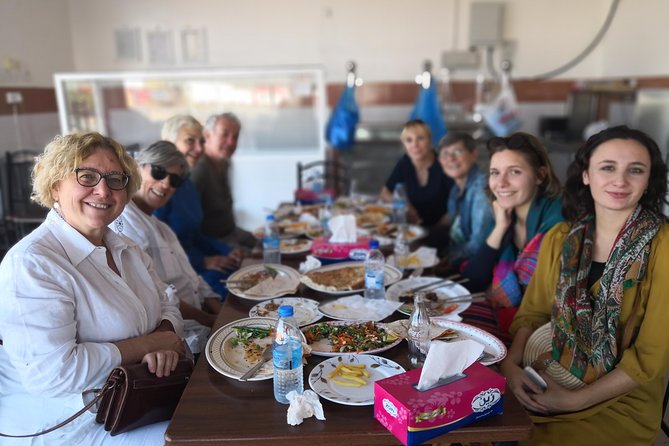
Your last Old Muscat anchor is Al Alam Palace, the ceremonial palace of His Majesty the Sultan. This one is important for understanding the city’s layout, even though it’s not open like a typical museum.
The palace sits in the heart of Old Muscat and is surrounded by forts—Al Jalali and Al Mirani. You’ll also hear it described as soon facing the National Museum of Oman, which gives you a sense of where the broader cultural zone is developing.
Here’s the key reality: Al Alam Palace is not open to the public, but you can walk around the area and take in the outside views. It’s also one of those places where you get context fast: the palace is used often for receiving high-ranking official guests, and history includes visits by figures like the Queen of England and the Queen of the Netherlands.
Sultan Qaboos rarely stayed there long-term, preferring other residences, so the palace function is mainly ceremonial and diplomatic. That’s why the outside experience matters more than trying to “tour” inside.
Why an Italian guide changes the quality of this excursion
A half day can feel either like a checklist or like a story. The difference here is your guide.
This tour is offered with an Italian guide, and one noted guide name is Jaimini Charan. In an Italian-speaking experience like this, you’re more likely to get:
- History explained in everyday terms, not just dates
- Little side stories that help you understand what you’re seeing from street level
- Timing support, like being there after you get off the ship so you don’t scramble
The best guides also make cultural connections. One highlight from Jaimini Charan’s style was mixing Oman context with an Italian pop-culture reference, including a line about what women do not say from Fiorella Mannoia. It might sound random, but it’s actually a smart teaching tool: it gives you a hook your brain remembers.
Also, the tour can be operated by a multi-lingual guide, and that flexibility matters if you’re in a mixed-language group.
What to wear and pack so you don’t lose time
Because the itinerary includes a major worship site, your clothing choices can save you stress.
Bring:
- Something with covered knees and shoulders for mosque entry
- Comfortable walking shoes (you’ll be moving around multiple spots)
- A light layer for cooler air-conditioned stops, since you can hop between outdoors and indoor-like settings
- If you plan to shop at the souq: some cash for bargaining comparisons, even if cards are widely accepted
One more practical point: the tour says dress code is formal and smart casual, and a dress code is required for places of worship and selected museums. That may feel strict, but it’s common in Oman at the key sites.
Shopping strategy for Mutrah Souq in only 45 minutes
With just 45 minutes in Mutrah Souq, you’ll have to shop like a pro.
I suggest you do this:
- Walk in with one target category (souvenir magnet level doesn’t count; pick jewelry, spices, or textiles)
- Ask the first price quickly, then compare one or two other shops
- Use bargaining, but treat it like negotiation practice. The tour info notes discounts may be small, and speed matters when the clock is running.
Also remember: many shops accept cards, but you might see different pricing if you pay with currency tied to euro or dollars. If you’re switching money, try not to rely on the first offer you hear.
Who this tour suits best (and who might want a longer day)
This works especially well if:
- You’re short on time and want a hit list with meaning
- You want an easy introduction to Oman, not a self-drive day
- You care about cultural context as much as photos
- You enjoy a mix of mosque + souq + Old Muscat + a modern cultural stop
It may not be ideal if:
- You want long shopping hours or museum interiors
- You strongly want to enter every building rather than do exterior and palace area viewing
- You hate dress-code rules (this one is serious for worship areas)
Group size and pace: what to expect with up to 40 people
The tour is capped at a maximum of 40 travelers, which helps keep things organized. With a group that size, the guide can still manage pickup timing, photo stops, and transitions—especially with port schedules.
The pace is brisk by design. That’s not a bad thing if you’re coming for highlights and context. If you want slow streets and deep wandering, you’ll feel the schedule tightness.
Mobile ticket and bottled water: the small comforts that matter
Two practical inclusions make the day smoother:
- Bottled water, so you’re not hunting in the heat
- A mobile ticket, which helps when you have limited time and want less hassle at entry points
These aren’t flashy features, but they reduce friction. And on a half day, reduced friction is the whole game.
Should you book this Muscat half day with an Italian guide?
If your time in Muscat is short—especially on a cruise day—this is a strong fit. You get the Sultan Qaboos Grand Mosque with admission included, a proper shopping stop at Mutrah Souq with admission included, plus Old Muscat’s ceremonial center area and a quick look at the Royal Opera House. It’s built to give you bearings fast.
I’d book it if you like structure, you want an Italian-speaking guide, and you can follow the dress code without drama. I’d think twice if you hate quick stops, or if your plan requires long time inside buildings that are mostly outside/photo-focused here.
If you’re the kind of person who likes to understand what you’re seeing—not just snap photos—this half day is a smart use of limited shore time.
FAQ
How long is the Premium Muscat half day excursion?
The experience runs about 3 to 4 hours.
Where does the tour pick up and drop off?
It includes port pickup and drop-off, and it ends back at the meeting point in Muscat.
What are the main stops during the tour?
You’ll visit Sultan Qaboos Grand Mosque, Mutrah Souq, and also stop at the Royal Opera House and Al Alam Palace area.
Are entrance tickets included for all the stops?
Admission tickets are included for Sultan Qaboos Grand Mosque and Mutrah Souq. Tickets are not included for the Royal Opera House and Al Alam Palace.
What does the tour price include?
The price includes taxes, a professional guide, port pickup and drop-off, bottled water, and admission tickets where listed.
Is there a dress code?
Yes. A dress code is required for places of worship and selected museums. No shorts or sleeveless tops are allowed, and knees and shoulders must be covered for both men and women.
Is this tour offered with an Italian guide?
The experience is described as a Premium Muscat half day excursion-Italian guide, and it may be operated by a multi-lingual guide.
Is vegetarian food available?
A vegetarian option is available, please advise at time of booking if required. Food and drinks are not included in the tour.
How many people are in the group?
There is a maximum of 40 travelers.
Who can join?
The minimum age is 18, and children must be accompanied by an adult. Most travelers can participate.