REVIEW · SEOUL
Korean Premium & Original Cooking Class Experience in Hanok
Book on GetYourGuide →Operated by O'ngo Food Communications · Bookable on GetYourGuide
A Korean cooking class in a Hanok is an easy win for your Seoul days. You get a hands-on session in a renovated modern Hanok studio in Bukchon, plus clear English chef guidance while you cook and taste your own food. It’s the kind of class that turns Korean dishes from something you order into meals you can actually recreate.
I especially like that each participant cooks their own dishes with provided ingredients, so you’re not just watching. I also love the teaching style, including the way Chef Jia breaks down technique and adds helpful background so you understand what you’re doing, not only how to do it. One thing to consider: the classroom can run cold when you first arrive, so plan to layer up.
In This Review
- Key Highlights Worth Noticing
- Why Cook in a Bukchon Hanok Studio?
- Price and What You Really Get for $84
- The 2-Hour Flow: From Meeting Point to Your Finished Dishes
- Bibimbap Skills: Rice, Seasonal Vegetables, and the Egg Finish
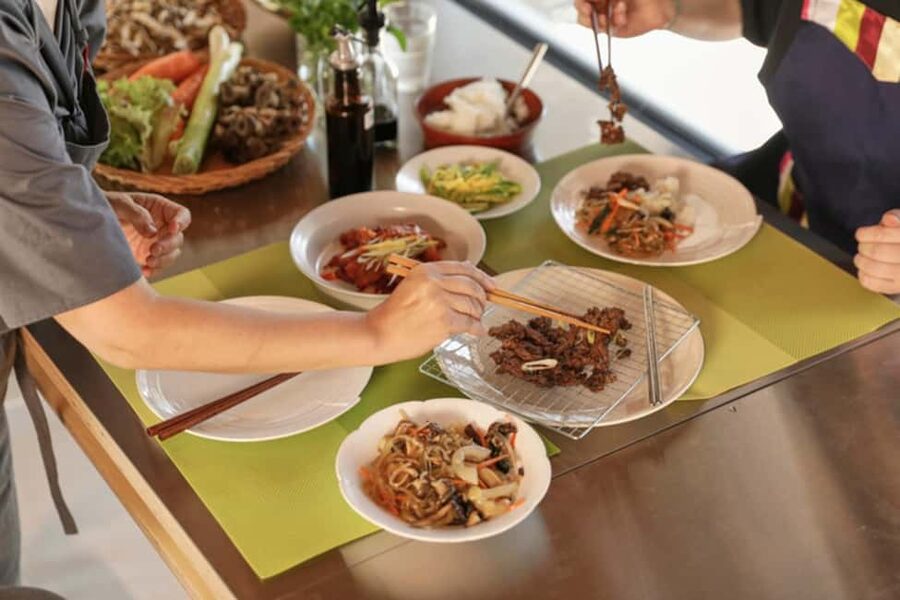
- Your Second Dish Options: Jeyuk-bokkeum, Japchae, or Bulgogi
- Jeyuk-bokkeum (Korean Spicy Pork Barbecue)
- Japchae (Non-Spicy Glass Noodle & Vegetable Mix)
- Bulgogi (Korean National Dish)
- Diet Options and Personalization That Actually Help
- Chef Jia’s Teaching Style: Clear Steps Plus Real Context
- What You’ll Taste (and Why the Tasting Part Matters)
- How to Recreate the Dishes at Home Without Guesswork
- When This Class Is the Best Fit (and When It Might Not Be)
- Should You Book This Hanok Cooking Class?
- FAQ
- How long is the Korean cooking class experience?
- Where is the meeting point for the class?
- What will I cook in the class?
- Is the class led by a chef, and is English available?
- Are dietary restrictions and allergies accommodated?
- Do I cook my own food during the class?
- What happens if I’m late to the meeting point?
- Is there a cancellation policy or reserve-now option?
Key Highlights Worth Noticing
- Modern Hanok in Bukchon: a traditional setting with a recently renovated, practical studio feel
- Two dishes, not a buffet: you focus on making and tasting your own two Korean dishes
- Chef-led, English guidance: live instruction with clear steps and lots of background knowledge
- Individually cooked plates: you get hands-on work, not a shared pot-and-pan setup
- Diet options are supported: you’ll be asked about restrictions or allergies ahead of time
- Recipes afterward: you’ll receive recipe info so you can repeat the results at home
Why Cook in a Bukchon Hanok Studio?
Bukchon is one of those Seoul neighborhoods where the setting feels like part of the experience. This class takes place in a recently renovated modern Hanok studio in the Bukchon area, which means you get atmosphere without sacrificing comfort and workable kitchen space.
What I like about cooking here is the way it blends old and new. You’re learning Korea’s everyday food logic—how home meals are prepared—inside a space that still feels distinctly Korean. Even if you’re only in Seoul for a short trip, this gives you a different side of the city beyond temples and photo stops.
You can also read our reviews of more tours and experiences in Seoul.

Price and What You Really Get for $84
At $84 per person for a 2-hour class, you’re paying for more than recipes. You’re paying for:
- a professional chef to lead and correct you while you cook
- provided ingredients
- active participation (each person prepares their own dishes)
- tasting what you make
- live English support
The value here is that you’re not paying for a long show. You’re paying for concentrated, practical skill-building. And the class is built around two dishes, which keeps it focused. If you’ve ever taken a class where you run around for 90 minutes and eat two bites, this one is designed so your effort turns into a real meal.
If you’re the type who wants to eat Korean food anyway, this price starts to make sense quickly. You’re essentially buying a guided session that upgrades your regular restaurant order into something you can recreate.
The 2-Hour Flow: From Meeting Point to Your Finished Dishes
The class starts at O’ngo Food Communications, 137-11 Bukchon-ro, Jongno-gu Seoul. Plan to arrive on time, because if you’re late, you’re responsible for missing the program.
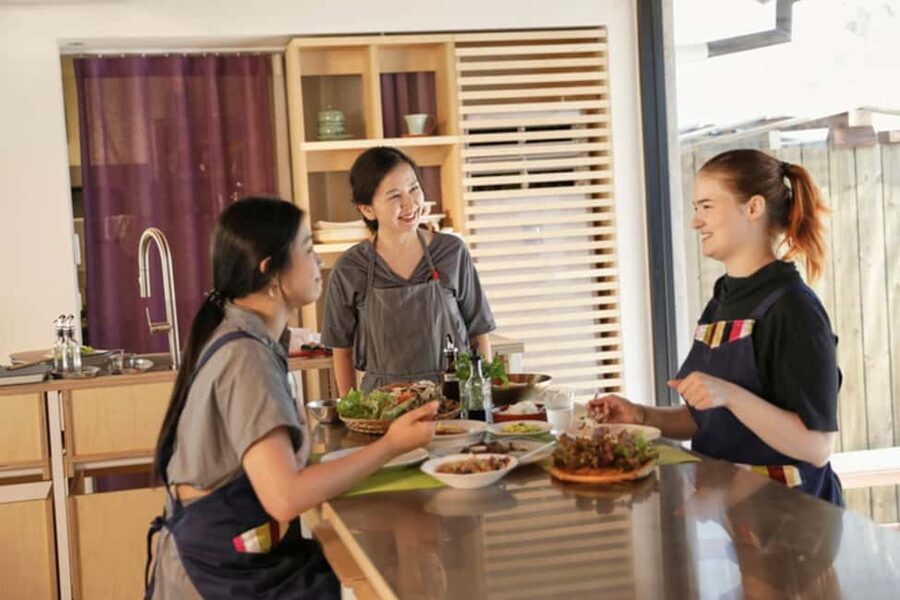
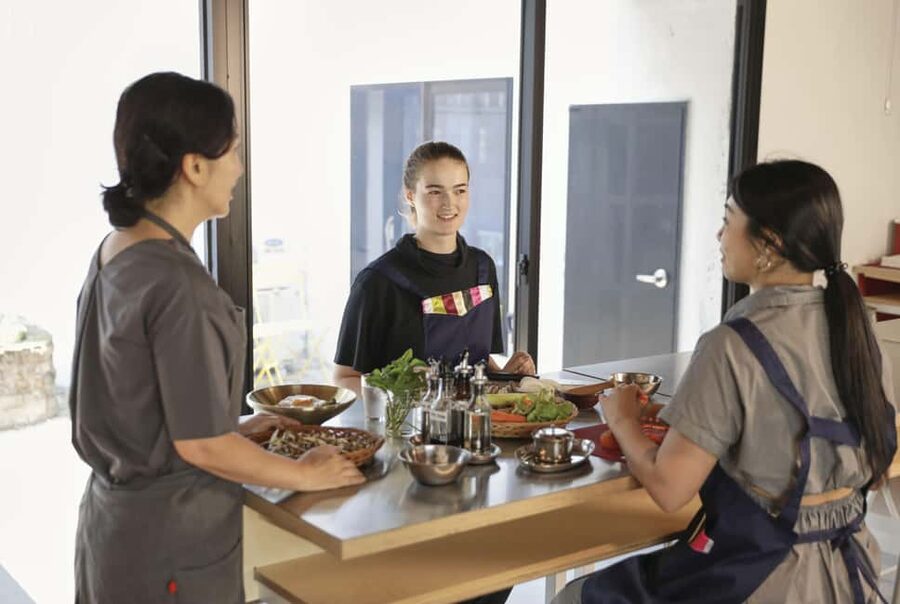
From there, the rhythm is straightforward and chef-led. You’ll be working in the studio, following steps as your chef guides you through each dish. Because it’s a hands-on format and each participant prepares their own food, you’ll spend most of the class actively cooking rather than hovering.
One small but real comfort note: the classroom can be freezing cold when you arrive. I’d treat this as a “layer up” moment. Bring a light jacket you can peel off once you’re cooking, especially if you’re visiting in cooler months.
After you cook, you’ll taste what you made. And you should expect follow-up help in the form of recipe sharing afterward, which makes it easier to repeat your results at home.
Bibimbap Skills: Rice, Seasonal Vegetables, and the Egg Finish
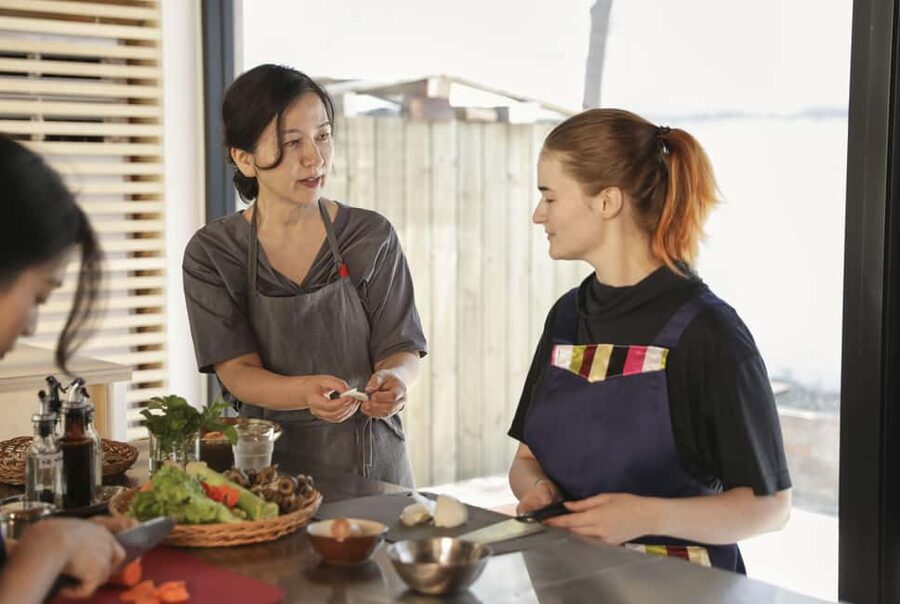
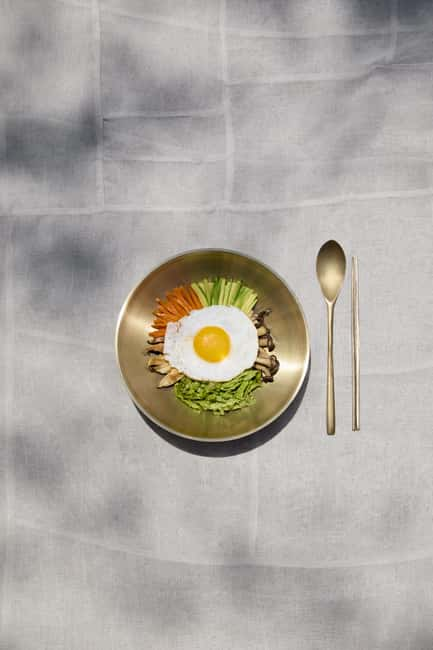
Bibimbap is the Korean dish people recognize fast: a rice bowl topped with seasonal vegetables and a sunny-side-up fried egg. In this class, you learn how to build that bowl into something balanced and flavorful.
Here’s why this matters for you, not just the menu:
- Bibimbap is visual and flexible. Once you understand the basic assembly, it becomes a go-to meal idea.
- The dish is centered on components you can source easily later (rice, cooked vegetables, egg).
- The class format helps you learn the sequence—cooking steps, then assembly—so you’re not guessing when you try it again.
You’ll also get cultural context while you cook. The goal isn’t only to produce a bowl that looks right; it’s to understand how Korean home meals come together. Even if you don’t become a weekly Korean-cooking person, the technique sticks.
Your Second Dish Options: Jeyuk-bokkeum, Japchae, or Bulgogi
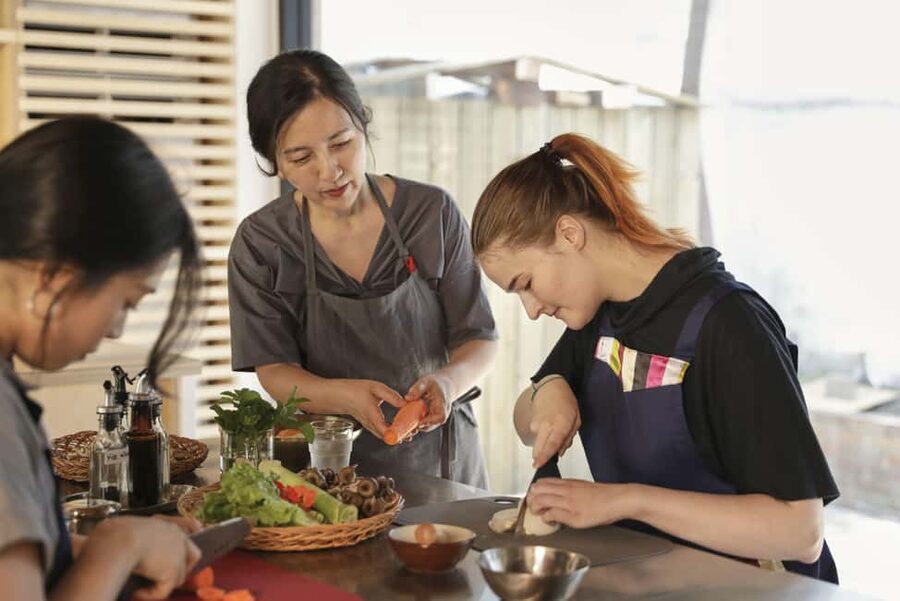
This class focuses on two dishes total, and the second one typically comes from the class menu options. Based on what’s described, you may work with one of these popular picks:



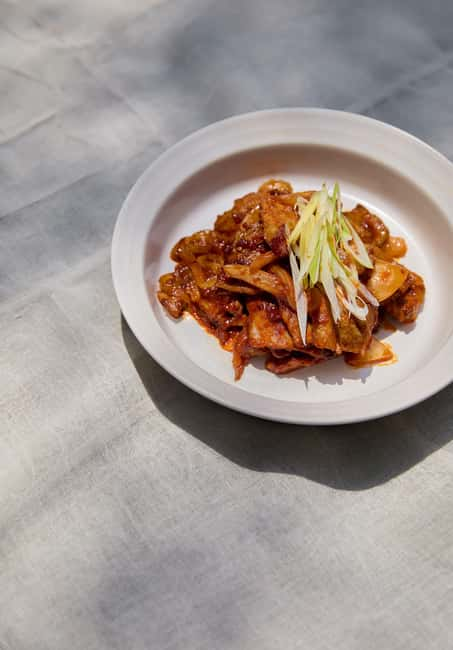
Jeyuk-bokkeum (Korean Spicy Pork Barbecue)
This is the one people often request. It’s marinated pork seasoned with a special gochujang sauce. If you like heat, this dish gives you a strong Korean flavor profile fast. If spice is not your thing, tell the team in advance so you can get the right adjustment.
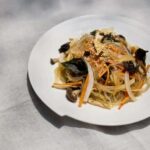
Japchae (Non-Spicy Glass Noodle & Vegetable Mix)
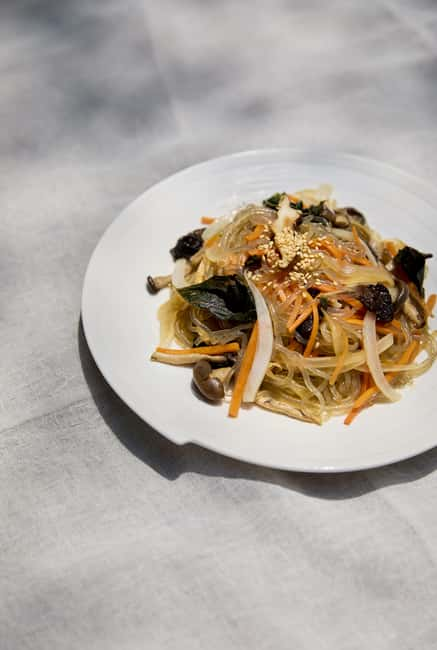
Japchae is described as a non-spicy favorite. You cook and mix a variety of vegetables with glass noodles, creating something that feels like a salad or side-meets-main. It’s a great choice if you want texture and flavor without relying on spice.
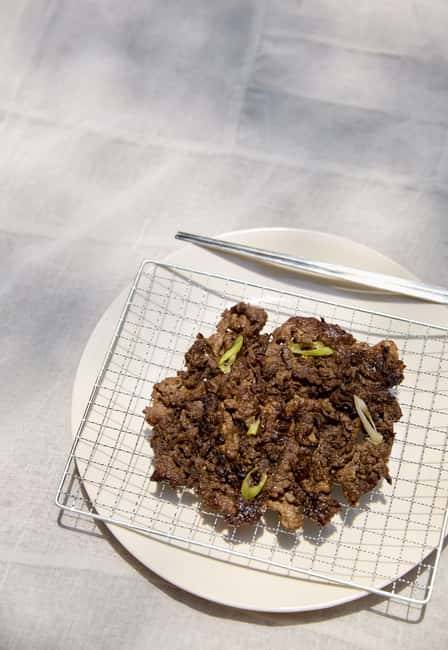
Bulgogi (Korean National Dish)
Bulgogi is made with thinly sliced prime beef, marinated in a blend of soy sauce, sesame, and garlic. It’s a classic reason people fall for Korean food: savory, aromatic, and comforting. If you want a “learn it once, order it often” dish, bulgogi is a smart target.
If you’re deciding which class session to book, think about your taste preferences first. Do you want gochujang heat, a calmer japchae bite, or the soy-sesame-garlic comfort of bulgogi?
Diet Options and Personalization That Actually Help
This class is designed to be customized for all diet options. You’ll be asked to share dietary restrictions and allergies ahead of time, so they can work with you.
I appreciate this because Korean cooking can involve common ingredients you may need to avoid. The “tell us first” approach is what makes a class genuinely usable instead of generic. Send your needs clearly before your session so the chef can prepare you for what you’ll be cooking.
Chef Jia’s Teaching Style: Clear Steps Plus Real Context
Your experience is guided by a professional chef, and one of the standout names from the class feedback is Chef Jia. What stands out in her teaching is precision and clarity. Instructions are paced so you can follow along, and the chef also shares background knowledge, not just steps.
There’s also a human side. One review notes humor and personal touches, including suggestions on places to visit around Seoul. That might sound like a small extra, but it’s a practical perk when you’re new to the city. You leave with your meal skills and a little local direction, which makes the day feel complete.
I also liked the feeling of a smaller group setup. A smaller class generally means more chances to ask questions and get guidance when your dish needs adjusting.
What You’ll Taste (and Why the Tasting Part Matters)
Cooking classes can be two kinds: the kind where you decorate, and the kind where you learn to actually cook. This one leans toward learning.
Because you’ll cook and taste what you make, you can correct your understanding immediately. If something seems too salty, too mild, or off in texture, you’re tasting the result right after the chef explains the process. That feedback loop is one of the best ways to improve fast.
And tasting your two dishes helps you build a mental map of Korean flavors. You’ll start recognizing how spice, sweetness/savory marinade, and noodle-and-vegetable textures fit together.
How to Recreate the Dishes at Home Without Guesswork
A big reason I’d book this kind of class is that you get recipes afterward. Reviews mention that recipe information is sent after the session, which is incredibly helpful if you don’t want to rely on memory.
Here’s how you can use those recipes smartly:
- Start with the two dishes you cooked. Don’t try to recreate everything you saw.
- Keep the order of steps the same. Classes like this teach sequence for a reason.
- If you’re cooking for dietary needs, treat the recipe as a guide and build from your restriction plan.
With the right instructions in hand, you’re not just thinking about Korean food. You’re cooking it.
When This Class Is the Best Fit (and When It Might Not Be)
This works well if:
- you want a hands-on Korean food experience in Seoul
- you like working directly with a chef instead of copying a cookbook later
- you prefer a focused session (two dishes) rather than a long multi-course marathon
- you’re staying somewhere near Bukchon or you want that neighborhood flavor day
It might not be ideal if:
- you get uncomfortable in cold rooms during cool seasons (layer up)
- you’re expecting a class that covers more than two dishes (the format is two dishes total)
- you want a super flexible schedule; starting times vary, so you’ll want to check availability
If you’re traveling with someone who’s picky, this class can still be manageable because the cooking is tailored for diet options. Just don’t wait until day-of—share restrictions and allergies early.
Should You Book This Hanok Cooking Class?
If you’re trying to choose between another food tour and a cooking session, I’d lean toward this one if you want practical skills. You’ll spend 2 hours in a Hanok studio, cook your own food with provided ingredients, and learn Bibimbap plus one more dish from the Korean classics list. Chef Jia’s guidance is a major reason to feel confident you’ll get it right, and the recipe sharing afterward makes it easy to continue at home.
Book it if you like the idea of leaving Seoul with more than memories—you’ll leave with two dishes you can recreate, a clearer sense of Korean home cooking, and likely a couple useful local tips for the rest of your trip.
If cold rooms are a deal-breaker for you, pack layers and show up early enough to get settled.
FAQ
How long is the Korean cooking class experience?
The class lasts 2 hours. Starting times vary, so you’ll want to check availability for the session you want.
Where is the meeting point for the class?
Meet at O’ngo Food Communications, 137-11 Bukchon-ro, Jongno-gu Seoul.
What will I cook in the class?
You’ll cook and taste two Korean dishes. Bibimbap is one of the dishes, and the second dish comes from the class menu options described for the experience.
Is the class led by a chef, and is English available?
Yes. The class is led by a professional chef, and the live tour guide language is English.
Are dietary restrictions and allergies accommodated?
You should let the team know about dietary restrictions or allergies. The class is described as customizable for all diet options.
Do I cook my own food during the class?
Yes. Each participant individually prepares their own dishes with provided ingredients.
What happens if I’m late to the meeting point?
If you are late, you are responsible for missed participation in the program.
Is there a cancellation policy or reserve-now option?
Free cancellation is available up to 24 hours in advance for a full refund. You can also reserve now and pay later.