Korean cooking in a modern hanok-style studio hits different. This beginner class pairs a fully equipped modern kitchen with professional English-speaking chefs in Seoul’s Bukchon area, so you’re not just watching food videos. I especially like how hands-on it is, from chopping and mixing to cooking your own portions.
The biggest drawback to plan for is practical: the kitchen is on an upper floor in the building, and one review noted there’s no elevator, so bring water and be ready for stairs.
In This Review
- Key Highlights You’ll Care About
- Bukchon Morning Class: Why This One Works for Beginners
- Meeting Point at O’ngo Food Communications: Where the Day Starts
- The Modern Kitchen Setup: Tools, Clean Stations, and Comfort
- The Market Ingredient Moment: Why Arriving Early Helps
- Chef-Led Instruction: How You Actually Learn the Dishes
- What You’ll Cook: Popular Korean Dishes, Beginner-Friendly Versions
- Lunch Included: Eat What You Made, With Rice and a Drink
- Price and Value: Is $87 Worth It in Seoul?
- A Few Logistics That Matter (Without Making Your Life Hard)
- Who Should Book This Class (and Who Might Skip)
- Should You Book This Korean Cooking Experience?
- FAQ
- How long is the Korean cooking class?
- Where is the meeting point?
- What’s included in the price?
- Do I need to be an experienced cook?
- What dishes will we cook?
- Is hotel pickup included?
- What is the minimum age to participate?
- What if the class has to be canceled due to low enrollment?
- What’s the cancellation window for a refund?
Key Highlights You’ll Care About
- Bukchon-area location near the historic hanok village, easy to pair with a morning of sightseeing
- Modern, air-conditioned kitchen with clean, organized workstations
- English-speaking instruction led by chefs trained both internationally and in Korea
- Beginner-friendly menu you actively cook, not just assemble
- Chef guidance for spices and taste so your food lands the way Korean cuisine is meant to
- Market ingredient shopping feel if you arrive early enough
Bukchon Morning Class: Why This One Works for Beginners
This is the kind of cooking class that makes Seoul feel personal fast. Instead of spending the day chasing restaurants, you learn how Korean flavors are built—ingredients, heat, timing, and seasoning—then you eat what you made for lunch.
You don’t need any cooking chops. The class is designed as a beginner workshop, with a clear pace and step-by-step coaching. You’ll get a quick primer on Korean food culture and practical tips on choosing ingredients, plus a few safety instructions before the cooking starts.
I also like that it’s not a giant production. The kitchen setup supports small-group interaction, and that matters when you want to ask, What does this sauce taste like before it cooks? or How do I know when it’s done?
You can also read our reviews of more tours and experiences in Seoul.

Meeting Point at O’ngo Food Communications: Where the Day Starts
The class meets at O’ngo Food Communications, 137-11 Bukchon-ro, Jongno District, Seoul. Start time is 10:30 am, and you should plan to arrive about 10 minutes early.
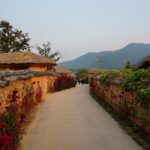
This location is in a very walkable, sightseeing-friendly pocket of Seoul. Bukchon is famous for its hanok streets, so it’s easy to turn your class into a bigger morning plan. One review said it’s near the historic Bukchon Hanok village and that the studio is a nice stop before or after other neighborhood exploring.
One reality check: you might find the building hard to locate at first. A review mentioned even a taxi driver needed GPS help. So do yourself a favor—have the address saved in your maps app before you go, not after.
The Modern Kitchen Setup: Tools, Clean Stations, and Comfort
The teaching happens in a modern kitchen with air conditioning. That sounds like a small detail until you’re in Seoul on a warm day. A comfortable kitchen helps you focus on what matters: technique and flavor.
You work at your own station. Reviews repeatedly mention personal work areas that were clean and well organized, plus lots of assistance from the staff as you cook. In other words, it’s hands-on without being chaos.
I also appreciate the attention to food safety and cleanliness. One guest specifically called out how they handled cleanliness and cross-contamination precautions. If you’re the type who worries about shared surfaces, that detail is worth noting.
The Market Ingredient Moment: Why Arriving Early Helps
Even though the class centers on cooking, the morning often comes with a market and ingredient-shoppers vibe. One review suggested arriving around 30 minutes early to join a tour of a local underground market, framing it as a different way to buy ingredients than what you might be used to.
This part is valuable because it gives context. When you later chop and season, you understand what you’re working with—why a certain ingredient is used, what a cut or texture should be like, and how fresh items affect the final dish. If you arrive early and can join the market walkthrough, it’s a nice bonus that makes the cooking feel more grounded in real Korean shopping habits.
If you’re on a tight schedule, don’t stress. The core value is the cooking class itself: chopping, cooking, and eating what you made.
Chef-Led Instruction: How You Actually Learn the Dishes
The class is taught by professional chefs who speak English. Reviews highlight how patient and clear instructors are, including specific chef names like Ran and Yibben. When the class is beginner-focused, having someone who can explain in plain language makes all the difference.
What you learn is more than steps. You learn why steps matter. Guests noted that instructors explained each ingredient’s role and sometimes even the historical or cultural purpose of certain components. That might sound academic, but it helps you season with intention rather than guesswork.
A key part of the teaching style: you don’t do all the prep for you. The instructors guide the flow, but you’re doing the important actions—slicing, dicing, grinding, mixing, and cooking. Reviews also say there’s a balance between prep done ahead of time (so the class runs smoothly) and the parts you still get to do with your own hands.
That’s how this ends up feeling like a lesson you can repeat at home.

What You’ll Cook: Popular Korean Dishes, Beginner-Friendly Versions
Your exact menu depends on the class, but it’s built for beginners and tends to include well-loved Korean dishes you can actually remake later.
From the dishes mentioned, expect options like:
- Japchae (often praised as easy and delicious)
- Bibimbap (guests described making it and enjoying a great result)
- Bulgogi (noted as a straightforward recipe)
- Kimchi (sometimes focused as a beginner class)
- A chicken stew style dish (mentioned as part of learning multiple recipes)
- Kimchi pancake as an additional cooked item in some sessions
- A soup course paired with bibimbap in at least one class experience
Even if you’re not sure you like Korean food yet, this kind of menu selection is a smart way to start. These dishes represent core flavors: sweet-salty sauces, savory fermented ingredients, and the way rice anchors the meal.
One of the best pieces of feedback from guests is that cooking happens in a way that lets you adjust. People talked about tasting their own food at the end and being able to fine-tune seasoning if they wanted. That’s a great confidence builder.
Lunch Included: Eat What You Made, With Rice and a Drink
After the cooking portion, you sit down to enjoy your meal. The class includes lunch, plus rice and one beverage.
This is where the whole course clicks. When you eat your own cooking immediately after learning it, you’re not wondering if you did it right. You can connect technique to taste in real time.
Guests also describe the meals as genuinely delicious, not just “fine for a class.” More importantly, you’ll leave with the emotional payoff of finishing a dish that actually works.
If you’re hungry in the morning, come hungry. This is a full lunch experience, not a snack demo.
Price and Value: Is $87 Worth It in Seoul?
At $87 per person for about 2 hours, it’s not the cheapest thing you can do in Seoul. But for a chef-led, ingredient-included class with a modern kitchen and lunch included, it’s fairly strong value.
Here’s why I think the price makes sense:
- You’re paying for professional instruction in English, not just a cooking handout
- All ingredients and equipment are included, so you’re not doing extra shopping afterward
- You get a full meal at the end, plus one beverage
- You’re not watching. You’re cooking at your station
Also, the class has a maximum of 22 travelers, and reviews often describe a small-group feel. When you get more attention because the group isn’t huge, the value improves.
If you like food and you enjoy practical skills—recipes you can repeat—this tends to land as one of the more memorable experiences in Seoul.
A Few Logistics That Matter (Without Making Your Life Hard)
- Duration: about 2 hours
- Meeting location: O’ngo Food Communications (Bukchon area)
- No hotel pickup/drop-off: you handle getting there
- Minimum age: the minimum for participation is 11. Children younger than 11 are welcome, but they may not participate in the class
- Stairs reality: one review mentioned the classroom is on a third floor with no elevator
If you’re traveling with someone who gets tired easily, plan for stairs and bring water. If you’re arriving from another neighborhood, build in a little time to find the correct entrance.
Who Should Book This Class (and Who Might Skip)
This cooking class is a great fit if:
- You want a beginner-friendly start to Korean cooking
- You love food experiences where you leave with practical skills
- You’d rather cook once well than do three average meals
- You’re in Seoul for a short time and want one high-value morning plan
You might consider skipping if:
- You’re expecting a long, in-depth culinary lecture with no hands-on work
- You dislike cooking activities at all (this is hands-on by design)
- Stairs are a problem for your group (given the no-elevator note)
Should You Book This Korean Cooking Experience?
Yes, I’d book it if you want a fun morning in Seoul that teaches real, repeatable Korean dishes. The combination of modern kitchen setup, English-speaking chefs, and a lunch you eat right after cooking is hard to beat for the price.
My final advice is simple: show up a little early if you can, get comfortable with the building location, and come ready to chop and taste. You’ll leave with both full stomach and a recipe plan for home.
FAQ
How long is the Korean cooking class?
The class runs for about 2 hours.
Where is the meeting point?
You meet at O’ngo Food Communications, 137-11 Bukchon-ro, Jongno District, Seoul.
What’s included in the price?
You get a beginner cooking class, all ingredients and equipment, lunch, a fully air-conditioned modern kitchen, professional English-speaking chefs, and 1 beverage.
Do I need to be an experienced cook?
No. It’s designed as a beginner workshop with step-by-step instruction.
What dishes will we cook?
The exact menu can vary by session, but popular beginner dishes mentioned include items like japchae, bibimbap, bulgogi, and kimchi.
Is hotel pickup included?
No, hotel pickup and drop-off are not included.
What is the minimum age to participate?
The minimum age required for the cooking class is 11. Younger children may be welcome, but they may not participate in the class.
What if the class has to be canceled due to low enrollment?
If there aren’t enough participants, you’ll be offered an alternative date or a full refund.
What’s the cancellation window for a refund?
You can cancel up to 24 hours in advance for a full refund.