REVIEW · GREECE
Athens: Premium Greek Honey Tasting
Book on GetYourGuide →Operated by Brettos Plaka - Wine & Deli Cellar · Bookable on GetYourGuide
A spoonful of Greece beats a long lecture. In this quick Athens tasting, you sample five Greek honeys and hear how Greek landscapes shape the flavors, from pine-style notes to herb-forward kinds. I especially like that it stays small group, so the English-speaking guide can actually answer your questions.
Two things I really enjoy: you get both the tasting and the story behind it, including production methods, and you also learn how to pair honey so it makes sense beyond the jar. One drawback to consider: 20 minutes is short, so this is best for a focused taste-and-learn moment, not a long, hands-on workshop (and meals and drinks aren’t included).
In This Review
- Key Points at a Glance
- What Happens in a 20-Minute Premium Honey Tasting in Athens
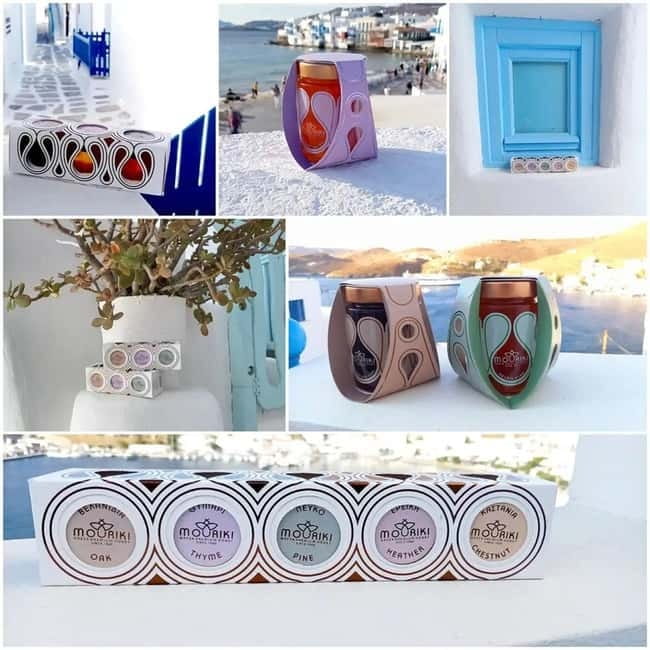
- Five Regional Honeys: Pine, Thyme, Heather, Chestnut, and the Wild Cards
- Organic Honey, Bees, and Production Methods You Can Actually Use
- Food Pairings That Make the Flavours Click
- A Quick Lesson on Greek Honey’s Past Fame
- Brettos Plaka Wine & Deli Cellar: Where to Plan Your Evening
- Price and Value for 5 Premium Samples
- Who This Tasting Fits Best (and Who Should Skip It)
- Should You Book This Athens Honey Tasting?
- FAQ
- How long is the Athens Premium Greek Honey Tasting?
- How many honeys will I taste?
- What does the price include?
- Is the tour in English?
- How large is the group?
- What is not included in the experience?
Key Points at a Glance
- Five honey samples from different Greek regions in one sitting
- Organic honey appears in the selection, not just mainstream jars
- Bees and production methods explained in plain language
- Multiple flavor profiles tied to trees and herbs like pine, fir, chestnut, thyme, heather, and wild flowers
- Food pairing tips that turn honey into a real ingredient
- Small group size (up to 10) with an English instructor
What Happens in a 20-Minute Premium Honey Tasting in Athens
This experience is built like a compact food lesson. In about 20 minutes, you taste five premium Greek honeys, each one from a different corner of Greece, while the guide talks you through what makes them different.
You’re not just “trying honey.” You’re also learning the logic of honey flavor: where nectar comes from, how bees work, and why a honey can taste floral, herbal, woody, or even darker and heavier. The tone is friendly and practical, and the group stays small enough that you’re not lost in a crowd.
The tasting includes a mix of familiar and more unusual varieties. Based on what people pick up during the session, you may also hear the culinary angle and the traditional medicinal reputation some Greek honey types have. I’d treat that as part of the cultural context, not medical advice, but it’s still interesting and often sparks better questions when you’re buying afterward.
You can also read our reviews of more tours and experiences in Greece.



Five Regional Honeys: Pine, Thyme, Heather, Chestnut, and the Wild Cards
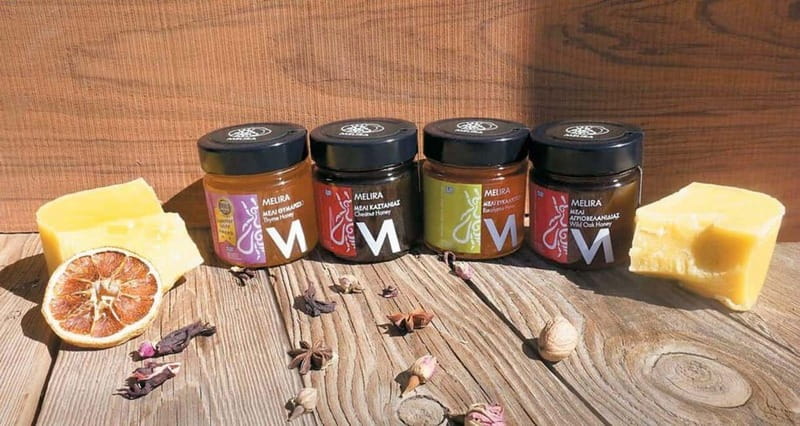
Greece is packed with different plants, and this tasting uses that fact like a map. Expect honeys tied to trees and herbs such as pine, fir, chestnut, thyme, heather, and wild flowers. The point is simple: Greece’s variety of flora gives beekeepers different nectar sources, and that shows up directly in the taste.
One of the most praised parts is the chance to try honeys that you might not find easily in everyday shopping. In particular, people often highlight oak honey and chestnut honey as memorable, plus more recognizable favorites like thyme, pine, and heather. That mix is great because it keeps the tasting from feeling repetitive: you’ll taste something comforting, then something unexpected.
If you’re wondering what these differences feel like in practice, think in categories. Pine-style honeys tend to come across with a resin or forest vibe. Thyme and heather lean more herbal-floral. Chestnut-style honey can feel darker and more robust. You’re learning how to notice those cues, so when you’re back in a shop later, you can choose with confidence instead of guesswork.
And yes, honey flavor can be subtle or bold depending on the variety. The tasting format is helpful because you can compare them side by side, not hours apart.
Organic Honey, Bees, and Production Methods You Can Actually Use
A big reason this experience works is that it connects taste to process. You’ll learn about honey types and production methods, plus the real role of bees and honey in the bigger picture. The guide isn’t just reciting facts; the tone is more like, here’s how to understand what you’re eating.
Organic honey is part of what you can taste, which matters if you care about farming choices and how products are made. The listing information also points to bees and honey as a theme, so you should come away with a clearer sense of how beekeeping practices influence the final jar.
Production methods can be a dry topic in other settings, but here it’s tied to what you’ll taste. You’re effectively building a small honey vocabulary: words you can use when you buy later, so you can say you want something pine-forward or herb-focused rather than just buying the most famous brand.
Also, you’ll get a bit of cultural framing. Greek honey was well known until the Middle Ages as a standout product, with the argument that unique Greek nature created honey styles not matched elsewhere. That context doesn’t make the honey taste different, but it does make it feel like it has a place in the food story of the country.
Food Pairings That Make the Flavours Click

Honey is one of those foods that can be either “nice” or “wow,” depending on how you serve it. This tasting includes education about food pairing, and that’s where the flavors stop being abstract and start becoming useful in your kitchen.
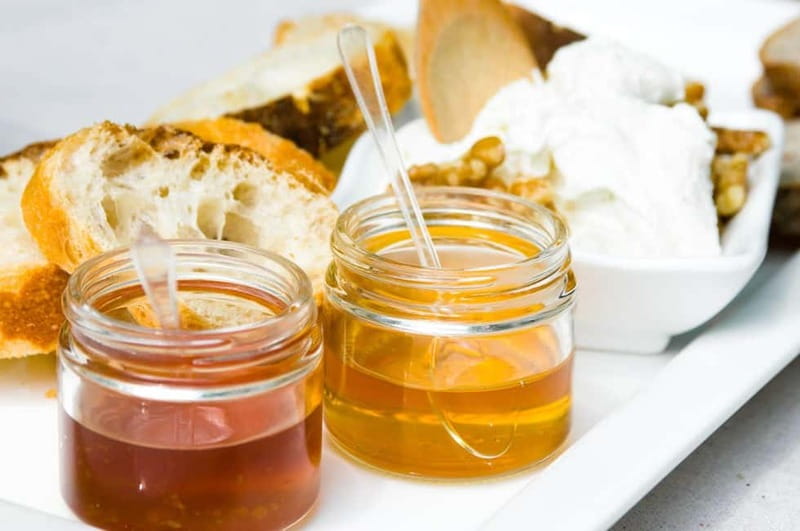
People mention pairing honey with cream cheese and crispy sesame bread during the tasting. That’s a smart combo because it covers saltiness, creaminess, and crunch. When you add a honey variety on top, you can actually taste what changes: floral honeys can feel brighter, darker honeys can feel richer, and resin-forward honeys can feel more pronounced against creamy dairy.
If you’ve ever thought of honey as something only for tea, this kind of pairing education can shift your habits fast. Even if you don’t cook much, you’ll learn a few straightforward moves:
- match honey styles to flavors you already like (herbal vs woody vs darker)
- use contrast, like creamy or crunchy bases
- treat honey like an ingredient, not just a topping
This is also why the tasting feels good value. You’re not paying only for sweetness. You’re paying for a mini guide that helps you buy better and eat it more thoughtfully later.
A Quick Lesson on Greek Honey’s Past Fame
There’s a reason honey in Greece carries so much pride. Greek honey was famous up through the Middle Ages and often described as the best in the world, with the idea that Greece’s varied nature created styles you couldn’t easily copy elsewhere. In a short tasting, you won’t get a textbook—but you will get the key idea: the land shapes the jar.
That history also helps explain the variety you’re tasting. Greece isn’t one uniform landscape for beekeepers. You’re sampling flavors linked to pine and fir, plus herb tones like thyme and heather, and tree-driven profiles like chestnut. The guide’s explanation makes it easier to understand why Greek honey can feel different from what you expect from other countries.
I like this part because it’s not just bragging. It gives you a reason to care when you see a menu of honey options in a shop. You start thinking like a buyer: which plant notes do I want, and what kind of food vibe will that honey support?
And when someone knows the background, shopping becomes more fun. You stop grabbing a random jar and start choosing something with a purpose.




Brettos Plaka Wine & Deli Cellar: Where to Plan Your Evening
This tasting is hosted by Brettos Plaka – Wine & Deli Cellar in Athens. That matters because the setting feels like a real place where locals shop, not a staged tourist room. People describe the host or guide as friendly, with explanations that go beyond the basics.
It’s a good fit for a spare evening because it’s quick. You can slot it in without losing half a day. That makes it especially practical if you’ve got plans later or you’re working around unpredictable weather.
It’s also a solid choice if you like the idea of leaving with something to take home. One of the most common takeaways from the experience is that you’ll be in a better mood to shop after the tasting, with a clearer sense of what you just sampled. Even if you only buy one jar, you’ll know what you’re getting.
One watch-out: since the session is short, don’t treat it like a pre-dinner stop that replaces a meal. The experience doesn’t include a meal or drinks, so plan food separately if you’ll be hungry afterward.
Price and Value for 5 Premium Samples
At $14 per person for around 20 minutes, the value mostly comes from what you get for the time. You’re paying for a guided tasting of five premium honeys, not just a small sample of something generic. Add the benefit of learning about types, production methods, and pairings, and the cost starts to look more like a mini workshop than a quick snack.
The small group size (limited to 10 participants) also supports the price. In a room that’s not packed, you can ask questions and get explanations that actually connect to what you’re tasting. That’s where the value lives: guidance that helps you make sense of differences between honeys, then apply that knowledge when you buy later.
Also, the inclusion of organic honey and less common varieties in the tasting selection adds weight. If you’re someone who likes rare or unusual flavors, those samples can be the main reason to book. Pine and thyme might be familiar, but oak and chestnut-style honeys can feel like a special find.
If you’re only curious about sweetness and you don’t care about origins or pairing, you might find this too guided for your taste. But if you enjoy food explanations and want to choose better, it’s a strong buy.
Who This Tasting Fits Best (and Who Should Skip It)
I think this is an excellent match if you’re a foodie who wants a short, high-signal experience. It’s also a great choice if you like learning through tasting rather than reading a brochure. You’ll get enough context about bees, production methods, and regional differences to make the honey feel personal.
It’s also perfect for people who want a mellow, low-effort plan in Athens. The duration is short, the group stays small, and there’s a clear structure: taste five honeys, then learn how to connect flavors to food.
You might skip it if you’re looking for a long, hands-on activity. This isn’t a full-scale production tour, and it doesn’t include food or drinks beyond the tasting context. If you want something that fills an afternoon, you’ll probably prefer a longer class or a separate meal plan.
For most solo travelers, couples, and small groups, though, it’s a smart way to add variety to your day without burning time.
Should You Book This Athens Honey Tasting?
If your goal is to leave Athens with better instincts—how to recognize honey styles, how to pair them, and what to buy—you’ll probably love this. I’d book it if you enjoy guided tastings and want to try multiple Greek varieties in one go, including organic and more unusual types like oak or chestnut.
Pass if you only want a quick sugar hit and don’t care about origin, production, or pairing. In that case, the short duration and lack of a meal might feel limiting.
Otherwise, this is exactly the kind of small, focused experience that turns a rainy hour (or a spare window in your schedule) into something memorable and useful.
FAQ
How long is the Athens Premium Greek Honey Tasting?
It lasts about 20 minutes.
How many honeys will I taste?
You’ll taste five Greek premium honeys.
What does the price include?
The price includes the tasting of five Greek premium honeys.
Is the tour in English?
Yes. The instructor speaks English.
How large is the group?
The group is limited to 10 participants.
What is not included in the experience?
Hotel transfer, meal, and drinks are not included.